Median Age
37 Years
Largest Age Group
15-24 Years
Approximately 15% of Residents
Under 20
27%
Over 65
13%
Avg Rent
$2,057
Population
94,759
Renter Mix
36% Rent
Tracy sits at the intersection of three major interstates in California's Central Valley, giving it a geographic position that few cities its size can match. With roughly 94,000 residents spread across 23 square miles, the city functions as a practical base for people working across the Bay Area, the Tri-Valley, or the broader San Joaquin region. The Altamont Corridor Express train connects downtown Tracy to Silicon Valley on weekdays, making car-free commuting a real option. The Grand Theatre Center for the Arts anchors cultural life downtown, while the Tracy Historical Museum traces the city's origins as a 19th-century railroad town named after Central Pacific director Lathrop J. Tracy.
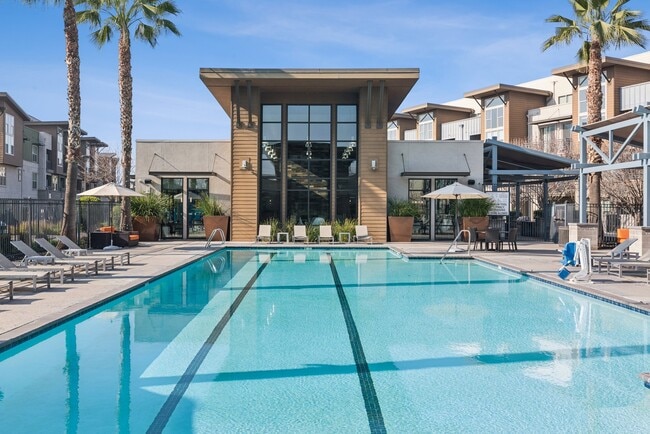
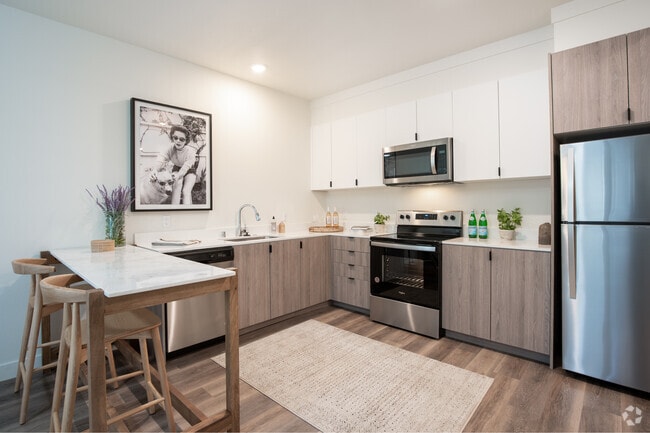
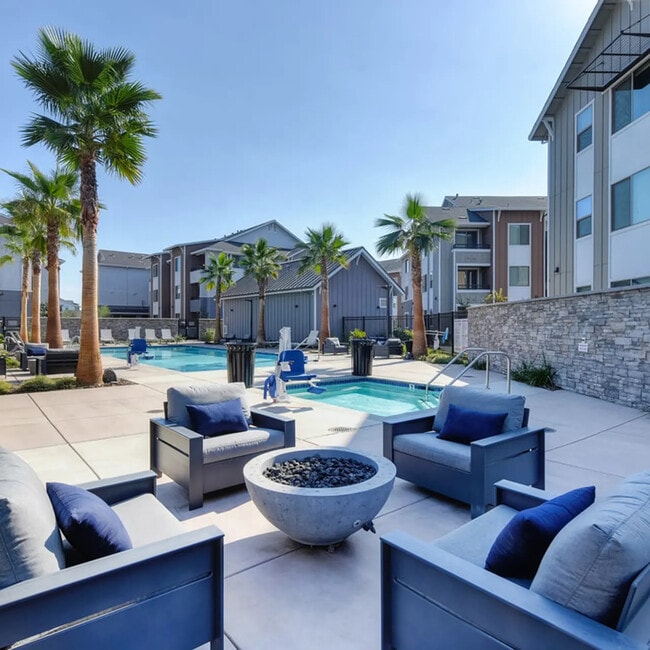
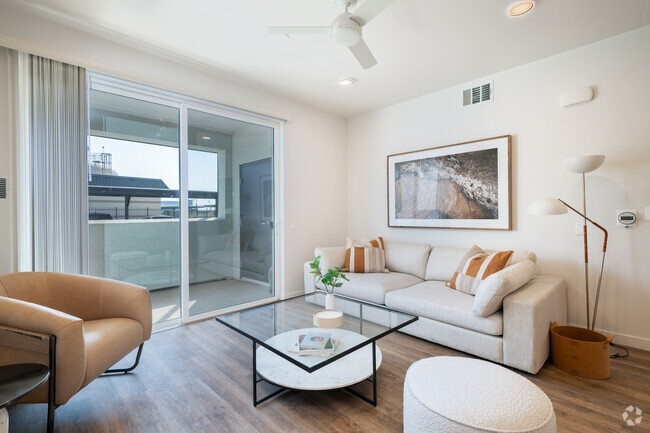
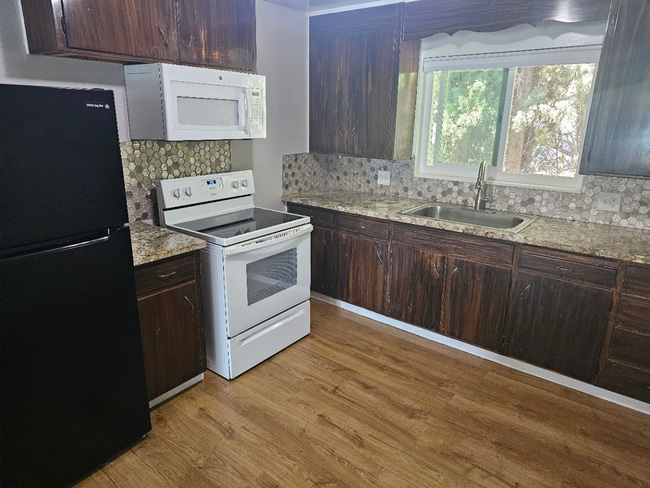
The city offers genuine neighborhood variety, from the established streets near Downtown and El Pescadero Park to newer hillside development in Tracy Hills and the Hidden Lake area in the north. Housing runs the full spectrum: apartment communities with modern amenities, townhomes, and single-family rentals are all part of the mix. Tracy draws renters who want more square footage than the Bay Area typically allows at comparable price points, without giving up access to major employment corridors. The city's motto, "Think Inside the Triangle," refers to those surrounding interstates and captures how central connectivity is to daily life here.
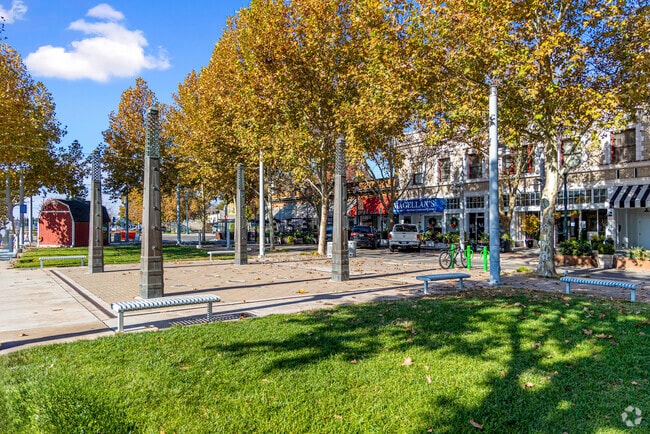
Check out the shops and restaurants in downtown Tracy.
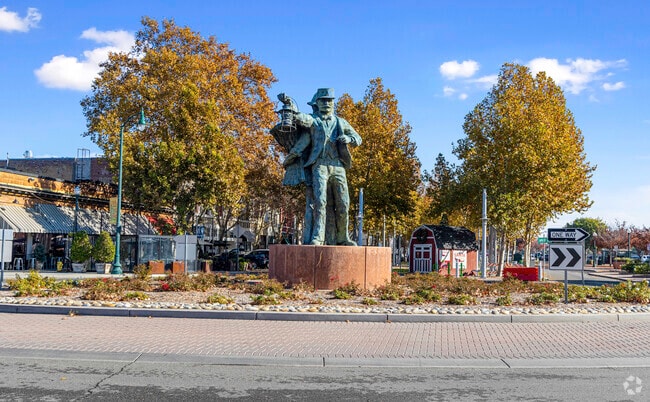
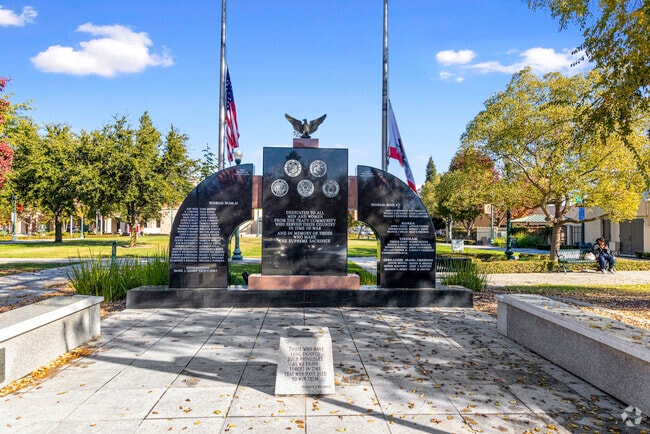
See the WW1 Memorial in Tracy.
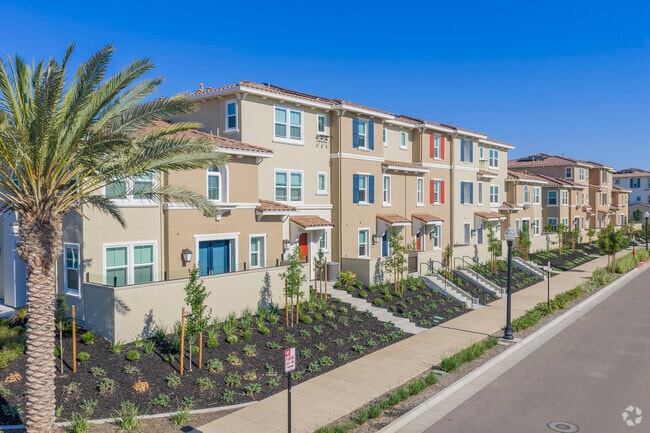
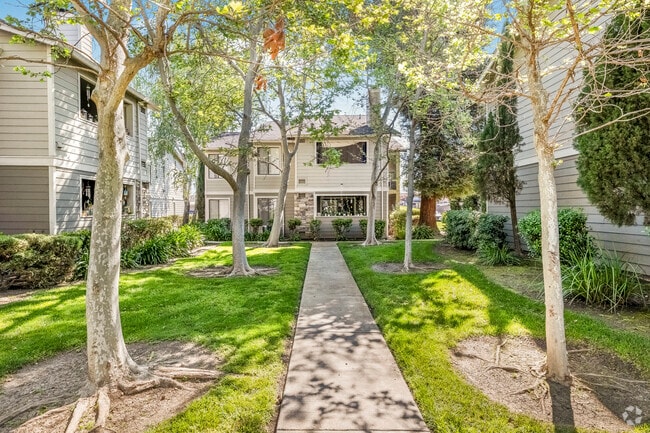
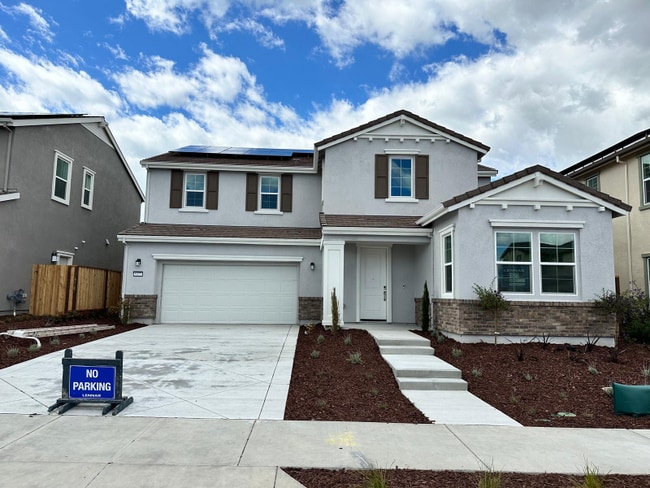
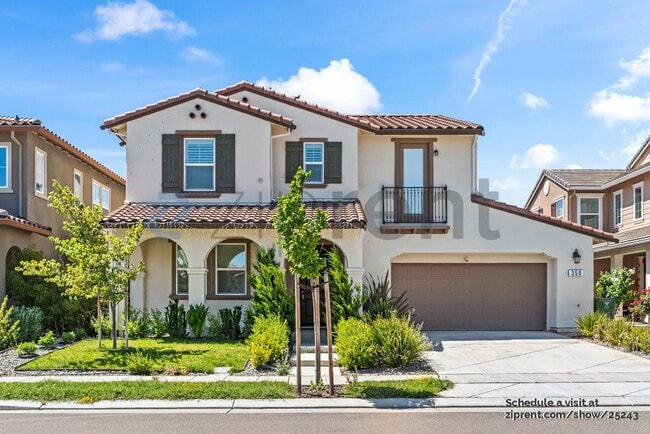
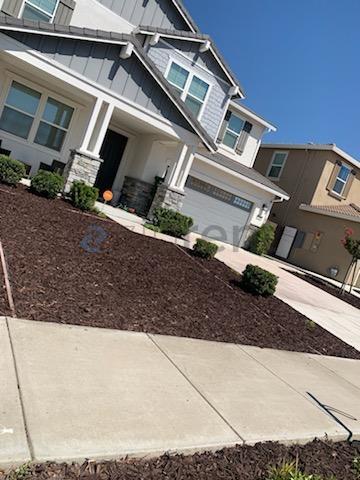
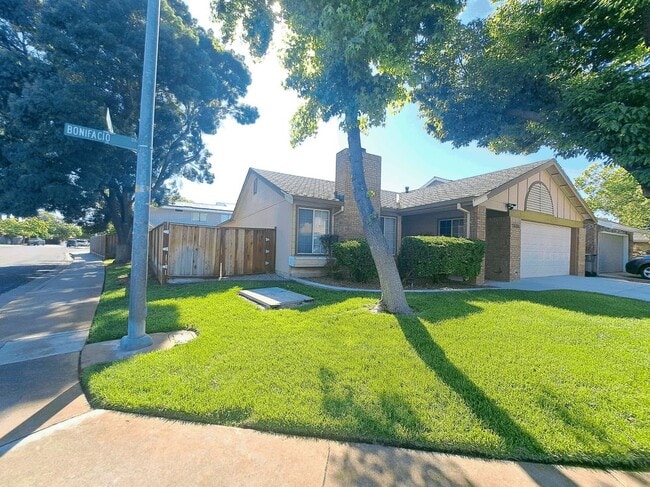
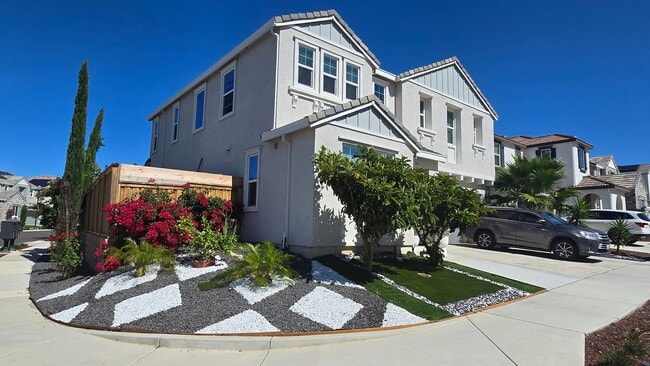
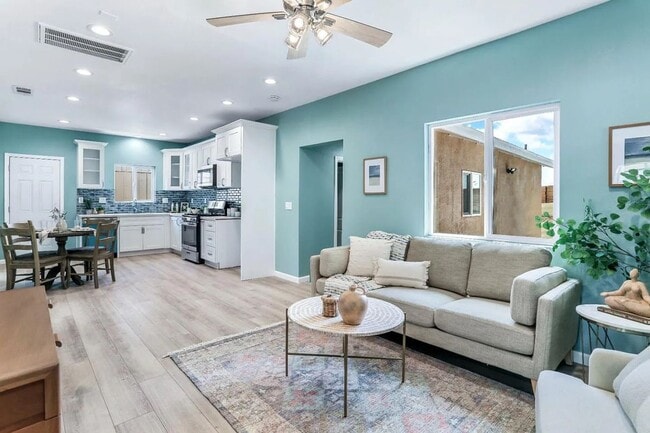
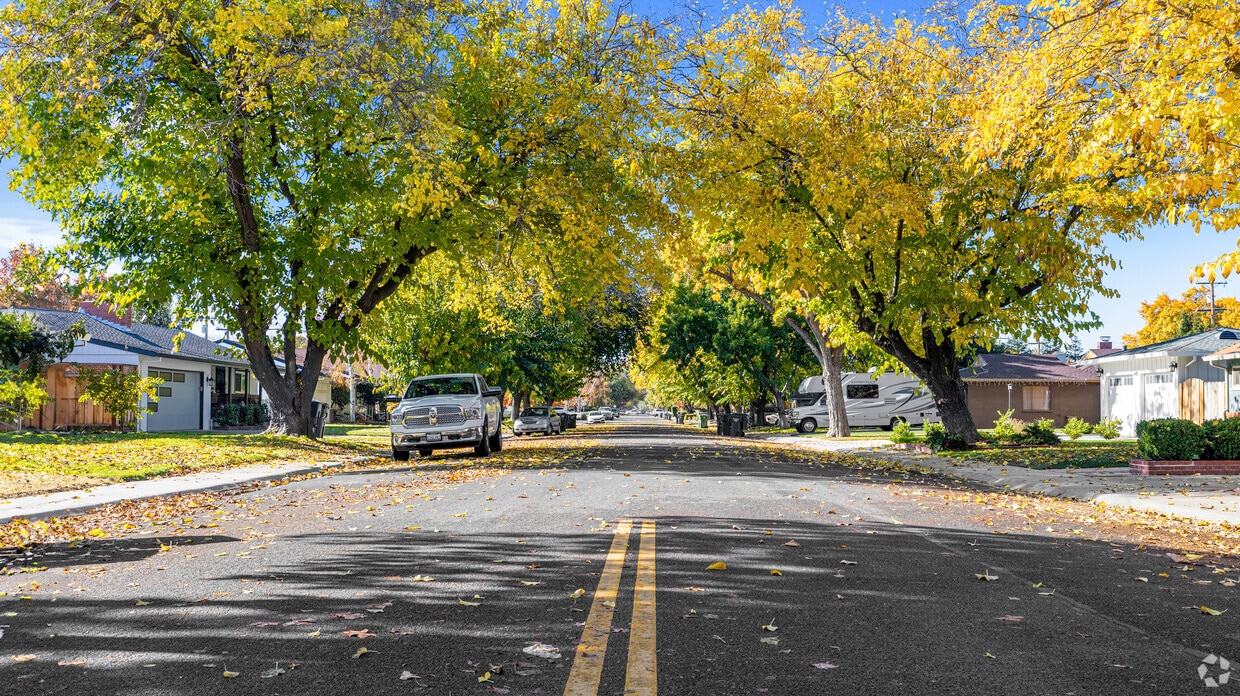
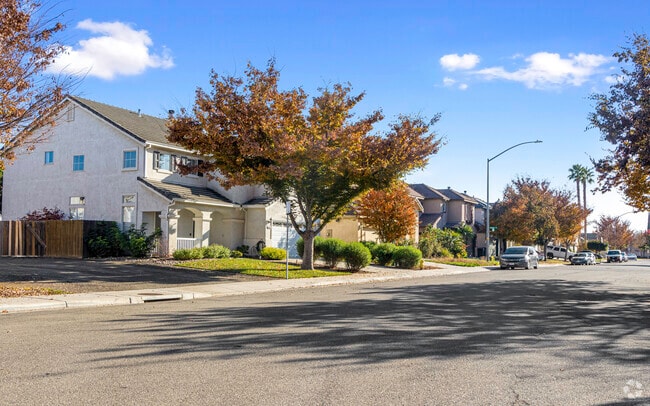
Tracy homes dot the neighborhoods.
Merchants in Tracy take pride in there city.
Spend time with the family at Dr Powers Park.
Tracy is the second most populated city in San Joaquin County.
Median Household Income
$111,750
Average: $131,463
Education
17,608
Residents Have a Degree
Job Market
48,768
Workers Employed
Median Age
37 Years
Largest Age Group
15-24 Years
Approximately 15% of Residents
Under 20
27%
Over 65
13%
Housing Distribution
Tracy has more homeowners than renters.

Education Distribution
Review this city's overall education levels.

As of July 2026, the average apartment rent in Tracy, CA is $1,105 for a studio, $2,057 for one bedroom, $2,349 for two bedrooms, and $2,995 for three bedrooms. Apartment rent in Tracy has increased by 1.4% in the past year.
The cost of living in Tracy, CA is 24.6% higher than the national average. Generally, housing in Tracy is 62.7% more expensive than the national average, with rent falling between $1,105 - $2,995. You can expect to pay 13.6% more for groceries, 17.4% more for utilities, and 15.1% more for transportation.
Compare Cities
Explore how walkable, bikeable, drivable, and transit-friendly Tracy, CA is for everyday living.
Somewhat Walkable
Walkability
Minimal Public Transit
Transit
Very Drivable
Drivability
Fairly Bikeable
Bikeability

Public
Grades K-5
483 Students

Public
Grades K-5
483 Students
Public
Grades K-8
388 Students
Public
Grades K-8
388 Students
Public
Grades K-8
203 Students

Public
Grades K-8
388 Students
Public
Grades K-8
388 Students
Lammersville Elementary School
Public
Grades K-8
203 Students
Public
Grades K-8
203 Students
George Kelly Elementary School
Public
Grades K-8
929 Students

Public
Grades 9-12
436 Students

Public
Grades 9-12
1,587 Students
Public
Grades 9-12
1,587 Students
Public
Grades 9-12
1,739 Students

Public
Grades 9-12
1,739 Students
 The GreatSchools Rating helps parents compare schools within a state based on a variety of school quality indicators and provides a helpful picture of how effectively each school serves all of its students. Ratings are on a scale of 1 (below average) to 10 (above average) and can include test scores, college readiness, academic progress, advanced courses, equity, discipline and attendance data. We also advise parents to visit schools, consider other information on school performance and programs, and consider family needs as part of the school selection process.
View GreatSchools Rating Methodology
Data provided by
GreatSchools.org
© 2026. All rights reserved.
The GreatSchools Rating helps parents compare schools within a state based on a variety of school quality indicators and provides a helpful picture of how effectively each school serves all of its students. Ratings are on a scale of 1 (below average) to 10 (above average) and can include test scores, college readiness, academic progress, advanced courses, equity, discipline and attendance data. We also advise parents to visit schools, consider other information on school performance and programs, and consider family needs as part of the school selection process.
View GreatSchools Rating Methodology
Data provided by
GreatSchools.org
© 2026. All rights reserved.
† Our analysis of utilities, groceries, transportation, healthcare, home prices, and other goods and services is sourced from the Cost of Living Index, a respected benchmark published by the Council for Community and Economic Research (C2ER) that provides a thorough overview of living expenses across different regions.
Rent data is provided by CoStar Group’s Market Trend reports. As the industry leader in commercial real estate information, analytics, and news, CoStar conducts extensive research to produce and maintain a comprehensive database of commercial real estate information. We combine this data with public record to provide the most up-to-date rental information available.
Consumer goods, services, and home prices are sourced from the Cost of Living Index published by the Council for Community and Economic Research (C2ER). The data on this page is updated quarterly. It was last published in June 2026.
Demographic information comes from Neustar and combines detailed address data with U.S. Census and American Community Survey statistics to produce reliable local estimates.