Median Age
42 Years
Largest Age Group
10-19 Years
Approximately 14% of Residents
Under 20
25%
Over 65
21%


Avg Rent
$1,234
Population
27,192
Renter Mix
40% Rent
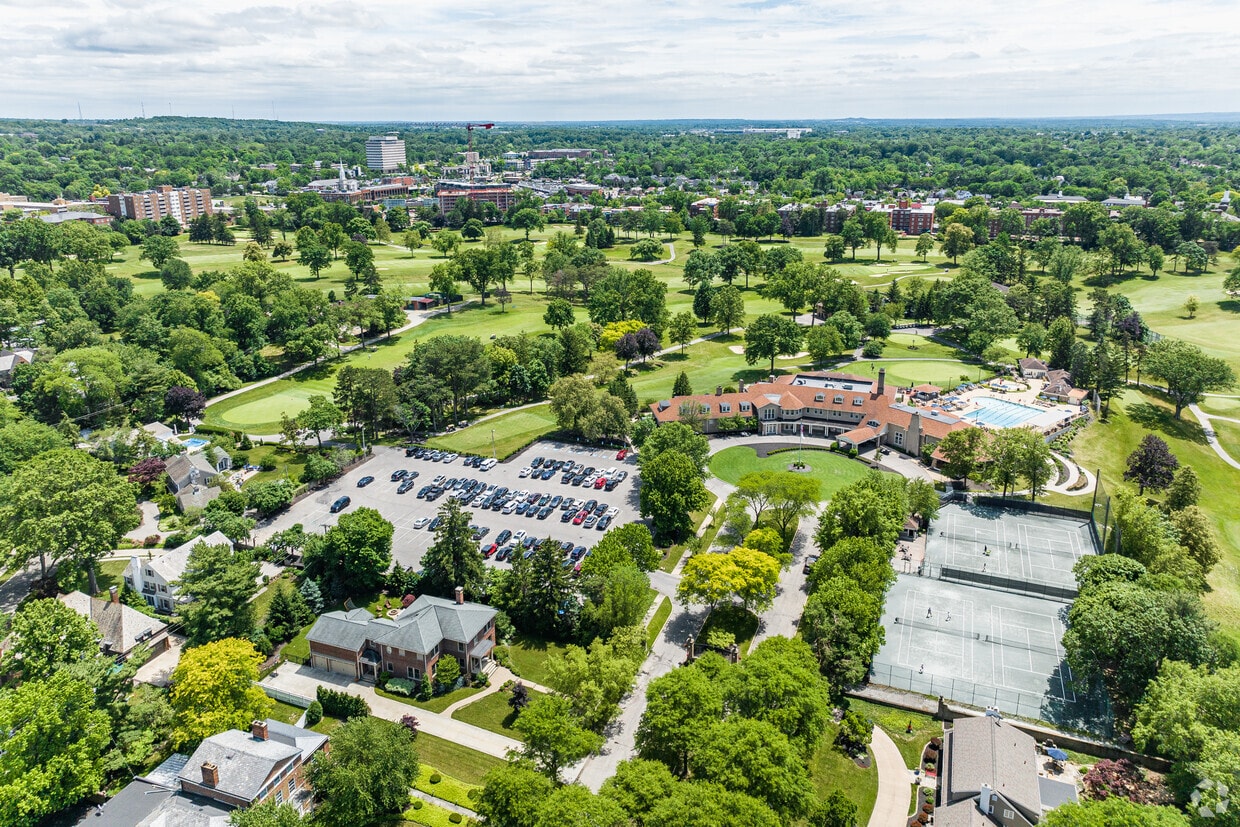
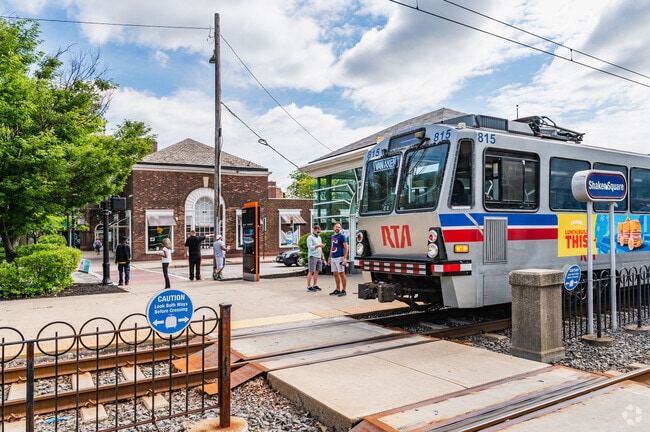
Shaker Heights was literally designed from scratch in the early 1900s by the Van Sweringen brothers, two railroad moguls who shaped every street, green space, and building setback before the first resident ever moved in. That deliberate planning still shows today — the city's tree-lined boulevards, Tudor Revival architecture, and distinct commercial nodes like Shaker Square and the Van Aken District give it a character most suburbs never manage to develop. Sitting right on Cleveland's eastern edge, it connects to downtown via the Shaker Rapid Transit in roughly 15 minutes, making it one of the more transit-accessible communities in northeast Ohio.
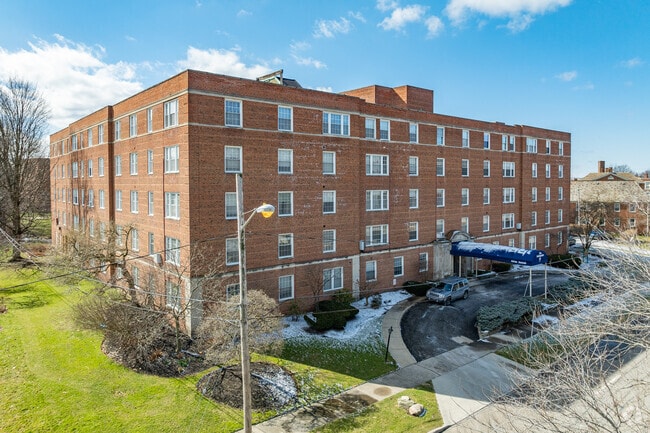
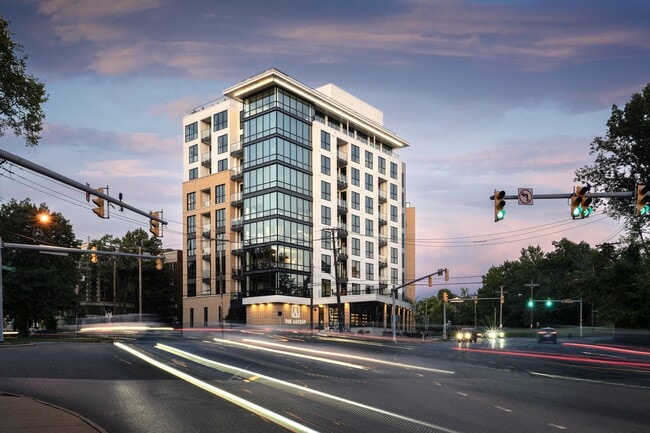
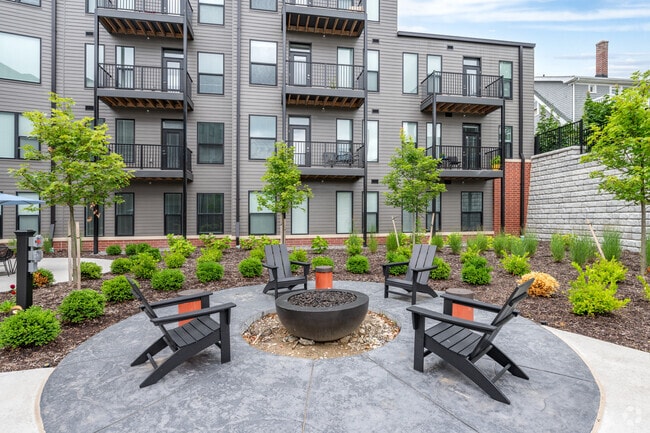
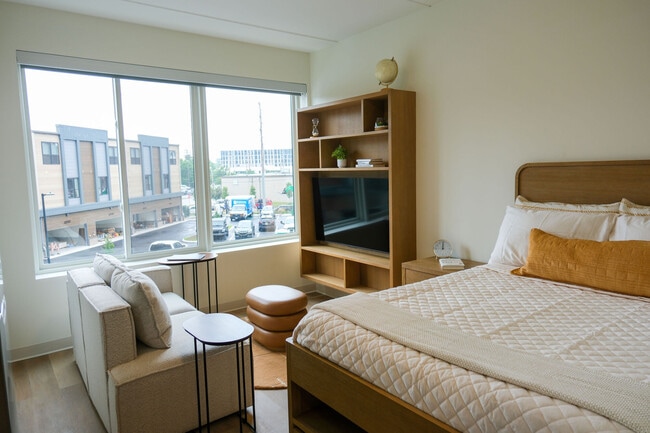
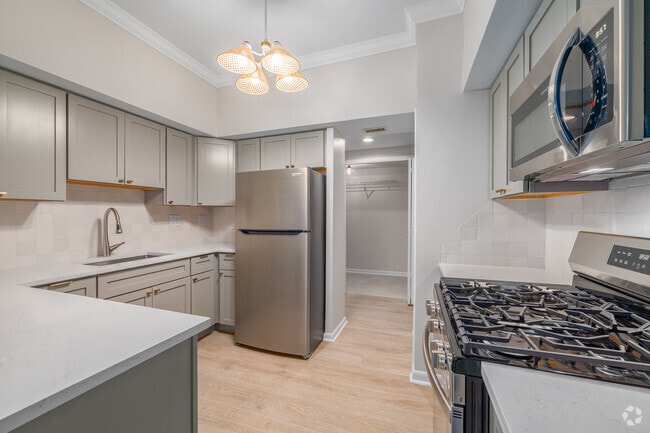
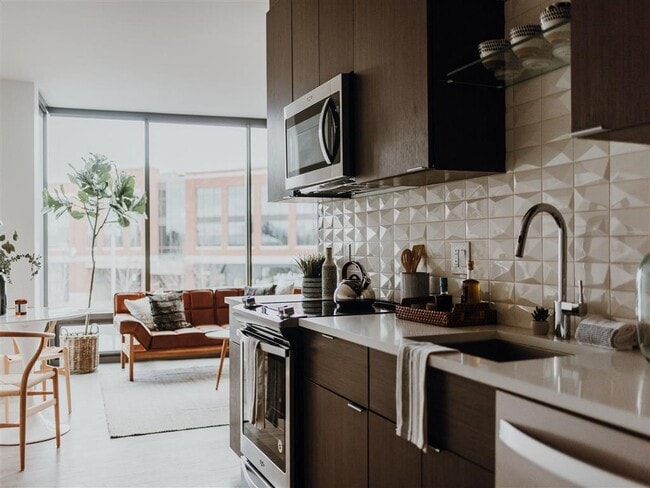
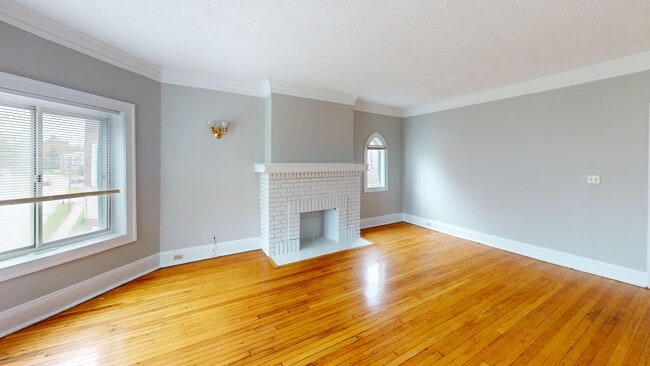
The housing mix reflects the city's layered history. Grand single-family homes anchor quiet residential streets, while vintage apartment communities and newer mixed-use buildings offer solid rental options for those who want walkable access to shops and services. The Shaker Heights City School District draws consistent attention as one of the stronger public school systems in the state. Every summer, the Shaker Heights Arts and Music Festival turns the community's parks into a gathering spot for live performances and local vendors — a tradition that's been bringing residents together for years.
Shaker Heights locals love to take in some fresh air at The Nature Center at Shaker Lakes.
Locals in the Shaker Heights area frequently use the RTA.
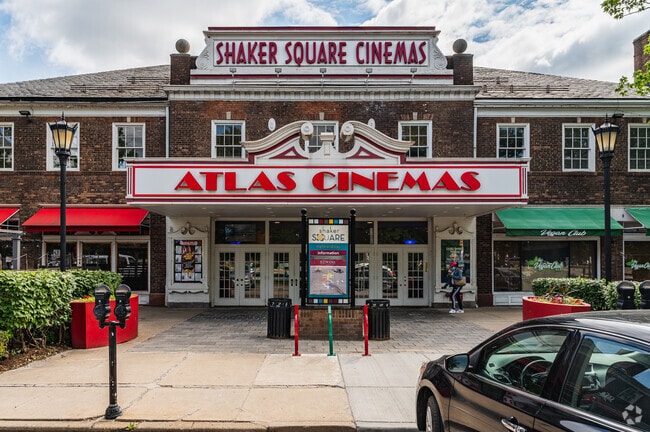
Catch a movie at Atlas Cinemas in Shaker Heights.
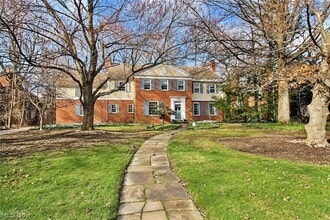
Large estates are found all over Shaker Heights.
Relax at the meditation terrace at The Nature Center at Shaker Lakes in Shaker Heights.
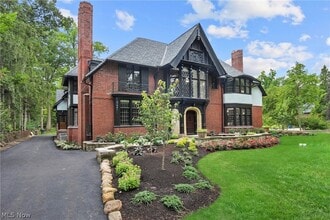
A large English Tudor-style home overlooks a well-maintained lawn in Shaker Heights.
Median Household Income
$96,506
Average: $133,173
Education
14,510
Residents Have a Degree
Job Market
14,109
Workers Employed
Median Age
42 Years
Largest Age Group
10-19 Years
Approximately 14% of Residents
Under 20
25%
Over 65
21%
Housing Distribution
Shaker Heights has more homeowners than renters.

Education Distribution
Review this city's overall education levels.

As of September 2026, the average apartment rent in Shaker Heights, OH is $782 for a studio, $1,234 for one bedroom, $1,373 for two bedrooms, and $2,405 for three bedrooms. Apartment rent in Shaker Heights has increased by 1.9% in the past year.
Explore how walkable, bikeable, drivable, and transit-friendly Shaker Heights, OH is for everyday living.
Fairly Walkable
Walkability
Limited Public Transit
Transit
Very Drivable
Drivability
Fairly Bikeable
Bikeability

Public
Grades PK-5
467 Students

Public
Grades K-5
376 Students

Public
Grades K-5
327 Students
Public
Grades K-5
397 Students

Public
Grades K-5
467 Students

Public
Grades 6-8
936 Students
Public
Grades 9-12
1,370 Students
 The GreatSchools Rating helps parents compare schools within a state based on a variety of school quality indicators and provides a helpful picture of how effectively each school serves all of its students. Ratings are on a scale of 1 (below average) to 10 (above average) and can include test scores, college readiness, academic progress, advanced courses, equity, discipline and attendance data. We also advise parents to visit schools, consider other information on school performance and programs, and consider family needs as part of the school selection process.
View GreatSchools Rating Methodology
Data provided by
GreatSchools.org
© 2026. All rights reserved.
The GreatSchools Rating helps parents compare schools within a state based on a variety of school quality indicators and provides a helpful picture of how effectively each school serves all of its students. Ratings are on a scale of 1 (below average) to 10 (above average) and can include test scores, college readiness, academic progress, advanced courses, equity, discipline and attendance data. We also advise parents to visit schools, consider other information on school performance and programs, and consider family needs as part of the school selection process.
View GreatSchools Rating Methodology
Data provided by
GreatSchools.org
© 2026. All rights reserved.
† Our analysis of utilities, groceries, transportation, healthcare, home prices, and other goods and services is sourced from the Cost of Living Index, a respected benchmark published by the Council for Community and Economic Research (C2ER) that provides a thorough overview of living expenses across different regions.
Rent data is provided by CoStar Group’s Market Trend reports. As the industry leader in commercial real estate information, analytics, and news, CoStar conducts extensive research to produce and maintain a comprehensive database of commercial real estate information. We combine this data with public record to provide the most up-to-date rental information available.
Consumer goods, services, and home prices are sourced from the Cost of Living Index published by the Council for Community and Economic Research (C2ER). The data on this page is updated quarterly. It was last published in September 2026.
Demographic information comes from Neustar and combines detailed address data with U.S. Census and American Community Survey statistics to produce reliable local estimates.