Median Age
44 Years
Largest Age Group
60-69 Years
Approximately 14% of Residents
Under 20
22%
Over 65
25%
Avg Rent
$645
Population
19,665
Renter Mix
70% Rent
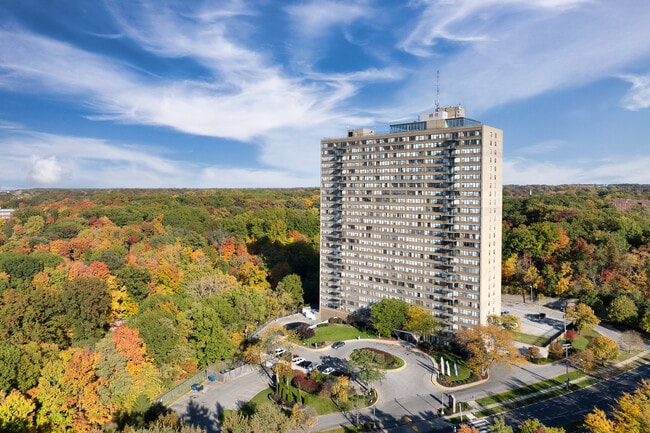
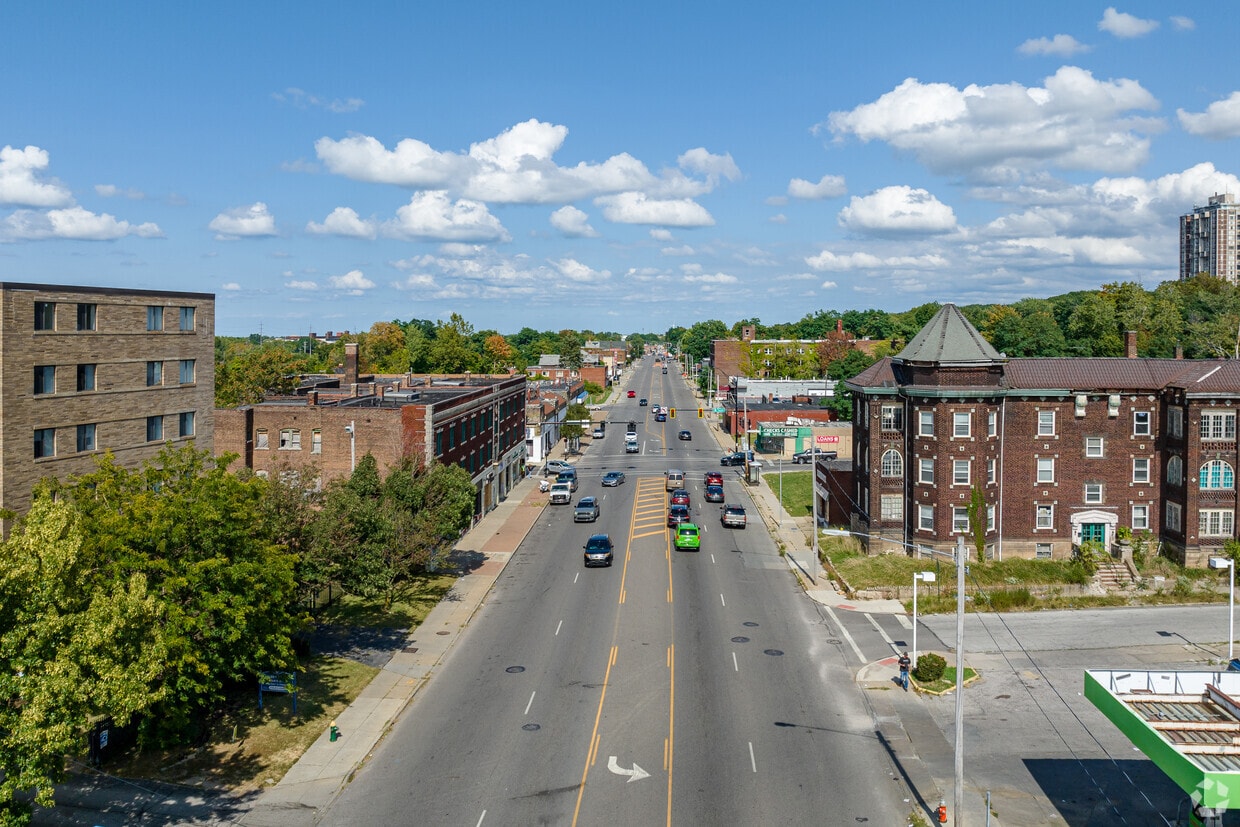
East Cleveland sits just east of downtown Cleveland on about four square miles of land, making it one of the more compact cities in Cuyahoga County. Its identity is anchored by Nela Park, the world's first industrial park, which serves as the operating headquarters for GE Lighting and earned a spot on the National Register of Historic Places in 1975. The city also borders Forest Hill Park, a 235-acre green space that was once part of John D. Rockefeller's estate and offers tennis courts, ball fields, and nature trails. Euclid Avenue functions as the main commercial corridor, connecting residents to everyday essentials, local eateries, and bus routes that run toward downtown Cleveland. The Red Line rail provides direct access to Cleveland's core and Hopkins International Airport, making the city a practical base for those who work or study in the broader metro area.
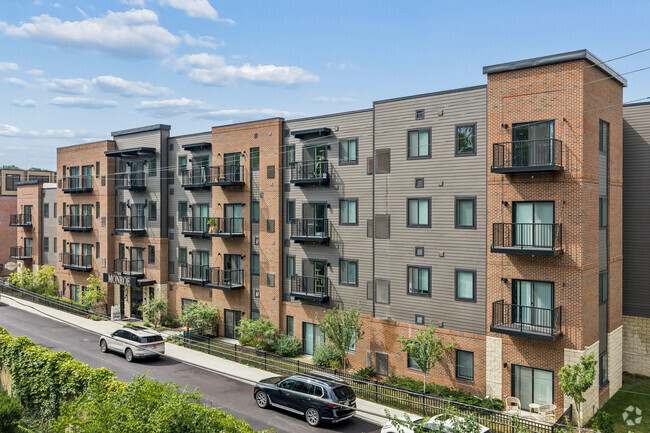
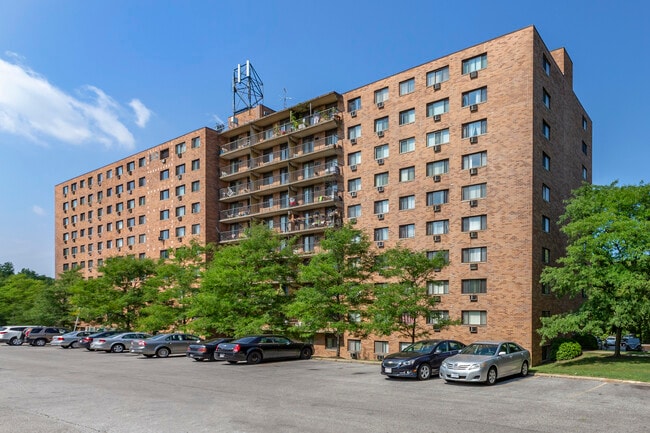
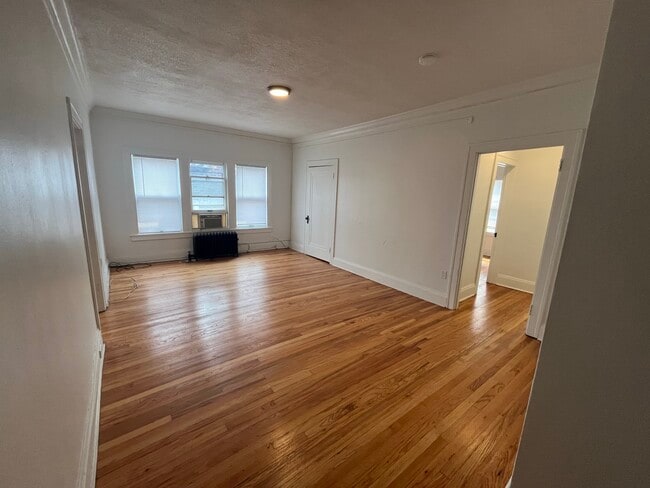
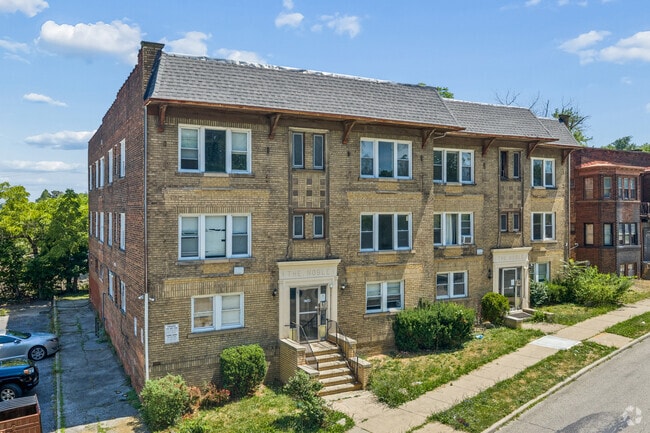
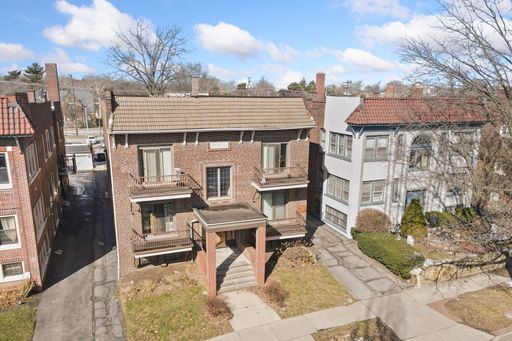
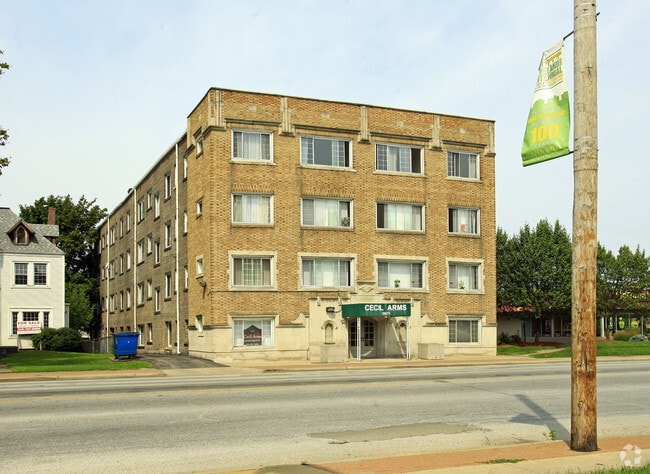
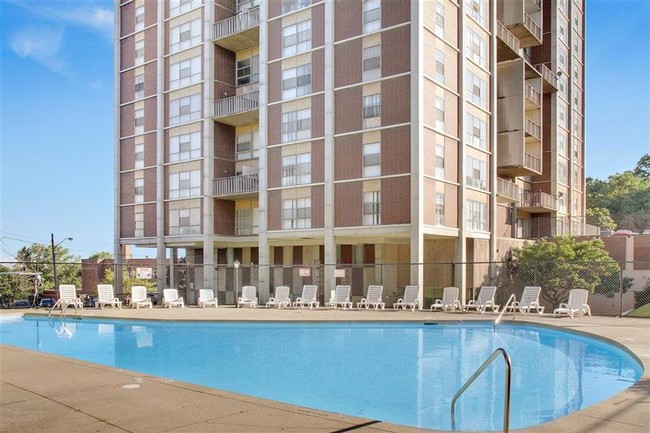
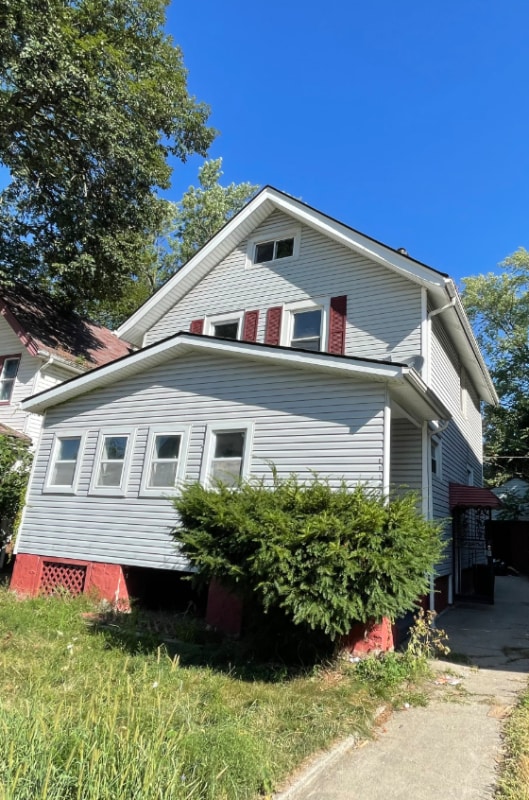
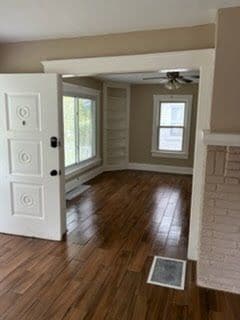
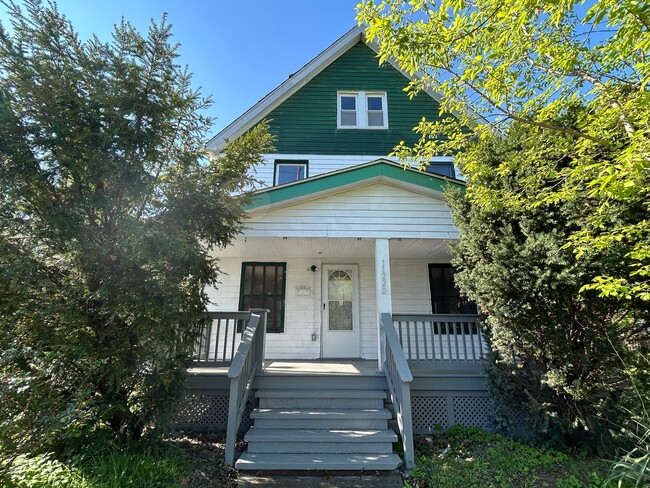
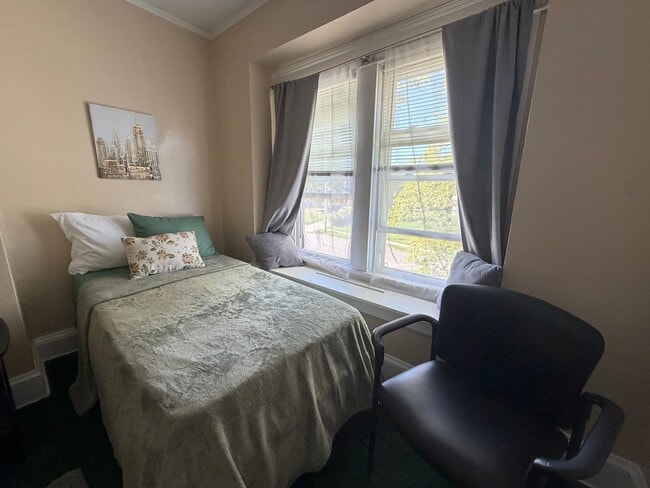
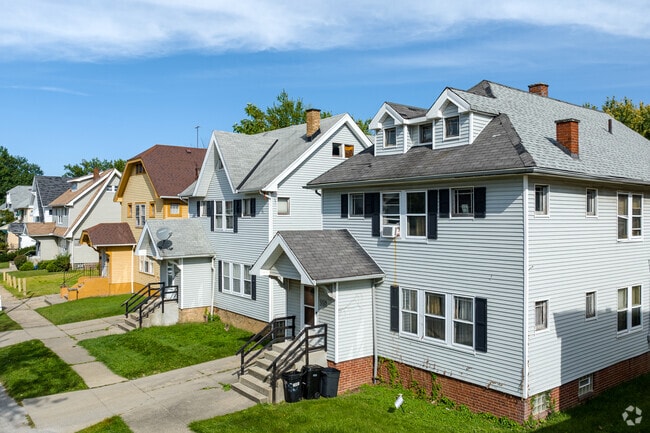
The rental market here leans accessible, with a mix of older single-family homes converted into multi-unit rentals, modest apartment communities, and a handful of duplexes spread across residential streets. Options range from studios to spacious three-bedroom units, giving renters real flexibility. The density stays low, the streets are mostly tree-lined, and the surrounding cities of Cleveland Heights and South Euclid add dining and retail options just minutes away.
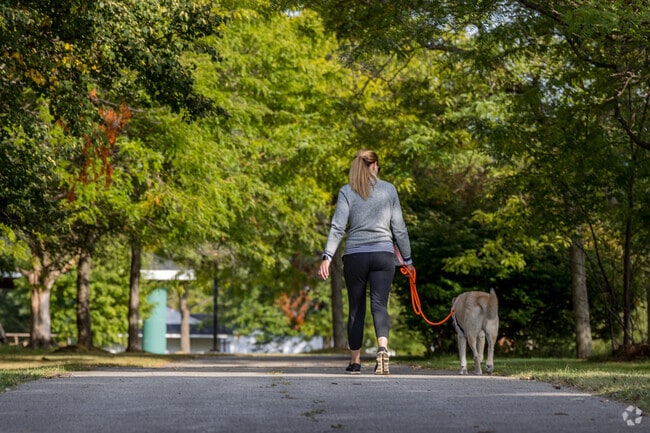
Take the pup for a walk around Forest Hill Park.
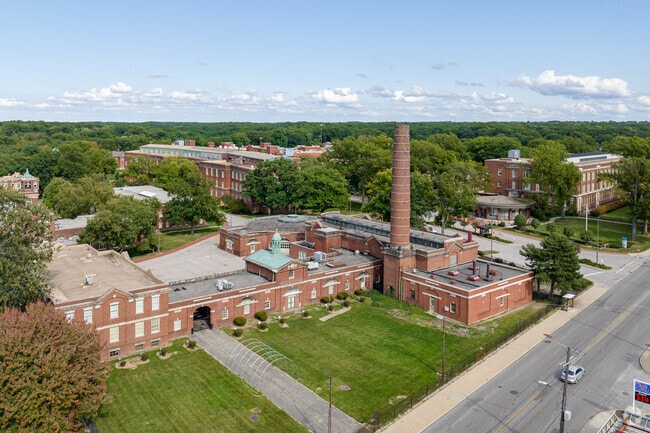
Nela Park was once the headquarters of GE Lighting, and is located in East Cleveland.
East Cleveland boasts a diverse collection of home styles, from Colonial to Tudor.
Tudor-influenced homes are common in parts of East Cleveland.
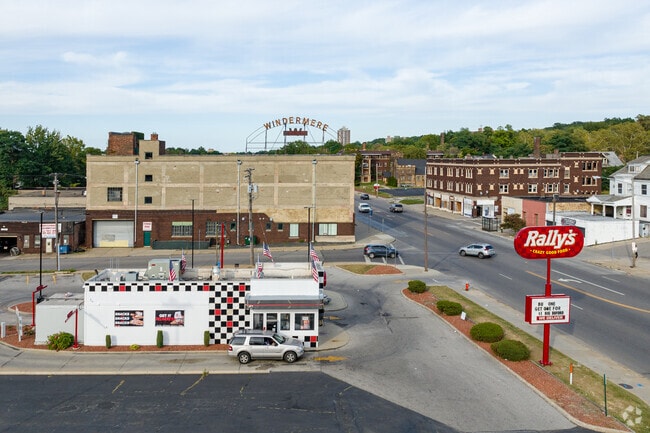
The eastern terminus for the Red Line, you can catch the RTA train at Stokes-Windermere.
Some neighborhoods of East Cleveland are full of larger estates.
Median Household Income
$22,018
Average: $36,163
Education
2,817
Residents Have a Degree
Job Market
7,503
Workers Employed
Median Age
44 Years
Largest Age Group
60-69 Years
Approximately 14% of Residents
Under 20
22%
Over 65
25%
Housing Distribution
East Cleveland has more renters than homeowners.

Education Distribution
Review this city's overall education levels.

As of September 2026, the average apartment rent in East Cleveland, OH is $460 for a studio, $647 for one bedroom, $806 for two bedrooms, and $918 for three bedrooms. Apartment rent in East Cleveland has increased by 1.8% in the past year.
Explore how walkable, bikeable, drivable, and transit-friendly East Cleveland, OH is for everyday living.
Fairly Walkable
Walkability
Good Public Transit
Transit
Very Drivable
Drivability
Fairly Bikeable
Bikeability

Superior School for the Performing Arts
Public
Grades K-8
119 Students

Public
Grades K-5
131 Students

Public
Grades PK-6
326 Students
Public
Grades K-5
230 Students

Public
Grades PK-6
167 Students
Public
Grades 6-8
199 Students
Superior School for the Performing Arts
Public
Grades K-8
119 Students
Public
Grades 9-12
385 Students
 The GreatSchools Rating helps parents compare schools within a state based on a variety of school quality indicators and provides a helpful picture of how effectively each school serves all of its students. Ratings are on a scale of 1 (below average) to 10 (above average) and can include test scores, college readiness, academic progress, advanced courses, equity, discipline and attendance data. We also advise parents to visit schools, consider other information on school performance and programs, and consider family needs as part of the school selection process.
View GreatSchools Rating Methodology
Data provided by
GreatSchools.org
© 2026. All rights reserved.
The GreatSchools Rating helps parents compare schools within a state based on a variety of school quality indicators and provides a helpful picture of how effectively each school serves all of its students. Ratings are on a scale of 1 (below average) to 10 (above average) and can include test scores, college readiness, academic progress, advanced courses, equity, discipline and attendance data. We also advise parents to visit schools, consider other information on school performance and programs, and consider family needs as part of the school selection process.
View GreatSchools Rating Methodology
Data provided by
GreatSchools.org
© 2026. All rights reserved.
† Our analysis of utilities, groceries, transportation, healthcare, home prices, and other goods and services is sourced from the Cost of Living Index, a respected benchmark published by the Council for Community and Economic Research (C2ER) that provides a thorough overview of living expenses across different regions.
Rent data is provided by CoStar Group’s Market Trend reports. As the industry leader in commercial real estate information, analytics, and news, CoStar conducts extensive research to produce and maintain a comprehensive database of commercial real estate information. We combine this data with public record to provide the most up-to-date rental information available.
Consumer goods, services, and home prices are sourced from the Cost of Living Index published by the Council for Community and Economic Research (C2ER). The data on this page is updated quarterly. It was last published in September 2026.
Demographic information comes from Neustar and combines detailed address data with U.S. Census and American Community Survey statistics to produce reliable local estimates.