Median Age
44 Years
Largest Age Group
55-64 Years
Approximately 14% of Residents
Under 20
20%
Over 65
22%



Avg Rent
$2,607
Population
28,766
Renter Mix
25% Rent
Saugus is where the American iron and steel industry got its start, and the town hasn’t lost its grounded, no-frills character since. Sitting about 12 miles north of Boston, this Essex County town offers an easy escape from city energy without cutting ties to it. Breakheart Reservation draws outdoor enthusiasts year-round with its trails, swimming areas, and fishing spots, while the Rumney Marsh Reservation delivers a quieter, more contemplative natural experience along the water’s edge.
Daily life here moves at a comfortable pace. Route 1 keeps shopping and dining within reach, and the MBTA Commuter Rail makes downtown Boston a realistic option for those who work in the city. The Saugus Iron Works National Historic Site, a living piece of 17th-century history, anchors the town’s sense of identity in a way few landmarks can.
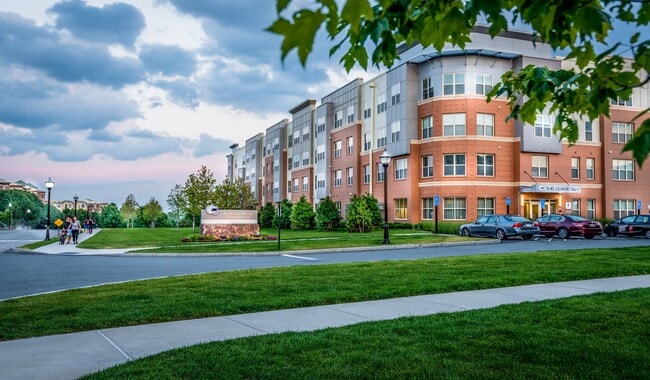
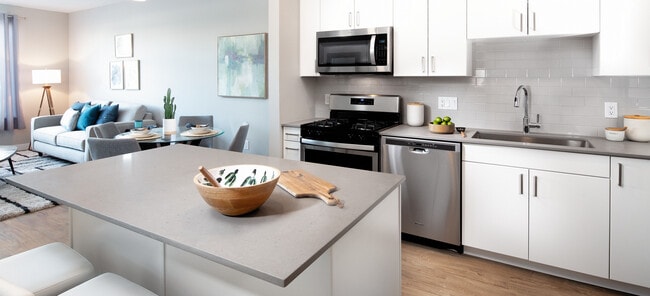
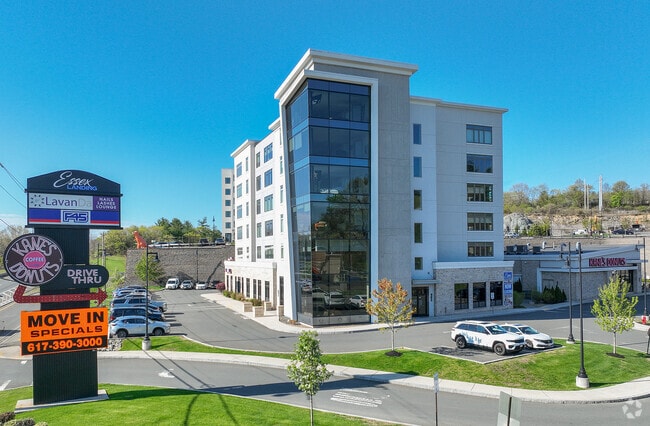
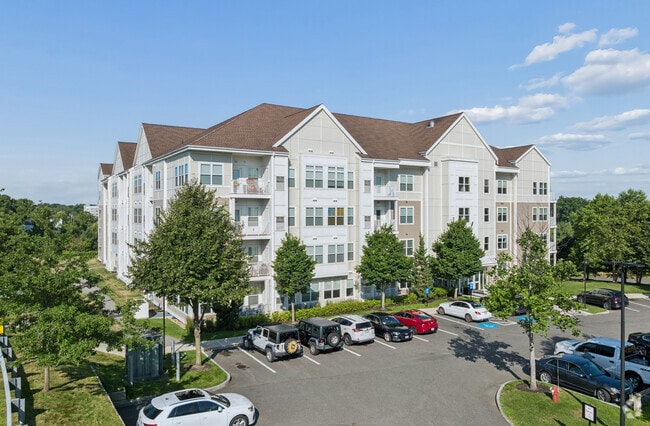
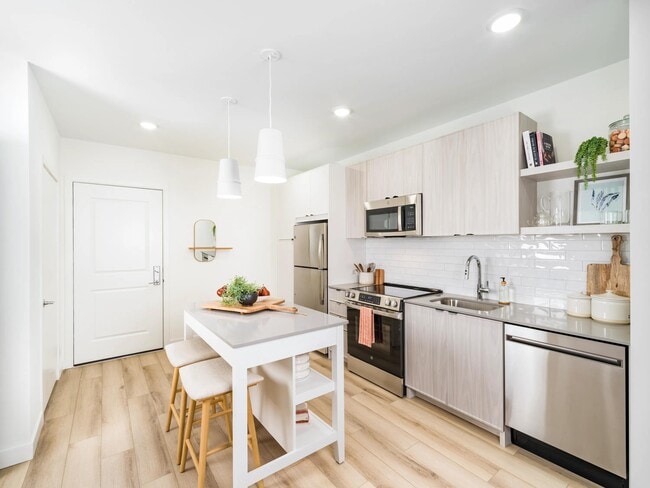
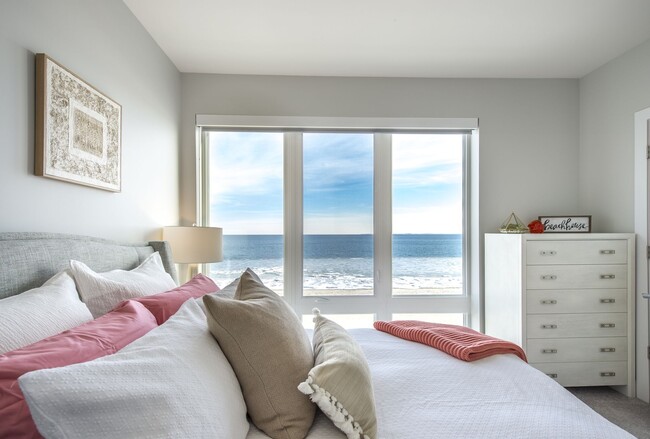
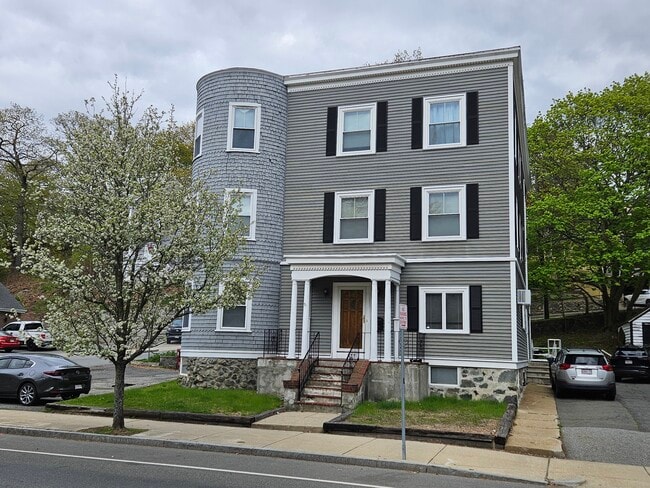
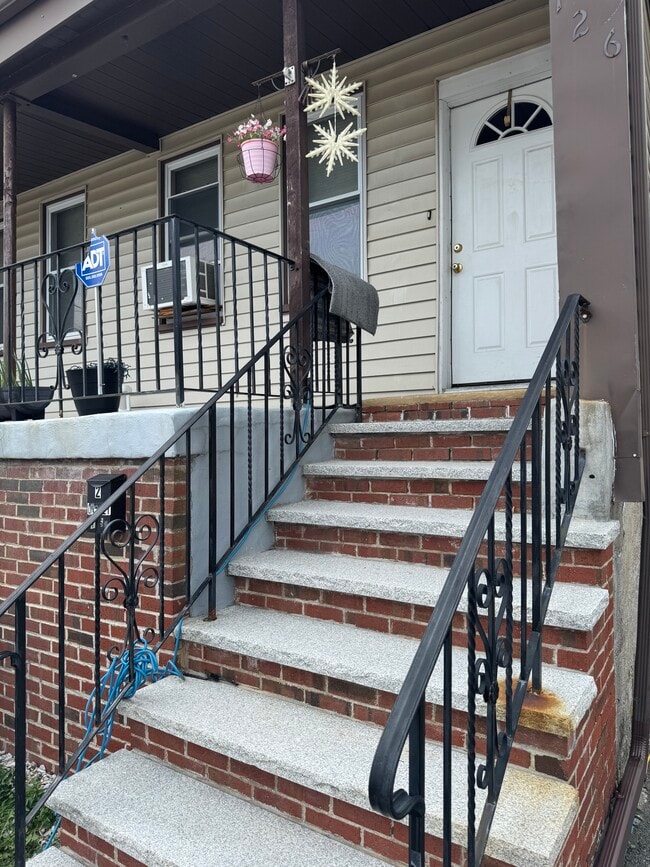
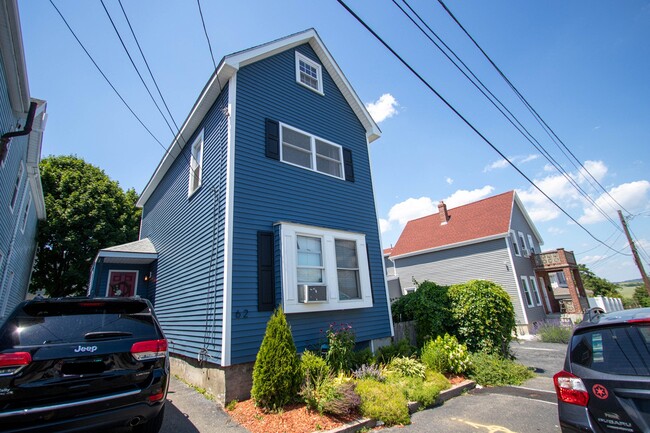
Rental options range from traditional New England-style multi-family homes to newer apartment communities that have gradually filled in along the main corridors. Whether you’re looking for a spacious two-bedroom near open green space or a cozy studio with a quick highway on-ramp, Saugus offers a solid range of choices at prices that tend to undercut those of closer-in Boston suburbs.
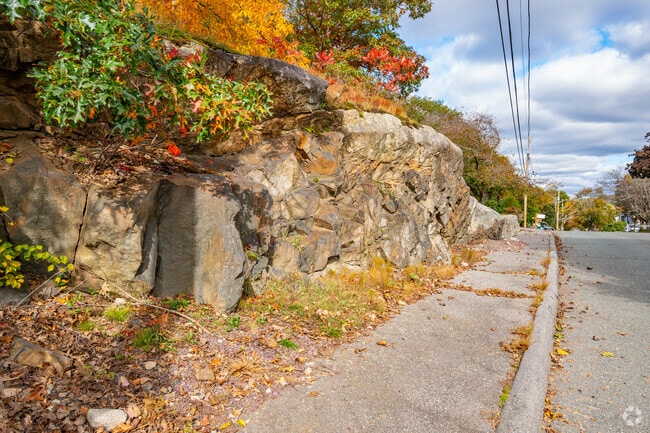
Some neighborhoods in Saugus have areas that are situated on rocky hills.
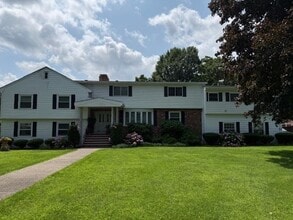
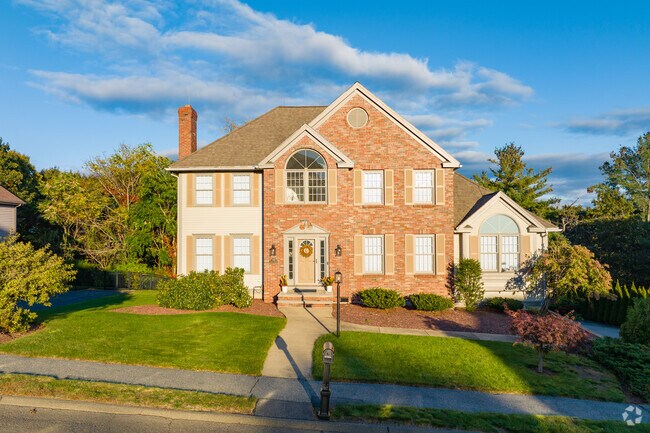
Saugus is home to some larger colonial homes.
Get a breath of the ocean air at the Rumney Reservation in Saugus.
Take a walk or go for a bike ride in Saugus at the Breakheart Reservation.
The Breakheart Reservation in Saugus is a fantastic place to go for a walk or hike.
A quick drive from Saugus lets you catch the commuter rail at Cedar Park.
Median Household Income
$98,822
Average: $116,074
Education
8,089
Residents Have a Degree
Job Market
15,992
Workers Employed
Median Age
44 Years
Largest Age Group
55-64 Years
Approximately 14% of Residents
Under 20
20%
Over 65
22%
Housing Distribution
Saugus has more homeowners than renters.

Education Distribution
Review this city's overall education levels.

As of July 2026, the average apartment rent in Saugus, MA is $2,387 for a studio, $2,606 for one bedroom, $3,301 for two bedrooms, and $3,834 for three bedrooms. Apartment rent in Saugus has increased by 1.2% in the past year.
Explore how walkable, bikeable, drivable, and transit-friendly Saugus, MA is for everyday living.
Fairly Walkable
Walkability
Limited Public Transit
Transit
Moderately Drivable
Drivability
Moderately Bikeable
Bikeability

Pioneer Charter School Of Science II (PCSS-II)
Public
Grades K-12
684 Students

Public
Grades K-5
815 Students

Veterans Early Learning Center
Public
Grades PK-5
492 Students

Public
Grades K-5
270 Students
Public
Grades K-5
240 Students
Pioneer Charter School Of Science II (PCSS-II)
Public
Grades K-12
684 Students
Public
Grades 6-8
612 Students
Public
Grades 6-8
612 Students
Pioneer Charter School Of Science II (PCSS-II)
Public
Grades K-12
684 Students
Public
Grades 9-12
695 Students
Public
Grades 9-12
695 Students
 The GreatSchools Rating helps parents compare schools within a state based on a variety of school quality indicators and provides a helpful picture of how effectively each school serves all of its students. Ratings are on a scale of 1 (below average) to 10 (above average) and can include test scores, college readiness, academic progress, advanced courses, equity, discipline and attendance data. We also advise parents to visit schools, consider other information on school performance and programs, and consider family needs as part of the school selection process.
View GreatSchools Rating Methodology
Data provided by
GreatSchools.org
© 2026. All rights reserved.
The GreatSchools Rating helps parents compare schools within a state based on a variety of school quality indicators and provides a helpful picture of how effectively each school serves all of its students. Ratings are on a scale of 1 (below average) to 10 (above average) and can include test scores, college readiness, academic progress, advanced courses, equity, discipline and attendance data. We also advise parents to visit schools, consider other information on school performance and programs, and consider family needs as part of the school selection process.
View GreatSchools Rating Methodology
Data provided by
GreatSchools.org
© 2026. All rights reserved.
† Our analysis of utilities, groceries, transportation, healthcare, home prices, and other goods and services is sourced from the Cost of Living Index, a respected benchmark published by the Council for Community and Economic Research (C2ER) that provides a thorough overview of living expenses across different regions.
Rent data is provided by CoStar Group’s Market Trend reports. As the industry leader in commercial real estate information, analytics, and news, CoStar conducts extensive research to produce and maintain a comprehensive database of commercial real estate information. We combine this data with public record to provide the most up-to-date rental information available.
Consumer goods, services, and home prices are sourced from the Cost of Living Index published by the Council for Community and Economic Research (C2ER). The data on this page is updated quarterly. It was last published in June 2026.
Demographic information comes from Neustar and combines detailed address data with U.S. Census and American Community Survey statistics to produce reliable local estimates.