Median Age
49 Years
Largest Age Group
55-64 Years
Approximately 16% of Residents
Under 20
21%
Over 65
26%
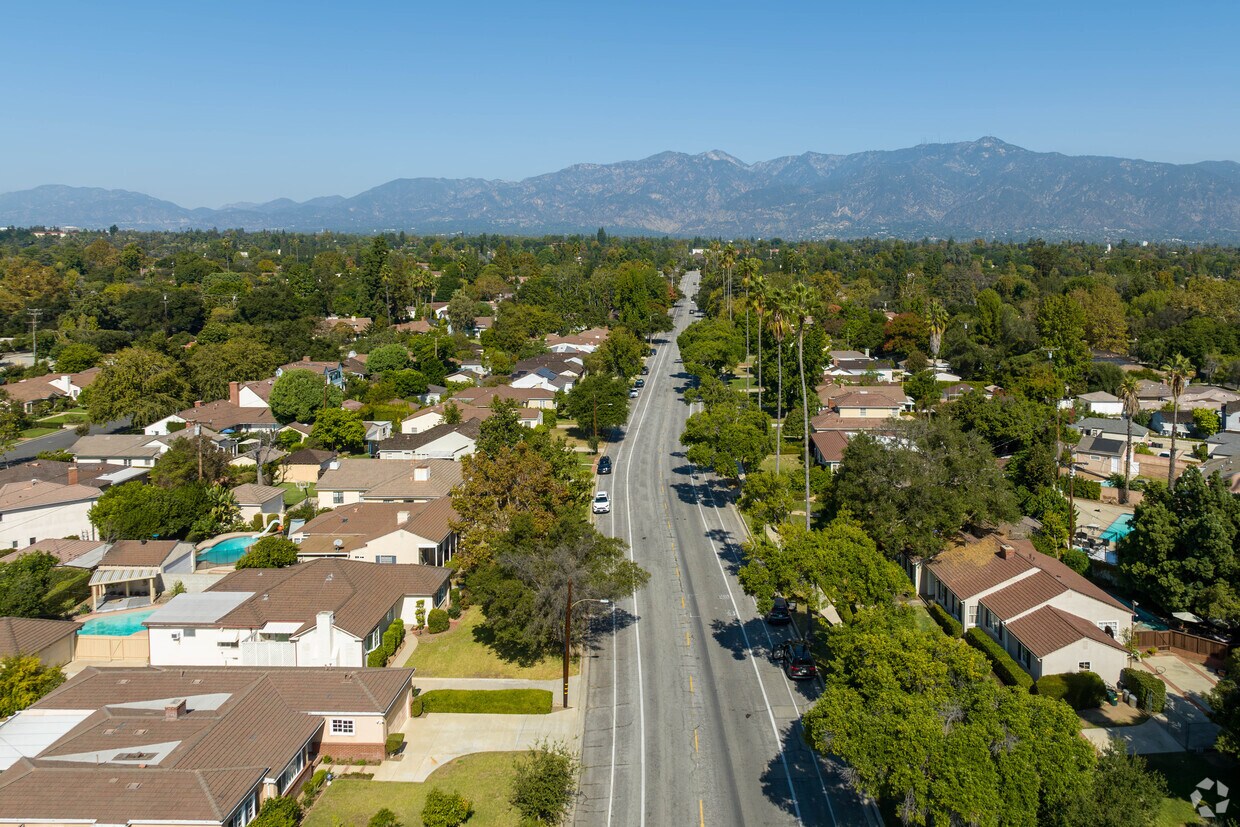
San Marino is a small, well-established city in Los Angeles County, located about 12 miles northeast of Downtown Los Angeles along the southern edge of Pasadena. Incorporated in 1913, the city covers just four square miles and is home to roughly 12,000 residents. The world-renowned Huntington Library, Art Museum, and Botanical Gardens sits within the city and draws visitors from across the country. If you are looking at apartments for rent in San Marino, you will find a quiet, low-density community set apart from the bustle of larger neighboring cities.
The rental market in San Marino is primarily made up of single-family homes, with some condos and townhomes available throughout the city's tree-lined residential streets. Huntington Drive is the main commercial corridor, lined with local restaurants, specialty shops, and coffeehouses. Renters living here can also reach the Los Angeles County Arboretum and Eaton Canyon Nature Center within a short drive. The area sits close to Caltech, Pasadena City College, and the Art Center College of Design, making it a practical location for those connected to any of these institutions.
Getting around from San Marino is straightforward. Several Metro Gold Line (A Line) stations, including South Pasadena and Fillmore Station, are within a short drive, connecting residents to the broader Los Angeles rail network. Union Station in Downtown Los Angeles is approximately 11 miles away and reachable in about 19 minutes by car, offering Metrolink commuter rail connections to destinations across Southern California. Bob Hope Airport in Burbank is about 20 miles away, and Los Angeles International Airport is roughly 28 miles away. With its close access to major employment hubs in Pasadena and Los Angeles, and its walkable local commercial district, San Marino offers a calm, residential setting for renters who want proximity to a major metro area without living in the middle of it.
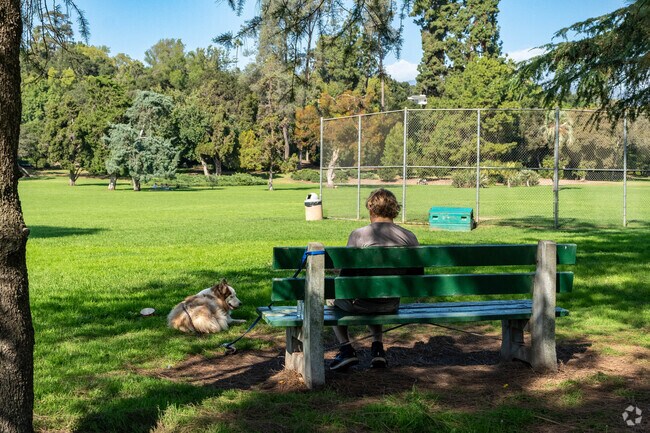
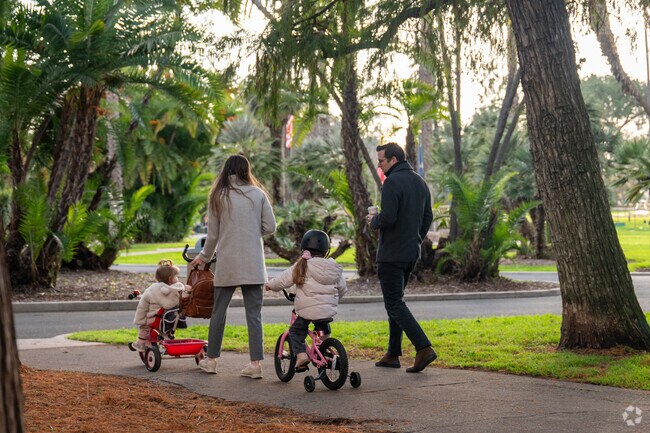
San Marino park offers scenic walks for locals in San Marino.
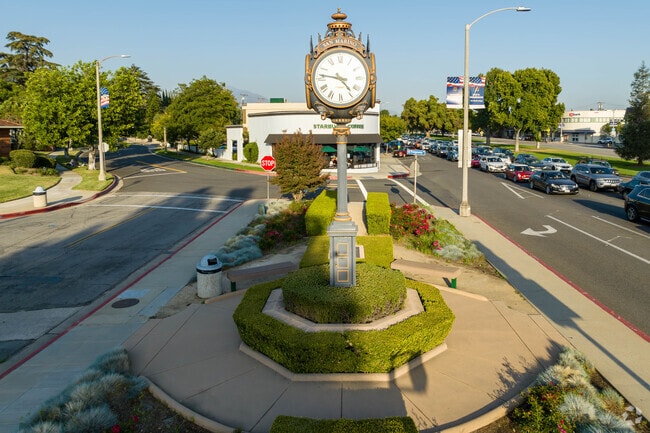
San Marino's clock tower stands off Huntington Drive near City Hall.
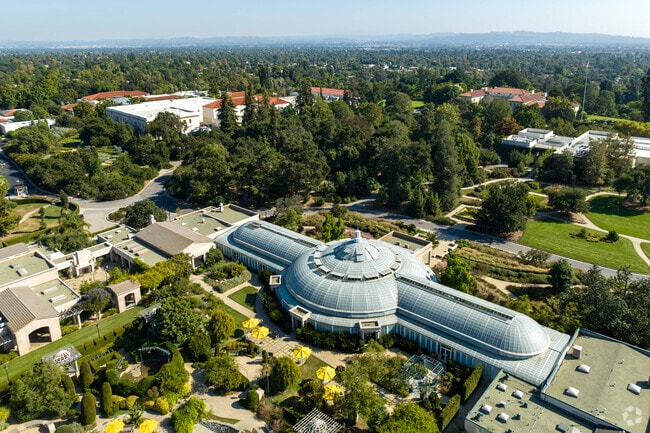
The Huntington Library is a sprawling 207-acre estate and is an unparalleled cultural experience in San Marino.
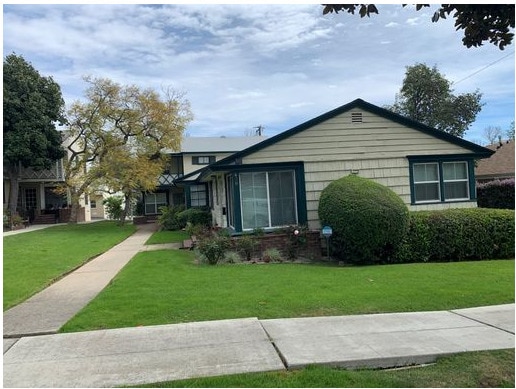
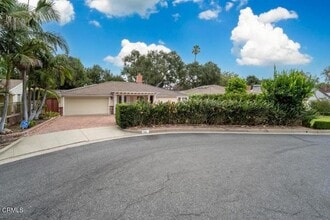
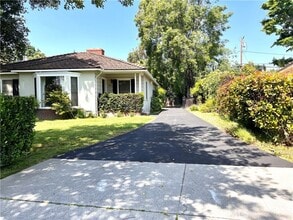
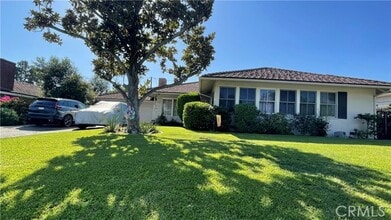
Neighborhoods offer quiet streets lined with homes in San Marino.
Dining and retail centers in San Marino are centered around Huntington Drive.
General Patton Memorial is a historical landmark in Lacy Park.
Median Household Income
$189,804
Average: $199,884
Education
7,303
Residents Have a Degree
Job Market
5,744
Workers Employed
Median Age
49 Years
Largest Age Group
55-64 Years
Approximately 16% of Residents
Under 20
21%
Over 65
26%
Housing Distribution
San Marino has more homeowners than renters.

Education Distribution
Review this city's overall education levels.

Explore how walkable, bikeable, drivable, and transit-friendly San Marino, CA is for everyday living.
Fairly Walkable
Walkability
Limited Public Transit
Transit
Moderately Drivable
Drivability
Moderately Bikeable
Bikeability

Public
Grades K-5
777 Students

Public
Grades K-5
711 Students
Public
Grades 6-8
709 Students

Public
Grades 9-12
886 Students
Public
Grades 9-12
886 Students
 The GreatSchools Rating helps parents compare schools within a state based on a variety of school quality indicators and provides a helpful picture of how effectively each school serves all of its students. Ratings are on a scale of 1 (below average) to 10 (above average) and can include test scores, college readiness, academic progress, advanced courses, equity, discipline and attendance data. We also advise parents to visit schools, consider other information on school performance and programs, and consider family needs as part of the school selection process.
View GreatSchools Rating Methodology
Data provided by
GreatSchools.org
© 2026. All rights reserved.
The GreatSchools Rating helps parents compare schools within a state based on a variety of school quality indicators and provides a helpful picture of how effectively each school serves all of its students. Ratings are on a scale of 1 (below average) to 10 (above average) and can include test scores, college readiness, academic progress, advanced courses, equity, discipline and attendance data. We also advise parents to visit schools, consider other information on school performance and programs, and consider family needs as part of the school selection process.
View GreatSchools Rating Methodology
Data provided by
GreatSchools.org
© 2026. All rights reserved.
† Our analysis of utilities, groceries, transportation, healthcare, home prices, and other goods and services is sourced from the Cost of Living Index, a respected benchmark published by the Council for Community and Economic Research (C2ER) that provides a thorough overview of living expenses across different regions.
Rent data is provided by CoStar Group’s Market Trend reports. As the industry leader in commercial real estate information, analytics, and news, CoStar conducts extensive research to produce and maintain a comprehensive database of commercial real estate information. We combine this data with public record to provide the most up-to-date rental information available.
Consumer goods, services, and home prices are sourced from the Cost of Living Index published by the Council for Community and Economic Research (C2ER). The data on this page is updated quarterly. It was last published in September 2026.
Demographic information comes from Neustar and combines detailed address data with U.S. Census and American Community Survey statistics to produce reliable local estimates.