Median Age
31 Years
Largest Age Group
20-29 Years
Approximately 24% of Residents
Under 20
24%
Over 65
14%


Avg Rent
$1,232
Population
16,276
Renter Mix
40% Rent
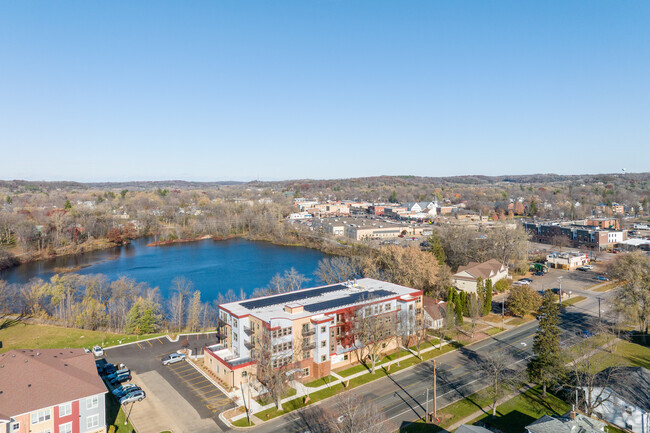
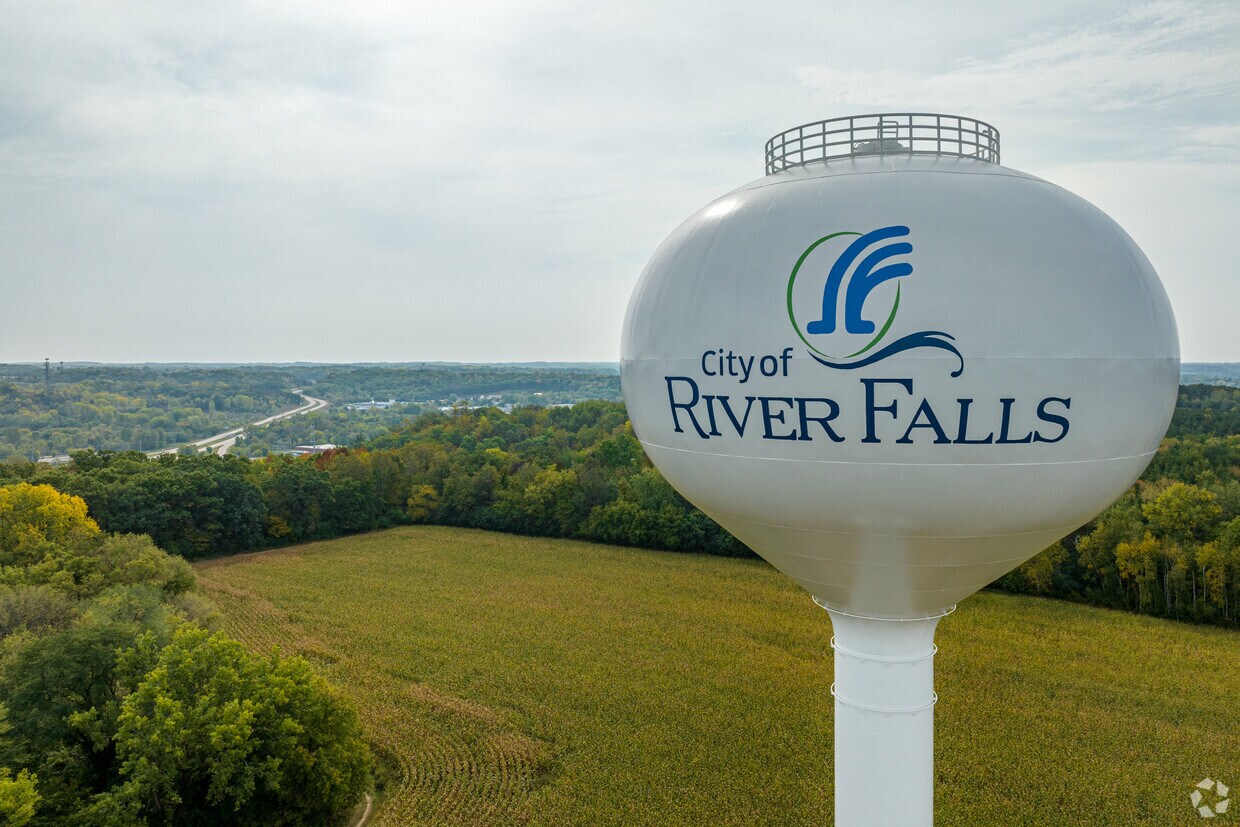
Tucked along the banks of the Kinnickinnic River in northwest Wisconsin, River Falls blends outdoor adventure with small-city charm just 30 minutes east of Saint Paul. The University of Wisconsin-River Falls anchors the community, fueling a vibrant arts and music scene that punches above the city's weight. Hoffman Park offers picnics and hiking, while the Kinnickinnic River draws fly-fishing enthusiasts from across the region. Downtown features a walkable stretch of locally owned shops and eateries, with easy freeway access putting the Twin Cities' dining, sports, and culture within reach.
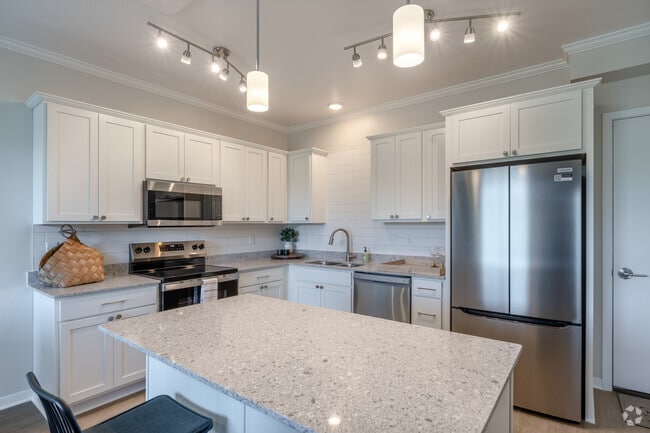
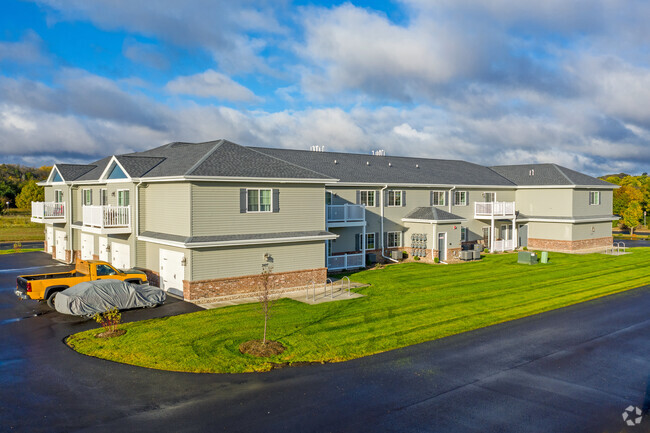
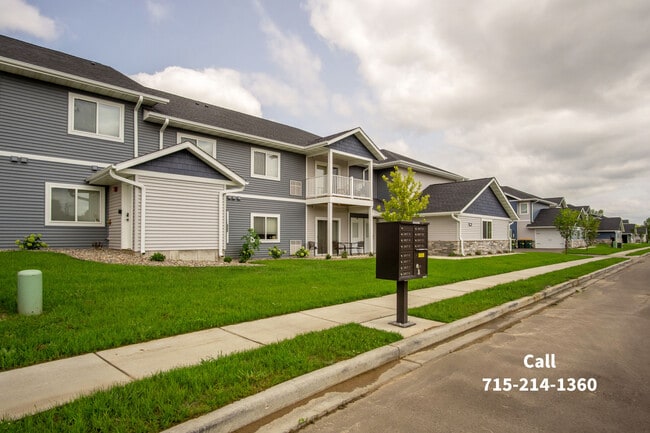
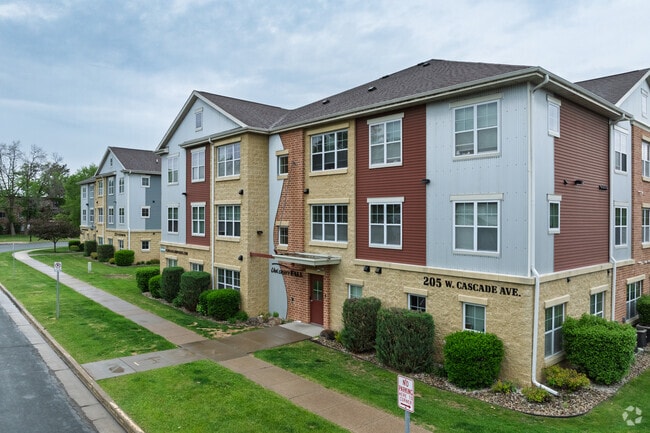
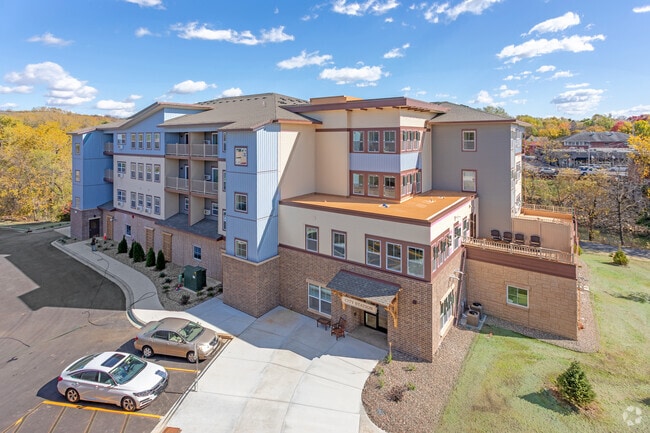
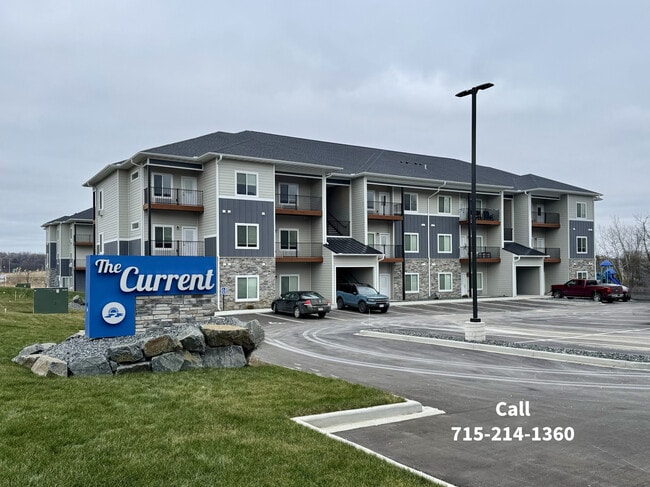
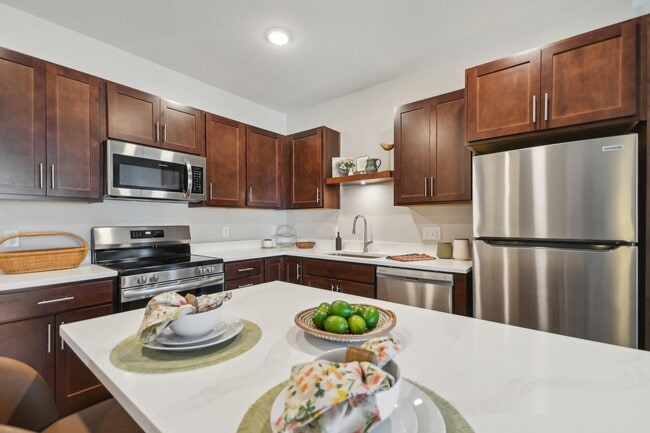
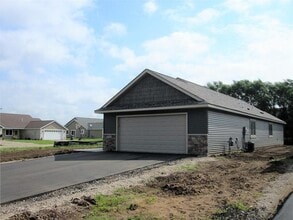
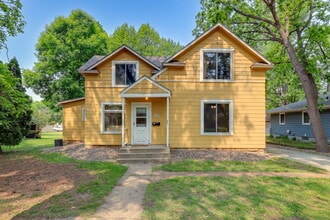
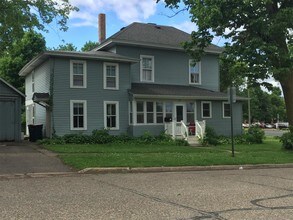
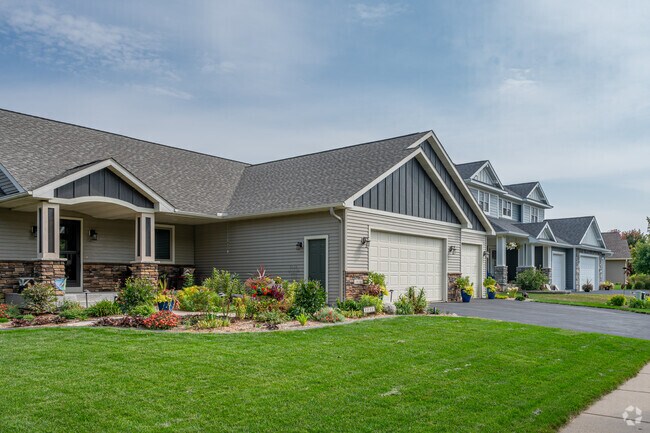
The rental market reflects the city's compact scale. Renters find apartment communities, townhomes, and multi-unit residences near campus or in quieter residential areas. Options range from studios to spacious multi-bedroom layouts for roommates or those wanting extra space. River Falls hosts the Fall Festival annually—a community tradition filling downtown with live music, local vendors, and neighborhood energy that makes small cities feel just right.
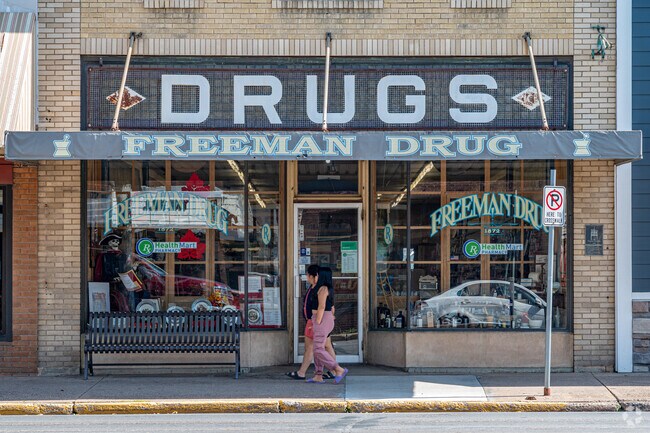
Opened in 1872, Freeman Drug continues to serve the River Falls community.
Selah Vie Bistro & Coffee Cottage is a great place to study, after the morning rush of course.
Find your next story Fox Den Books in River Falls
The Kinnickinnic River flows through the heart of River Falls, providing scenes of serenity.
The Swinging Bridge at Glen Park in River Falls was built in 1925.
With minimal public transportation, bikes are often the easiest way to get around River Falls.
Median Household Income
$73,345
Average: $94,415
Education
5,285
Residents Have a Degree
Job Market
8,914
Workers Employed
Median Age
31 Years
Largest Age Group
20-29 Years
Approximately 24% of Residents
Under 20
24%
Over 65
14%
Housing Distribution
River Falls has more homeowners than renters.

Education Distribution
Review this city's overall education levels.

As of September 2026, the average apartment rent in River Falls, WI is $1,277 for a studio, $1,229 for one bedroom, $1,312 for two bedrooms, and $1,730 for three bedrooms. Apartment rent in River Falls has increased by 4.1% in the past year.
Explore how walkable, bikeable, drivable, and transit-friendly River Falls, WI is for everyday living.
Fairly Walkable
Walkability
Exceptionally Drivable
Drivability
Fairly Bikeable
Bikeability

River Falls Public Montessori Academy
Public
Grades PK-5
189 Students

Public
Grades PK-5
408 Students

Public
Grades PK-5
408 Students
Rocky Branch Elementary School
Public
Grades PK-5
441 Students

Public
Grades K-5
392 Students
Public
Grades 6-8
725 Students

Public
Grades 9-12
1,062 Students

Public
Grades 9-12
49 Students

 The GreatSchools Rating helps parents compare schools within a state based on a variety of school quality indicators and provides a helpful picture of how effectively each school serves all of its students. Ratings are on a scale of 1 (below average) to 10 (above average) and can include test scores, college readiness, academic progress, advanced courses, equity, discipline and attendance data. We also advise parents to visit schools, consider other information on school performance and programs, and consider family needs as part of the school selection process.
View GreatSchools Rating Methodology
Data provided by
GreatSchools.org
© 2026. All rights reserved.
The GreatSchools Rating helps parents compare schools within a state based on a variety of school quality indicators and provides a helpful picture of how effectively each school serves all of its students. Ratings are on a scale of 1 (below average) to 10 (above average) and can include test scores, college readiness, academic progress, advanced courses, equity, discipline and attendance data. We also advise parents to visit schools, consider other information on school performance and programs, and consider family needs as part of the school selection process.
View GreatSchools Rating Methodology
Data provided by
GreatSchools.org
© 2026. All rights reserved.
† Our analysis of utilities, groceries, transportation, healthcare, home prices, and other goods and services is sourced from the Cost of Living Index, a respected benchmark published by the Council for Community and Economic Research (C2ER) that provides a thorough overview of living expenses across different regions.
Rent data is provided by CoStar Group’s Market Trend reports. As the industry leader in commercial real estate information, analytics, and news, CoStar conducts extensive research to produce and maintain a comprehensive database of commercial real estate information. We combine this data with public record to provide the most up-to-date rental information available.
Consumer goods, services, and home prices are sourced from the Cost of Living Index published by the Council for Community and Economic Research (C2ER). The data on this page is updated quarterly. It was last published in September 2026.
Demographic information comes from Neustar and combines detailed address data with U.S. Census and American Community Survey statistics to produce reliable local estimates.