Median Age
38 Years
Largest Age Group
20-29 Years
Approximately 16% of Residents
Under 20
23%
Over 65
16%

Ann Arbor gets a lot of the attention, but Pittsfield Township -- its quieter, more affordable neighbor just to the south -- offers suburban ease without sacrificing access to one of Michigan's most celebrated towns. Stretching across 28 square miles, the township mixes open farmland, wooded nature preserves, and well-established residential areas. Getting around on foot is easy in many corridors, and the 4-mile Lohr-Textile Greenway puts downtown Ann Arbor's dining, markets, and events within reach for cyclists and walkers alike. Popular pockets include subdivisions along the western and eastern ends, each with their own shopping plazas, local eateries, and park access.
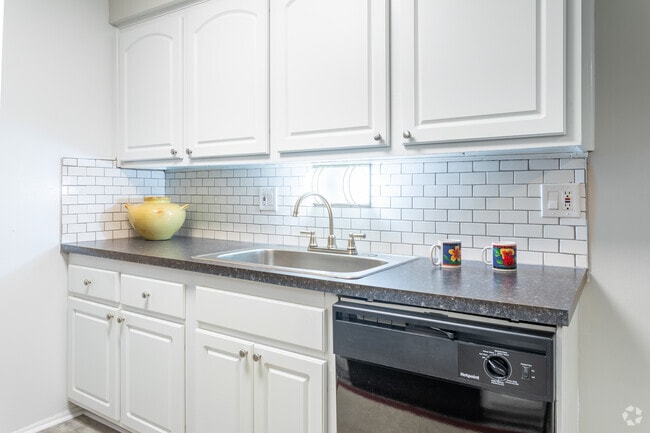
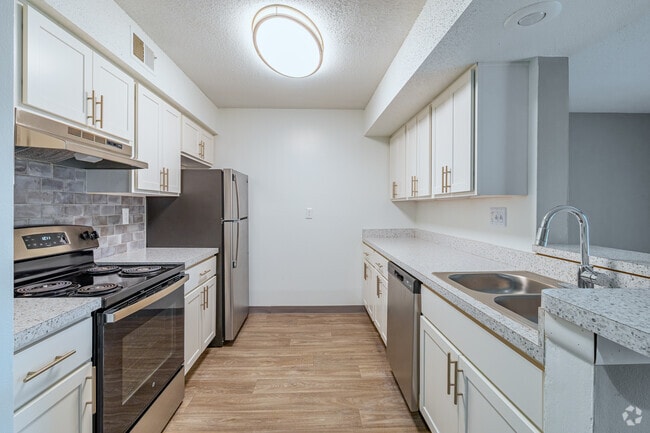
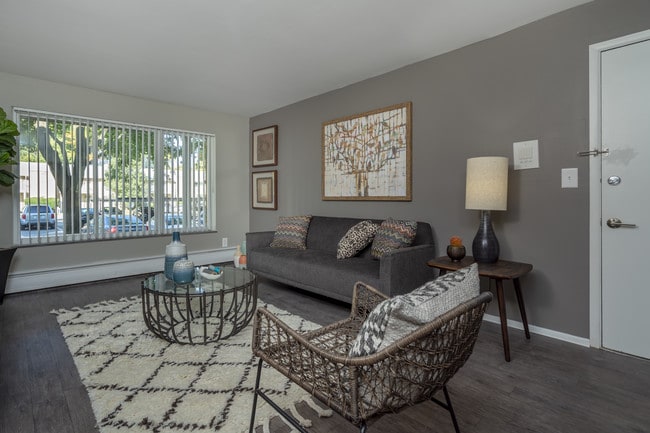
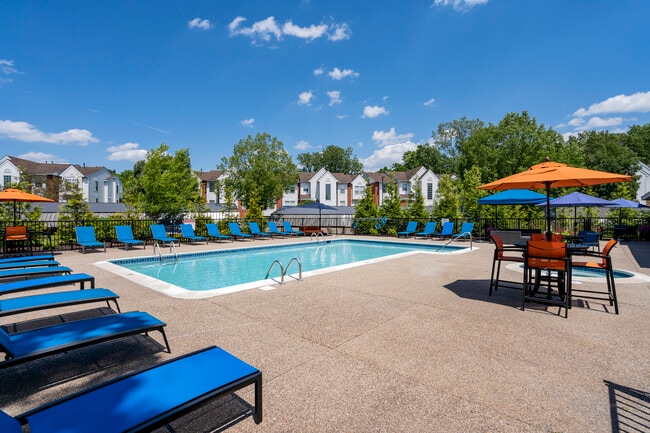
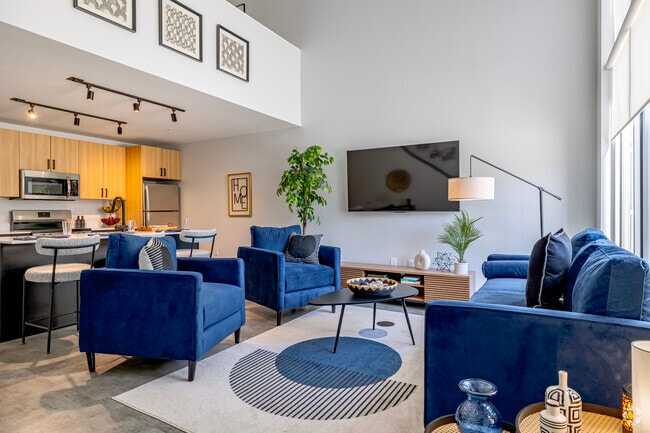
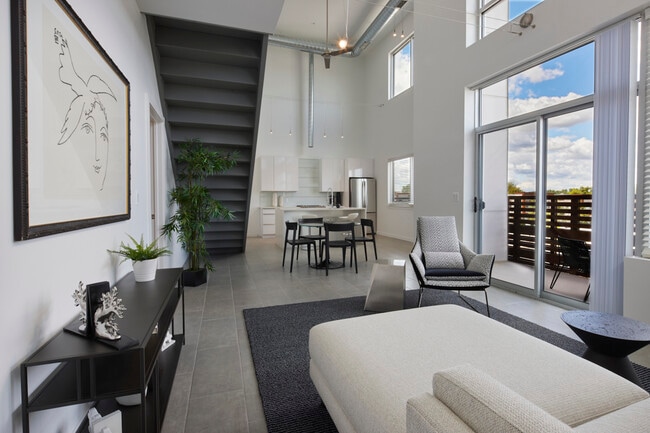
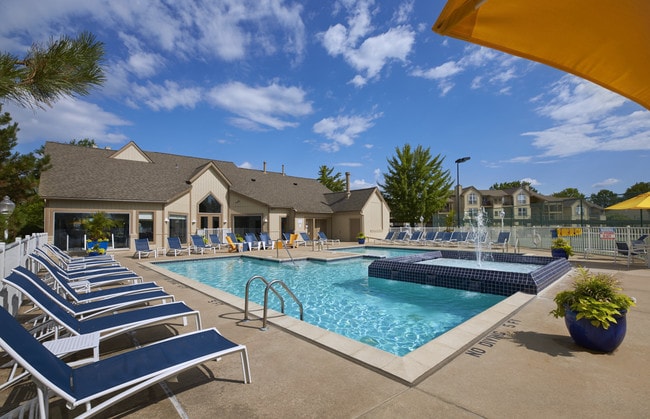
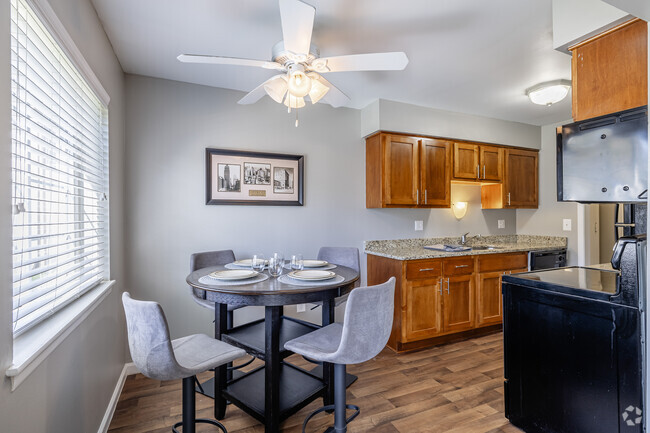
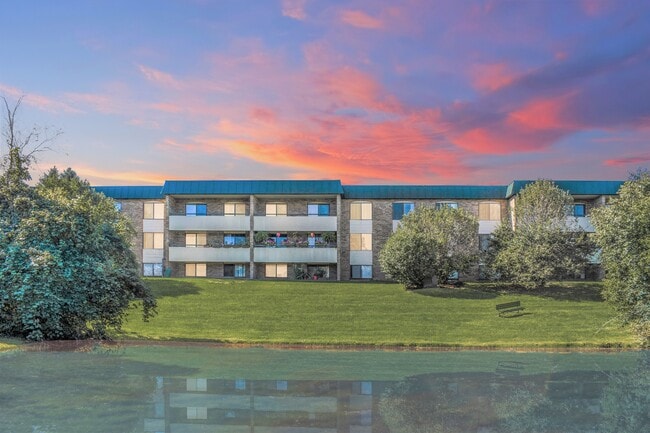
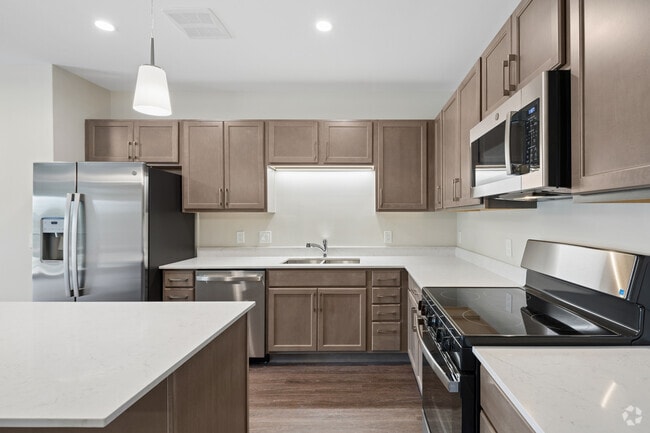
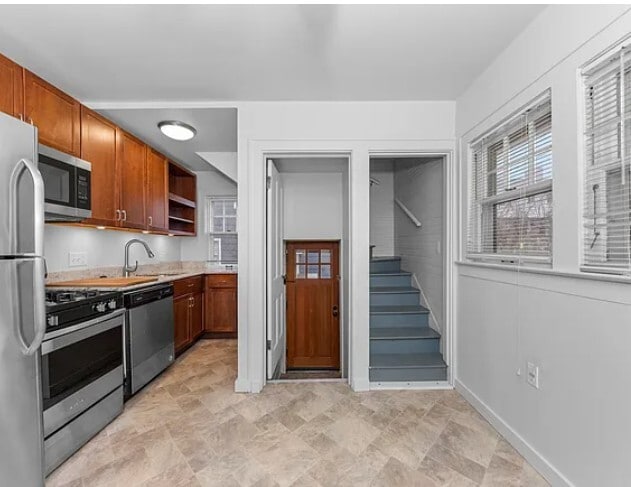
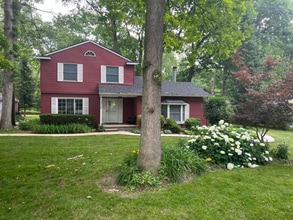
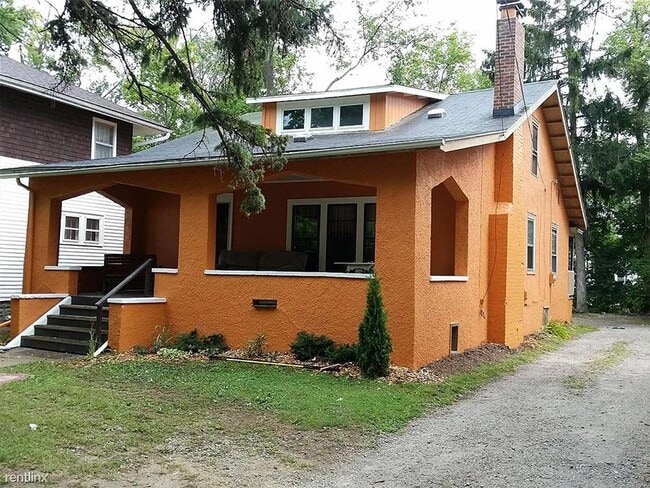
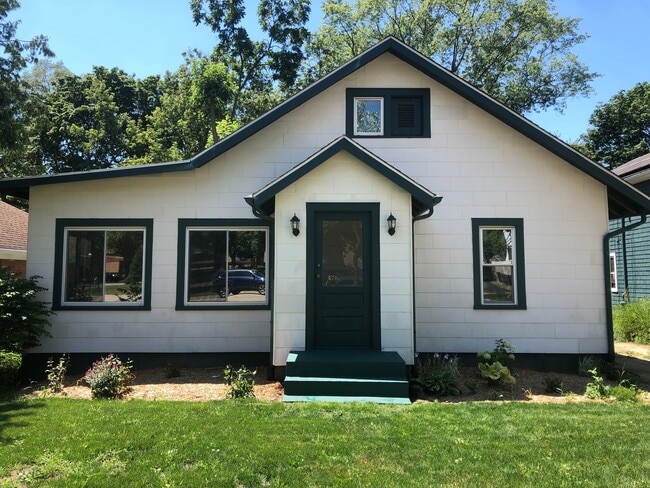
Renters will find a broad cross-section of housing here, from a range of modern and traditional apartment communities to rental homes. Apartment communities range from garden-style to larger multi-story buildings, giving newcomers several architectural styles to choose from depending on their preferences and budget.
The University of Michigan sits just 5.48 miles away, anchoring a regional economy built around research, healthcare, and education. The township itself hosts research centers, industrial parks, and office buildings that draw daily commuters. George Noyes made the first land purchase here as early as 1824, giving this suburban township a founding role in Washtenaw County's story.
Median Household Income
$92,495
Average: $123,018
Education
17,562
Residents Have a Degree
Job Market
19,960
Workers Employed
Median Age
38 Years
Largest Age Group
20-29 Years
Approximately 16% of Residents
Under 20
23%
Over 65
16%
Housing Distribution
Pittsfield Township has more homeowners than renters.

Education Distribution
Review this city's overall education levels.

Explore how walkable, bikeable, drivable, and transit-friendly Pittsfield Township, MI is for everyday living.
Somewhat Walkable
Walkability
Exceptionally Drivable
Drivability
Fairly Bikeable
Bikeability

† Our analysis of utilities, groceries, transportation, healthcare, home prices, and other goods and services is sourced from the Cost of Living Index, a respected benchmark published by the Council for Community and Economic Research (C2ER) that provides a thorough overview of living expenses across different regions.
Rent data is provided by CoStar Group’s Market Trend reports. As the industry leader in commercial real estate information, analytics, and news, CoStar conducts extensive research to produce and maintain a comprehensive database of commercial real estate information. We combine this data with public record to provide the most up-to-date rental information available.
Consumer goods, services, and home prices are sourced from the Cost of Living Index published by the Council for Community and Economic Research (C2ER). The data on this page is updated quarterly. It was last published in September 2026.
Demographic information comes from Neustar and combines detailed address data with U.S. Census and American Community Survey statistics to produce reliable local estimates.