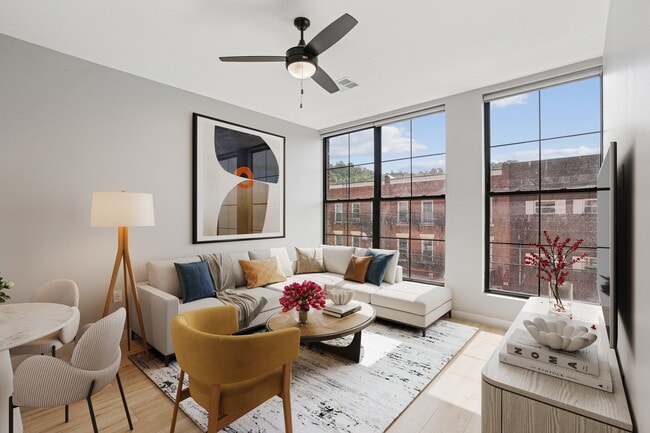
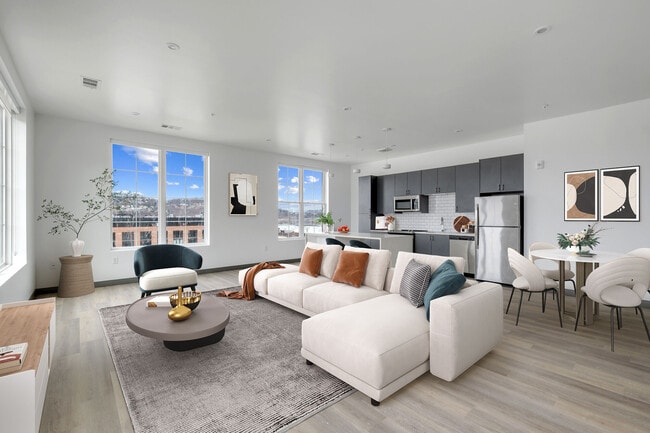
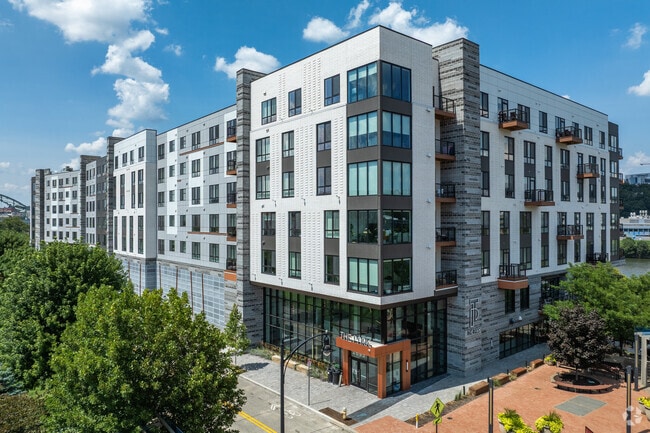
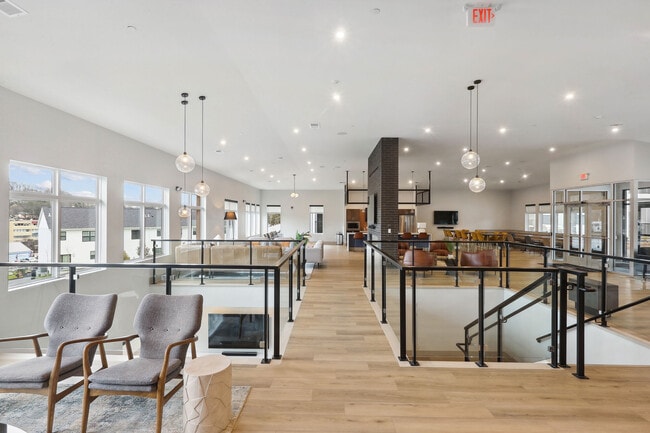
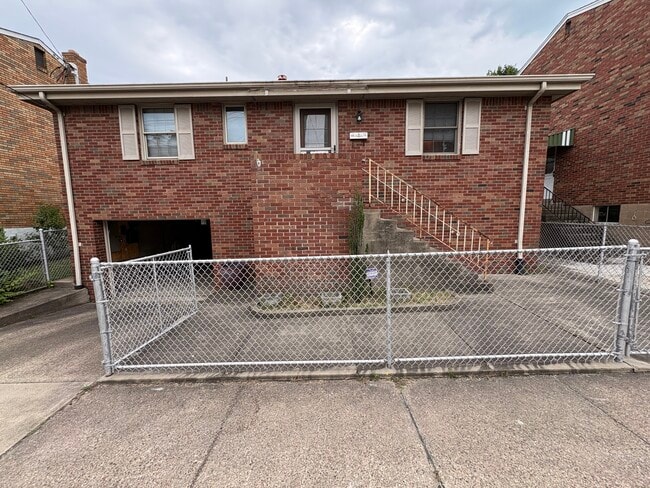
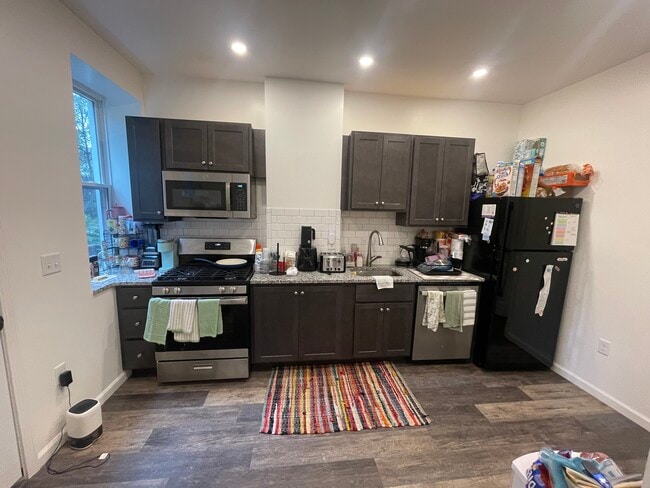
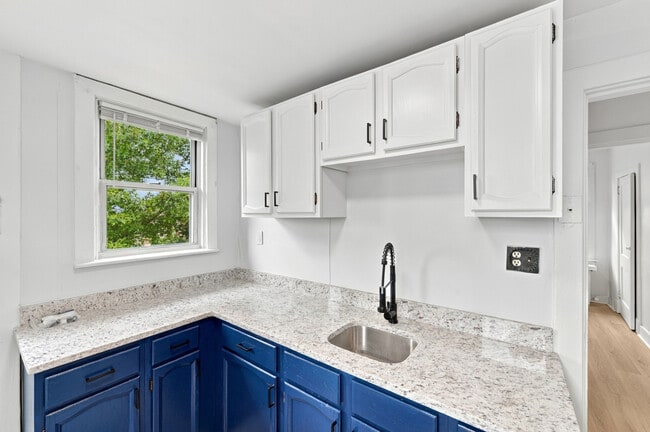
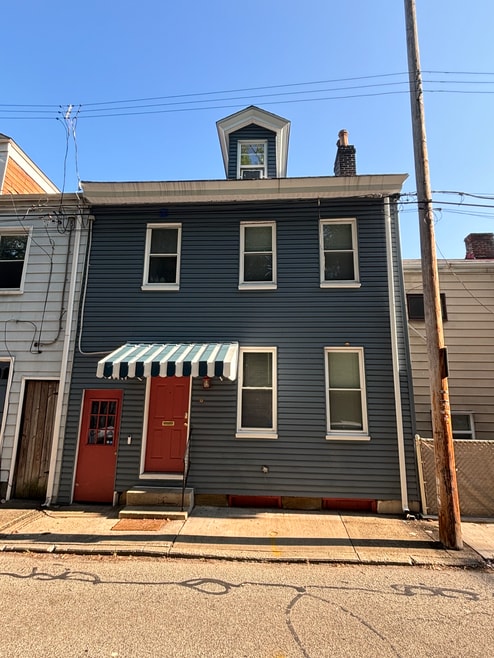
5 Best Neighborhoods to Rent a House in Pittsburgh, PA
Considering a move to Pittsburgh? Find out where to rent a house in the Steel City with our detailed guide.
Avg Rent
$1,439
Population
309,382
Renter Mix
57% Rent
National publications constantly place Pittsburgh near the top of the list for most livable cities in America, and it’s easy to see why. The city has a rich history as an industrial and economic hub, which led to the construction of many grand buildings and public sculptures which still stand today. Downtown in particular is rich with beautifully preserved buildings and lush public parks dating back well over a century, giving the entire community a timeless atmosphere.
Pittsburgh is split into three sections by the rivers passing through the city: Downtown (a.k.a. “The Golden Triangle), the North Side, and the South Side. Each has its fair share of attractions and landmarks: the North Side is home to Acrisure Stadium and PNC Park (making it a perfect area for sports fans), the South Side features big, beautiful greenways and refurbished steel mills, and Downtown is where you’ll find the most variety in dining, nightlife, and entertainment. The Golden triangle area is also a popular area for college students to seek apartments, with Duquesne University, Carnegie Mellon University and the University of Pittsburgh all within close proximity in this section of town.
The historic Frick Art Museum
Heinz Hall Performing Arts Building
Market Square near Forbes Avenue and Market Street
The Fort Pitt Bridge
A view of the Pittsburgh skyline
See Pittsburgh from the Duquesne Incline, a historic cable car
Median Household Income
$57,869
Average: $83,977
Education
118,509
Residents Have a Degree
Job Market
159,926
Workers Employed
Median Age
36 Years
Largest Age Group
25-34 Years
Approximately 20% of Residents
Under 20
21%
Over 65
17%
Housing Distribution
Pittsburgh has more renters than homeowners.

Education Distribution
Review this city's overall education levels.

As of September 2026, the average apartment rent in Pittsburgh, PA is $1,263 for a studio, $1,439 for one bedroom, $1,702 for two bedrooms, and $1,981 for three bedrooms. Apartment rent in Pittsburgh has increased by 2.1% in the past year.
The cost of living in Pittsburgh, PA is 1.9% lower than the national average. Generally, housing in Pittsburgh is 7.4% less expensive than the national average, with rent falling between $1,262 - $1,978. You can expect to pay 1.6% less for groceries, 21.0% more for utilities, and 11.1% more for transportation.
Compare Cities
5 Best Neighborhoods to Rent a House in Pittsburgh, PA
Considering a move to Pittsburgh? Find out where to rent a house in the Steel City with our detailed guide.

10 Best Places to Celebrate St. Patrick's Day in the U.S.
Big fan of St. Patrick's Day? Live somewhere that shares your passion! Here's a list of 10 cities that turn into Ireland every March 17.

5 Most Affordable Neighborhoods in Pittsburgh, PA
Experience all Pittsburgh offers without breaking the bank. Explore our detailed guide to moving to Pittsburgh on a budget.
Explore how walkable, bikeable, drivable, and transit-friendly Pittsburgh, PA is for everyday living.
Very Walkable
Walkability
Good Public Transit
Transit
Moderately Drivable
Drivability
Very Bikeable
Bikeability

Public
Grades K-5
726 Students

Public
Grades K-5
524 Students
Public
Grades K-5
471 Students
Public
Grades K-5
468 Students
Public
Grades K-5
386 Students
Public
Grades 6-8
813 Students
Public
Grades 6-8
446 Students
Public
Grades 6-8
981 Students

Public
Grades 6-12
840 Students
Public
Grades 6-8
661 Students
Public
Grades 9-12
1,772 Students
Public
Grades 9-12
1,360 Students
Public
Grades 9-12
1,269 Students
Public
Grades 6-12
840 Students
Environmental Charter School At Frick Park
Public
Grades K-12
1,073 Students

 The GreatSchools Rating helps parents compare schools within a state based on a variety of school quality indicators and provides a helpful picture of how effectively each school serves all of its students. Ratings are on a scale of 1 (below average) to 10 (above average) and can include test scores, college readiness, academic progress, advanced courses, equity, discipline and attendance data. We also advise parents to visit schools, consider other information on school performance and programs, and consider family needs as part of the school selection process.
View GreatSchools Rating Methodology
Data provided by
GreatSchools.org
© 2026. All rights reserved.
The GreatSchools Rating helps parents compare schools within a state based on a variety of school quality indicators and provides a helpful picture of how effectively each school serves all of its students. Ratings are on a scale of 1 (below average) to 10 (above average) and can include test scores, college readiness, academic progress, advanced courses, equity, discipline and attendance data. We also advise parents to visit schools, consider other information on school performance and programs, and consider family needs as part of the school selection process.
View GreatSchools Rating Methodology
Data provided by
GreatSchools.org
© 2026. All rights reserved.
† Our analysis of utilities, groceries, transportation, healthcare, home prices, and other goods and services is sourced from the Cost of Living Index, a respected benchmark published by the Council for Community and Economic Research (C2ER) that provides a thorough overview of living expenses across different regions.
Rent data is provided by CoStar Group’s Market Trend reports. As the industry leader in commercial real estate information, analytics, and news, CoStar conducts extensive research to produce and maintain a comprehensive database of commercial real estate information. We combine this data with public record to provide the most up-to-date rental information available.
Consumer goods, services, and home prices are sourced from the Cost of Living Index published by the Council for Community and Economic Research (C2ER). The data on this page is updated quarterly. It was last published in September 2026.
Demographic information comes from Neustar and combines detailed address data with U.S. Census and American Community Survey statistics to produce reliable local estimates.