Median Age
32 Years
Largest Age Group
25-34 Years
Approximately 34% of Residents
Under 20
16%
Over 65
11%

Avg Rent
$1,420
Population
14,819
Renter Mix
76% Rent
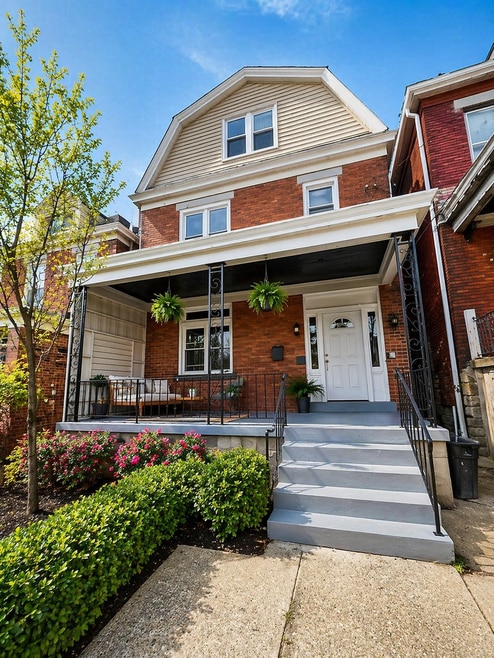
Where tree-lined Victorian streets meet upscale boutiques and lively sidewalk cafes, Shadyside delivers one of Pittsburgh's most walkable urban-village experiences. This East End neighborhood sits about five miles from Downtown Pittsburgh, making it easy to commute while still enjoying a self-contained community with three distinct business corridors: Walnut Street, Ellsworth Avenue, and South Highland Avenue. Daily errands, dining, and shopping are all close enough to handle on foot, and the dense street grid supports a lifestyle with little reliance on a car.
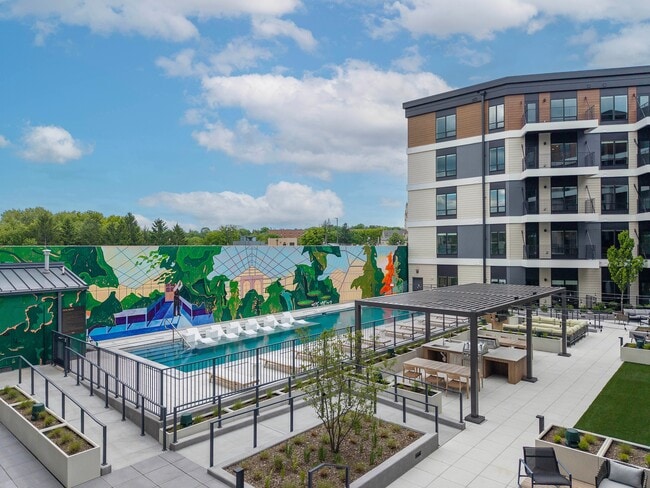
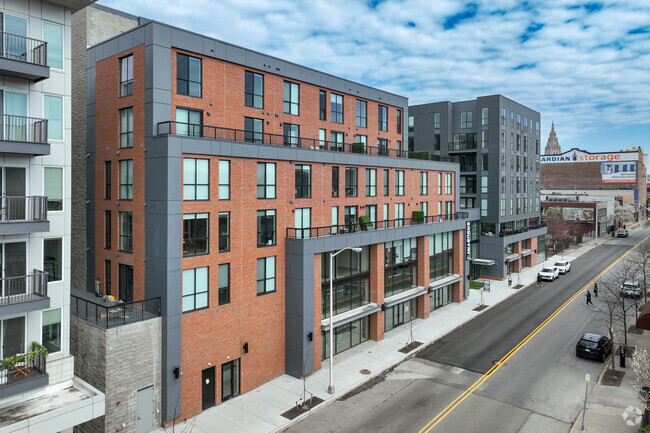
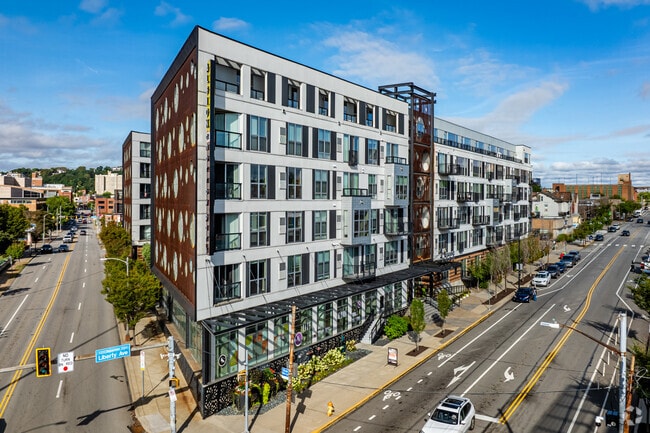
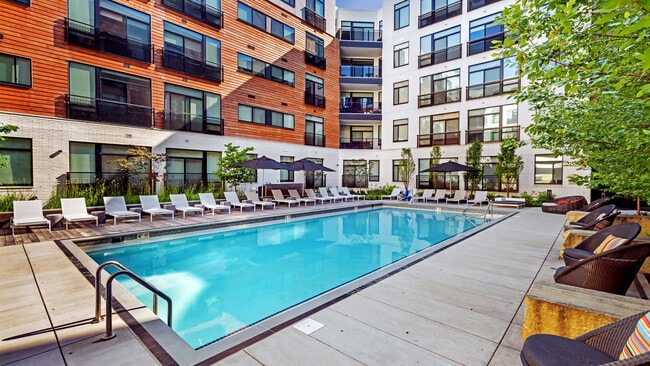
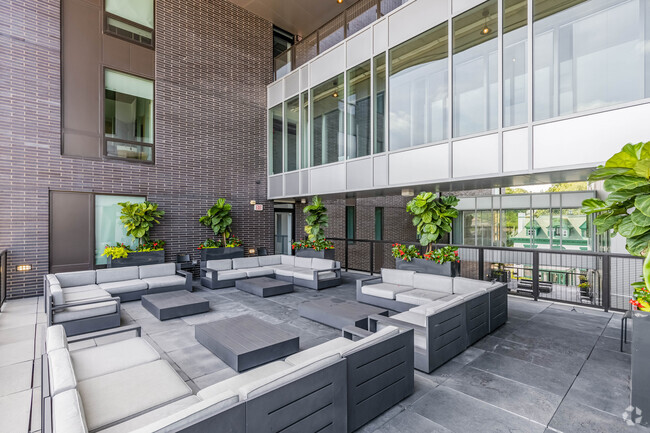
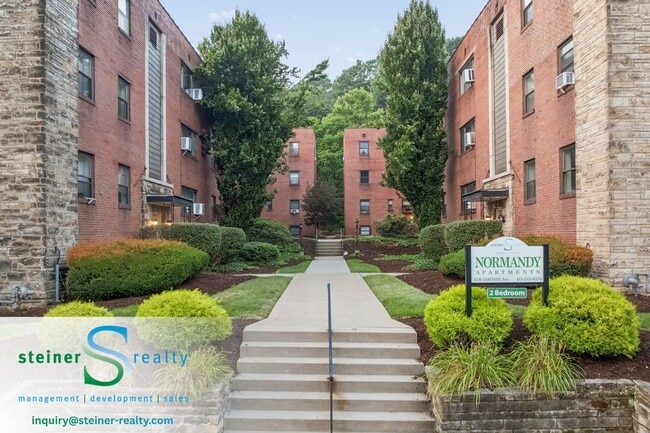
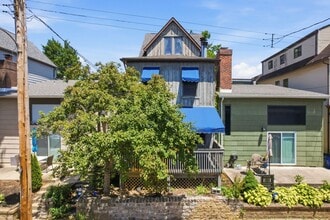
The rental landscape in Shadyside leans toward character. Restored Victorian mansions share blocks with modern luxury apartment communities, and renters can also find lofts, townhomes, and boutique mid-rise buildings throughout the neighborhood's roughly one square mile. Architectural details from the late 19th century are well preserved, giving the streetscape a cohesion that newer developments tend to respect.
Carnegie Mellon University is just over a mile away, and the University of Pittsburgh is less than two miles from the neighborhood's center. UPMC Shadyside Hospital anchors the local healthcare presence, and Chatham University borders the neighborhood to the south. The neighborhood takes its name from a 19th-century Pennsylvania Railroad station, itself named for the shady lanes that still define its character today.
Median Household Income
$72,431
Average: $106,809
Education
9,745
Residents Have a Degree
Job Market
8,482
Workers Employed
Median Age
32 Years
Largest Age Group
25-34 Years
Approximately 34% of Residents
Under 20
16%
Over 65
11%
Housing Distribution
Shadyside has more renters than homeowners.

Education Distribution
Review this city's overall education levels.

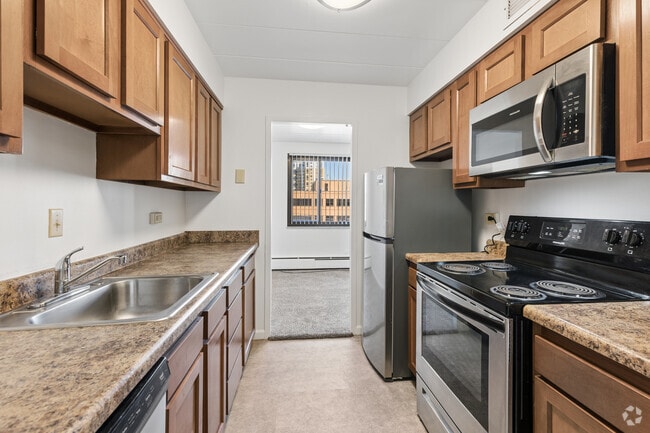
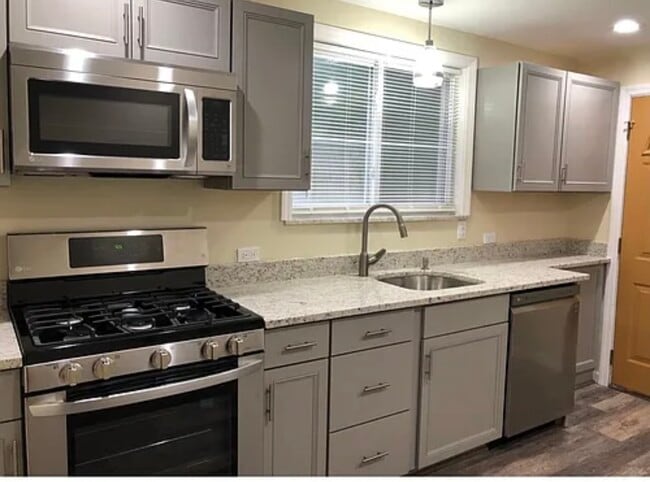
As of September 2026, the average apartment rent in Shadyside, PA is $1,420 for one bedroom, and $2,579 for two bedrooms. Apartment rent in Shadyside has increased by 0.5% in the past year.
Explore how walkable, bikeable, drivable, and transit-friendly Shadyside, PA is for everyday living.
Exceptionally Walkable
Walkability
Good Public Transit
Transit
Somewhat Drivable
Drivability
Moderately Bikeable
Bikeability

† Our analysis of utilities, groceries, transportation, healthcare, home prices, and other goods and services is sourced from the Cost of Living Index, a respected benchmark published by the Council for Community and Economic Research (C2ER) that provides a thorough overview of living expenses across different regions.
Rent data is provided by CoStar Group’s Market Trend reports. As the industry leader in commercial real estate information, analytics, and news, CoStar conducts extensive research to produce and maintain a comprehensive database of commercial real estate information. We combine this data with public record to provide the most up-to-date rental information available.
Consumer goods, services, and home prices are sourced from the Cost of Living Index published by the Council for Community and Economic Research (C2ER). The data on this page is updated quarterly. It was last published in September 2026.
Demographic information comes from Neustar and combines detailed address data with U.S. Census and American Community Survey statistics to produce reliable local estimates.