Background Image

Squirrel Hill, PA Area Guide

Avg Rent

$1,657

Population

27,084

Renter Mix

51% Rent

Experience one of Pittsburgh’s most historic and unique neighborhoods

Suburb Parks Affordable

Squirrel Hill is a well-established neighborhood on Pittsburgh's East End, sitting comfortably between two of the city's largest green spaces, Schenley Park to the west and Frick Park to the east. Officially divided into Squirrel Hill North and Squirrel Hill South, the area functions as one cohesive community spread across roughly four square miles. Its position in eastern Pittsburgh places it within a short drive of Carnegie Mellon University, Chatham University, and the University of Pittsburgh, making it a natural hub for academics, researchers, and anyone connected to the region's thriving education and technology sectors.

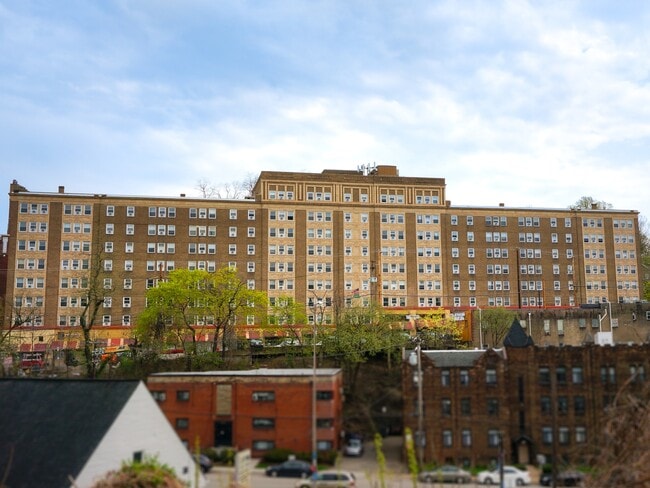
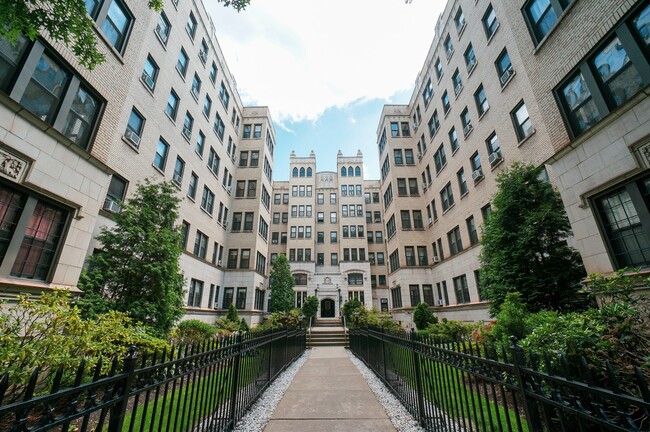
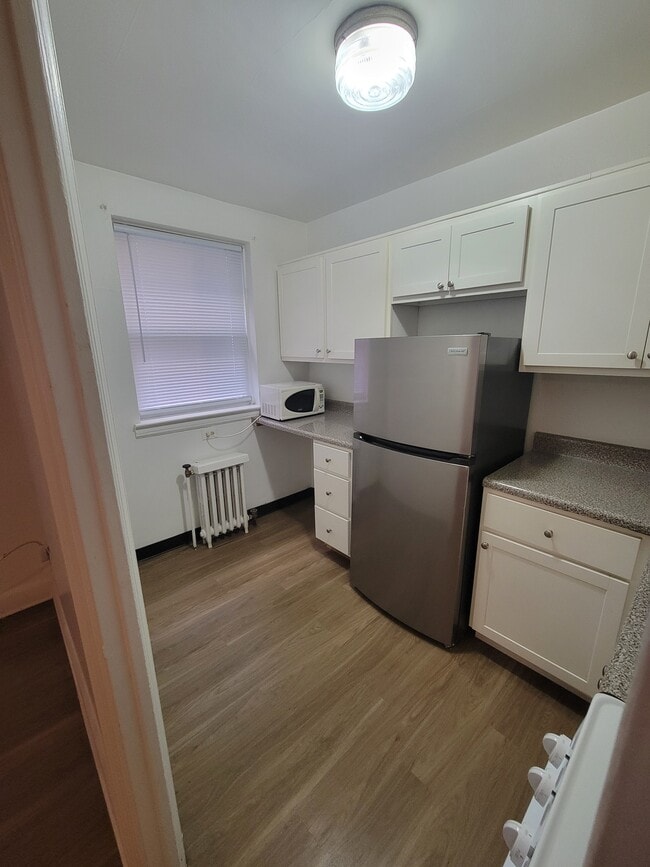
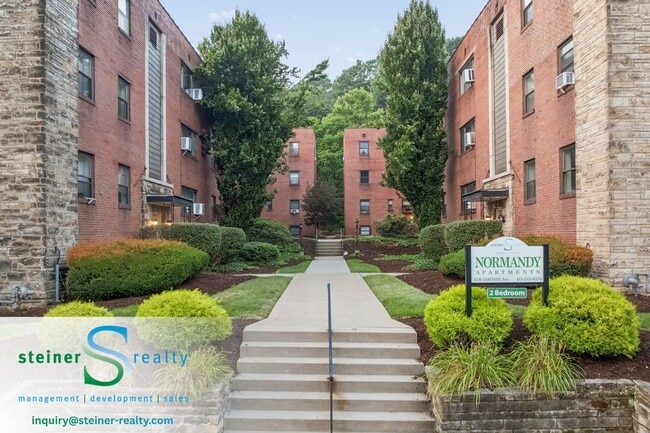
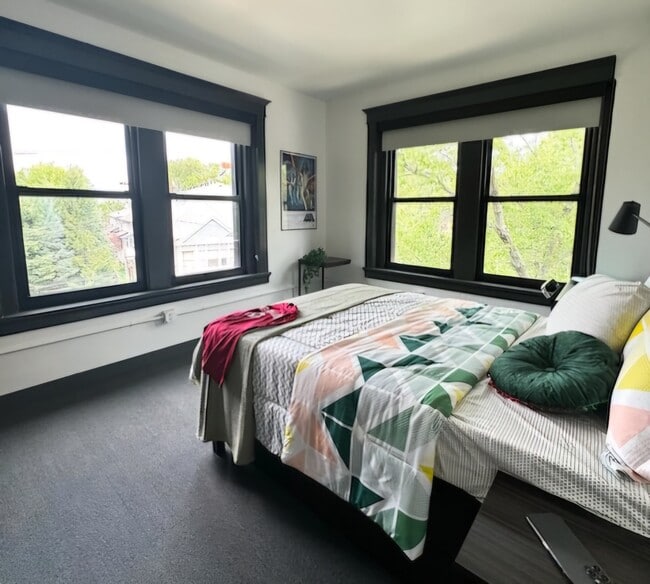
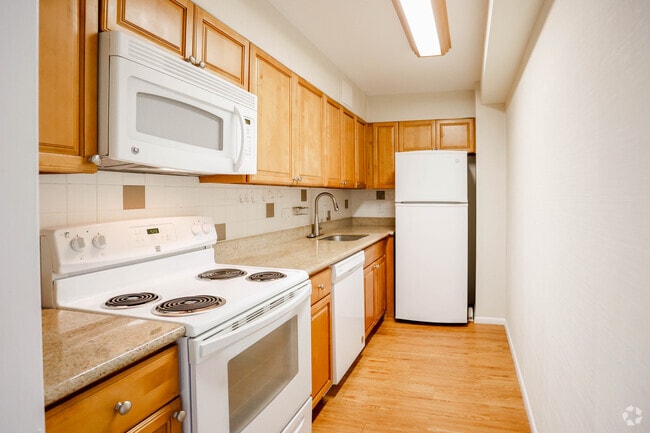
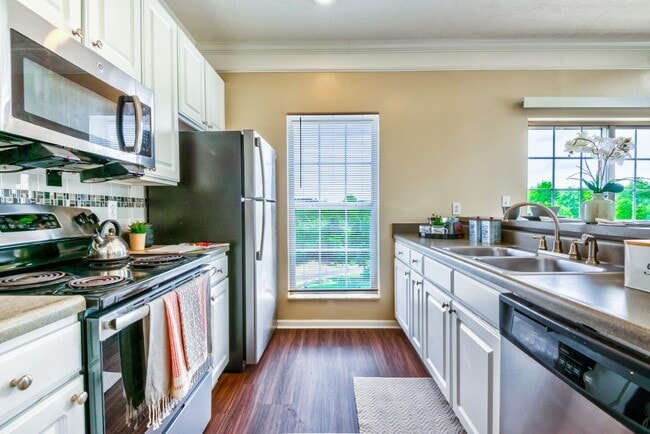
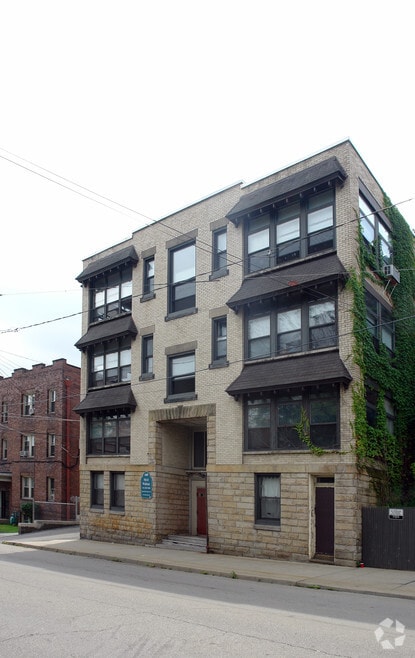
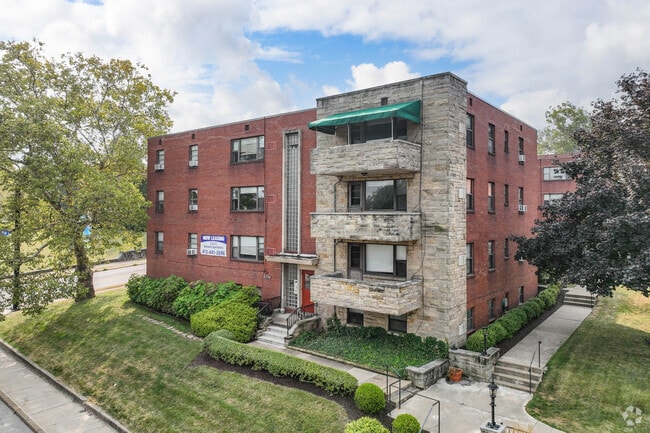
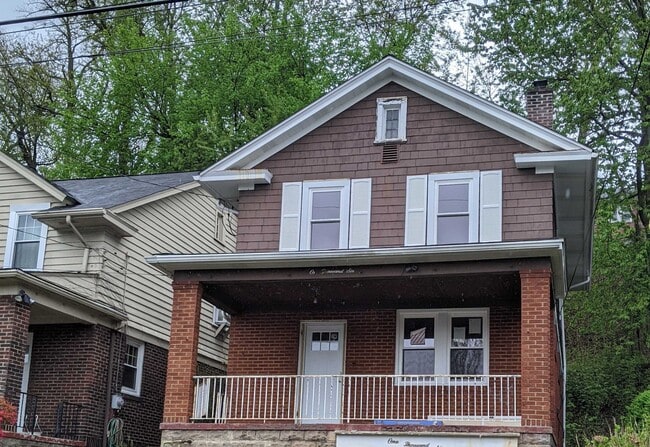
The neighborhood carries a settled, residential character alongside a lively commercial corridor along Forbes and Murray avenues, where locally rooted shops and longtime eateries give the streets a grounded, neighborhood-first feel. Renters will find a solid mix of housing options, from classic brick apartment buildings and converted multi-unit row houses to updated apartment communities with modern finishes. Smaller studio and one-bedroom layouts are plentiful, while larger two- and three-bedroom units accommodate a range of living situations. Squirrel Hill's walkable core, strong transit connections to downtown Pittsburgh, and proximity to major institutions make it one of the city's most consistently sought-after places to call home.

Demographics

Median Household Income

$88,228

Average: $122,072

Education

14,470

Residents Have a Degree

Job Market

13,919

Workers Employed

Age Distribution
Get a sense of this area's population profile.

Median Age

34 Years

Largest Age Group

20-29 Years

Approximately 20% of Residents

Under 20

22%

Over 65

18%

Housing Distribution

In Squirrel Hill, there are roughly the same number of renters and homeowners.

Renters
51%
Non-Renters
49%

Education Distribution

Review this city's overall education levels.

Bachelor's or Higher
50%
Other Education
50%

Rent Trends

As of July 2026, the average apartment rent in Squirrel Hill, PA is $982 for a studio, $1,657 for one bedroom, $2,189 for two bedrooms, and $3,284 for three bedrooms. Apartment rent in Squirrel Hill has increased by 3.2% in the past year.

Property Type
Average Rent
Average Sq Ft
Apartment
$1,657/month
727 Sq Ft
House
$2,378/month
1,386 Sq Ft
Townhome
$2,167/month
991 Sq Ft
See Rental Market Trends in Squirrel Hill, PA

Learn More About Squirrel Hill

Getting Around

Very Walkable

Walkability

80 / 100

Some Public Transit

Transit

50 / 100

Moderately Drivable

Drivability

70 / 100

Moderately Bikeable

Bikeability

70 / 100

Points of Interest

Parks and Recreation

  • Frick Park
  • Frick Environmental Center
  • Chatham Arboretum
  • Schenley Park
  • Rivers Of Steel National Heritage Area

Airports

  • Pittsburgh International
  • Arnold Palmer Regional

Top Apartments in Squirrel Hill

Houses for Rent in Squirrel Hill

Living in Squirrel Hill

History

-

Squirrel Hill takes its name from the area's early woodland character and has been a Pittsburgh neighborhood since the city's expansion in the 19th century. The community developed as a streetcar suburb, with much of its residential character established in the early 20th century when tree-lined streets filled with homes that reflected architectural styles of that era. Today, those structures contribute to the neighborhood's lived-in charm and give residents a sense of continuity with Pittsburgh's past.

The area's historical footprint remains visible in its layout and building stock. Squirrel Hill sits between two of Pittsburgh's landmark green spaces, Schenley Park and Frick Park, both established over a century ago and still serving as defining features of the neighborhood. The proximity to institutions like Carnegie Mellon University and the University of Pittsburgh has influenced the area's development over generations. Walking through Squirrel Hill, renters encounter a mix of older apartment buildings, historic homes, and commercial blocks that reflect the neighborhood's evolution as one of Pittsburgh's most established residential communities.

Restaurants

-

Squirrel Hill is one of Pittsburgh's most vibrant dining destinations, anchored by the bustling commercial corridors along Forbes and Murray Avenues. Residents enjoy a rich variety of dining options, including Chinese, Japanese, Thai, Indian, Italian, and Middle Eastern fare, all within walkable distance. The area's diverse culinary landscape reflects its multicultural character, making it easy for newcomers to explore a wide range of flavors and find new favorite spots close to home.

Transportation

-

Squirrel Hill is a walkable neighborhood on Pittsburgh's east side, where many residents can handle daily errands on foot along Forbes and Murray Avenues. Port Authority Transit buses serve the area well, connecting residents to Downtown Pittsburgh, Oakland, and other neighborhoods throughout the city. Drivers can reach Downtown in about 10 minutes via Murray Avenue and the parkways, though traffic can be slow during peak hours. Pittsburgh International Airport is roughly 22 miles away, about a 33-minute drive, and the Pittsburgh Amtrak Station is approximately 5 miles west. Schenley Park and Frick Park both offer trails for cyclists and pedestrians looking for car-free ways to get around and unwind.

Parks

-

Squirrel Hill is flanked by two of Pittsburgh's most beloved green spaces, making it an exceptional neighborhood for outdoor enthusiasts. Frick Park, just minutes to the east, is one of the largest municipal parks in Pittsburgh, offering miles of wooded trails, open meadows, and the Frick Environmental Center for nature education. To the west, Schenley Park provides tennis courts, a golf course, ice skating, and picnic areas alongside its extensive trail network. The nearby Chatham Arboretum offers a serene, tree-lined escape, and Phipps Conservatory and Botanical Gardens features stunning horticultural displays year-round.

Cost

-

Squirrel Hill is one of Pittsburgh's more sought-after neighborhoods, and its rental prices reflect that. One-bedroom apartments average around $1,588 per month, two-bedrooms around $1,895, and studios closer to $980, figures that run notably higher than nearby communities like Swissvale and Homestead, where one-bedroom rents are considerably more affordable. Three-bedroom units in Squirrel Hill average approximately $3,095 per month. The neighborhood offers a mix of apartment buildings, rowhouses, and larger single-family homes, giving renters a range of housing styles to consider across different price points.

Shopping

-

Squirrel Hill's commercial core runs along Forbes Avenue and Murray Avenue, two tree-lined corridors that together form one of Pittsburgh's most walkable and well-established retail districts. The stretch is home to a lively mix of bookstores, specialty grocers, bakeries, and gift shops that have served the neighborhood for decades, giving the area a distinctly local character that sets it apart from more chain-dominated corridors. Squirrel Hill Plaza and The Shops at The Morrowfield offer convenient, nearby options for everyday errands. The neighborhood also hosts a seasonal farmers market, making it easy for residents to shop local and connect with the community throughout the year.

Search Nearby Rentals

Methodology

† Our analysis of utilities, groceries, transportation, healthcare, home prices, and other goods and services is sourced from the Cost of Living Index, a respected benchmark published by the Council for Community and Economic Research (C2ER) that provides a thorough overview of living expenses across different regions.

Rent data is provided by CoStar Group’s Market Trend reports. As the industry leader in commercial real estate information, analytics, and news, CoStar conducts extensive research to produce and maintain a comprehensive database of commercial real estate information. We combine this data with public record to provide the most up-to-date rental information available.

Consumer goods, services, and home prices are sourced from the Cost of Living Index published by the Council for Community and Economic Research (C2ER). The data on this page is updated quarterly. It was last published in June 2026.

Demographic information comes from Neustar and combines detailed address data with U.S. Census and American Community Survey statistics to produce reliable local estimates.