Median Age
33 Years
Largest Age Group
10-19 Years
Approximately 16% of Residents
Under 20
30%
Over 65
10%

Kearns got its start as a military housing base during World War II, and that planned grid of streets still shapes the city today. Situated about 12 miles southwest of Salt Lake City in Salt Lake County, Kearns packs a surprising amount of community into just five square miles. The Oquirrh Mountains frame the western skyline, giving residents a daily backdrop that most cities can only promise on postcards. Neighborhoods here tend to feel settled and grounded, with tree-lined streets, local parks like Lodestone and Oquirrh Park, and easy access to both Salt Lake City's employment centers and the outdoor recreation the Wasatch Front is known for. Salt Lake Community College is just a short drive away, making higher education accessible without a commute across town.
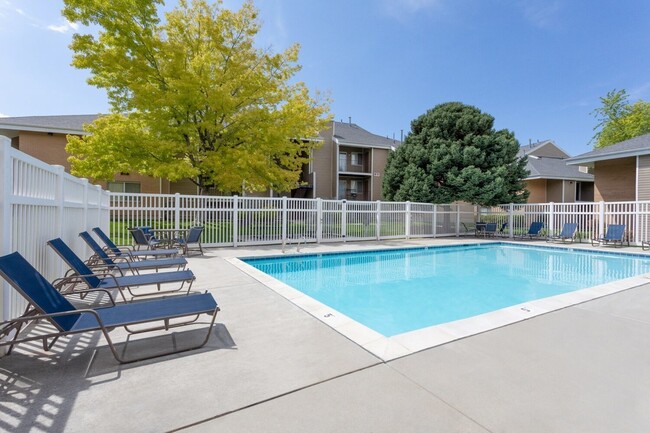
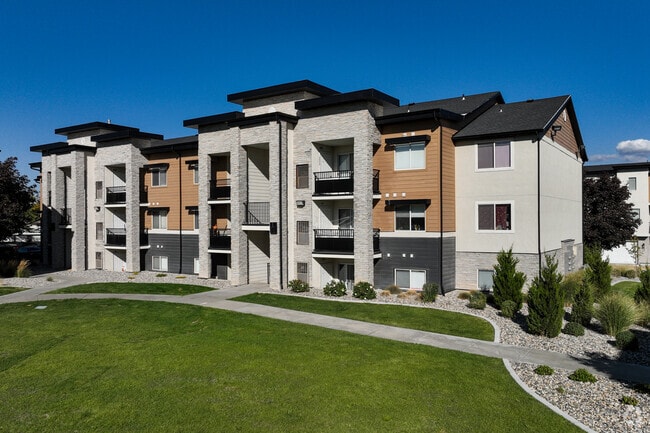
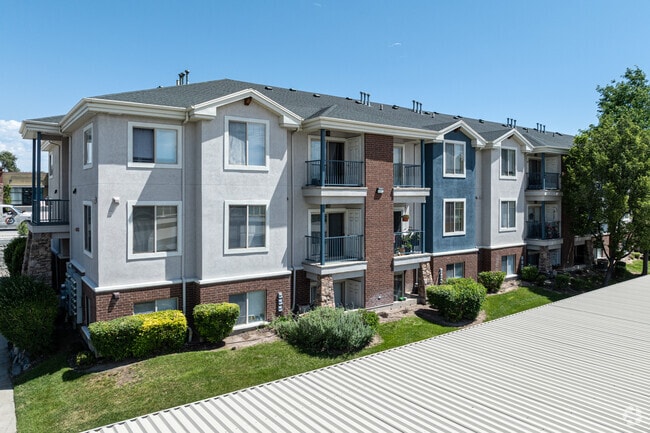
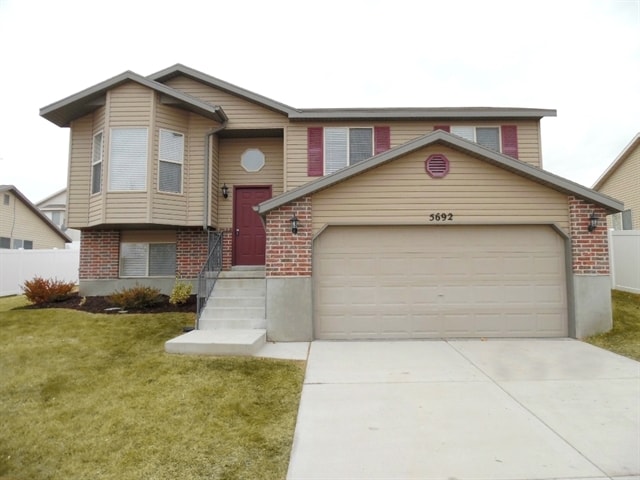
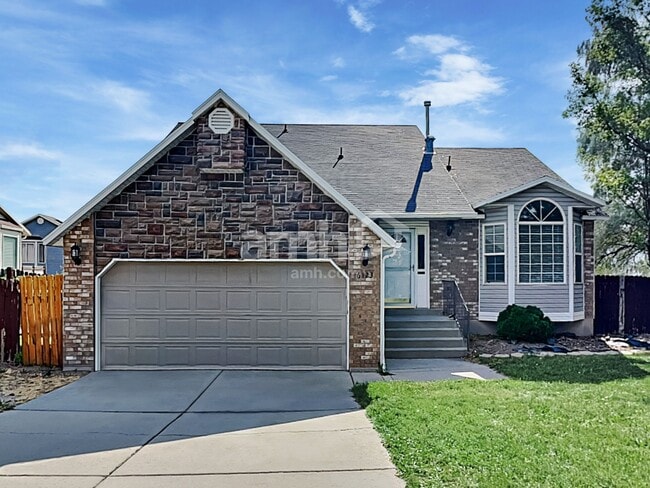
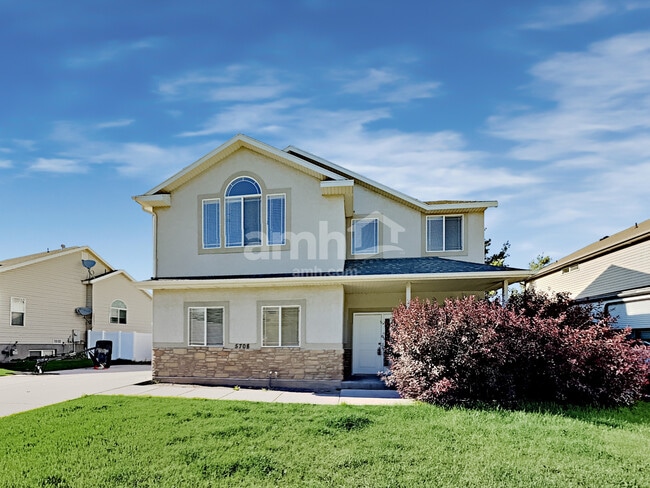
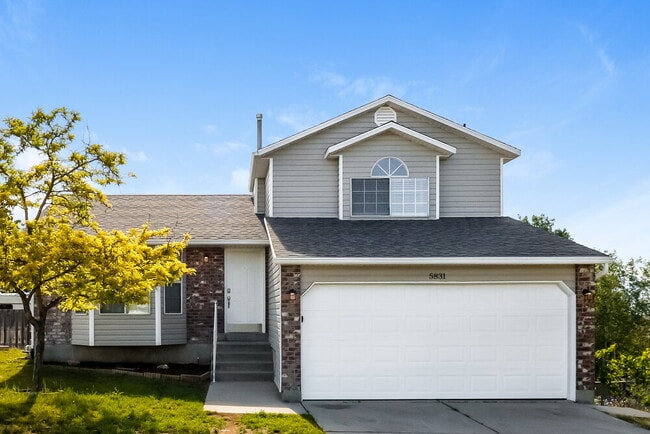
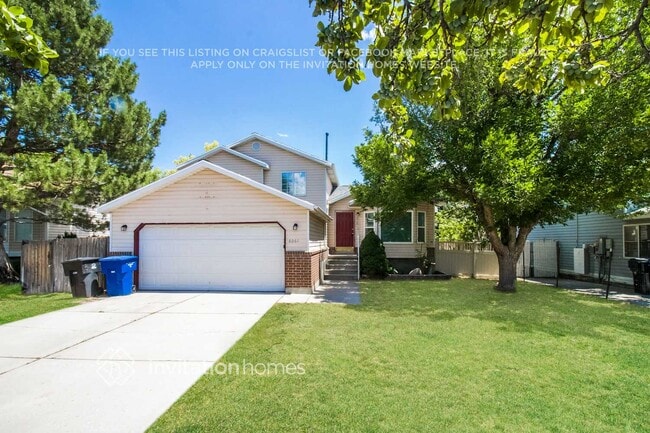
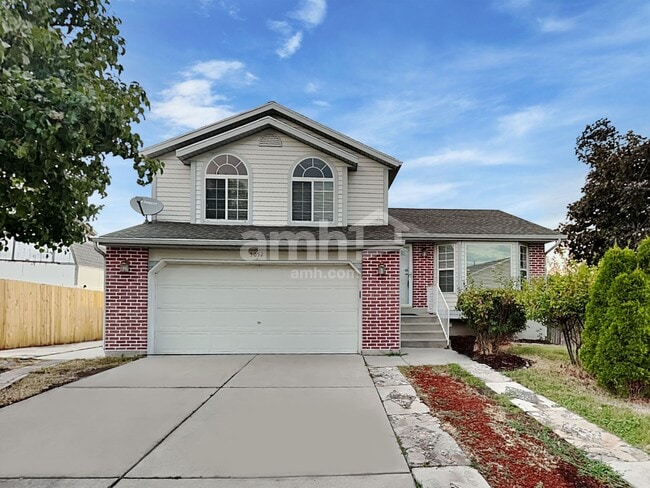
The rental landscape in Kearns leans residential, with single-family style rentals, townhomes, and smaller apartment communities making up most of the available stock. Older ranch-style homes sit alongside more recently updated properties. The Utah First Credit Union Amphitheatre and Jordan Landing shopping district are close neighbors, so evenings and weekends rarely run short of options. Kearns was recognized as Utah's first suburb, a distinction that still echoes in the city's community-oriented character and walkable, grid-based layout.
Median Household Income
$74,223
Average: $85,774
Education
4,163
Residents Have a Degree
Job Market
18,851
Workers Employed
Median Age
33 Years
Largest Age Group
10-19 Years
Approximately 16% of Residents
Under 20
30%
Over 65
10%
Housing Distribution
Kearns has more homeowners than renters.

Education Distribution
Review this city's overall education levels.

Explore how walkable, bikeable, drivable, and transit-friendly Kearns, UT is for everyday living.
Fairly Walkable
Walkability
Limited Public Transit
Transit
Exceptionally Drivable
Drivability
Fairly Bikeable
Bikeability

Public
Grades K-8
579 Students

Public
Grades PK-5
475 Students

Public
Grades PK-5
423 Students
Public
Grades PK-5
536 Students

Public
Grades PK-5
489 Students
Public
Grades K-8
579 Students
Thomas Jefferson Jr High School
Public
Grades 6-8
915 Students
Public
Grades 9-12
2,313 Students
Public
Grades 9-12
2,382 Students

 The GreatSchools Rating helps parents compare schools within a state based on a variety of school quality indicators and provides a helpful picture of how effectively each school serves all of its students. Ratings are on a scale of 1 (below average) to 10 (above average) and can include test scores, college readiness, academic progress, advanced courses, equity, discipline and attendance data. We also advise parents to visit schools, consider other information on school performance and programs, and consider family needs as part of the school selection process.
View GreatSchools Rating Methodology
Data provided by
GreatSchools.org
© 2026. All rights reserved.
The GreatSchools Rating helps parents compare schools within a state based on a variety of school quality indicators and provides a helpful picture of how effectively each school serves all of its students. Ratings are on a scale of 1 (below average) to 10 (above average) and can include test scores, college readiness, academic progress, advanced courses, equity, discipline and attendance data. We also advise parents to visit schools, consider other information on school performance and programs, and consider family needs as part of the school selection process.
View GreatSchools Rating Methodology
Data provided by
GreatSchools.org
© 2026. All rights reserved.
† Our analysis of utilities, groceries, transportation, healthcare, home prices, and other goods and services is sourced from the Cost of Living Index, a respected benchmark published by the Council for Community and Economic Research (C2ER) that provides a thorough overview of living expenses across different regions.
Rent data is provided by CoStar Group’s Market Trend reports. As the industry leader in commercial real estate information, analytics, and news, CoStar conducts extensive research to produce and maintain a comprehensive database of commercial real estate information. We combine this data with public record to provide the most up-to-date rental information available.
Consumer goods, services, and home prices are sourced from the Cost of Living Index published by the Council for Community and Economic Research (C2ER). The data on this page is updated quarterly. It was last published in September 2026.
Demographic information comes from Neustar and combines detailed address data with U.S. Census and American Community Survey statistics to produce reliable local estimates.