Median Age
34 Years
Largest Age Group
30-39 Years
Approximately 19% of Residents
Under 20
26%
Over 65
12%


Avg Rent
$1,334
Population
35,711
Renter Mix
60% Rent
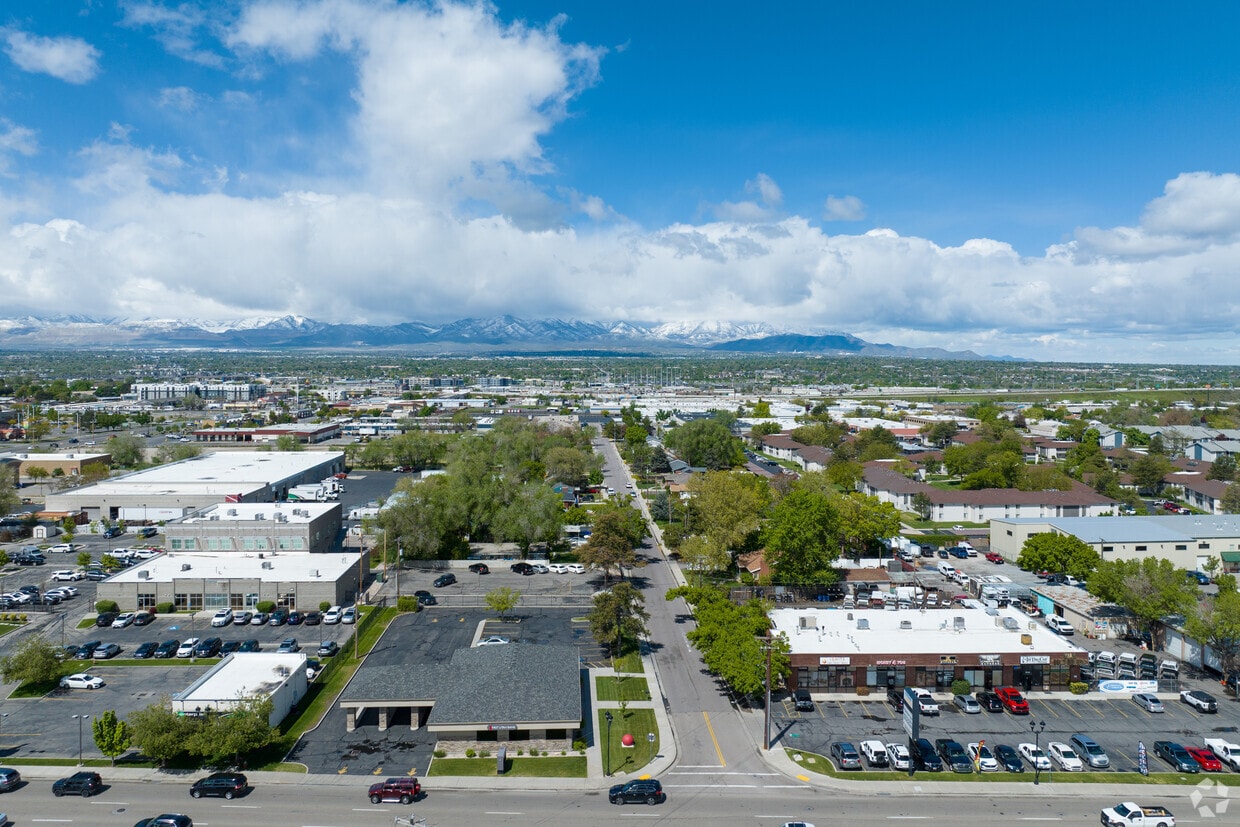
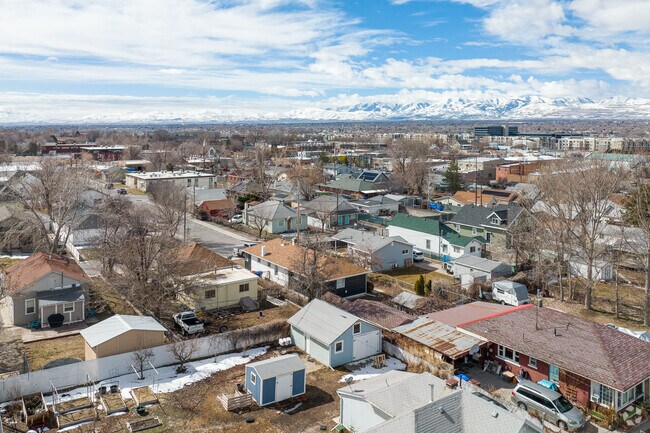
Sandwiched between the Wasatch Range and the Oquirrh Mountains, Midvale puts world-class ski slopes within a short drive while keeping you close to everything Salt Lake County has to offer. Sitting roughly 12 miles south of Salt Lake City, this compact six-square-mile city punches above its weight with a surprisingly easy commute. Two TRAX light rail lines and three stations connect residents to downtown Salt Lake City and beyond, making car-free commuting genuinely practical. Midvale City Park, Fire Station Park, and Bingham Junction give outdoor enthusiasts plenty of room to stretch out, while the Shops at Fort Union draw in bargain hunters on the city's east side.
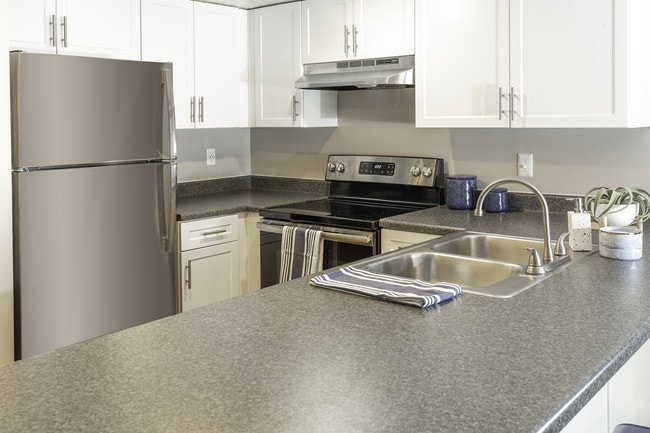
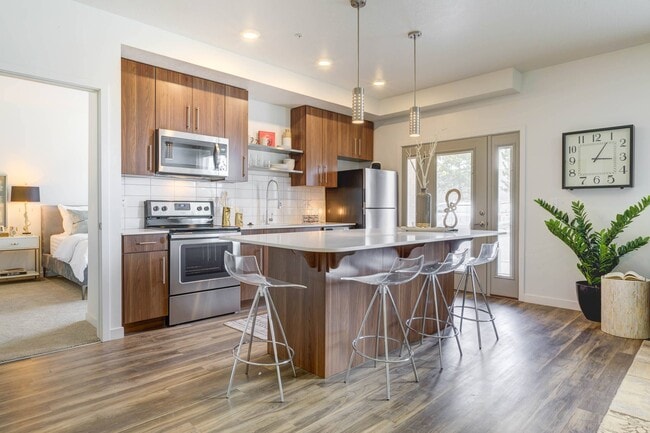
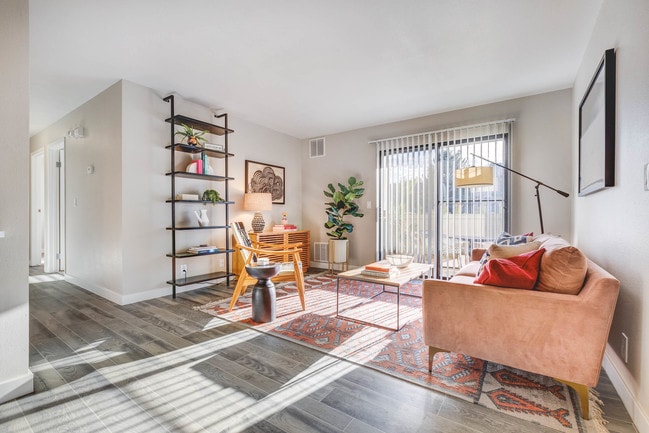
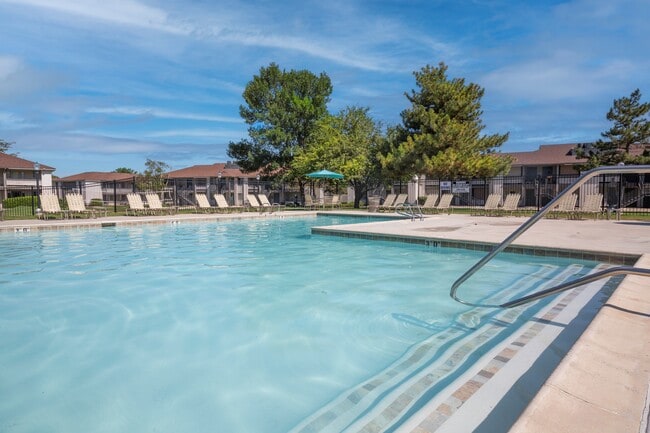
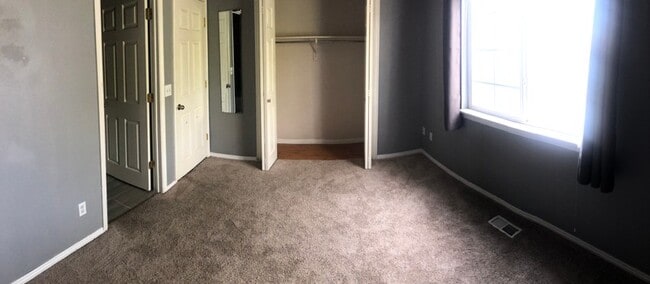
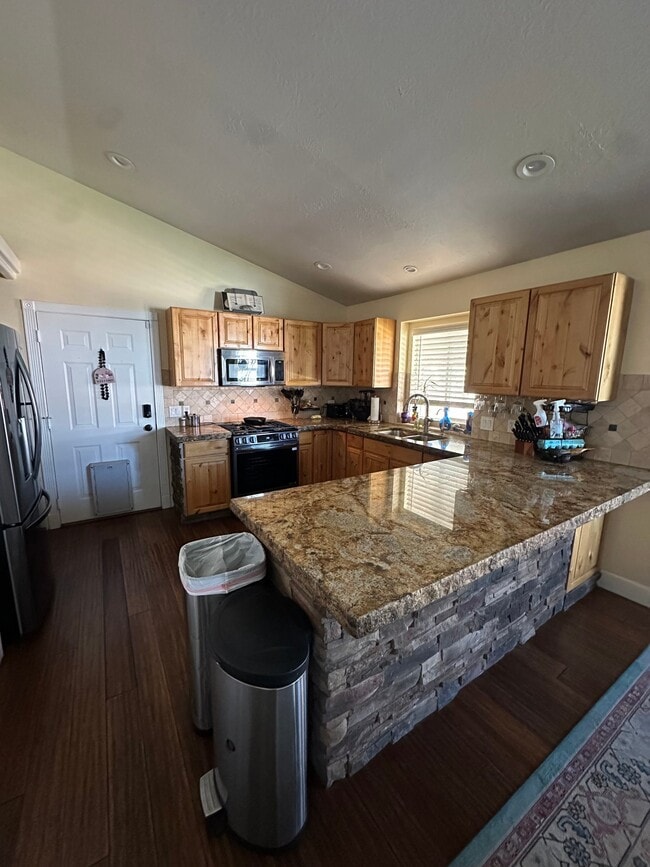
The rental market here leans toward well-maintained apartment communities, with a solid mix of garden-style buildings, townhomes, and newer developments near the Bingham Junction corridor. Studios through spacious multi-bedroom floor plans are widely available, giving renters real options no matter the household size. Nearby Wheeler Historic Farm, a working Victorian-era property open to the public, is one of those rare local spots that reminds you this valley has deep roots well beyond its suburban growth.
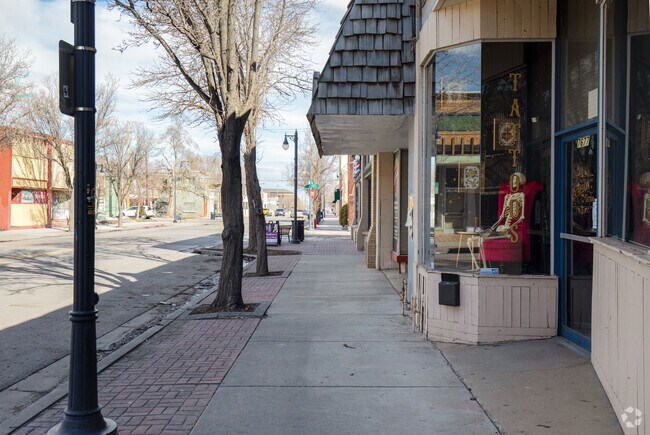
Midvale restaurants offer a perfect blend of casual and fine dining.
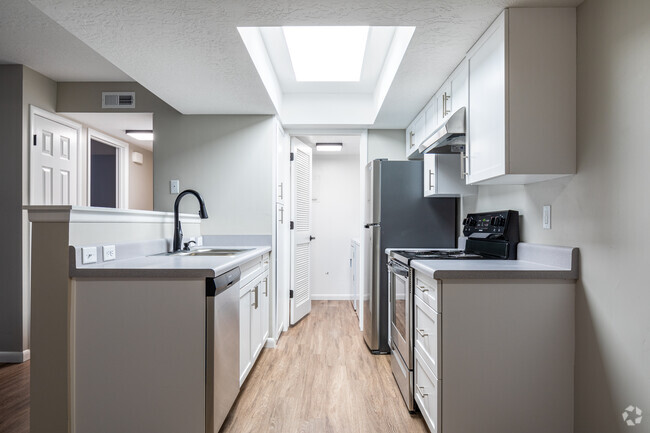
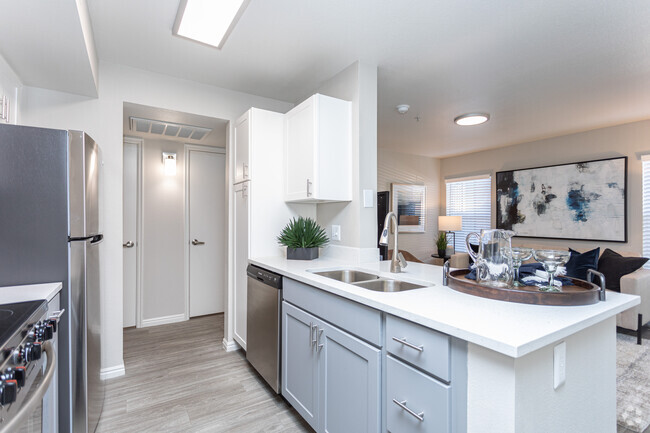
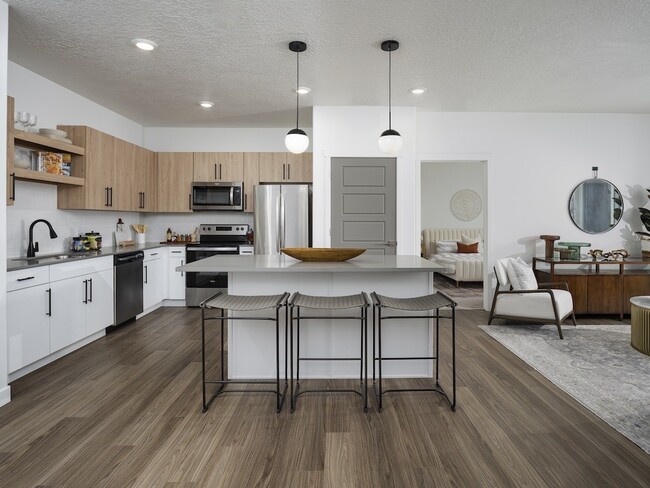
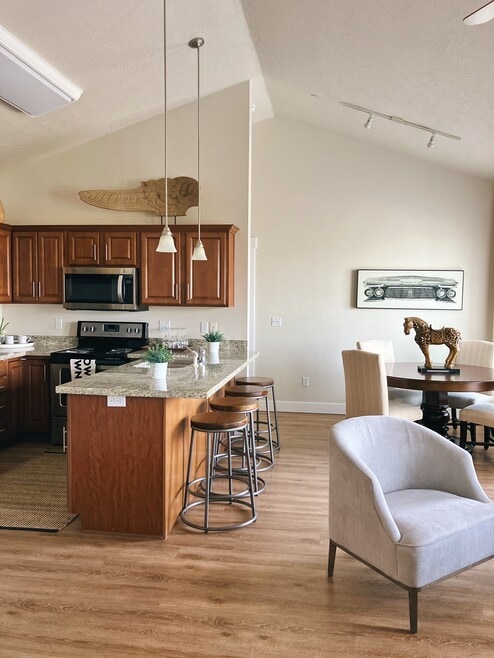
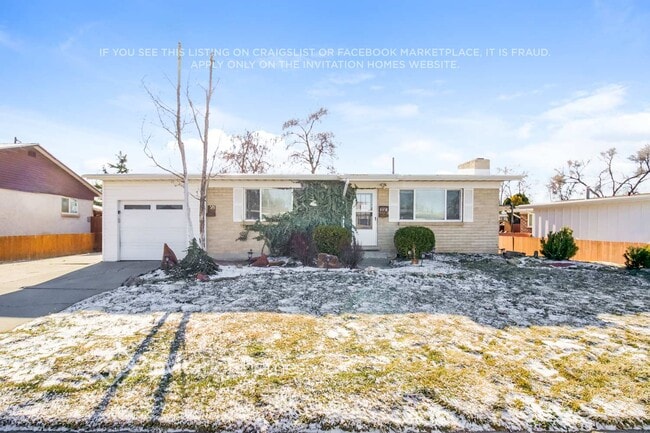
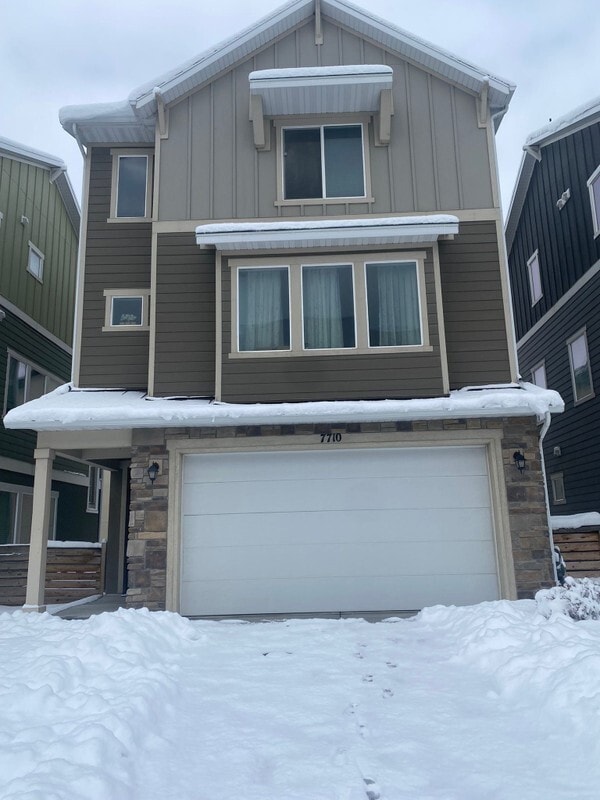
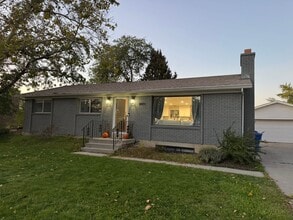
Midvale houses provide a range of choices for every lifestyle.
Spend a day by the Jordan River in the Midvale neighborhood.
UTA Trax serves the Midvale neighborhood.
WinCo Foods is located in the Midvale neighborhood.
Highway 89 serves the Midvale neighborhood.
Median Household Income
$65,995
Average: $79,673
Education
9,702
Residents Have a Degree
Job Market
20,935
Workers Employed
Median Age
34 Years
Largest Age Group
30-39 Years
Approximately 19% of Residents
Under 20
26%
Over 65
12%
Housing Distribution
Midvale has more renters than homeowners.

Education Distribution
Review this city's overall education levels.

As of September 2026, the average apartment rent in Midvale, UT is $1,146 for a studio, $1,334 for one bedroom, $1,682 for two bedrooms, and $2,192 for three bedrooms. Apartment rent in Midvale has increased by 1.0% in the past year.
Explore how walkable, bikeable, drivable, and transit-friendly Midvale, UT is for everyday living.
Fairly Walkable
Walkability
Good Public Transit
Transit
Exceptionally Drivable
Drivability
Fairly Bikeable
Bikeability

Public
Grades K-5
635 Students

Public
Grades K-5
644 Students

Public
Grades K-5
499 Students
Public
Grades K-5
328 Students

Public
Grades K-12
79 Students

Public
Grades 6-12
2,421 Students
Public
Grades 6-8
802 Students
Public
Grades K-12
79 Students
Public
Grades 6-8
Public
Grades 6-12
2,421 Students
Public
Grades K-12
79 Students
Public
Grades 9-12
 The GreatSchools Rating helps parents compare schools within a state based on a variety of school quality indicators and provides a helpful picture of how effectively each school serves all of its students. Ratings are on a scale of 1 (below average) to 10 (above average) and can include test scores, college readiness, academic progress, advanced courses, equity, discipline and attendance data. We also advise parents to visit schools, consider other information on school performance and programs, and consider family needs as part of the school selection process.
View GreatSchools Rating Methodology
Data provided by
GreatSchools.org
© 2026. All rights reserved.
The GreatSchools Rating helps parents compare schools within a state based on a variety of school quality indicators and provides a helpful picture of how effectively each school serves all of its students. Ratings are on a scale of 1 (below average) to 10 (above average) and can include test scores, college readiness, academic progress, advanced courses, equity, discipline and attendance data. We also advise parents to visit schools, consider other information on school performance and programs, and consider family needs as part of the school selection process.
View GreatSchools Rating Methodology
Data provided by
GreatSchools.org
© 2026. All rights reserved.
† Our analysis of utilities, groceries, transportation, healthcare, home prices, and other goods and services is sourced from the Cost of Living Index, a respected benchmark published by the Council for Community and Economic Research (C2ER) that provides a thorough overview of living expenses across different regions.
Rent data is provided by CoStar Group’s Market Trend reports. As the industry leader in commercial real estate information, analytics, and news, CoStar conducts extensive research to produce and maintain a comprehensive database of commercial real estate information. We combine this data with public record to provide the most up-to-date rental information available.
Consumer goods, services, and home prices are sourced from the Cost of Living Index published by the Council for Community and Economic Research (C2ER). The data on this page is updated quarterly. It was last published in September 2026.
Demographic information comes from Neustar and combines detailed address data with U.S. Census and American Community Survey statistics to produce reliable local estimates.