Background Image

Erie, CO Area Guide

Avg Rent

$1,920

Population

33,948

Renter Mix

13% Rent

Savor mountain views and small-town charm near metropolitan amenities

Suburban Peaceful Scenic

Erie, Colorado sits at the base of the Front Range, where mountain views stretch across the horizon on most days and the open prairie still feels present at the edge of town. Located about 14 miles east of Boulder and roughly 30 miles north of Denver, Erie gives residents quick access to two major metro areas without the congestion that usually comes with them. Everyday life here tends to revolve around outdoor routines, tight-knit neighborhoods, and the walkable stretch of shops and restaurants along Briggs Street downtown. The surrounding open space, multiple parks, and over 1,500 acres of town-maintained land make it easy to stay active without driving far.

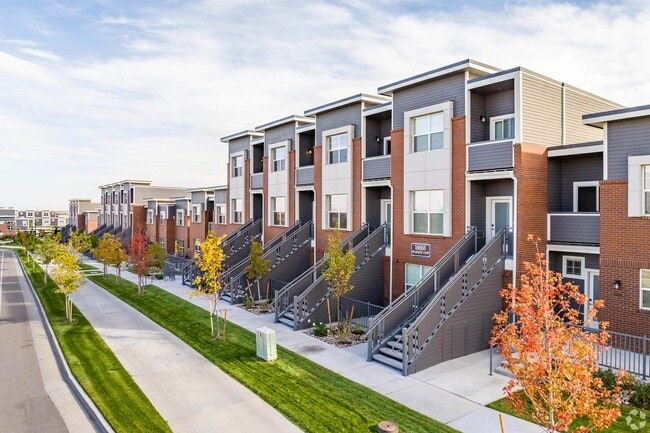
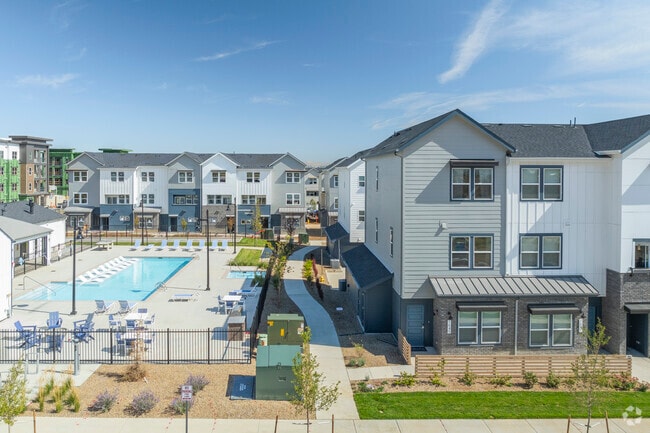
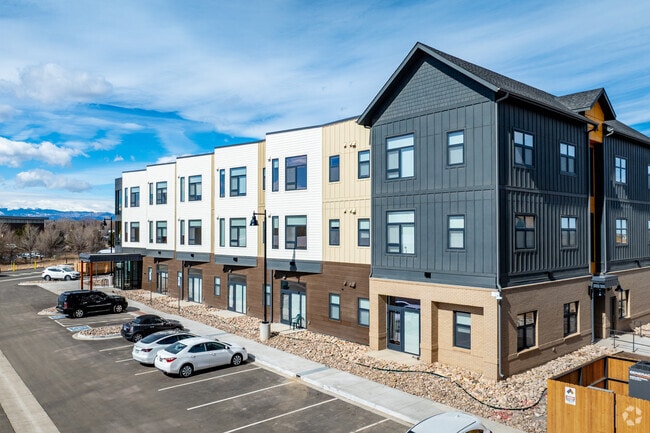
Erie sits neatly between Boulder and Broomfield, with neighborhoods like the established areas near downtown and newer developments spreading out toward the prairie. Front Range Community College has a campus within about 20 minutes, and the University of Colorado Boulder is roughly a 23-minute drive. The town hosts Concerts in the Park each summer, an annual event that draws residents out to Erie Community Park for live music and community gathering. The rental market offers a range of options, from single-story garden apartments and townhomes to newer mid-rise communities in mixed-use areas. Many apartment communities are found near the retail and dining corridors along Arapahoe Road and Erie Parkway, with some larger developments close to Erie Commons and Coal Creek Commons.

Popular Neighborhoods

Demographics

Median Household Income

$150,046

Average: $165,686

Education

15,797

Residents Have a Degree

Job Market

18,938

Workers Employed

Age Distribution
Get a sense of this area's population profile.

Median Age

40 Years

Largest Age Group

40-49 Years

Approximately 16% of Residents

Under 20

28%

Over 65

14%

Housing Distribution

Erie has more homeowners than renters.

Renters
13%
Non-Renters
87%

Education Distribution

Review this city's overall education levels.

Bachelor's or Higher
42%
Other Education
58%

Rent Trends

As of August 2026, the average apartment rent in Erie, CO is $1,606 for a studio, $1,924 for one bedroom, $2,607 for two bedrooms, and $2,922 for three bedrooms. Apartment rent in Erie has increased by 10.7% in the past year.

Property Type
Average Rent
Average Sq Ft
Apartment
$1,924/month
751 Sq Ft
House
$3,120/month
2,068 Sq Ft
Townhome
$2,983/month
1,697 Sq Ft
See Rental Market Trends in Erie, CO

Learn More About Erie

Getting Around

Somewhat Walkable

Walkability

20 / 100

Very Drivable

Drivability

80 / 100

Moderately Bikeable

Bikeability

70 / 100

Schools

Erie Elementary School

Public

Grades PK-5

390 Students

Soaring Heights PK-8

Public

Grades PK-8

1,211 Students

Meadowlark School

Public

Grades PK-8

747 Students

Black Rock Elementary

Public

Grades PK-5

607 Students

Black Rock Elementary School

Public

Grades PK-5

607 Students

Soaring Heights PK-8

Public

Grades PK-8

1,211 Students

Meadowlark School

Public

Grades PK-8

747 Students

Erie Middle School

Public

Grades 6-8

731 Students

Aspen Ridge Preparatory School

Public

Grades K-8

581 Students

Erie High School

Public

Grades 9-12

1,754 Students

Points of Interest

Top Apartments in Erie

Houses for Rent in Erie

Living in Erie

History

-

Erie's past is woven into its physical landscape in ways that are easy to spot. The Wise Homestead Museum, a restored two-story Western Victorian farmhouse built in 1870, sits on Jasper Road and is one of the oldest frame houses in Boulder County. It was built by settler Oliver Wise, who came west from Wisconsin to farm the land, and it has been open to the public since 2007. The Erie Historical Society, which maintains the museum, also preserves records, photographs, and artifacts that document early life in the area, from agricultural beginnings to the later era of coal extraction that shaped the town's growth. Each fall, the town marks its heritage through Biscuit Day, hosted by the Erie Historical Society. The event draws its name from a tradition that dates back to the 19th century, when the return of cooler weather signaled workers heading back to the mines and was celebrated with community baking. Today it is a casual gathering tied to the Wise Homestead, with music, local participation, and a look back at the people who built the town. Parks like Coal Miner Park also quietly acknowledge that heritage, their names pointing to the generations whose labor helped establish Erie as a community.

Restaurants

-

Downtown Erie's Briggs Street corridor anchors the local dining scene, with cafes, bars, and restaurants that draw regulars throughout the week. The options span a good range, from relaxed breakfast spots and sandwich shops to sit-down dinners and locally focused pubs. Craft beer plays a meaningful role in Erie's social fabric, and the annual Erie Brewfest, held in October, draws both local breweries and regional craft producers to celebrate that culture. The event has been running for over a decade and typically takes place in the downtown area. Beyond the historic core, Erie's growing retail and mixed-use corridors along Arapahoe Road and Erie Parkway bring additional dining choices, including American comfort food, Mexican cuisine with street-style tacos and burritos, pizza, and Asian-inspired dishes. The Erie Farmers Market, held weekly on Thursdays during the season at Erie Community Park, is a good source for fresh produce, baked goods, and locally made products that supplement home cooking.

Transportation

-

Getting around Erie depends largely on a personal vehicle, especially for commuters heading to Boulder, Denver, or the tech corridors along the US-36 and I-25 corridors. US-287 and Colorado State Highway 52 run through or near Erie, providing straightforward connections to neighboring cities. Interstate 25 is accessible to the east, linking Erie to the broader Denver metro area. Denver International Airport is roughly 32 miles away, about a 38-minute drive under normal traffic conditions. For those who prefer not to drive into the city, commuter rail service is accessible at stations in nearby Eastlake and Northglenn, within about a 20-minute drive from Erie. The town's trail network connects neighborhoods via paved spine trails and crusher fines paths, making it reasonable to commute by bike or on foot between certain residential areas, schools, and commercial zones. Class 1 and 2 electric bikes are permitted on town-maintained trails, which adds flexibility for those looking to cover more ground without a car.

Parks

-

Erie maintains over 1,500 acres of open space and a well-developed system of parks ranging from small neighborhood greens to the expansive Erie Community Park. The 49-acre Erie Community Park is the centerpiece, offering three playgrounds, a skate park, a seasonal sledding hill, a pump track with timed lap capabilities, athletic fields, tennis courts, walking trails, and multiple rentable shelters. Adjacent to it is the 63,000-square-foot Erie Community Center, which adds a lap pool, lazy river, climbing wall, gymnasium, and fitness facilities. For more natural experiences, the town's open space system includes Coal Creek Open Space, Wise Woods Open Space, Erie Wetlands, and the singletrack trails at Sunset Open Space, which draw mountain bikers and trail runners. The Boneyard Dog Park at Reliance Open Space is a dedicated off-leash area, and Coal Creek also has a disc golf course. Erie Lake and Thomas Reservoir offer year-round public access for fishing, hiking, and wildlife viewing. Sawhill Ponds Wildlife Preserve and White Rocks Trailhead are within about a 15-minute drive, offering additional access to wetland habitats and sandstone formations along the Front Range.

Cost

-

According to rental data, the average rent for a one-bedroom apartment in Erie is approximately $1,427 per month, with two-bedroom units averaging around $1,993. Studio apartments average about $1,504. Cost of living index data specific to Erie is limited, but as part of the Boulder-area corridor, living expenses generally run higher than the Colorado state average, particularly for housing. Colorado as a whole has a one-bedroom average of around $1,258, placing Erie slightly above the statewide figure. The local economy benefits from proximity to Boulder's technology, healthcare, and education sectors, as well as Denver's broader job market, making Erie an attractive location for those employed in the Northern Front Range corridor.

Shopping

-

Briggs Street in historic downtown Erie is the town's most established commercial corridor, lined with locally owned shops, services, and restaurants that give the area a walkable, neighborhood feel. The Erie Town Fair, organized by the Erie Chamber of Commerce, brings vendors, artisans, and community businesses together annually on this stretch. For larger retail needs, Erie Commons and Coal Creek Commons provide nearby shopping center options within the town, while the Larkridge Regional Retail Center in nearby Thornton offers big-box retail and a wider range of national stores within a short drive. The Erie Farmers Market, held weekly on Thursdays during the growing season, serves as a community gathering point alongside its role as a source for local produce, baked goods, and handmade goods.

Highlights

-

Erie, CO offers direct mountain views, over 1,500 acres of managed open space, and a historic downtown along Briggs Street, all within a short commute of both Boulder and Denver.

Search Nearby Rentals

Methodology

† Our analysis of utilities, groceries, transportation, healthcare, home prices, and other goods and services is sourced from the Cost of Living Index, a respected benchmark published by the Council for Community and Economic Research (C2ER) that provides a thorough overview of living expenses across different regions.

Rent data is provided by CoStar Group’s Market Trend reports. As the industry leader in commercial real estate information, analytics, and news, CoStar conducts extensive research to produce and maintain a comprehensive database of commercial real estate information. We combine this data with public record to provide the most up-to-date rental information available.

Consumer goods, services, and home prices are sourced from the Cost of Living Index published by the Council for Community and Economic Research (C2ER). The data on this page is updated quarterly. It was last published in June 2026.

Demographic information comes from Neustar and combines detailed address data with U.S. Census and American Community Survey statistics to produce reliable local estimates.