Bell Collier Village
1950 Howell Mill Rd NW,
Atlanta, GA 30318
$1,195 - $2,240
Studio - 2 Beds

Area Guide
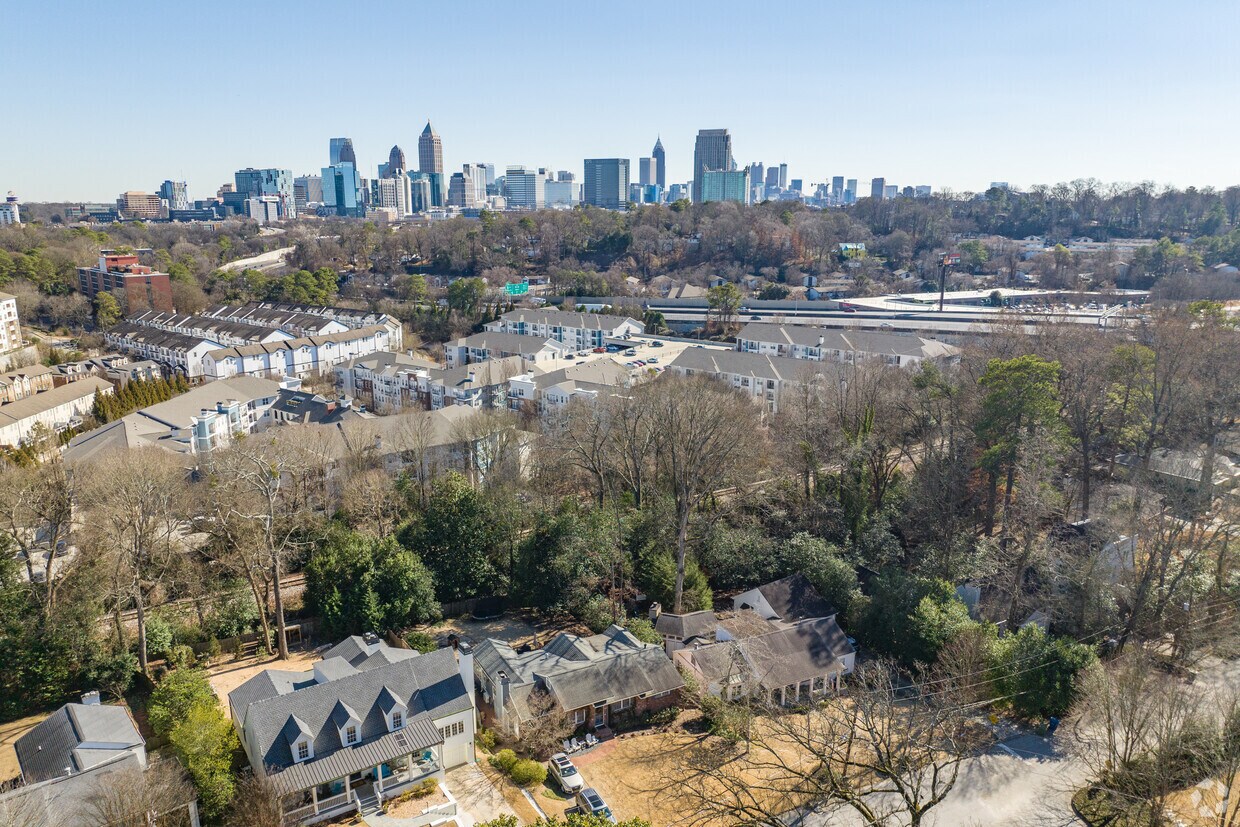
Collier Hills is a quiet residential neighborhood in northwest Atlanta, between Buckhead to the north and Midtown to the south. The area sits along Northside Drive and Collier Road, giving residents easy access to the shopping, dining, and entertainment options those corridors and nearby West Midtown have to offer. Getting around on foot is manageable for some errands, with a walk score of 60, and the neighborhood's hilly, tree-lined streets make for pleasant strolls through a genuinely green slice of the city. Atlanta holds the distinction of having the densest urban tree canopy of any major city in the United States, and Collier Hills reflects that well.
The neighborhood has a calm, residential feel with a noticeable mix of housing types. Renters will find garden apartments, mid-rise apartment communities, and townhomes alongside the single-family homes that line the side streets. The range of options makes it an appealing spot for anyone who wants the feel of an established neighborhood without being far from Buckhead or the Midtown corridor.
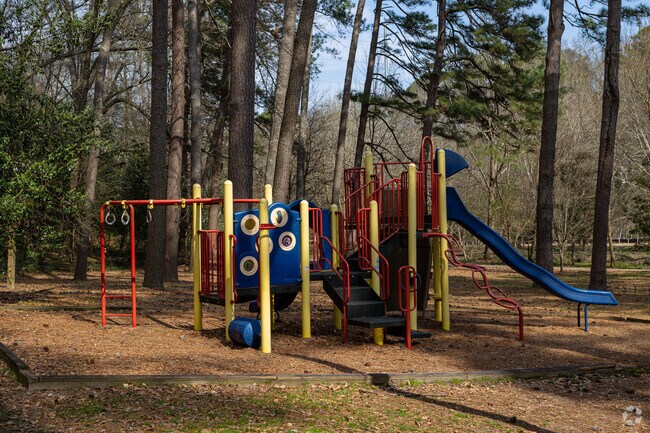
Tanyard Creek Park is a great place to bring the family for a day in the park.
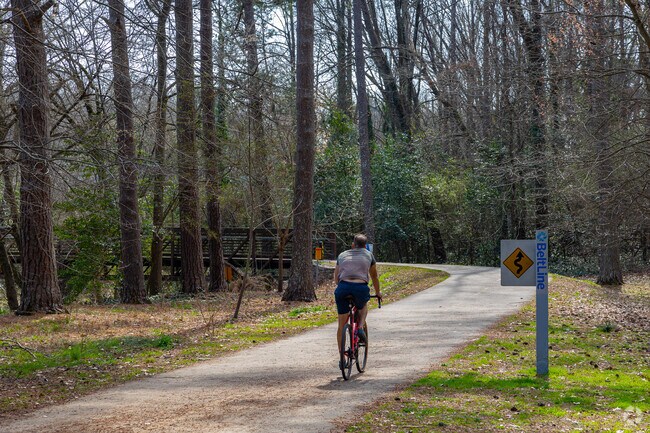
The BeltLine through Tanyard Creek Park is a great biking trail.
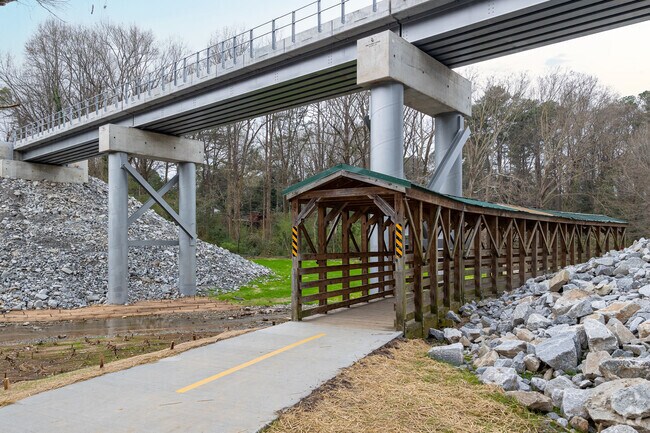
Residents of Collier Hills love the many walking and biking trails.
Howell's Kitchen and Bar features outdoor dining great for when the weather is nice.
As of August 2026, the average apartment rent in Collier Hills is $1,398 for one bedroom, and $1,736 for two bedrooms. Apartment rent in Collier Hills has increased by 3.4% in the past year.
1 BR
663 sq ft
Average Sq Ft
$1,398/month
Average Rent
2 BR
897 sq ft
Average Sq Ft
$1,736/month
Average Rent
Explore how walkable, bikeable, drivable, and transit-friendly Collier Hills - Atlanta, GA is for everyday living.
Moderately Walkable
Walkability
Some Public Transit
Transit
Exceptionally Drivable
Drivability
Fairly Bikeable
Bikeability
Collier Hills - Atlanta, GA offers all daily essentials, but they’re limited to a few main areas.
Supermarket Within a 15 Minute Walk
Groceries
Great Restaurant Variety Nearby
Restaurants
Good Café Variety Nearby
Cafes
Great Variety of Shops Nearby
Shopping
Collier Hills - Atlanta, GA provides green space and wellness resources in certain areas.
Very Large Amount of Park Space Nearby
Parks
Fair Wellness Amenity Variety Nearby
Wellness
Get a sense of what it’s like to live in Collier Hills - Atlanta, GA from everyday activity to noise and nightlife.
Vibrant Atmosphere at Times
Vibrancy
Great Nightlife Variety Nearby
Nightlife
Not Noisy
Quiet Score

† Our analysis of utilities, groceries, transportation, healthcare, home prices, and other goods and services is sourced from the Cost of Living Index, a respected benchmark published by the Council for Community and Economic Research (C2ER) that provides a thorough overview of living expenses across different regions.
Rent data is provided by CoStar Group’s Market Trend reports. As the industry leader in commercial real estate information, analytics, and news, CoStar conducts extensive research to produce and maintain a comprehensive database of commercial real estate information. We combine this data with public record to provide the most up-to-date rental information available.
Consumer goods, services, and home prices are sourced from the Cost of Living Index published by the Council for Community and Economic Research (C2ER). The data on this page is updated quarterly. It was last published in June 2026.
Demographic information comes from Neustar and combines detailed address data with U.S. Census and American Community Survey statistics to produce reliable local estimates.