Median Age
31 Years
Largest Age Group
20-29 Years
Approximately 24% of Residents
Under 20
24%
Over 65
15%




Avg Rent
$2,176
Population
18,054
Renter Mix
45% Rent
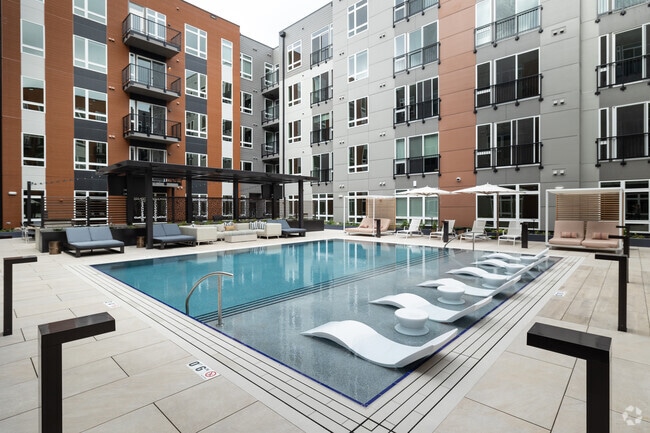
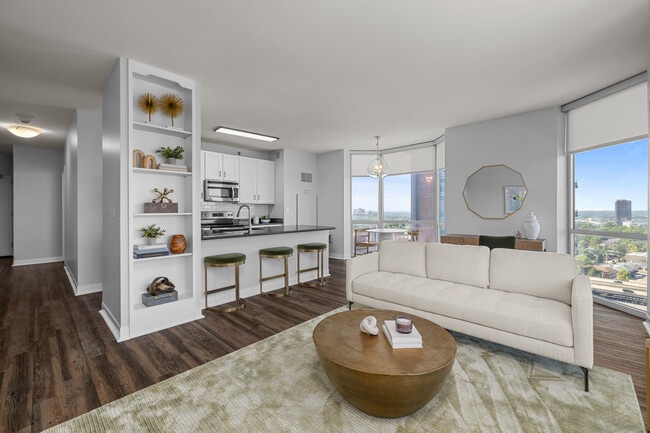
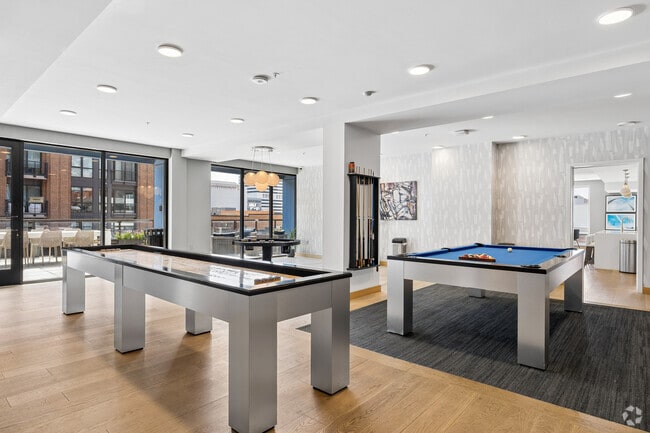
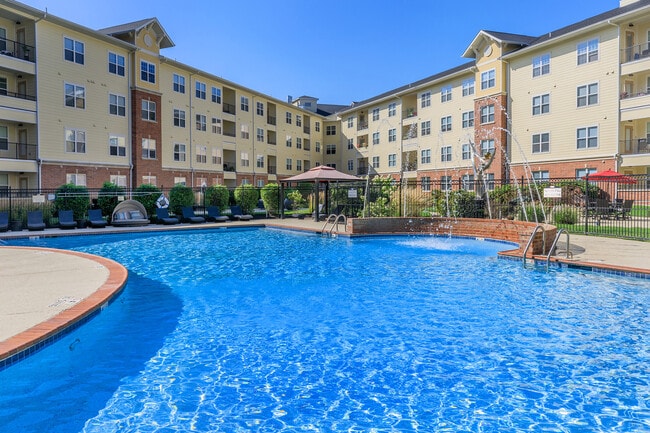
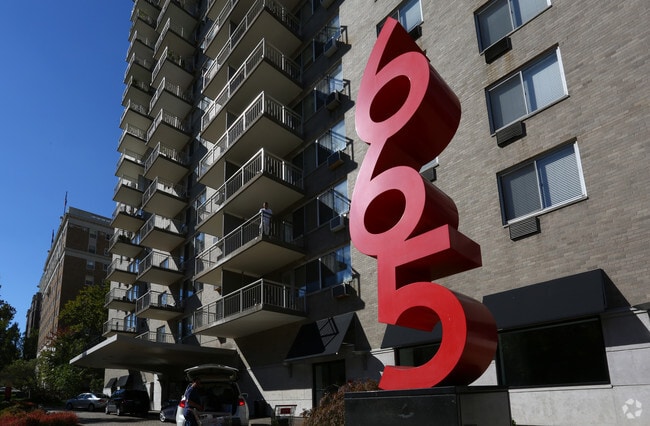
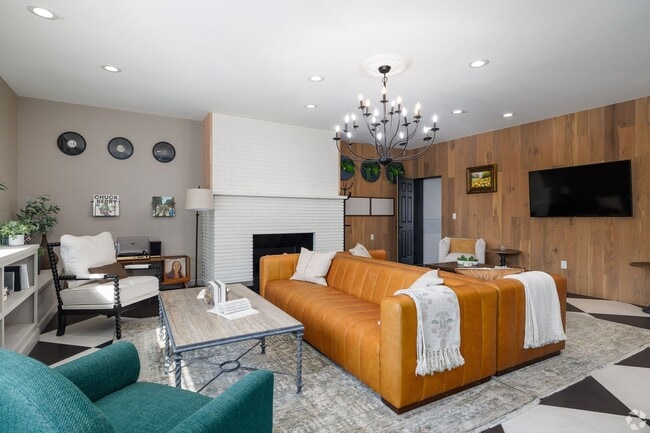
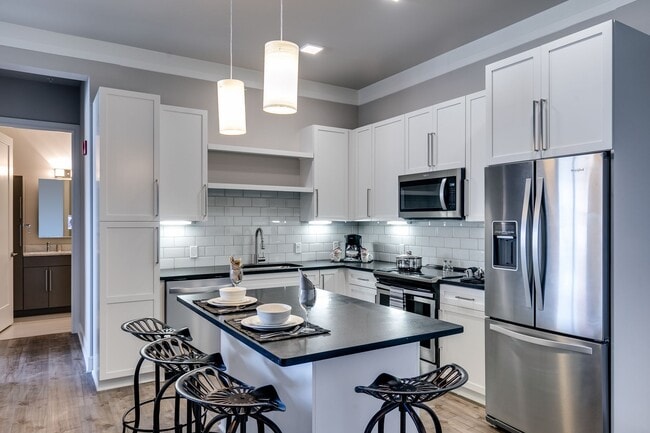
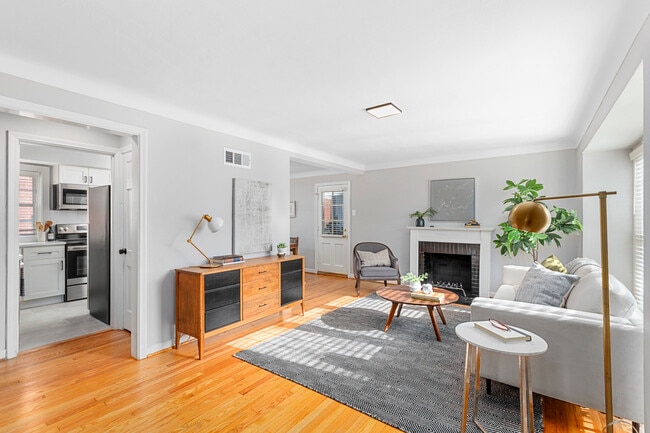
Clayton, Missouri serves as the county seat of St. Louis County, sitting just west of Forest Park with a skyline that mixes mid-century architecture alongside pre-war brick walkups—all within three compact square miles. Downtown Clayton's brick-paved sidewalks lead past locally rooted shops and eateries, while Carondelet Avenue offers a sleeker, high-rise corridor that feels distinctly cosmopolitan. Washington University in St. Louis, Fontbonne University, and Concordia Seminary all call the area home, adding an intellectual energy that pulses through the city year-round. The St. Louis Art Fair draws hundreds of thousands of visitors annually and ranks among the top fine arts festivals in the country. The rental landscape spans a satisfying range of options, from historic brick walkups and boutique apartment communities to high-rise residences with sweeping views. Studios through spacious three-bedroom floor plans give renters plenty of choices depending on lifestyle and space needs. With Forest Park, the St. Louis Zoo, and the St. Louis Art Museum practically at your doorstep, Clayton offers easy access to world-class cultural attractions without the density of a major metro core.
Penguins in a parade at the Saint Louis Zoo
Giraffes at the zoo
Median Household Income
$128,283
Average: $162,262
Education
9,813
Residents Have a Degree
Job Market
8,119
Workers Employed
Median Age
31 Years
Largest Age Group
20-29 Years
Approximately 24% of Residents
Under 20
24%
Over 65
15%
Housing Distribution
Clayton has more homeowners than renters.

Education Distribution
Review this city's overall education levels.

As of September 2026, the average apartment rent in Clayton, MO is $1,688 for a studio, $2,176 for one bedroom, $2,765 for two bedrooms, and $3,986 for three bedrooms. Apartment rent in Clayton has decreased by -1.3% in the past year.
Explore how walkable, bikeable, drivable, and transit-friendly Clayton, MO is for everyday living.
Fairly Walkable
Walkability
Limited Public Transit
Transit
Exceptionally Drivable
Drivability
Fairly Bikeable
Bikeability

Public
Grades K-5
321 Students

Public
Grades K-5
368 Students

Public
Grades K-5
286 Students

Public
Grades 6-8
604 Students
Public
Grades 9-12
835 Students
 The GreatSchools Rating helps parents compare schools within a state based on a variety of school quality indicators and provides a helpful picture of how effectively each school serves all of its students. Ratings are on a scale of 1 (below average) to 10 (above average) and can include test scores, college readiness, academic progress, advanced courses, equity, discipline and attendance data. We also advise parents to visit schools, consider other information on school performance and programs, and consider family needs as part of the school selection process.
View GreatSchools Rating Methodology
Data provided by
GreatSchools.org
© 2026. All rights reserved.
The GreatSchools Rating helps parents compare schools within a state based on a variety of school quality indicators and provides a helpful picture of how effectively each school serves all of its students. Ratings are on a scale of 1 (below average) to 10 (above average) and can include test scores, college readiness, academic progress, advanced courses, equity, discipline and attendance data. We also advise parents to visit schools, consider other information on school performance and programs, and consider family needs as part of the school selection process.
View GreatSchools Rating Methodology
Data provided by
GreatSchools.org
© 2026. All rights reserved.
† Our analysis of utilities, groceries, transportation, healthcare, home prices, and other goods and services is sourced from the Cost of Living Index, a respected benchmark published by the Council for Community and Economic Research (C2ER) that provides a thorough overview of living expenses across different regions.
Rent data is provided by CoStar Group’s Market Trend reports. As the industry leader in commercial real estate information, analytics, and news, CoStar conducts extensive research to produce and maintain a comprehensive database of commercial real estate information. We combine this data with public record to provide the most up-to-date rental information available.
Consumer goods, services, and home prices are sourced from the Cost of Living Index published by the Council for Community and Economic Research (C2ER). The data on this page is updated quarterly. It was last published in September 2026.
Demographic information comes from Neustar and combines detailed address data with U.S. Census and American Community Survey statistics to produce reliable local estimates.