Median Age
37 Years
Largest Age Group
30-39 Years
Approximately 21% of Residents
Under 20
22%
Over 65
13%

Avg Rent
$993
Population
8,250
Renter Mix
60% Rent
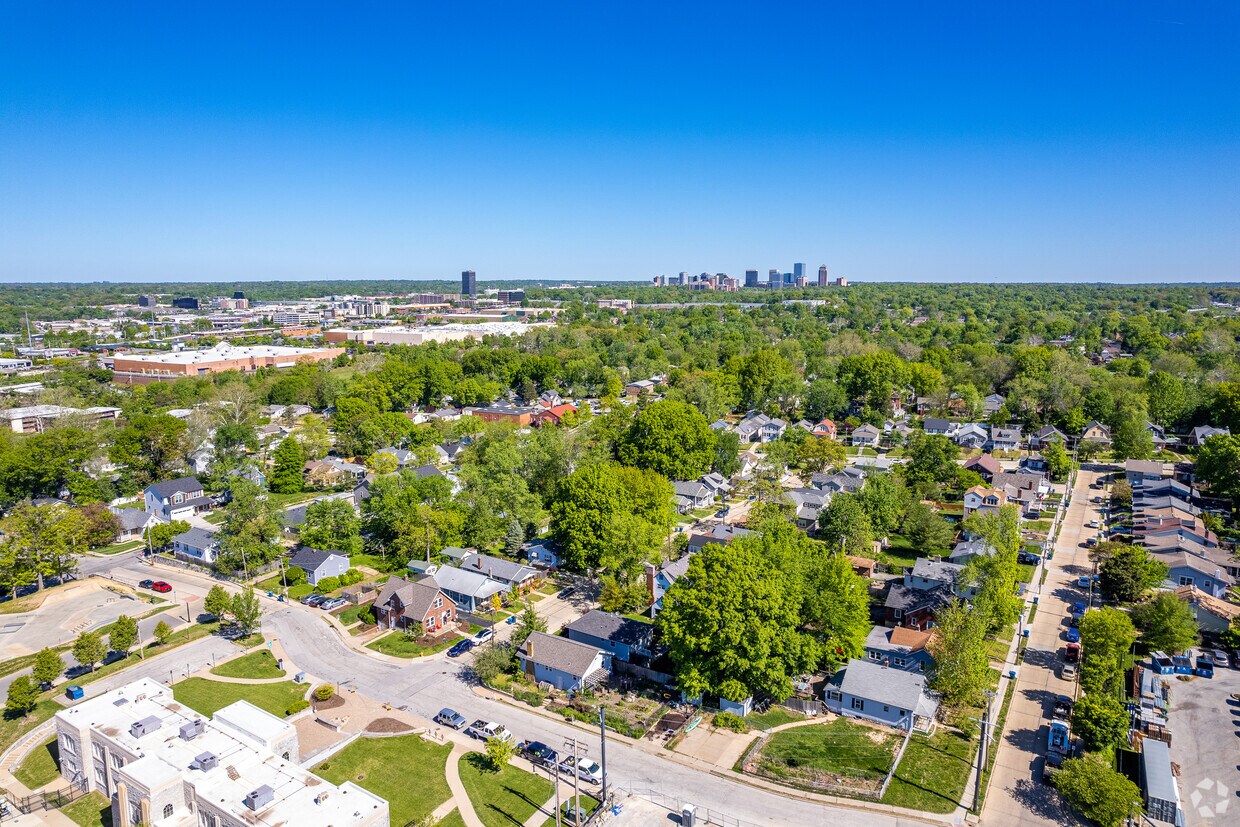
Maplewood is a compact inner-ring suburb of St. Louis, covering just two square miles in St. Louis County yet packing in a lot of character for its size. Established around the turn of the 20th century as a streetcar suburb, it retains much of its original residential fabric, with well-preserved homes from the 1900s lining tree-shaded streets. The city sits roughly eight miles west of downtown St. Louis, giving residents straightforward access to the broader metro's job market, cultural institutions, and entertainment without the pace of urban living. Manchester Road serves as the commercial spine, anchored by independent businesses, local breweries like Schlafly Bottleworks, and a walkable stretch of storefronts that give the area a grounded, neighborhood-scale energy. Forest Park and Tower Grove Park are a short drive away, and the Brentwood MetroLink station connects commuters to the wider region. The rental market here skews toward smaller apartment communities and flats within converted historic buildings, alongside a stock of vintage single-family rentals. Studios and one- and two-bedroom units make up the bulk of available rentals, appealing to those who want proximity to St. Louis without paying downtown prices. Maplewood's modest footprint and walkable core make it one of the more approachable close-in suburbs the St. Louis area offers.
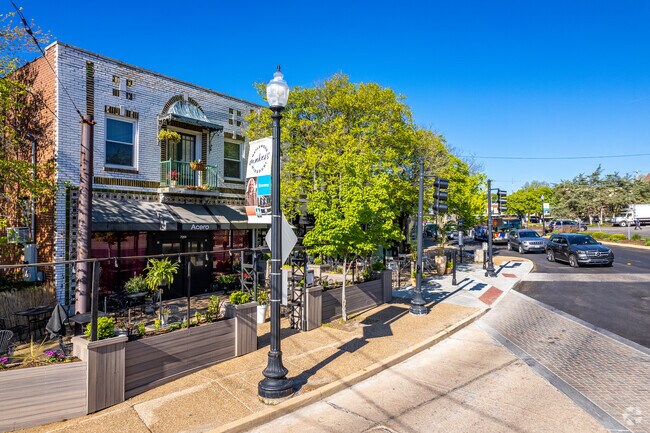
Maplewood residents can enjoy the atmosphere of eclectic shops in downtown.
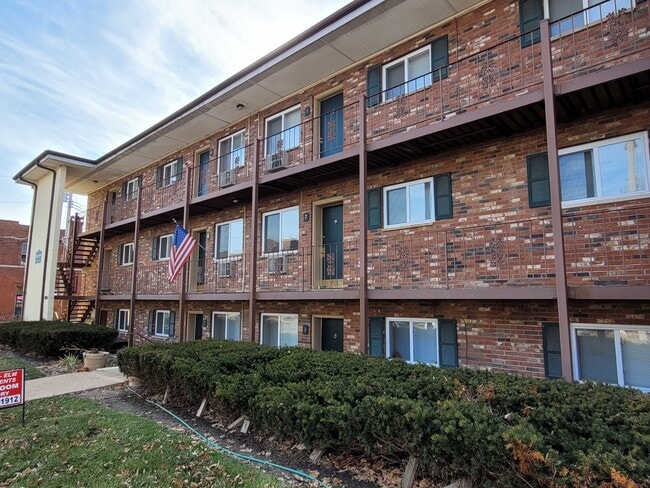
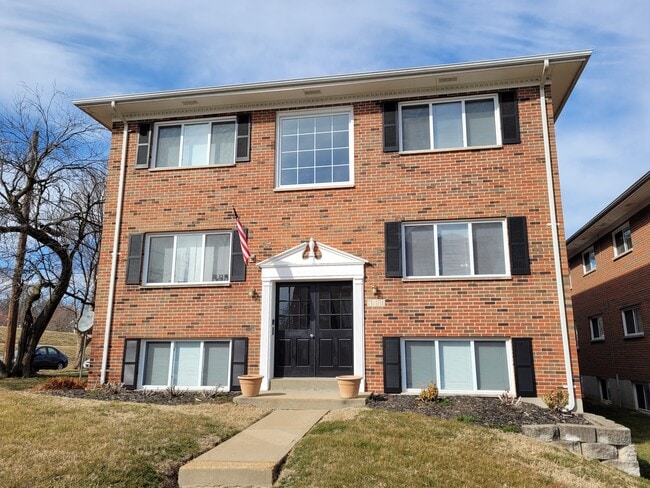
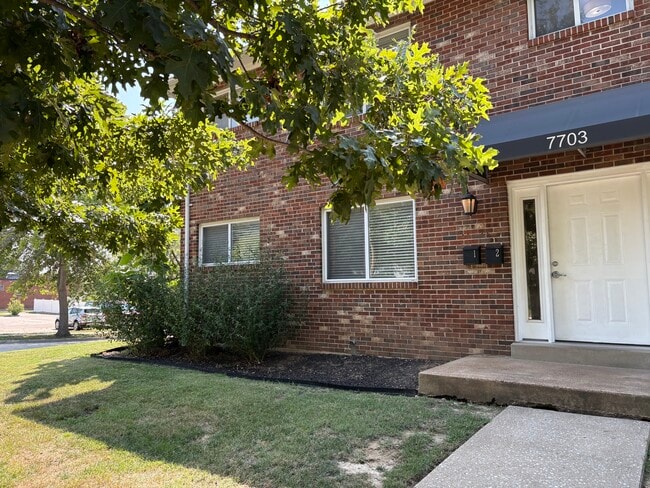
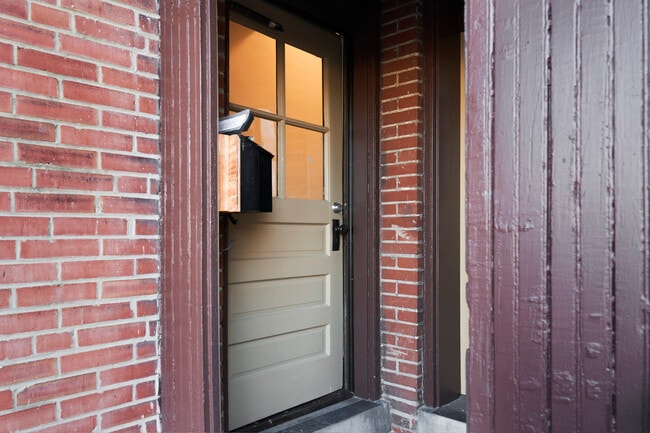
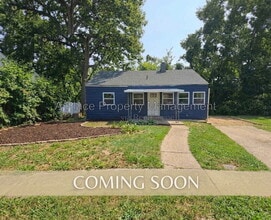
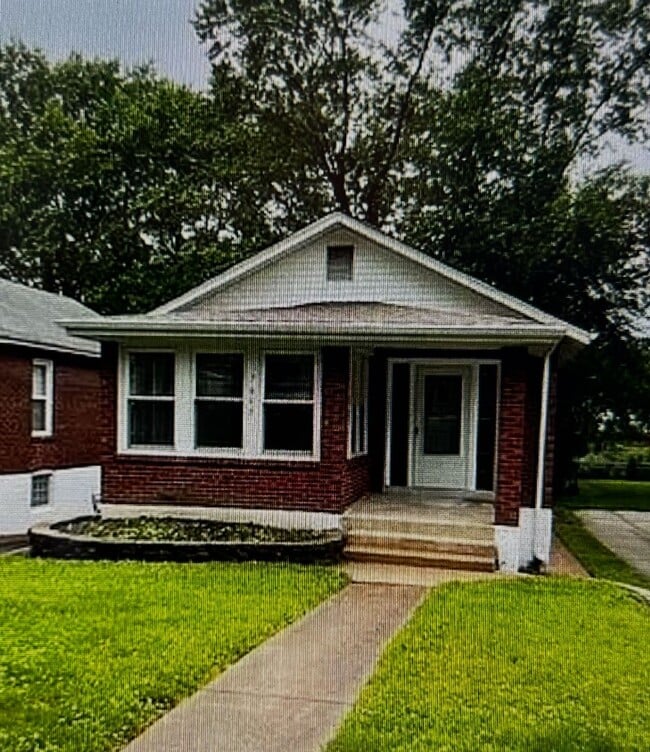
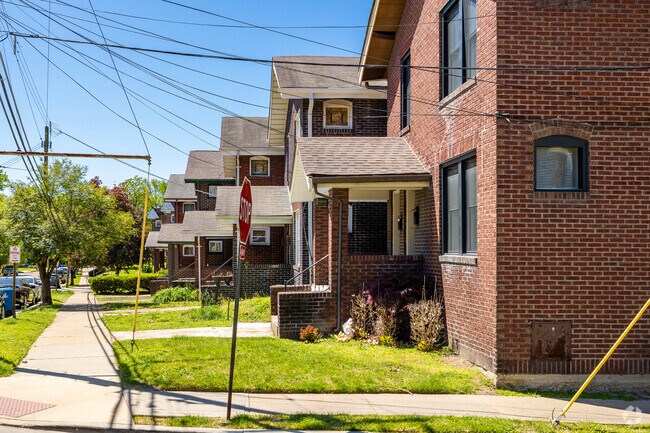
Older brick homes line the street and point to the history of the area.
Historic downtown Maplewood runs along Manchester Ave and is part of the original Route 66.
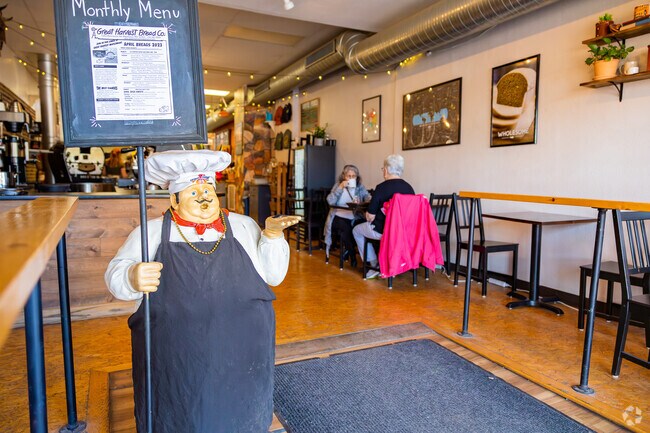
Schlafly Bottleworks in Maplewood has quieter, sectioned dining spaces within the restaurant.
The Book House in Maplewood is bigger on the inside than it appears with two levels.
Musical duos can be found enjoyed by a crowd on the sidewalks for Stringfest.
Median Household Income
$54,127
Average: $74,715
Education
3,486
Residents Have a Degree
Job Market
5,289
Workers Employed
Median Age
37 Years
Largest Age Group
30-39 Years
Approximately 21% of Residents
Under 20
22%
Over 65
13%
Housing Distribution
Maplewood has more renters than homeowners.

Education Distribution
Review this city's overall education levels.

As of September 2026, the average apartment rent in Maplewood, MO is $1,306 for a studio, $993 for one bedroom, and $1,369 for two bedrooms. Apartment rent in Maplewood has increased by 2.1% in the past year.
Explore how walkable, bikeable, drivable, and transit-friendly Maplewood, MO is for everyday living.
Moderately Walkable
Walkability
Some Public Transit
Transit
Very Drivable
Drivability
Fairly Bikeable
Bikeability

Public
Grades PK-5
451 Students

Public
Grades 6-8
197 Students

Maplewood-Richmond Heights High School
Public
Grades 9-12
439 Students

 The GreatSchools Rating helps parents compare schools within a state based on a variety of school quality indicators and provides a helpful picture of how effectively each school serves all of its students. Ratings are on a scale of 1 (below average) to 10 (above average) and can include test scores, college readiness, academic progress, advanced courses, equity, discipline and attendance data. We also advise parents to visit schools, consider other information on school performance and programs, and consider family needs as part of the school selection process.
View GreatSchools Rating Methodology
Data provided by
GreatSchools.org
© 2026. All rights reserved.
The GreatSchools Rating helps parents compare schools within a state based on a variety of school quality indicators and provides a helpful picture of how effectively each school serves all of its students. Ratings are on a scale of 1 (below average) to 10 (above average) and can include test scores, college readiness, academic progress, advanced courses, equity, discipline and attendance data. We also advise parents to visit schools, consider other information on school performance and programs, and consider family needs as part of the school selection process.
View GreatSchools Rating Methodology
Data provided by
GreatSchools.org
© 2026. All rights reserved.
† Our analysis of utilities, groceries, transportation, healthcare, home prices, and other goods and services is sourced from the Cost of Living Index, a respected benchmark published by the Council for Community and Economic Research (C2ER) that provides a thorough overview of living expenses across different regions.
Rent data is provided by CoStar Group’s Market Trend reports. As the industry leader in commercial real estate information, analytics, and news, CoStar conducts extensive research to produce and maintain a comprehensive database of commercial real estate information. We combine this data with public record to provide the most up-to-date rental information available.
Consumer goods, services, and home prices are sourced from the Cost of Living Index published by the Council for Community and Economic Research (C2ER). The data on this page is updated quarterly. It was last published in September 2026.
Demographic information comes from Neustar and combines detailed address data with U.S. Census and American Community Survey statistics to produce reliable local estimates.