Median Age
33 Years
Largest Age Group
25-34 Years
Approximately 30% of Residents
Under 20
18%
Over 65
13%
Avg Rent
$2,519
Population
43,598
Renter Mix
81% Rent
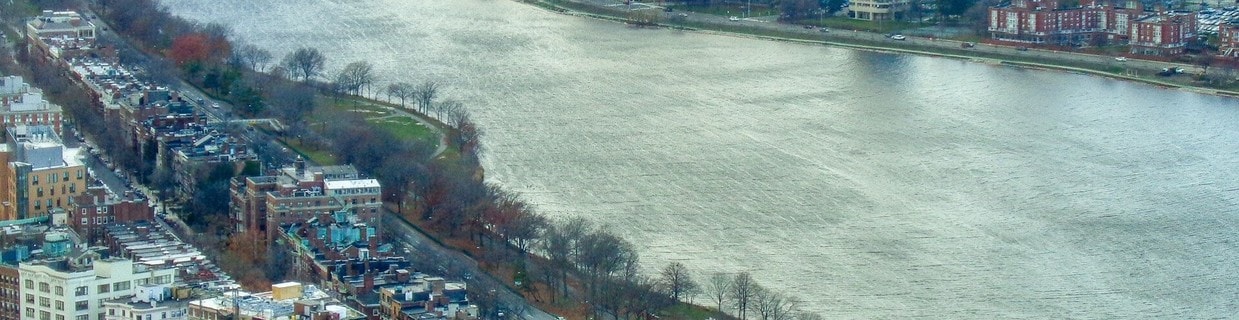
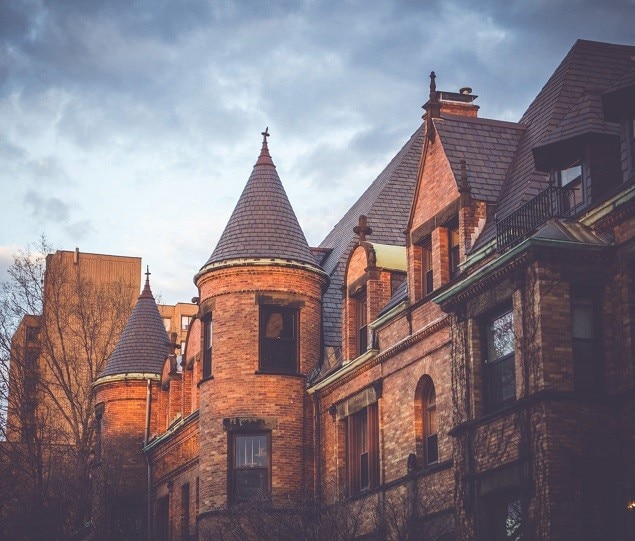
Brighton offers something rare in a big city: a neighborhood that feels genuinely walkable and self-contained, with historic brownstones and classic Boston brick lining streets full of cafes, restaurants, and local shops. Situated in the northwestern corner of Boston, the area includes the sub-neighborhoods of Cleveland Circle and Oak Square, and shares strong ties with adjacent Allston. Daily errands are easy to handle on foot, with groceries within a short walk and an impressive spread of dining and nightlife options nearby. The Charles River adds a natural edge to the neighborhood, drawing residents out for runs, strolls, and time outdoors.
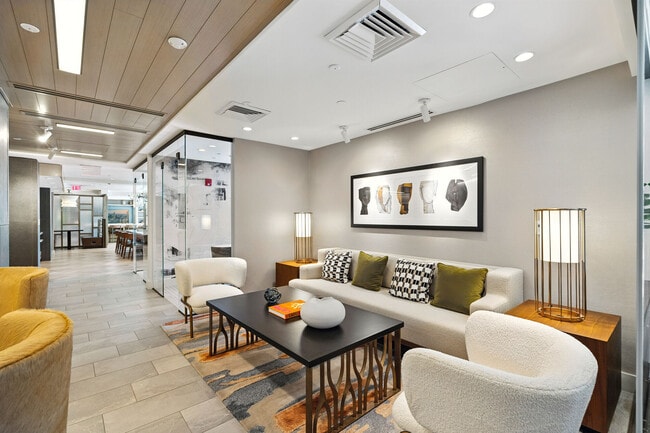
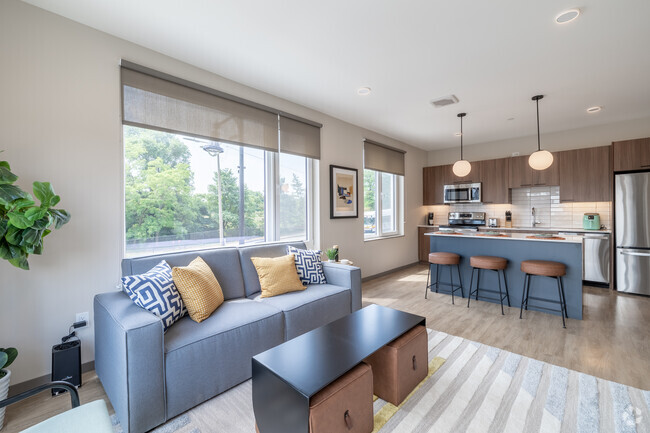
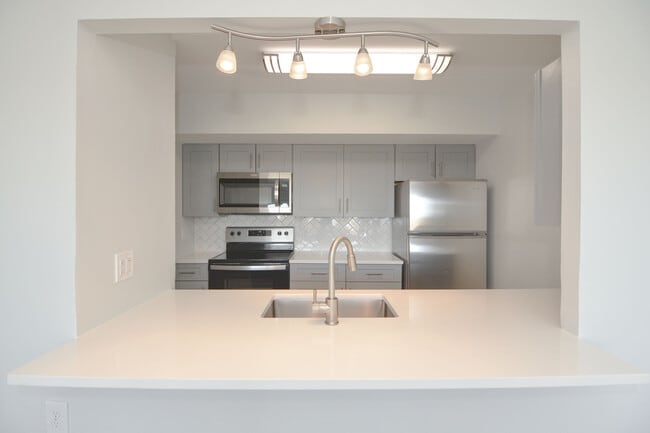
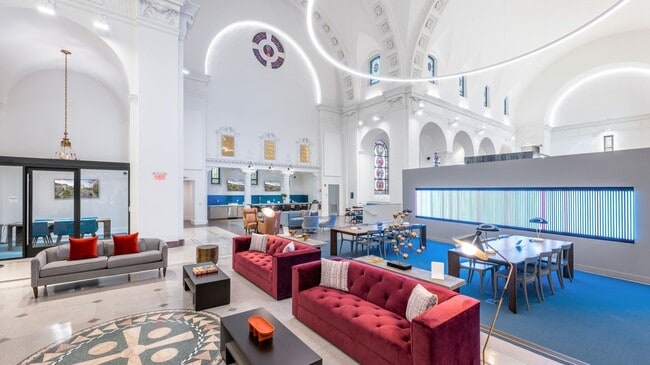
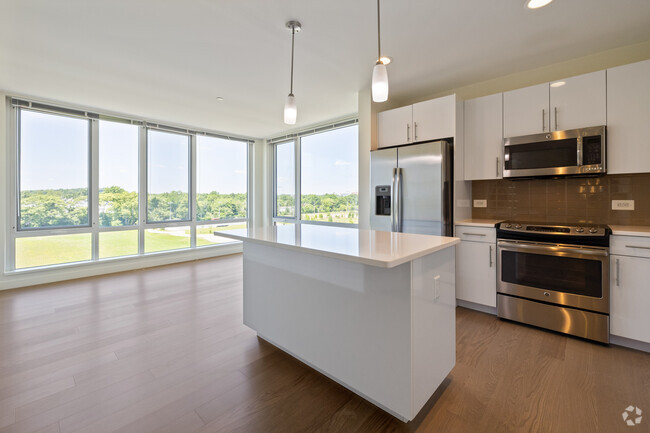
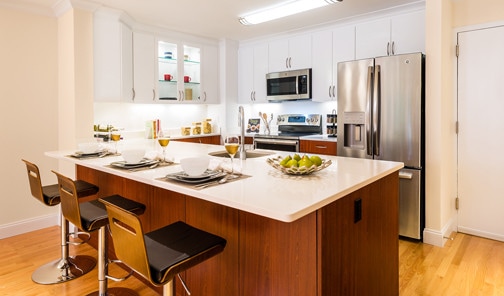
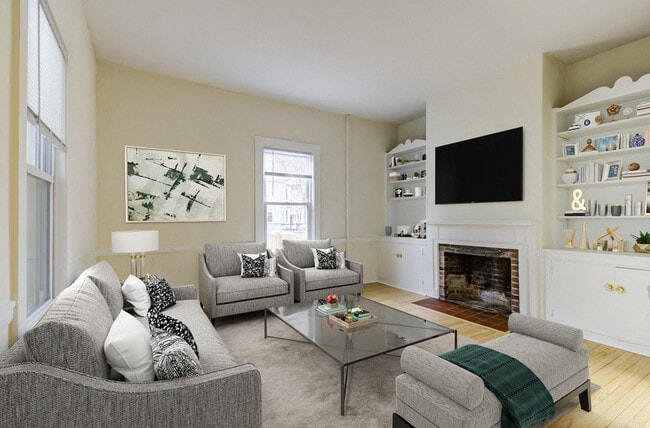
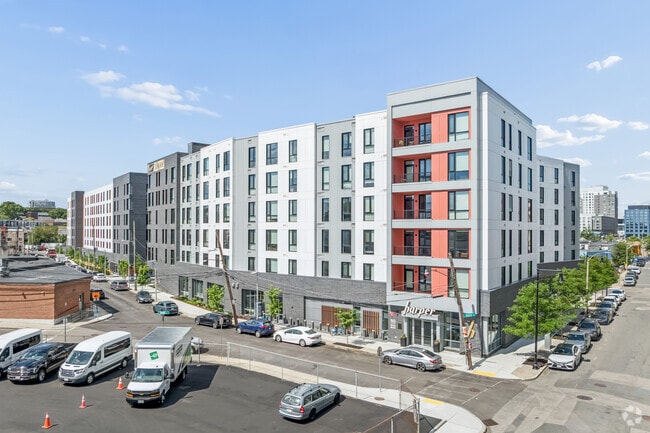
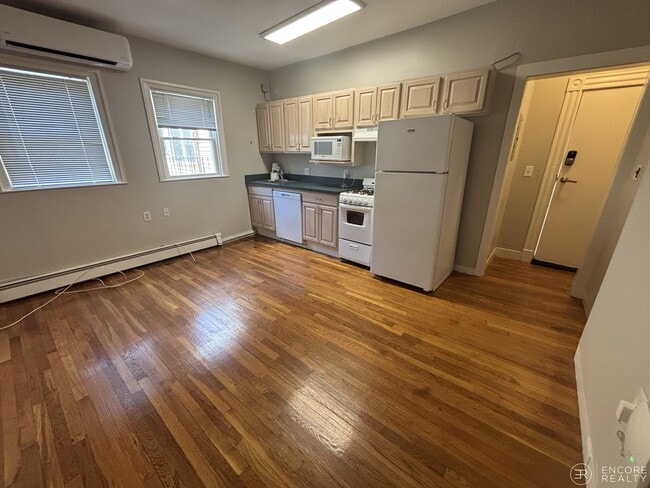
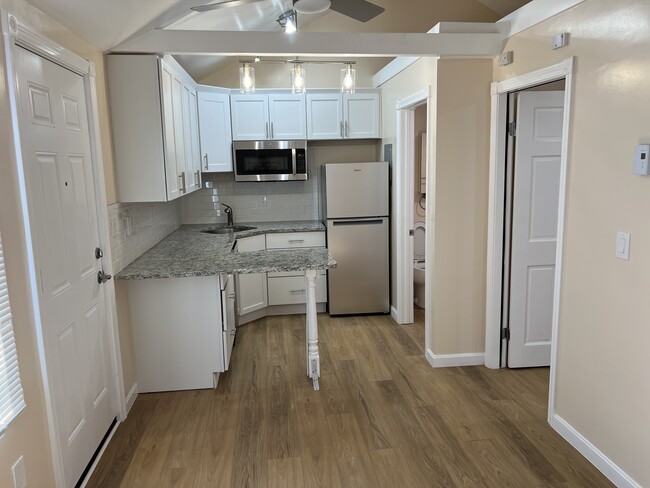
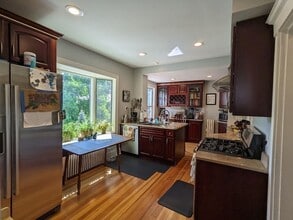
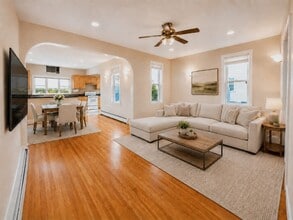
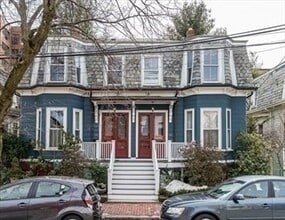
The rental stock spans a wide range of styles and eras. Classic multi-family brownstones and Victorian-era triple-deckers sit alongside newer apartment communities and converted lofts. That makes it possible to find a space that fits both taste and budget -- whether that means a ground-floor unit in a century-old building or a modern high-rise with city views.
Boston College sits about a mile and a half away, anchoring an academic presence that shapes the rhythm of the neighborhood throughout the year. Brighton was originally part of Cambridge, known as "Little Cambridge," before separating in 1807 and eventually being annexed to Boston in 1874 -- a history that sets it apart from much of the city it now calls home.
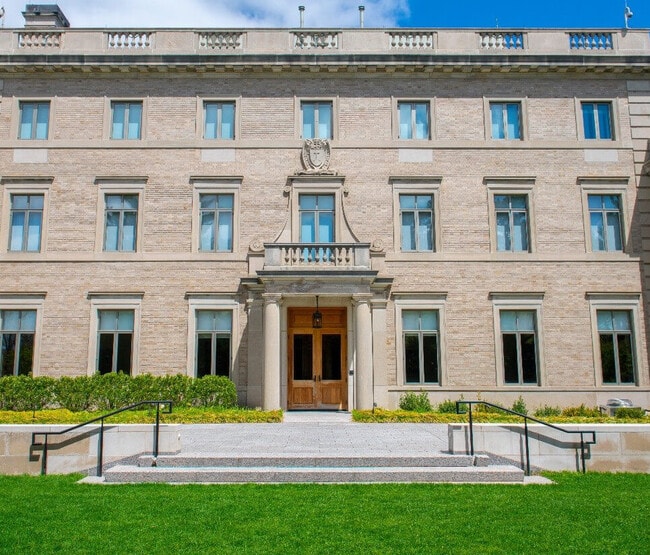
McMullen Museum of Art in Brighton
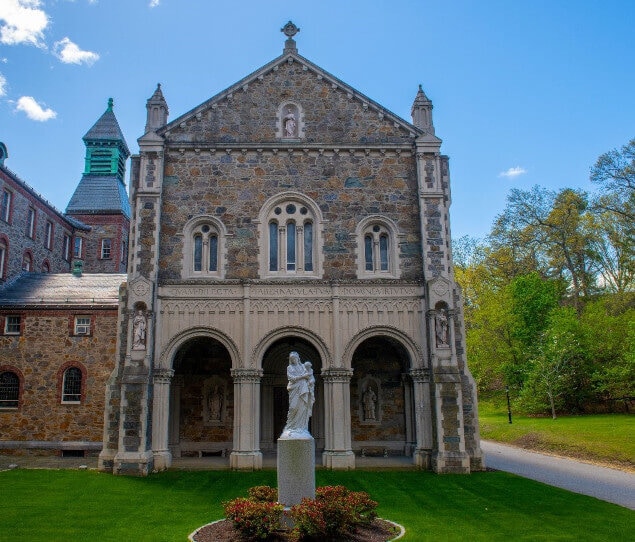
Saint John’s Seminary in Brighton on a lovely spring day
Sailboats along the Charles River
Cherry blossoms in Brighton
Median Household Income
$83,948
Average: $100,350
Education
25,090
Residents Have a Degree
Job Market
26,868
Workers Employed
Median Age
33 Years
Largest Age Group
25-34 Years
Approximately 30% of Residents
Under 20
18%
Over 65
13%
Housing Distribution
Brighton has more renters than homeowners.

Education Distribution
Review this city's overall education levels.

As of September 2026, the average apartment rent in Brighton, MA is $2,337 for a studio, $2,513 for one bedroom, $3,068 for two bedrooms, and $3,744 for three bedrooms. Apartment rent in Brighton has increased by 0.2% in the past year.
Explore how walkable, bikeable, drivable, and transit-friendly Brighton, MA is for everyday living.
Exceptionally Walkable
Walkability
Good Public Transit
Transit
Fairly Drivable
Drivability
Moderately Bikeable
Bikeability

† Our analysis of utilities, groceries, transportation, healthcare, home prices, and other goods and services is sourced from the Cost of Living Index, a respected benchmark published by the Council for Community and Economic Research (C2ER) that provides a thorough overview of living expenses across different regions.
Rent data is provided by CoStar Group’s Market Trend reports. As the industry leader in commercial real estate information, analytics, and news, CoStar conducts extensive research to produce and maintain a comprehensive database of commercial real estate information. We combine this data with public record to provide the most up-to-date rental information available.
Consumer goods, services, and home prices are sourced from the Cost of Living Index published by the Council for Community and Economic Research (C2ER). The data on this page is updated quarterly. It was last published in September 2026.
Demographic information comes from Neustar and combines detailed address data with U.S. Census and American Community Survey statistics to produce reliable local estimates.