Median Age
31 Years
Largest Age Group
25-34 Years
Approximately 36% of Residents
Under 20
18%
Over 65
6%





Avg Rent
$2,872
Population
21,980
Renter Mix
89% Rent
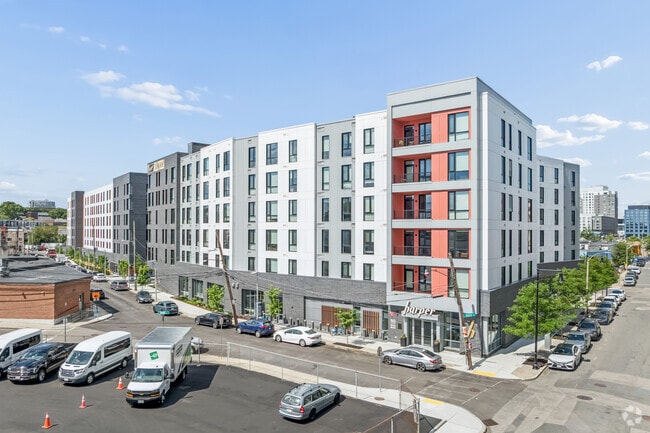
Best known for its rising student population and proximity to Harvard Business School, Allston’s diverse community and focus on academics makes it a great neighborhood to live in. While the area is very student-dense, its youthful atmosphere and short commute to Downtown Boston make it a hot spot for trendy restaurants, coffee shops, and things to do. The city offers tons of bars, multicultural restaurants, and cool music venues. On Brighton Avenue, you’ll discover Brighton Music Hall, which is down the road from the Paradise Rock Club.
When you rent an apartment in Allston, you’ll have access to many MBTA rail stations to get you from point A to point B. Students enjoy a bike ride after class at Christian Herter Park, which has breathtaking views of the Charles River. Affordability makes this community an attractive option for many locals. How much does it cost to live in Allston? Average apartment rent sits around $2,538/month, well below the city average.
Allston’s Harvard Business School
Charles River in the Fall
View of the Charles River in Allston
Median Household Income
$70,725
Average: $92,029
Education
13,093
Residents Have a Degree
Job Market
12,854
Workers Employed
Median Age
31 Years
Largest Age Group
25-34 Years
Approximately 36% of Residents
Under 20
18%
Over 65
6%
Housing Distribution
Allston has more renters than homeowners.

Education Distribution
Review this city's overall education levels.

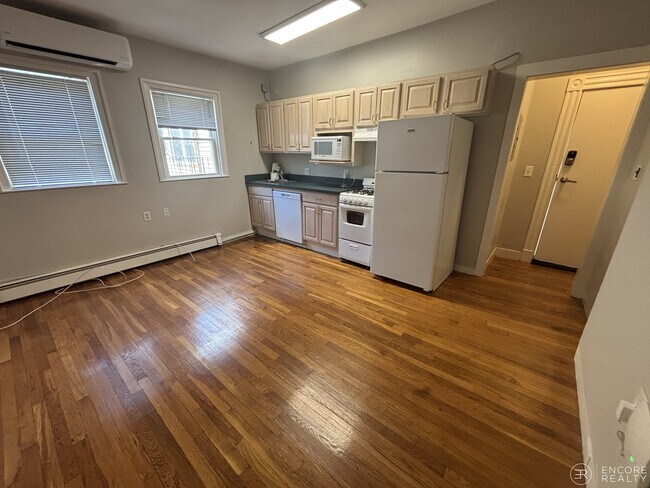
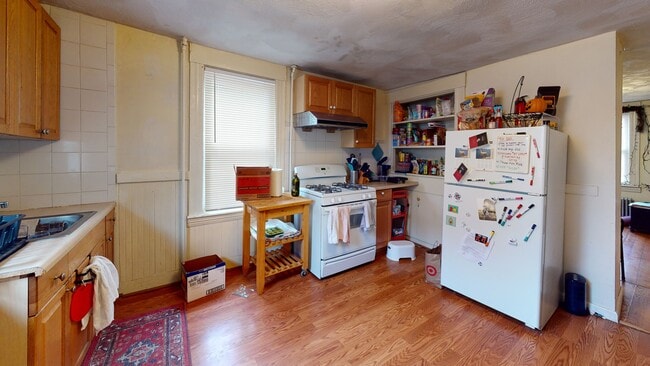
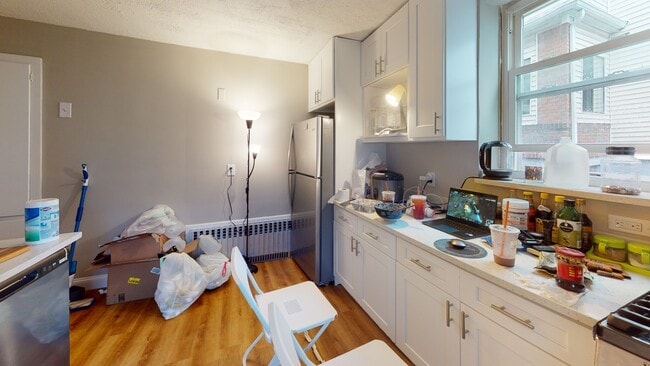
As of July 2026, the average apartment rent in Allston, MA is $2,499 for a studio, $2,872 for one bedroom, $3,528 for two bedrooms, and $3,967 for three bedrooms. Apartment rent in Allston has increased by 1.6% in the past year.
Explore how walkable, bikeable, drivable, and transit-friendly Allston, MA is for everyday living.
Exceptionally Walkable
Walkability
Good Public Transit
Transit
Moderately Drivable
Drivability
Very Bikeable
Bikeability

† Our analysis of utilities, groceries, transportation, healthcare, home prices, and other goods and services is sourced from the Cost of Living Index, a respected benchmark published by the Council for Community and Economic Research (C2ER) that provides a thorough overview of living expenses across different regions.
Rent data is provided by CoStar Group’s Market Trend reports. As the industry leader in commercial real estate information, analytics, and news, CoStar conducts extensive research to produce and maintain a comprehensive database of commercial real estate information. We combine this data with public record to provide the most up-to-date rental information available.
Consumer goods, services, and home prices are sourced from the Cost of Living Index published by the Council for Community and Economic Research (C2ER). The data on this page is updated quarterly. It was last published in June 2026.
Demographic information comes from Neustar and combines detailed address data with U.S. Census and American Community Survey statistics to produce reliable local estimates.