
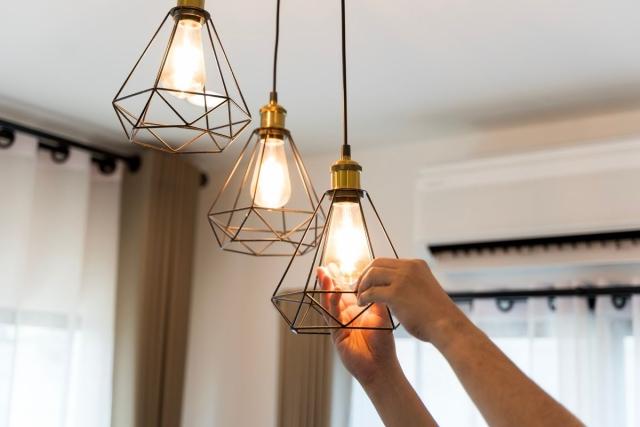
Older rentals don’t always need a complete remodel to compete with newer homes. Often, small visual cues can make a home appear dated—scuffed trim, mismatched hardware, dim lighting, or worn caulk.
This guide covers landlord-friendly DIY mini-projects you can tackle one at a time. You don’t need years of handyman experience—just a few basic tools, time, patience, and a little elbow grease can do wonders.
What’s more, unlike many home improvement projects, these smaller projects typically cost less than $300 each in materials. Ready to roll up your sleeves? Let’s dive in.
What “Under $300” Means (Materials Only)
Prices vary by region and by unit size, so treat “under $300” as a baseline cost per project, per unit, in materials only. With DIY, you are supplying your own labor at zero cost.
Before you start any mini-project:
- Make a list. Assess what you have and what you need.
- Price shop. Can the same item be found elsewhere at a better price?
- Inspect for quality. If you have to replace the same item again and again, it’s time to upgrade.
If you end up hiring a handyman, you can still use this list as a reference guide, keeping in mind that labor will be an additional charge.
15 Landlord DIY Mini-Projects
Here are 15 landlord-friendly DIY mini-projects—each typically under $300 in materials—that can make a rental feel cleaner, brighter, and more updated without taking on a full renovation.
1) Standardize lighting color (fastest visual upgrade)
Mismatched bulbs (bright white in one room, warm yellow in another) make a home feel piecemeal. Additionally, flickering or blown bulbs can be an instant turn-off to prospects. If you have old lighting fixtures, make sure they are dust-free or replace them.
Basic materials:
LED bulbs in a single color temperature—2700K (soft white) is a common pick.
Tip: Pick one temperature for all internal light fixtures to create a cohesive appearance.
2) Swap switch plates and outlet covers
Yellowed plates are a subtle but easy “old house” giveaway.
Basic materials:
Matching white (or modern style) plates. If you wish to splurge, check out screwless plates and covers.
Tip: If you see brittle wiring, scorch marks, or loose outlets, stop and call a professional.
3) Replace dated door hardware (knobs/lever handles)
Replacing dated or worn door hardware can give frequently used doors a refreshed appearance and address loose or damaged knobs.
Basic materials:
A screwdriver and screws
Tip: Choose finishes that are widely available, such as nickel.
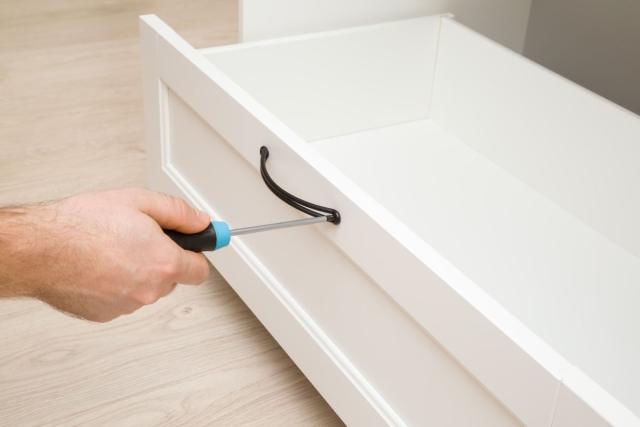
4) Upgrade drawer pulls and cabinet knobs (kitchen/baths)
These can make cabinets appear updated even if the millwork is older.
Basic materials:
Screws and a screwdriver
Tip: Take one of the old pulls with you when shopping for replacements. Choose new hardware that matches the existing hole spacing to avoid having to drill new holes.
5) Renew caulk around tubs, showers, and sinks
Dingy, torn caulk reads as grime—even when the rest of the home is clean.
Basic materials:
Mildew-resistant caulk, caulk remover tool, rubbing alcohol, painter’s tape.
Tip: Do this project before photographing the bathroom.
6) Install a new ceiling fan
A modern, wobble-free fan improves comfort and makes a room feel more current—especially in warm-weather markets. It can also improve first impressions during tours.
Basic materials:
Mounting tools, pliers, wire strippers
Tip: If you are not comfortable working with electrical connections, hire a licensed electrician.
7) Replace a single “statement” light (main entry or dining area)
One modern fixture can change the feel of the whole home.
Basic materials:
Wire strippers, pliers, electrical tape, matching light bulbs.
Tip: A chandelier, a high ceiling, or electrical work may require a professional.
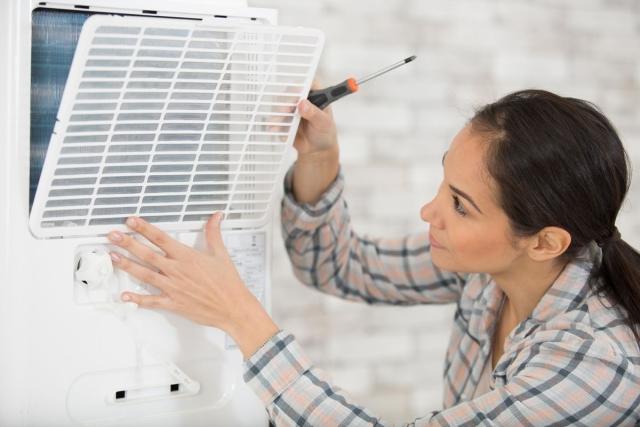
8) Replace or clean air return/filter grills
Rusty or dusty air vents are an instant turnoff and signal poor upkeep.
Basic materials:
New grills sized correctly or cleaning supplies.
Tip: Pair this with a new HVAC filter to improve both appearance and air quality.
9) Change or clean the bathroom fan cover(s)
A dingy cover makes the whole bathroom feel worn.
Basic materials:
Replacement cover (if compatible) or cleaning supplies.
Tip: If the fan is loud, weak, or doesn’t clear humidity, a full fan replacement may be worth considering.
10) Refresh the front door with new paint
Curb appeal affects click-through on listings and first impressions at showings.
Basic materials:
A can of exterior paint and painting supplies
Tip: Consider the color of the shutters (and any HOA requirements) when choosing exterior paint.
11) Patch and paint specific areas
Chips on trim, doors, and baseboards can make a rental look worn—even if the walls are in good shape.
Basic materials:
Spackle, sanding sponge, matched paint for trim/doors
Tip: Examine high-impact places: baseboards near entryways, door frames, and around light switches.
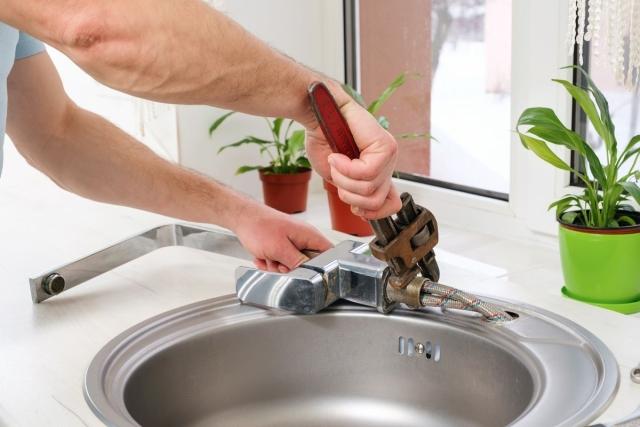
12) Install a new faucet (kitchen/bath) if it looks dated
A modern faucet can give a kitchen or bathroom an updated appearance.
Basic materials:
Faucet kit, wrench, small bucket and sealant
Tip: If shutoff valves are old/corroded, this can become more than a mini-project—it may be a job for a professional.
13) Exchange the showerhead(s)
Improves the shower experience and makes the bath photograph better.
Basic materials:
Showerhead, plumber’s tape, pliers, and a wrench
Tip: Look for a sturdy showerhead with a durable finish, and avoid ultra-cheap options that can fail quickly. Shower rods are usually inexpensive. Check the condition and make a swap if it’s rusty, loose, or bent.
14) Upgrade closet hardware
Worn, loose, or misaligned closet hardware can make doors, rods, and shelving difficult to use. Replacing these components can improve function while giving the closet a more finished appearance.
Basic materials:
Closet rod, brackets, shelf supports
Tip: Before buying new hardware, measure the closet and check how the existing rod, brackets, and shelf supports are mounted. Choosing replacements that fit the current setup can make installation easier and help you avoid unnecessary drilling.
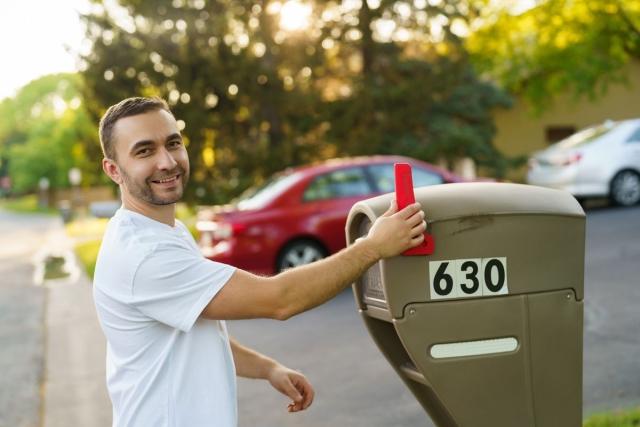
15) Refresh or replace the mailbox
A worn, leaning, or rusted mailbox can drag down curb appeal. Because tenants may use it every day, the mailbox should be clean, secure, and easy to open and close.
Basic materials:
A new mailbox or paint and cleaning supplies.
Tip: Trim down any overgrown grass or weeds around the mailbox. Make sure the mailbox numbers are easy to see from the street—replacement numbers are widely available at minimal cost.
Start Here: The 3 Best Mini-Projects (and When to Call a Pro)
If you can only do 2–3 projects right now, consider tackling these for the greatest immediate impact:
- Lighting (needed for photos and in-person tours)
- Caulking in bathroom (to help prevent mold issues)
- Refresh the front door (creates a strong first impression)
If a project involves:
- electrical wiring beyond simple bulb swaps,
- plumbing shutoffs that look corroded,
- or anything that may require a permit,
…it’s wise to hire a pro, rather than risk turning a $100 project into a $700 emergency.
Go From Refreshed to Rented
When your property is ready to list, Apartments.com Rental Tools can help you take the next step. Market your rental, manage inquiries, and much more—all in one place for free.
Sign up today!
FAQs
What renovations increase rental value?
The biggest rent-impact upgrades are usually higher-cost items (flooring, kitchens, bathrooms, appliances). But small DIY mini-projects can still increase perceived value by making the home feel cleaner and better maintained, helping you hold your asking rent and reduce days on market.
Can I write off renovation expenses on a rental property?
It depends on whether the work is considered an operating expense or a capital improvement. Keep receipts and document what was done, then confirm with a tax professional for your specific situation.


