
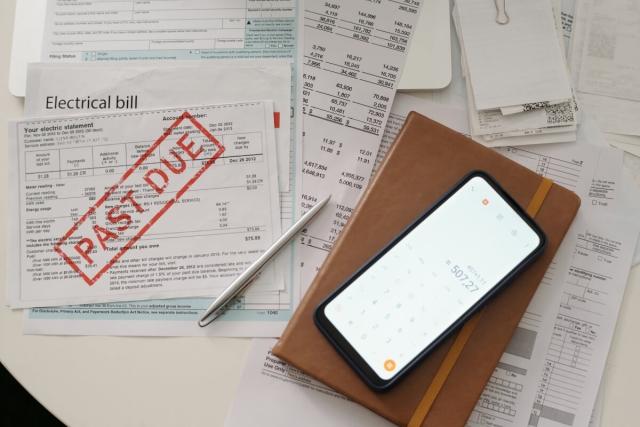
When a tenant misses a utility payment, it can quickly become more than an unpaid bill. Depending on whose name is on the account, the situation could lead to service interruptions, collection notices, or unexpected expenses for the landlord. Knowing who is responsible for utility bills, how to respond, and what your lease and state laws allow can help you resolve the issue while protecting your rental property.
What Happens If a Tenant Doesn’t Pay Utilities?
If the tenant’s name is on the utility account, they’re generally responsible for paying the bill and any resulting late fees or collections. However, if the landlord’s name is on the account, the utility company will typically hold the landlord responsible for unpaid balances, even if the lease states the tenant must reimburse those costs.
The best course of action depends on:
- Whose name is on the utility account
- What your lease agreement says about utility responsibility
- Your state’s landlord-tenant laws
- Whether the tenant is experiencing temporary financial hardship
Who Is Responsible for Utility Bills in a Rental Property?
Utility responsibility should always be clearly outlined in the lease agreement. Before taking any action, review the lease to confirm who is responsible for paying each utility, including electricity, water, gas, sewer, trash, internet, or other services.
In the United States, there's no federal law dictating whether you or the tenant should be responsible for utilities. For single-unit properties, many landlords require tenants to register utilities under their own names. In properties with multiple units and in major cities like New York, landlords often cover essential utilities like water, sewer, and sometimes heat, with costs included in rent. If you opt to include utilities in the rent, make sure you discuss it with your tenant and document it clearly in the lease agreement.
When utilities are in the tenant’s name
If utilities are in the tenant’s name, they are generally responsible for:
- Paying monthly utility bills
- Any late fees
- Collection accounts resulting from nonpayment
- Restoring disconnected service
In most cases, unpaid utility bills remain the tenant’s financial responsibility rather than the landlord’s.
When utilities are in the landlord’s name
If utilities are in the landlord’s name, the utility company expects the landlord to make payments even if they tenant agreed to reimburse those costs.
Depending on your lease and state law, you may be able to:
- Bill the tenant for unpaid utilities
- Apply utility charges according to your lease
- Deduct eligible unpaid utility costs from the security deposit after move-out (where permitted)
- Pursue reimbursement through legal channels if necessary
What to Do When a Tenant Doesn't Pay Utility Bills
If a tenant falls behind on utility payments, take a measured approach before considering legal action.
- Review your lease agreement
Confirm who is responsible for each utility, when utility payments are due, whether late fees or reimbursement provisions apply, and whether unpaid utilities constitute a lease violation. A well-written lease often determines how easily these situations can be resolved.
- Contact your tenant
Sometimes missed utility payments result from temporary financial difficulties, oversight, or billing issues.
Reach out professionally to ask about the missed payment, verify whether service has been interrupted, and determine whether the issue is temporary. Keep written records of all communications with tenants.
Open communication may help prevent the situation from escalating.
- Verify the utility account status
If permitted, confirm:
- Whether payment has actually been missed
- Whether a shutoff notice has been issued
- Whether late fees have accumulated
- Whether payment arrangements already exist
Understanding the account status helps determine next steps.
- Review your state’s landlord-tenant laws
Utility laws vary by state. Before taking enforcement action, verify whether your state:
- Allows unpaid utilities to be treated as unpaid rent
- Permits deductions from the security deposit
- Requires specific notices before legal action
- Restricts landlord remedies
Because utility laws differ significantly by jurisdiction, consult your state’s landlord-tenant statutes or seek legal advice if needed.
- Document everything
Maintain records of:
- Utility invoices
- Lease provisions
- Payment requests
- Emails and text messages
- Notices provided to the tenant
Documentation can become important if the dispute progresses to court.
- Consider a payment plan
If the tenant is experiencing temporary financial hardship, a written repayment agreement may help avoid further complications.
The agreement should specify:
- The amount owed
- A payment schedule
- Payment due dates
- Consequences for missed payments
- Pursue legal remedies if necessary
If the tenant refuses to pay and your lease supports recovery, you may need to pursue legal action. Serve any legal notices, seek reimbursement through small claims court (where appropriate), or begin the eviction process if unpaid utilities qualify as a lease violation under your state law.
What Happens If Utilities Are in the Tenant’s Name?
When the tenant holds the utility account, the utility company generally pursues the tenant for unpaid balances. Missed payments may affect the tenant’s credit, and utility service could be disconnected if bills remain unpaid. The tenant may need to satisfy the balance before opening service elsewhere.
While you’re not responsible for remedying the situation when utilities are in the tenant’s name, service interruptions can affect your rental property, making prompt communication important.
What Happens If Utilities Are in the Landlord’s Name?
If utilities remain under the landlord’s account, the landlord is responsible for paying the provider. The tenant may still owe reimbursement under the lease, so unpaid balances should be documented carefully. Landlords may recover eligible costs through lease enforcement, security deposit deductions (where permitted), or legal action.
Mistakes Landlords Should Avoid When Utilities Go Unpaid
Dealing with an unpaid utility bill can be a stressful process, but you should avoid the following actions so you don't make the situation worse:
- Ignoring the issue until service is disconnected
- Assuming every state follows the same landlord-tenant laws
- Shutting off utilities to pressure a tenant to pay or move out
- Failing to document communications
- Relying on verbal agreements instead of written lease provisions
Always check your lease and state laws before taking action.
How to Prevent Tenants from Falling Behind on Utility Bills
No landlord wants a tenancy to end—or continue—with outstanding utility bills. Here are some tips to prevent a situation like this from happening in the future.
Clearly define utility responsibilities in leases
Your lease should clearly state whether you or the tenant is responsible for utilities, including whose name appears on the utility bills. If you're providing utilities but they're not included in the rent, specify how and when tenants should reimburse you.
Explain payment expectations during move-in
Move-in is an ideal time to review utility payment expectations before they become an issue. Walk tenants through which utilities they must pay, when those payments are due, how reimbursements should be submitted if applicable, and what could happen if bills are missed. Discussing these details in addition to providing them in writing helps reinforce the lease terms and gives tenants a clear reference throughout the tenancy.
Encourage tenants to establish utility accounts promptly
If tenants are responsible for placing utilities in their own names, encourage them to contact providers as soon as the lease is signed or before move-in day. Delays can lead to service interruptions, confusion over account responsibility, or unpaid charges tied to the property. Remind tenants which providers serve the rental and when service should begin so there is no gap in coverage.
Screen tenants thoroughly before approving an application
Tenant screening can help you evaluate whether an applicant is likely to meet ongoing housing-related financial obligations, including rent and utility costs. Reviewing income, rental history, credit information, and other permitted screening criteria can provide a more complete picture of an applicant’s reliability. Be sure to follow all applicable fair housing laws and use consistent screening standards for every applicant.
Apartments.com partners with TransUnion to provide you with screening reports for an applicant's rental, credit, and criminal history to make it easy for you to screen tenants and find a qualified renter quickly. If you need more information to decide, you can request supporting documents from potential tenants directly on our platform.
Use online payment tools to track charges and reimbursements
Online rent collection and expense tracking tools can make it easier to document utility-related charges, reimbursement requests, and payment history in one place. Clear digital records help reduce confusion about what was billed, what was paid, and what remains outstanding. They can also make it easier to follow up with tenants before a small balance becomes a larger dispute.
Apartments.com Rental Tools makes it easier, faster, and safer to collect payments online, helping to reduce landlord-tenant disputes.
Conduct regular communication throughout the lease term
Regular communication throughout the lease term can help landlords catch utility issues early. Periodic check-ins, renewal conversations, or routine reminders can reinforce payment responsibilities and give tenants an opportunity to raise concerns before bills become overdue.
Keeping communication professional and documented also helps establish a clear record if problems arise later. Apartments.com Messages makes it easy to communicate with renters and keep records of key conversations.
Understanding who is responsible for utility payments is a crucial part of property management, and clear lease agreements and open communication can prevent issues. If a tenant is not paying their bills, follow legal procedures to resolve the matter and avoid taking drastic measures like shutting off utilities. If you prioritize clarity and compliance with local laws, you can resolve the issue to keep your tenant living on the property or get your rental back on the market in no time.
Disclaimer: This article is for informational purposes only and should not be considered legal advice. Landlord-tenant laws, utility regulations, security deposit rules, and eviction procedures vary by state and municipality. Consult a qualified attorney or your local housing authority regarding your specific situation.
This article was originally published on November 17, 2020, by Jacob Margle and has been updated.
FAQs
Can a landlord evict a tenant for unpaid utilities?
Whether a landlord can evict a tenant for unpaid utility bills depends on state law and the lease agreement. In some states, unpaid utilities may constitute a lease violation or be treated similarly to unpaid rent. In others, landlords must pursue reimbursement separately.
Before beginning an eviction, verify your state’s legal requirements and follow all required notice procedures.
Can a landlords shut off utilities if tenants don’t pay?
Generally, no.
In most states, landlords cannot intentionally disconnect essential utilities to force a tenant to leave. Doing so may violate landlord-tenant laws and expose the landlord to legal penalties. Always follow your state’s eviction procedures before taking enforcement action.
Can unpaid utilities be deducted from a security deposit?
Possibly. Many states allow landlords to deduct unpaid utility bills from the tenant’s security deposit if the lease authorizes it, state law permits the deduction, and proper documentation is provided. Always review your state’s security deposit requirements before making deductions.
Can unpaid utility bills affect a tenant’s credit?
Yes. If utilities are in the tenant’s name, unpaid balances may be sent to collections, potentially affecting the tenant’s credit history.
Who pays unpaid utility bills after a tenant moves out?
Responsibility depends on whose name is on the utility account and what the lease agreement states. Landlords may be able to recover eligible unpaid utility costs from the security deposit where permitted by state law.
Should landlords offer payment plans?
If the tenant is experiencing temporary financial hardship, a written payment plan may resolve the issue more efficiently than immediate legal action while preserving the landlord-tenant relationship.


