
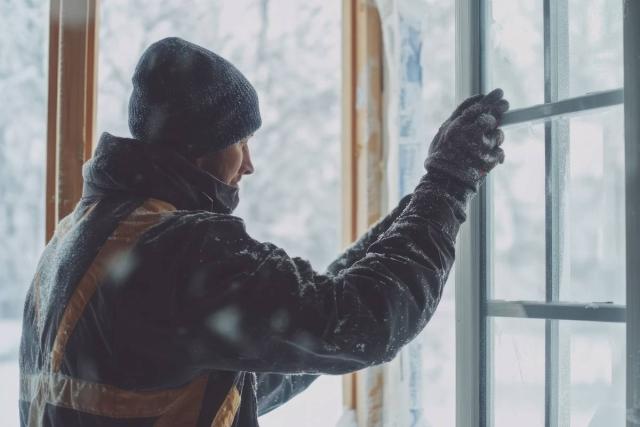
Winter is a season of joy, filled with holidays and chilly weather for staying in and gathering with loved ones. However, for property owners and managers, this time of year can bring numerous stressors, particularly when it comes to property maintenance. This is where winterizing your rental property comes in.
In this guide, we’ll share our top tips for winterizing your rental home. That way, you can enter this joyous time of year with peace of mind, satisfied tenants, and no unexpected repair or maintenance costs.
Key Takeaways:
- Smart upgrades can cut winter energy costs significantly. Installing a smart thermostat can reduce heating bills and allow remote control, while switching ceiling fans to a clockwise direction can save up to 15% in heating costs each winter.
- Water heaters and windows are top energy drains. Water heaters can account for over 20% of a utility bill, but insulating them and flushing sediment can boost efficiency. Drafty windows may waste over 25% of heating energy — sealing leaks and adding insulation film are budget-friendly fixes.
- Winterization needs vary by region. Properties in the Northeast and Midwest require robust snow and pipe protection, while Southern and coastal homes should focus on sealing drafts and managing moisture. Mountain homes need reinforced roofing and early maintenance due to severe weather and remote access challenges.
Why It’s Important to Winterize Your Rental Property
Preparing your rental property for winter is essential to protect it from the harsh effects of cold temperatures, snow, and ice. Proactive winterization helps prevent costly damage, such as burst pipes, roof leaks, and HVAC failures, while preserving the long-term value of your investment.
Rental property winter maintenance also ensures a safe, warm, and comfortable environment for your tenants, which can lead to higher tenant satisfaction and retention. By addressing potential issues before they arise, you reduce emergency repairs and minimize disruptions throughout the winter season — saving time, money, and stress.
10 Ways to Winterize Your Rental Property
Before the chill of winter sets in, it is essential to take preemptive steps to safeguard your rental property. Below are 10 easy ways you can winterize your rental property so both you and your tenants can have a worry-free winter.
- Clean gutters and downspouts
- Insulate and flush your water heater
- Adjust your ceiling fans and circulate warm air
- Replace air filters and maintain HVAC system
- Winterize windows
- Winterize doors
- Add or upgrade insulation
- Check and seal exterior cracks
- Install a smart thermostat
- Protect fireplace/chimney
1. Clean Gutters and Downspouts
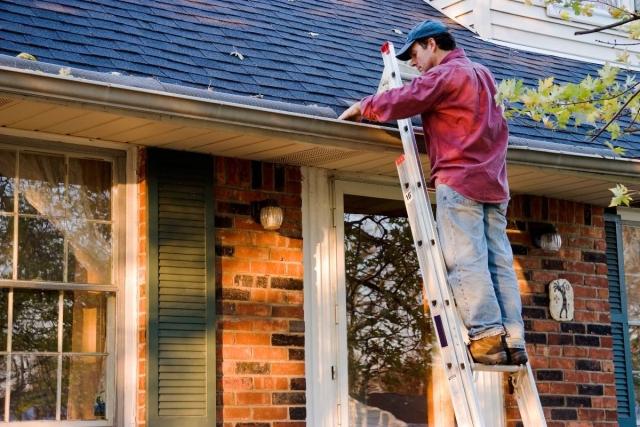
Cleaning gutters is a critical first step in winterizing your rental property. Clogged gutters can overflow, leading to water damage around the roofline, siding, and foundation. In cold climates, they can contribute to ice dams and dangerous icicle buildup. This is why it’s essential to clear out leaves, pine needles, and other debris to ensure proper drainage before winter storms hit.
To make ongoing maintenance easier, consider installing gutter guards, which reduce buildup and only require occasional brushing. You can also find gutter cleaning tools that connect to shop vacs or leaf blowers to minimize ladder use. As always, prioritize safety. If the job is too risky or requires tall equipment, hire a professional to handle it.
2. Insulate and Flush Your Water Heater
Water heating can account for 18% of a rental property's utility bill, especially during colder months. To boost efficiency and extend the lifespan of your water heater, two simple winterization steps can make a big difference: insulate and flush.
First, install a water heater blanket, an inexpensive upgrade (typically under $30 at most hardware stores) that helps retain heat and reduce energy use. Additionally, insulate the hot water pipes using foam sleeves or insulated wraps to prevent heat loss as water travels to taps. These upgrades are easy DIY projects that offer quick returns on investment.
Next, flush the water heater tank through the drain valve to remove sediment buildup, which can reduce heating efficiency and strain the system. This task should be done at least once a year, ideally before the peak winter weather. These low-cost fixes improve performance, lower utility bills for you or your tenant, and help avoid expensive repairs down the line.
3. Adjust Your Ceiling Fans/Circulate Warm Air
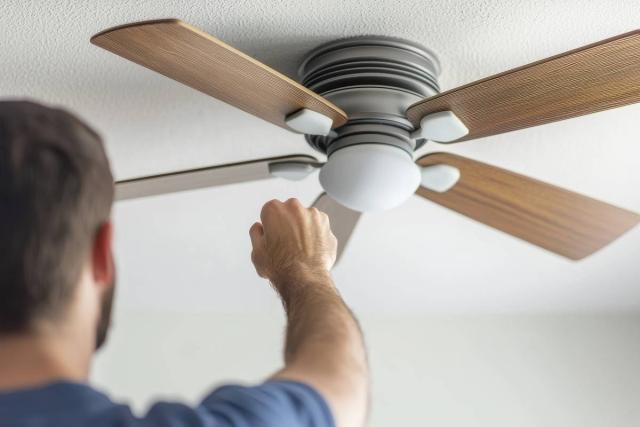
Ceiling fans aren’t just for summer — they can also help reduce heating costs in winter. By switching the fan’s direction to clockwise, warm air trapped near the ceiling is pushed downward, improving overall heat circulation in the room. Most ceiling fans have a small toggle or reverse switch on the motor housing to easily change the direction.
Encourage your tenants to reverse their fans each fall, or handle it during routine maintenance if the unit is vacant. This simple adjustment can help lower heating bills by up to 15% during the winter, especially in rooms with high ceilings or poor airflow.
4. Replace Air Filters and Maintain HVAC System
Regularly replacing air filters is one of the easiest and most cost-effective ways to keep your HVAC system running efficiently during the winter. Swapping out filters every 60–90 days helps reduce strain on the system, lowers energy bills, improves indoor air quality, and extends the life of the unit.
But remember, not all filters are created equal. Basic fiberglass filters are inexpensive but offer minimal filtration, while higher-grade pleated filters (like 3M or HEPA-rated models) trap allergens and dust more effectively. If you're providing the filters, ask your tenant if they have preferences, or leave a few options on hand.
Also consider scheduling seasonal HVAC maintenance before winter hits. A simple tune-up can prevent breakdowns, catch issues early, and ensure the system runs at peak efficiency when it's needed most.
5. Winterize Windows
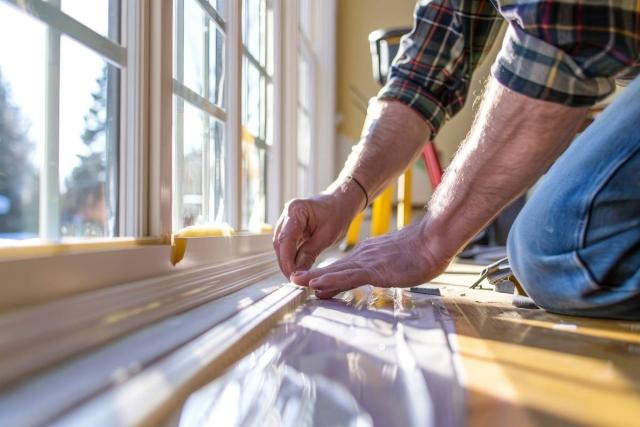
Windows are one of the most common sources of heat loss in rental properties, especially in older homes. In fact, about 30% of a home's heating energy escapes through windows. To keep your HVAC system from working overtime and your tenants comfortable, take time to seal and insulate your windows properly.
Start by removing window trim and caulking gaps between the window and frame to stop drafts. If you discover any rotted wood, repair it using epoxy wood filler to maintain structural integrity. Next, add weatherstripping around window sashes for an extra layer of protection. For colder climates, consider offering your tenants insulating window film or thermal curtains: two inexpensive upgrades that can significantly improve energy efficiency.
6. Winterize Doors
Just like windows, gaps around exterior doors can let cold air seep in and warm air escape, leading to higher heating bills and unhappy tenants. To keep your rental energy-efficient, start by installing door sweeps or draft guards at the base of every exterior door. These inexpensive fixes can significantly reduce drafts and heating loss.
Next, inspect the door frame for gaps or cracks, sealing them with caulk where needed. Check the weatherstripping around the door frame and replace any sections that are worn or missing. A good rule of thumb: if you can see daylight around the door, heat is escaping and needs to be sealed up.
7. Add or Upgrade Insulation
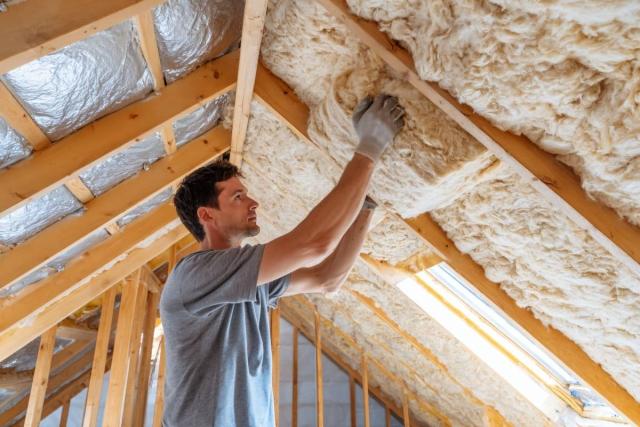
Even if your rental property already has insulation, it may not be enough (especially in older homes). Upgrading or adding insulation can dramatically reduce heat loss, lower utility costs, and keep tenants more comfortable during the winter months.
Key areas to check and improve include:
- Attics: Adding a second layer of insulation can improve heat retention, especially in cold climates.
- Knee (elbow) walls: These small, often overlooked wall sections near attic spaces are frequently uninsulated and leak cold air.
- Basement ceilings: Insulating below the living space helps prevent cold air from rising into occupied rooms.
While fiberglass batt insulation is a common and effective choice, it requires proper installation for performance and safety. If you’re unsure about tackling insulation upgrades yourself, it’s best to hire a licensed professional.
8. Check and Seal Exterior Cracks
A quick exterior inspection of your rental property before winter can help prevent major issues down the line. Weather exposure, pests, and seasonal wear often create small cracks or damage that go unnoticed until they become costly repairs. Walk the perimeter of your property and look closely around windows, doors, vents, and the foundation.
If you spot cracks, gaps, or signs of animal intrusion, patch with caulk and then address the root issue. Replace any damaged trim, siding, or flashing to ensure a lasting seal. Sealing these vulnerabilities early helps keep out cold air, moisture, and unwanted critters throughout the winter.
9. Install a Smart Thermostat
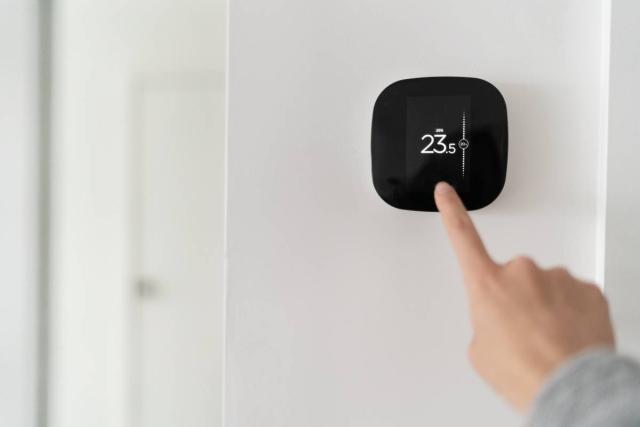
Want to save you and your tenant money this winter? Invest in a smart thermostat! These thermostats can sense when someone is in the apartment and adjust the temperature accordingly. This prevents you from unnecessarily heating an empty unit, making your tenant happy with a lower utility bill and saving them money.
Not only do smart thermostats save on energy costs, but they also allow for remote control through your smartphone. If your property is vacant and you have a last-minute showing, you can easily adjust the thermostat without having to physically go to the property.
10. Protect Fireplace/Chimney
If your property has a fireplace/chimney, make sure to put it on your winter maintenance checklist. Over time, chimneys can develop creosote buildup, cracks, or blockages that pose serious safety risks if left unchecked. Hire a certified chimney sweep to clean and inspect the chimney, flue, and damper to ensure everything is in safe, working condition.
To improve energy efficiency, consider installing a chimney balloon or flue draft stopper when the fireplace isn’t in use. These simple tools prevent cold air from entering the home and warm air from escaping, helping to reduce heating costs.
Bonus: Home Energy Audit and Smart Monitoring
In addition to the above maintenance tasks, it may also be beneficial to conduct a home energy audit and invest in smart monitoring systems for your property. A home energy audit can identify areas where you may be losing heat or wasting energy, allowing you to make necessary improvements to save on utility costs.
While some energy audits come with a fee, many areas offer them for free. Regardless, a thorough audit provides actionable advice. Depending on the audit, you might also qualify for energy credits or reimbursements for property upgrades. For instance, if you upgrade the windows at your rental property, you could receive an energy rebate. This can help offset the cost of the audit and any necessary improvements.
To find out more about energy audits, check out the guides from the Office of Energy Efficiency & Renewable Energy.
Regional Tips for Winterization (by Climate Zone)
Your winter maintenance to dos will vary depending on location. For example, a property in the Midwest will require more attention than one down South. Whether your region experiences mild winters or cold extremes, here’s how winterization varies in different parts of the country:
Northeast and Midwest
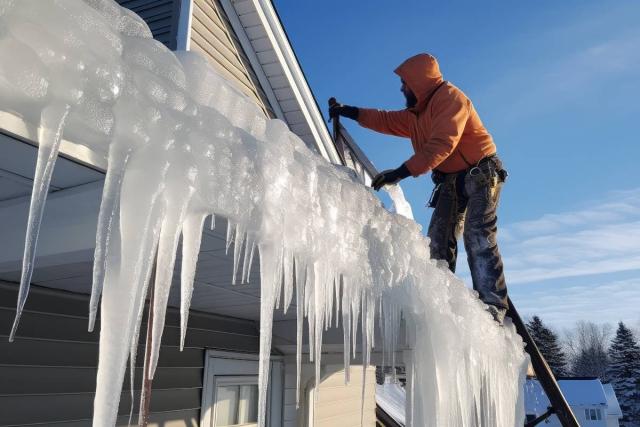
Properties in the Northeast and Midwest endure long, cold winters with heavy snow, ice dams, and frozen pipe risks. Prioritize proper insulation, pipe protection, and snow/ice management. Insulate exposed plumbing, disconnect outdoor hoses, drain faucets, and advise tenants to keep indoor heat above 55°F to prevent frozen pipes. Clean gutters and downspouts before snowfall to avoid ice dams forming under rooflines. Additionally, create a plan for clearing snow and ice from driveways and walkways to minimize slip hazards and liability during freezing months.
Mountain/high altitude
Mountainous regions experience shorter daylight hours, heavy snowfall, and extreme cold, which can lead to building envelope failures like roof collapses and ice dams. To prevent these issues, regularly inspect and reinforce your roof, clear heavy snow, and seal attic insulation to stop warm air from escaping, which causes ice to form. Protect both exterior and interior plumbing, especially in outer walls, as freeze-thaw cycles are more severe at high altitudes. Since reaching remote vendors can be difficult in heavy snow, it's wise to schedule HVAC servicing, gutter cleaning, and snow-removal contracts well in advance.
South and Coastal
Although freezing weather is uncommon in the South and coastal areas, winterization is still essential. These regions face challenges like humidity, moisture intrusion, mild storms, and reduced heating demands. Take this time to seal drafts, check crawl spaces and basements for dampness, clear gutters to prevent overflow or mold from heavy rain, and ensure HVAC systems are running efficiently. Outdoor faucets may still need to be drained, and hoses removed. Focus on storm-proofing windows and doors, and prepare for strong winds or tropical storms rather than heavy snow.
Transitional climates
In transitional climates, where winters fluctuate between mild and cold, preparation must cover both freezing and wet conditions. Focus on insulating attics and crawl spaces, as occasional deep freezes can burst pipes. Check ventilation, because warm, wet spells can lead to mold or condensation. Clean gutters and inspect the roof for potential water accumulation and freeze damage. It's also wise to provide tenants with guidelines for using their heating systems during cold snaps and controlling moisture on milder days.
Master Property Maintenance with Apartments.com
Winterizing your home is essential for every property owner. Even in milder climates, proper winterization helps maintain your property and appliances, ensuring happy tenants and a well-preserved home for years to come.
As you prepare for the winter season, stay organized and informed with support from Apartments.com. Our platform provides valuable tools to simplify property maintenance, including a maintenance request dashboard and expense tracking tools. Explore our full suite of Rental Tools to keep your property in top shape this winter.
This article was originally published on December 10, 202, by Olivia OBrien.
FAQs
When should I start winterizing my rental property?
It's best to start winterizing your property in the early fall. This gives you plenty of time to inspect the property, make necessary repairs, and ensure everything is ready for cold weather. Waiting too long can lead to frozen pipes or other costly damage.
Who is responsible for winter maintenance – the landlord or the tenant?
This typically depends on your lease agreement. Landlords are generally responsible for major tasks like servicing the HVAC system and insulating pipes. However, day-to-day responsibilities like keeping walkways clear of snow and ice might fall to the tenant, so ensure this is clearly outlined in your lease.
What’s the cost to winterize a typical rental property?
The cost can vary widely depending on the property's condition and location, ranging from a couple of hundred dollars for basic supplies to several thousand for major upgrades like new windows or insulation. Basic winterization, including weatherstripping and pipe insulation, is a relatively low-cost investment. Investing in professional services like an HVAC tune-up or a home energy audit will cost more upfront but can save money in the long run.
Are smart thermostats worth it for rental properties?
Yes, smart thermostats can be a worthwhile investment for rental properties. They can significantly lower heating bills, which is an attractive feature for tenants. Additionally, they allow you to monitor and control the temperature remotely, helping prevent issues like frozen pipes if the property is vacant.
What winterization tasks should I remind tenants to do?
Remind tenants of their responsibilities as outlined in the lease, such as keeping the thermostat set to a reasonable temperature to prevent frozen pipes. Consider providing them with a simple checklist, including tasks like closing storm windows and knowing where the water main shut-off valve is located.


