Denver
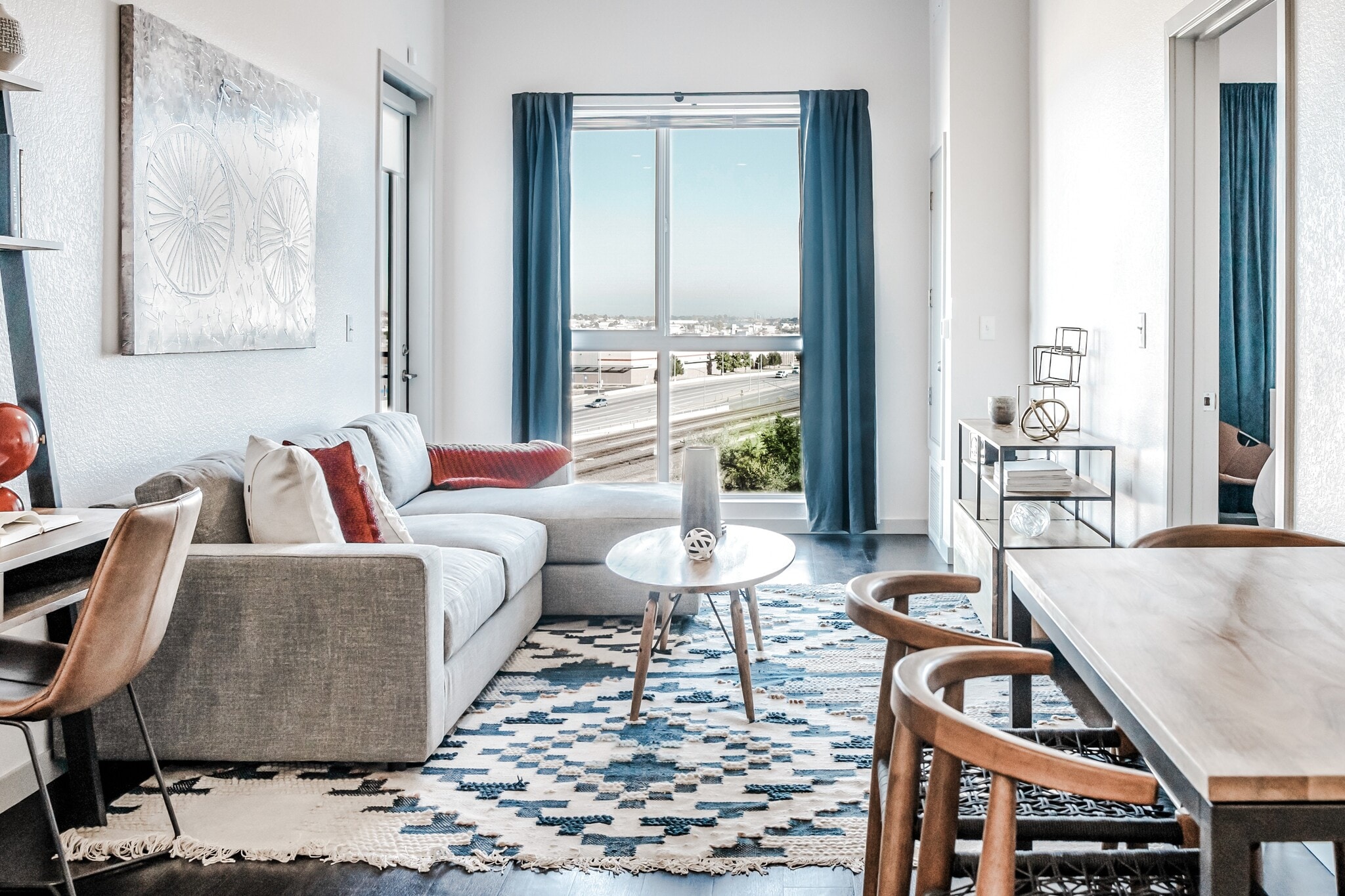
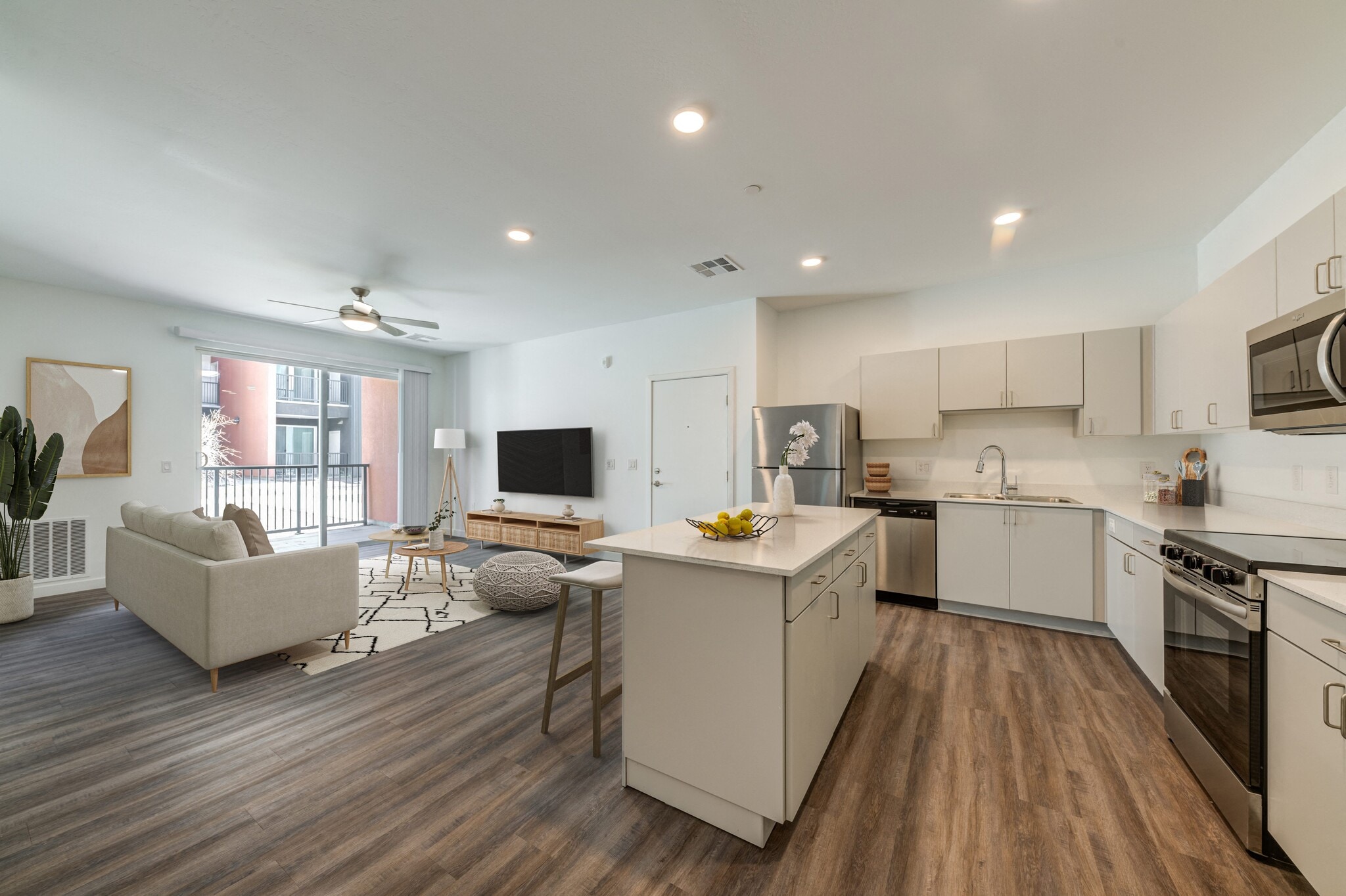
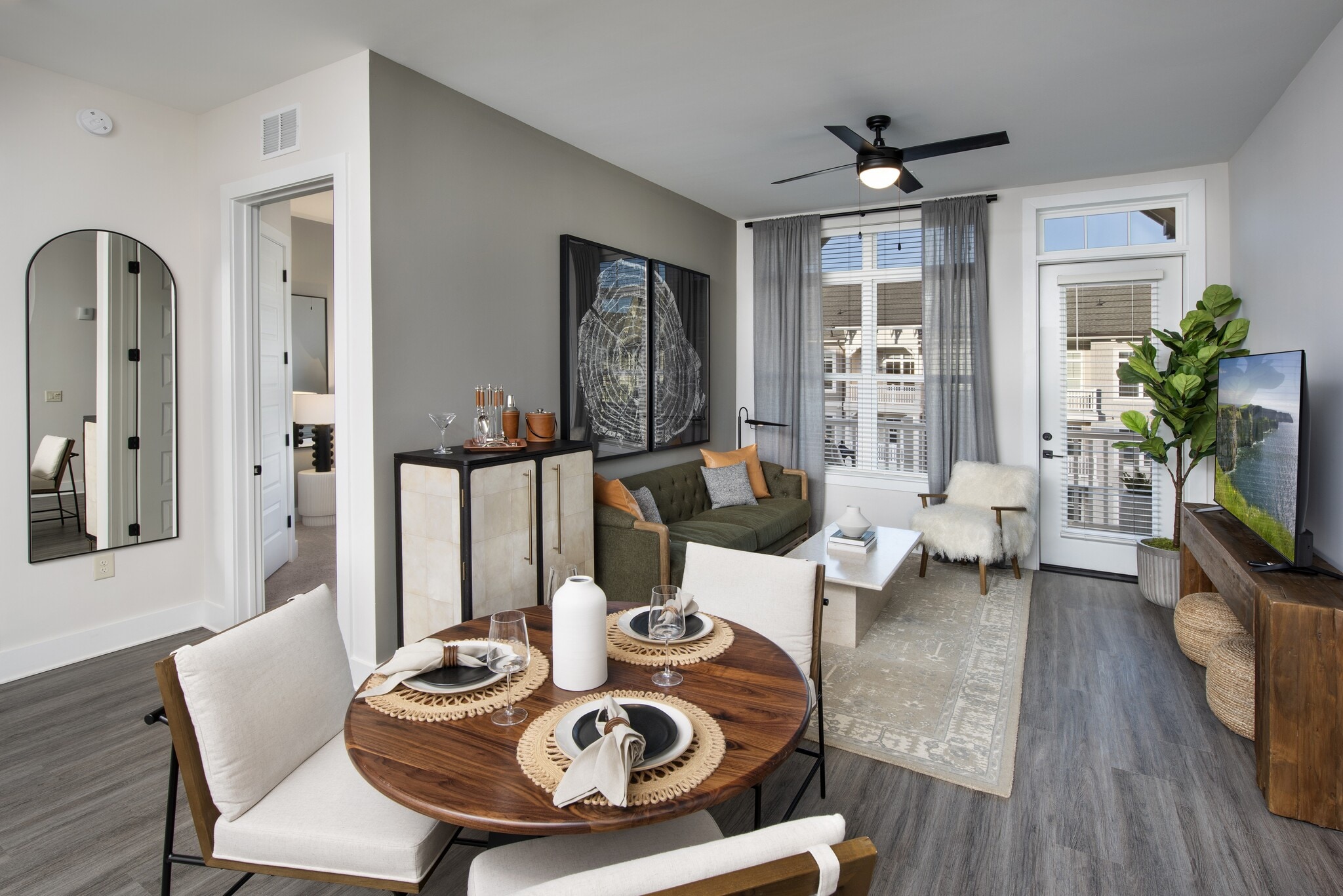
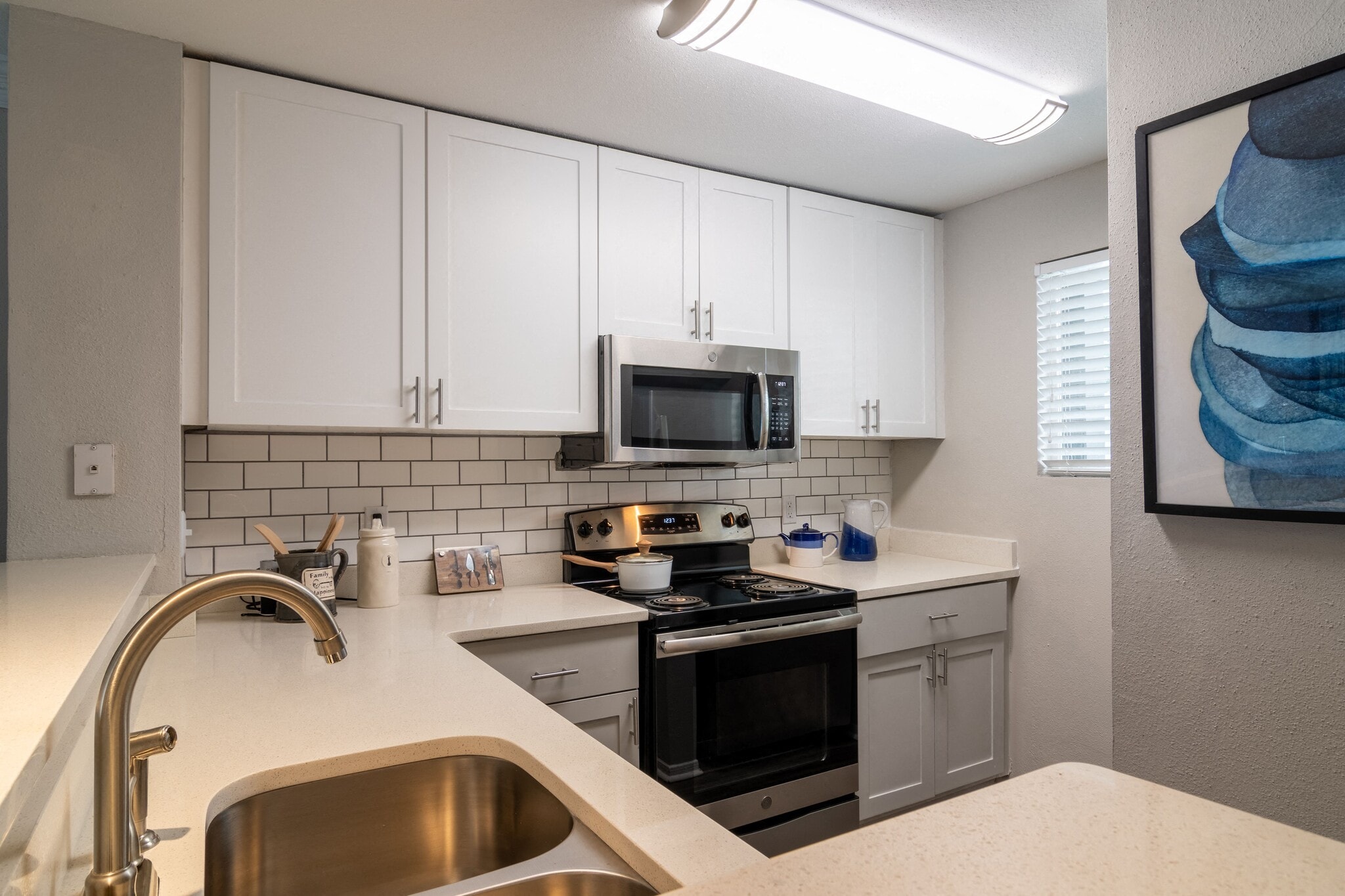
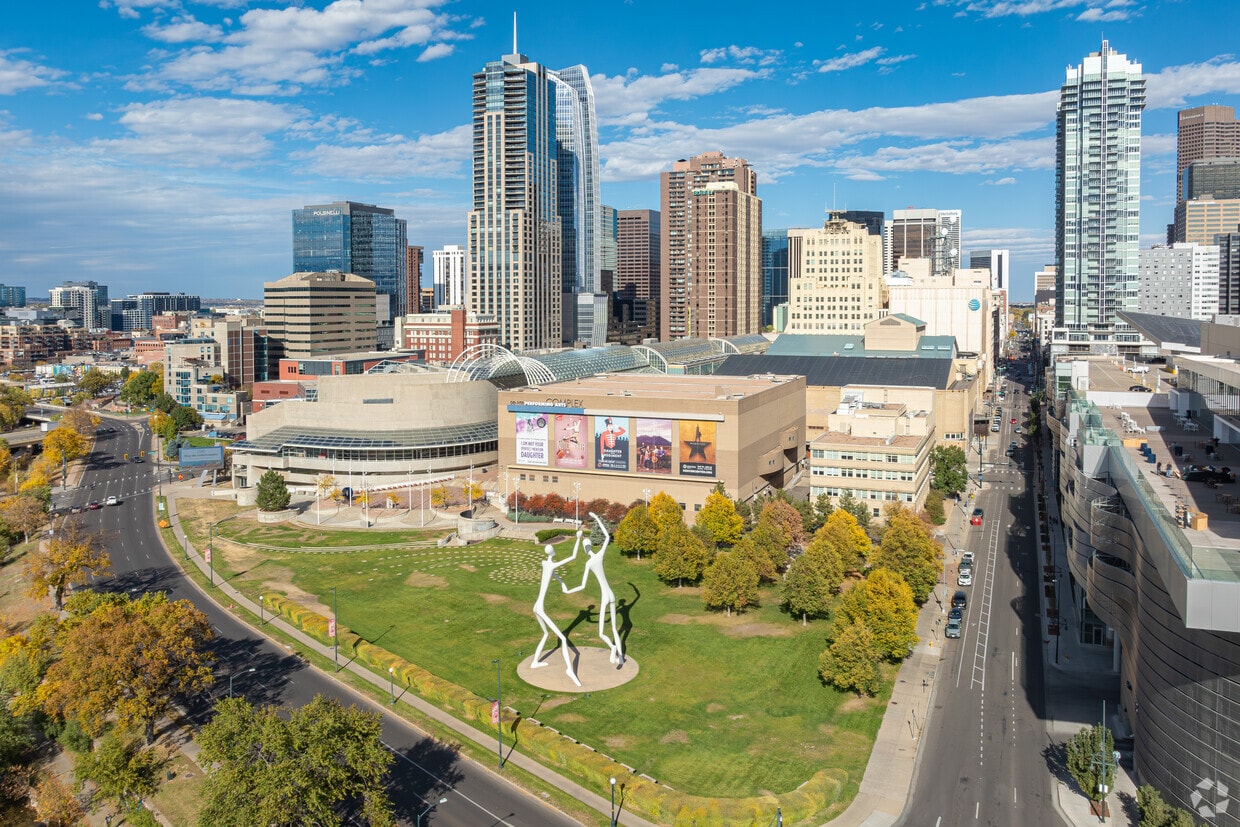
"Denver is Colorado's state capital and the economic heartbeat of the entire Rocky Mountain region. With a population topping 715,000 across 155 square miles, the city carries the energy of a major metro while holding onto the laid-back spirit that defines life along the Front Range. The University of Denver and Metropolitan State University anchor the city's academic scene, and a broad range of industries, from aerospace and energy to healthcare and technology, keeps the local economy strong and steadily growing. Neighborhoods like Capitol Hill, RiNo (River North Art District), and Washington Park each offer a distinct personality, giving renters plenty of options to match their lifestyle. Capitol Hill buzzes with arts and culture, RiNo draws creative energy with its gallery-lined streets, and Washington Park delivers a quieter, tree-canopied setting. Denver also holds a notable distinction as the only consolidated city-county in Colorado, a status that shapes both its governance and its tight-knit identity. The rental landscape reflects the city's range. Renters can choose from sleek high-rise apartment communities downtown, converted loft spaces in repurposed industrial buildings throughout RiNo, and bungalow-style townhomes in residential corridors across the city. Whether you prefer a rooftop view of the Rockies or a cozy walk-up near a neighborhood coffee shop, Denver's housing mix has something worth exploring."
Colorado Springs
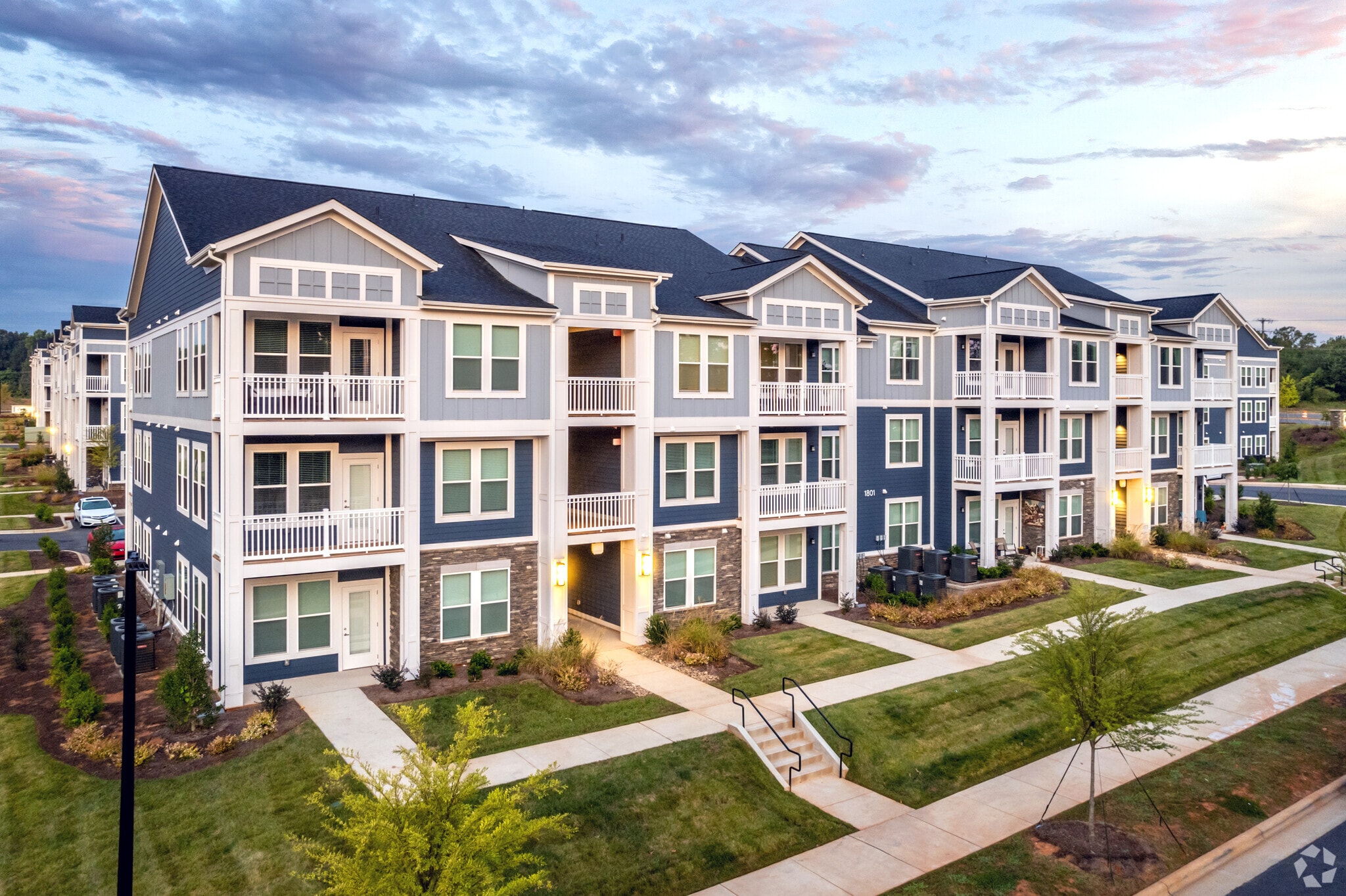
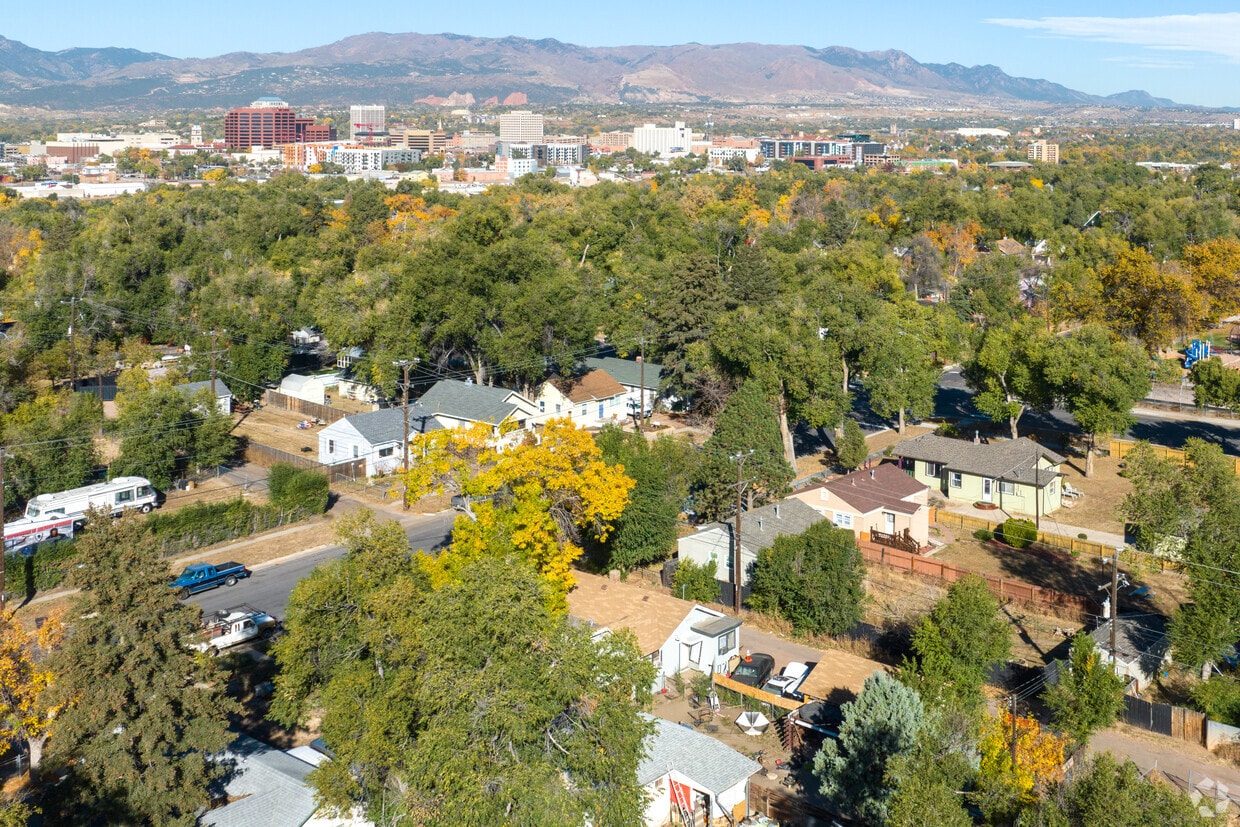
Colorado Springs sits at the foot of Pikes Peak, where the Rocky Mountains give way to the high plains, making the mountains a constant presence in daily life rather than a distant backdrop. As Colorado's second-largest city, it anchors the southern Front Range with a strong mix of military installations, defense contractors, and higher education institutions, including the United States Air Force Academy and the University of Colorado Colorado Springs. That economic foundation gives the city a steady, grounded character that sets it apart from its northern neighbor, Denver. Neighborhoods here run a wide range, from the historic architecture and walkable streets of Old Colorado City to the upscale foothills setting of Broadmoor and the activity around downtown's Tejon Street corridor. Renters can choose from garden-style apartment communities tucked into quiet residential pockets, high-density complexes near major employment corridors, and spacious townhomes with mountain views. The city's 195 square miles mean genuine variety, whether someone wants proximity to trails and open space or easy access to retail and offices. Garden of the Gods, a city-owned park with dramatic red sandstone formations, is free to visit year-round and reflects the kind of accessible natural beauty that defines everyday life here.
Phoenix
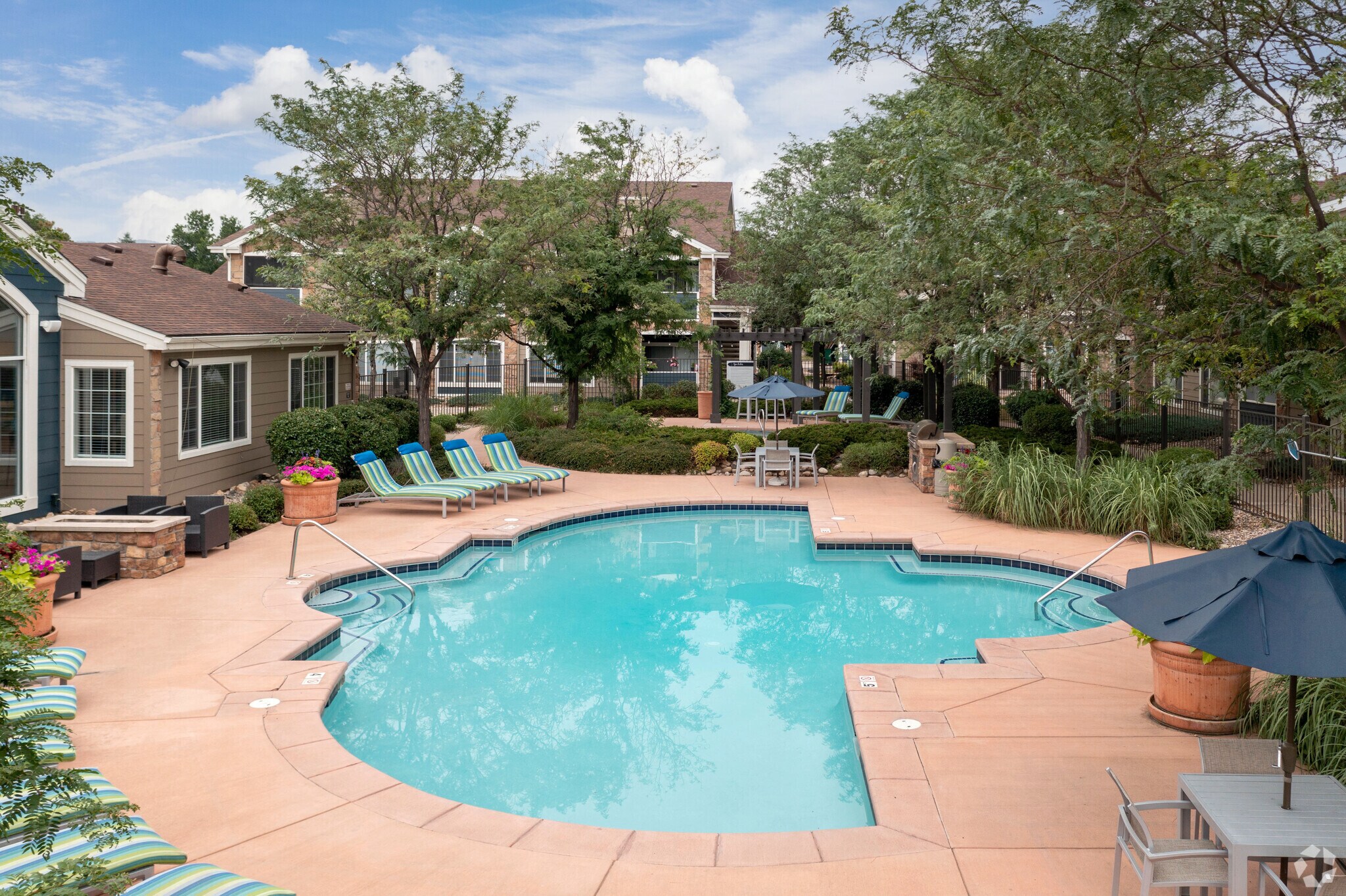
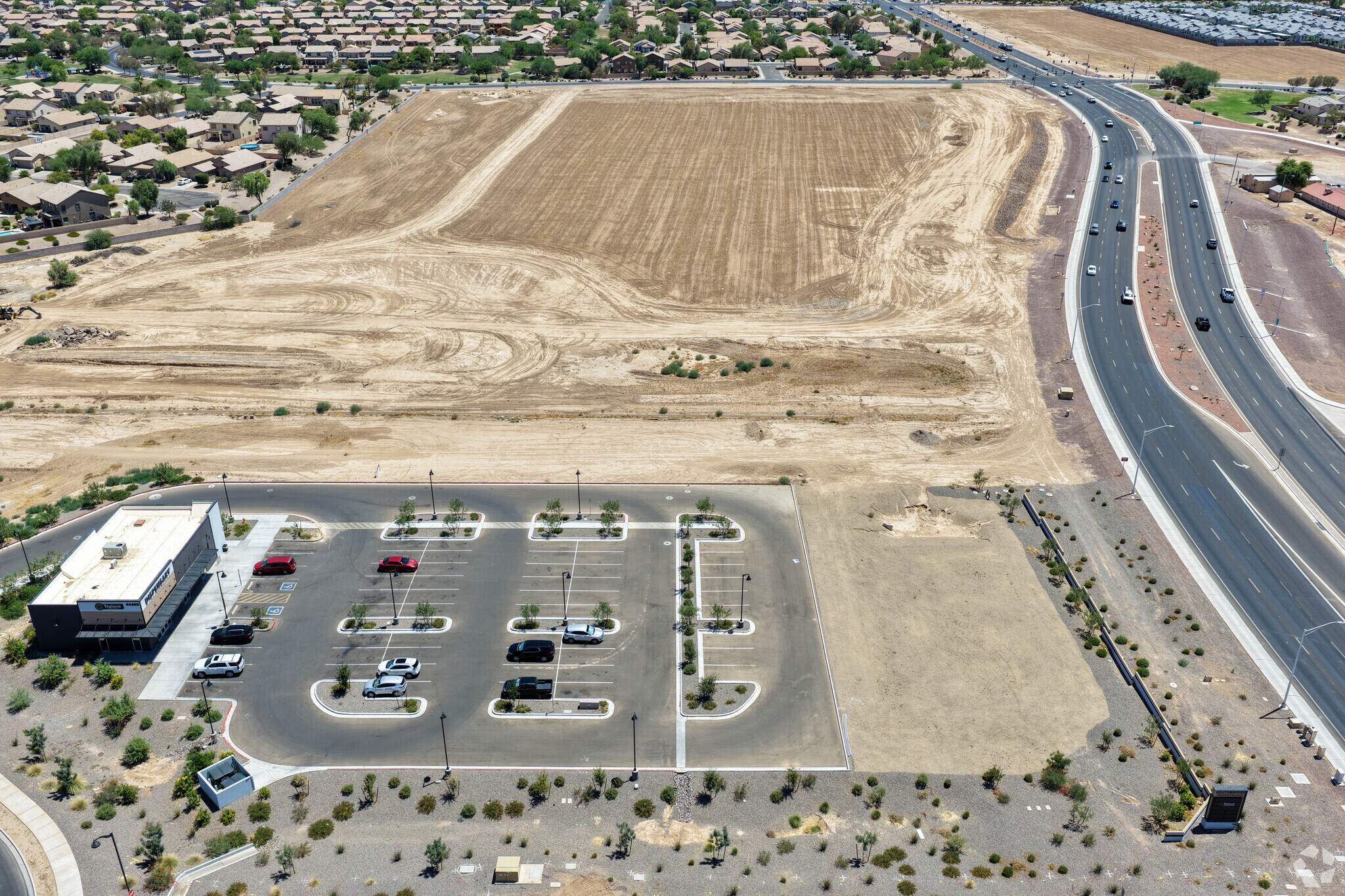
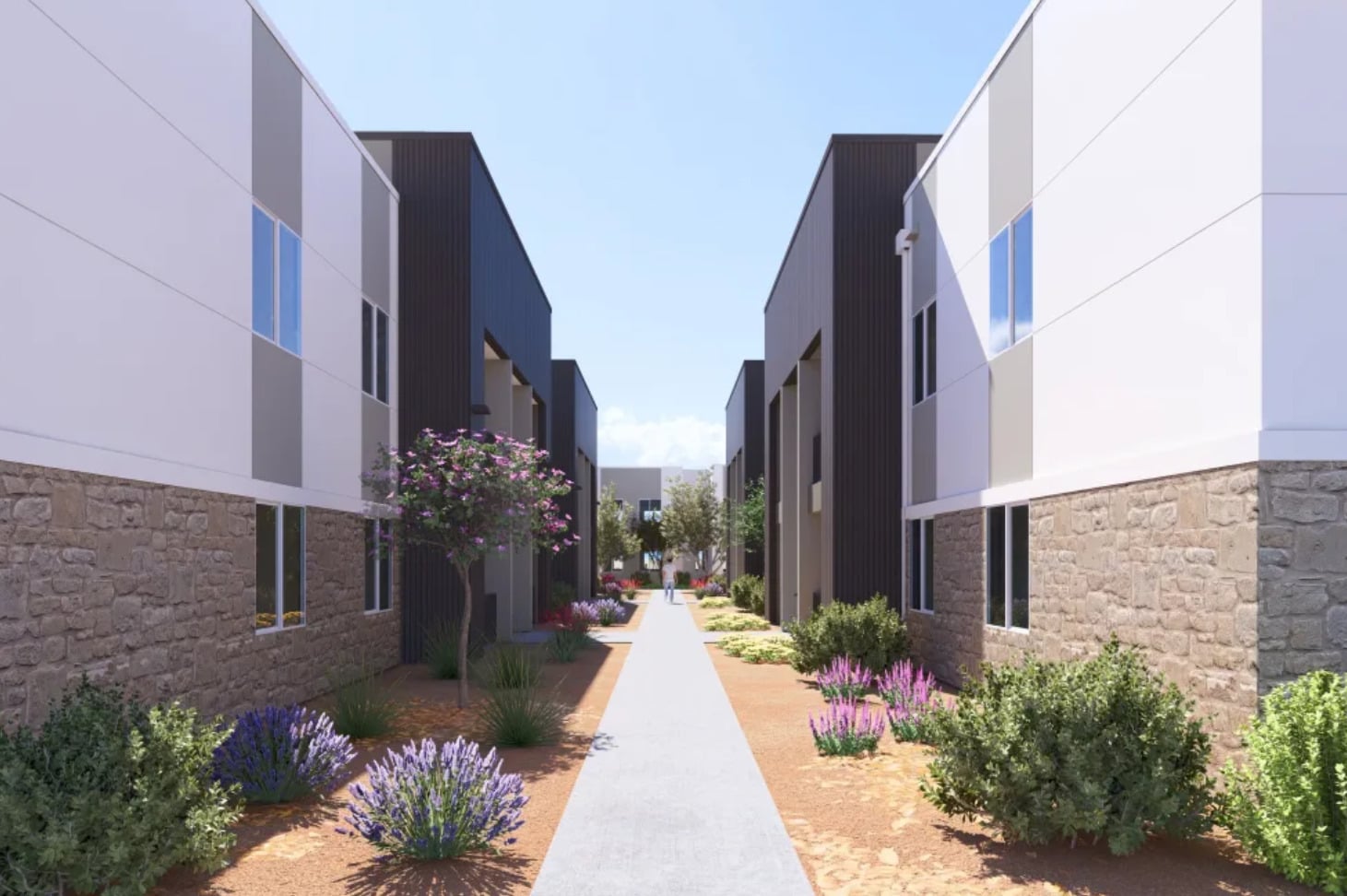
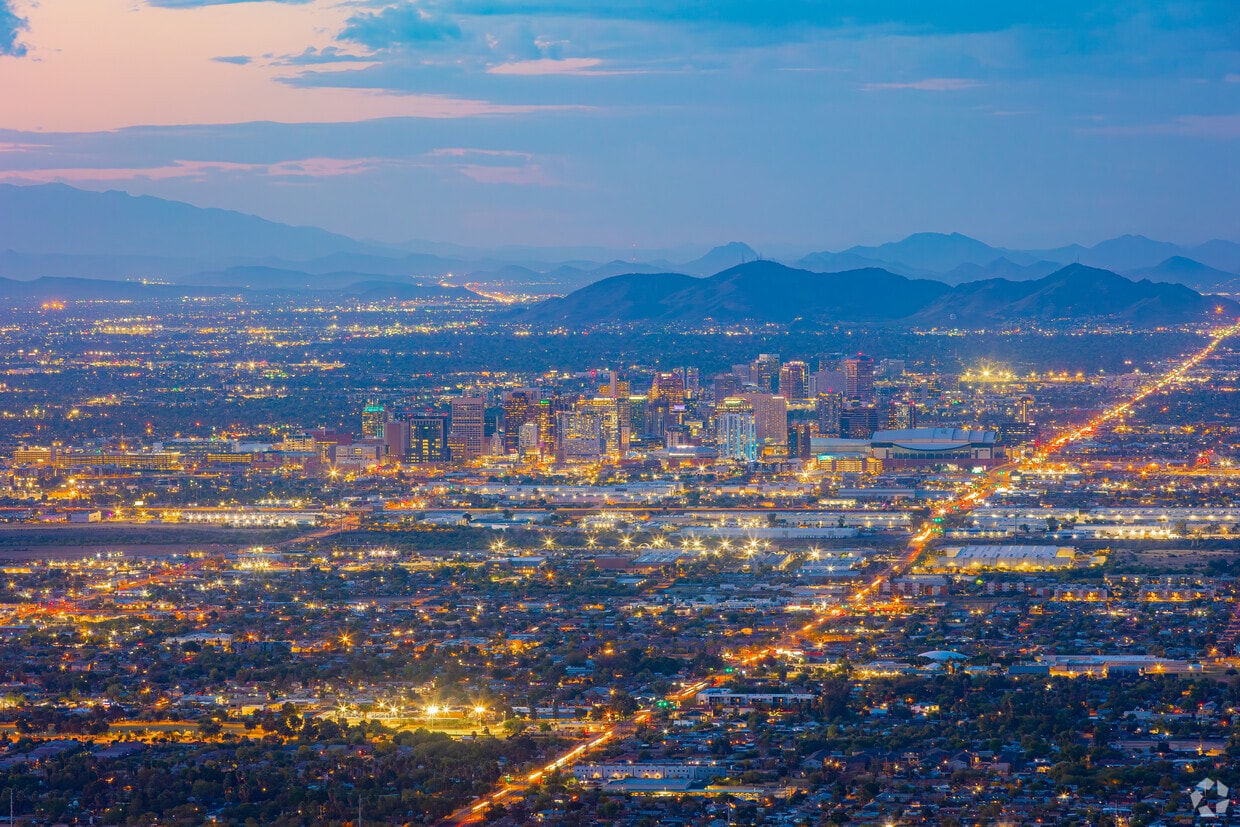
"Phoenix earns its reputation as one of the fastest-growing cities in the country, drawing newcomers with its sun-soaked energy, sprawling desert landscapes, and an economy that keeps expanding. As the state capital of Arizona and the fifth-most populous city in the United States, it carries real weight as a regional powerhouse for healthcare, technology, finance, and education. Arizona State University, one of the largest public universities in the nation, anchors the metro's intellectual and cultural scene across multiple campuses. The city's neighborhoods offer plenty of contrast. Downtown Phoenix buzzes with arts districts, sports venues, and a growing high-rise scene, while areas like Arcadia and Biltmore deliver tree-lined streets and polished charm. Midtown bridges both worlds, offering walkable stretches alongside quiet residential pockets. The rental market reflects that variety. Apartment communities range from resort-style complexes with desert-inspired architecture to converted lofts in revitalized urban corridors, plus sprawling townhome communities spread across the valley. Whether you're drawn to a sleek high-rise with city views or a low-rise apartment community with a pool built for those 300-plus sunny days a year, Phoenix delivers options at nearly every scale."