Sioux Falls
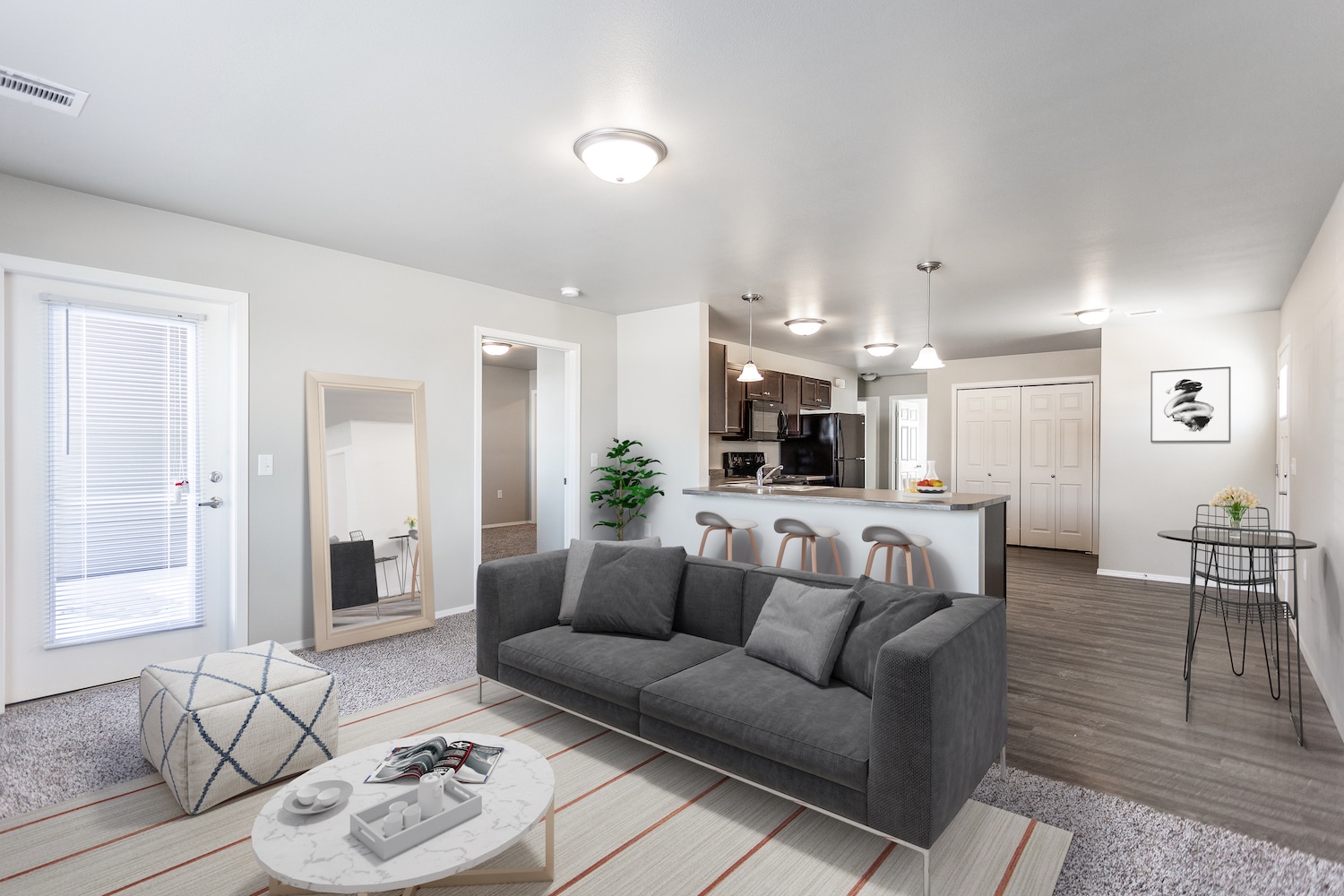
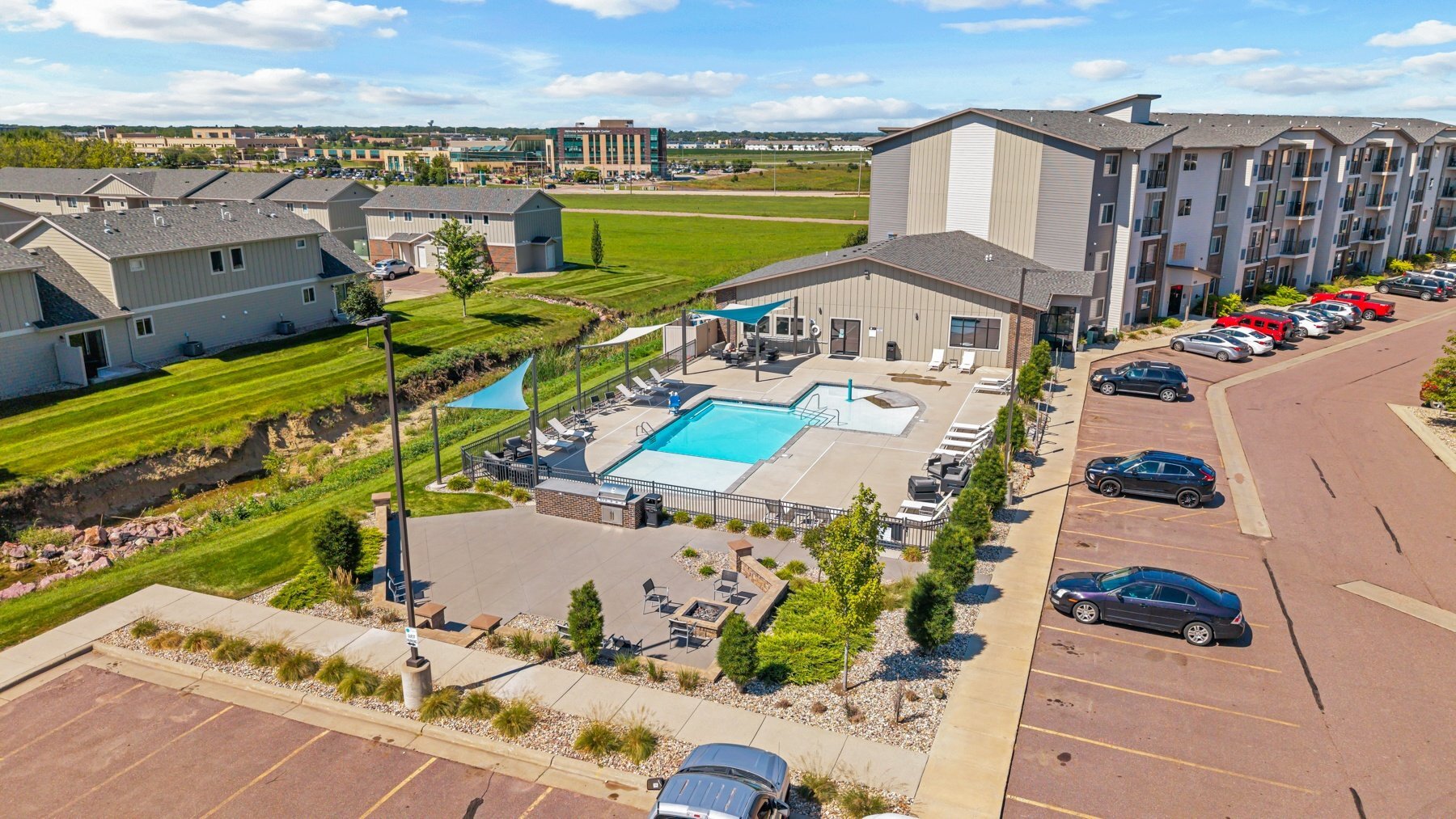
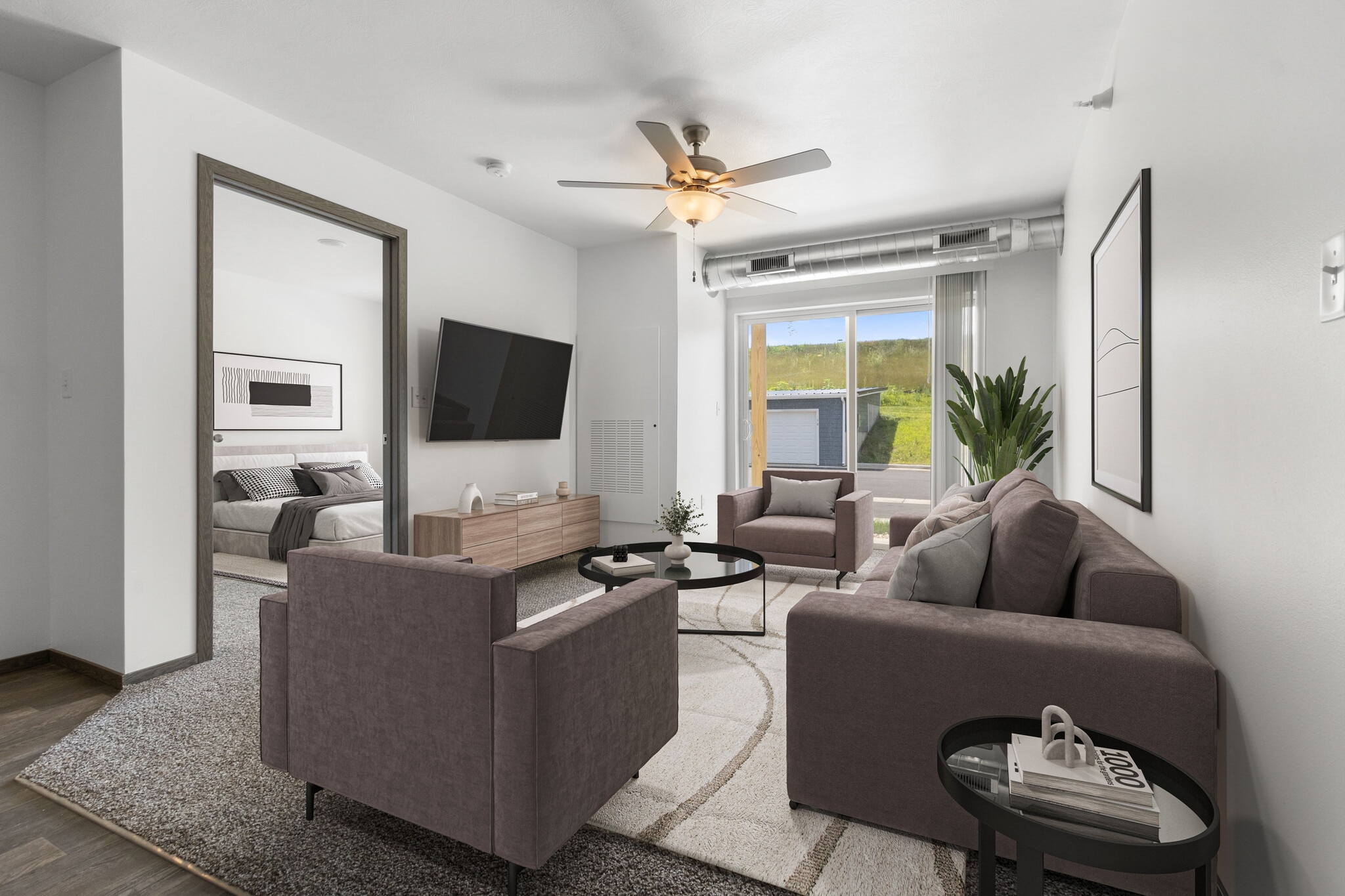
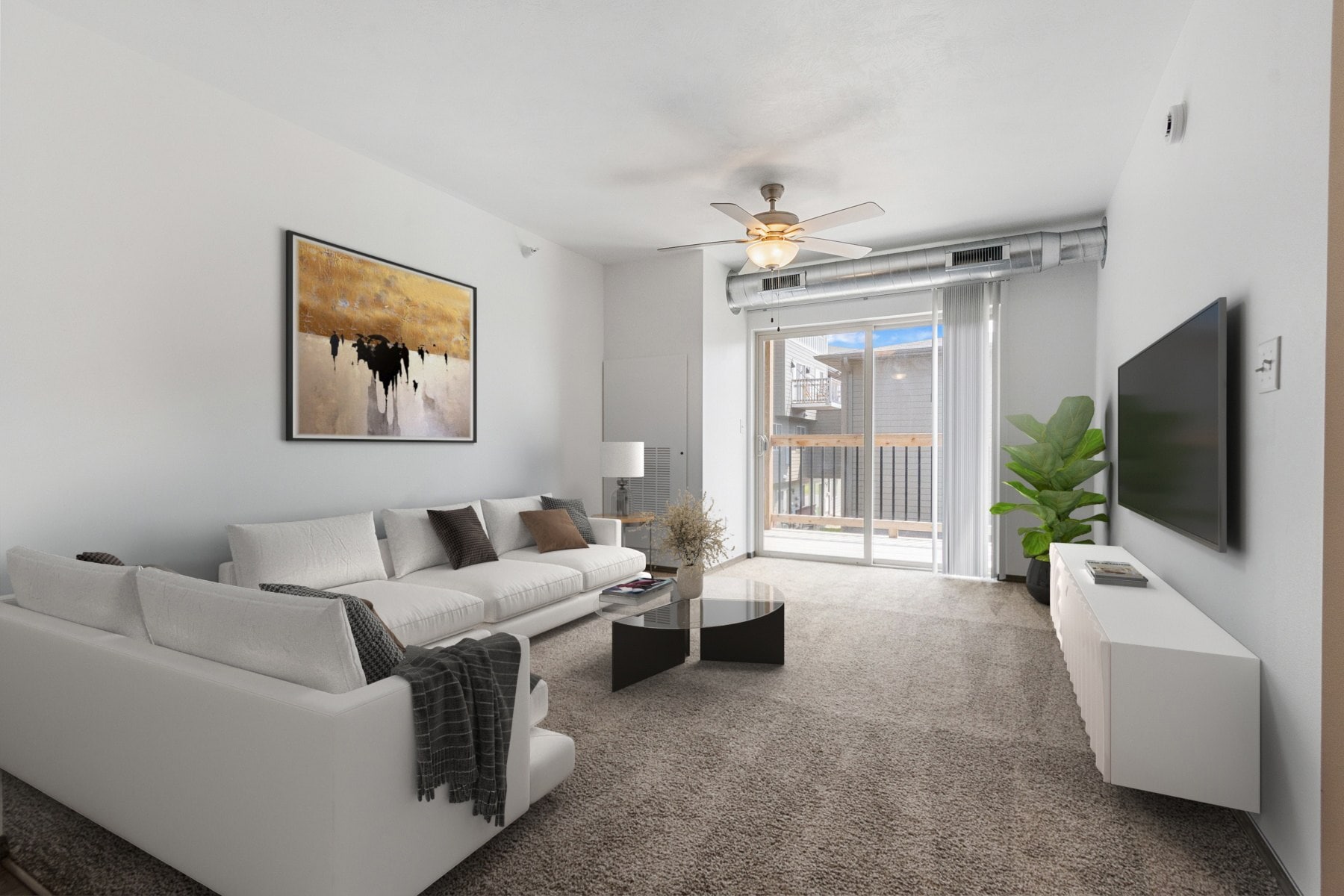
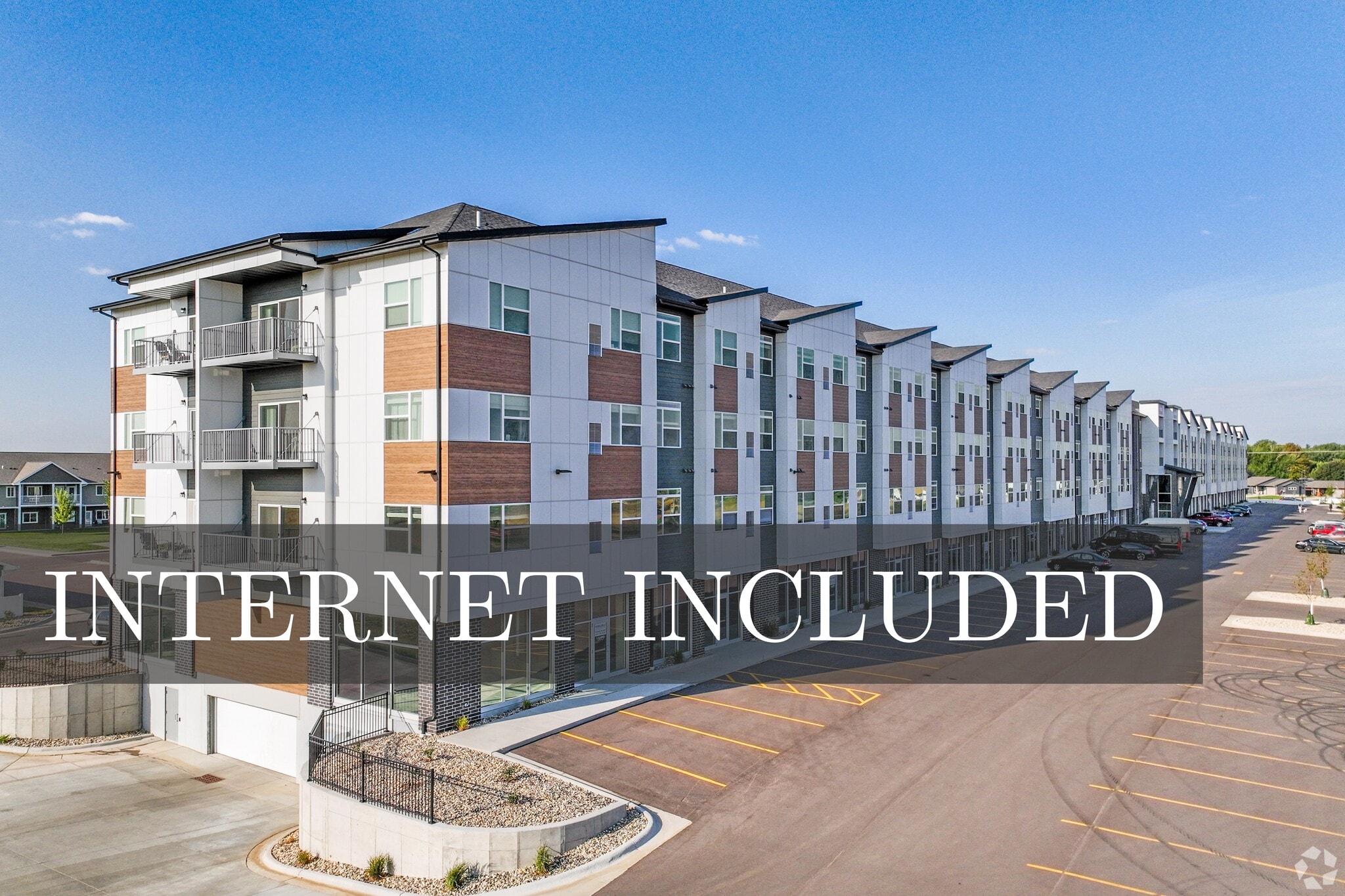
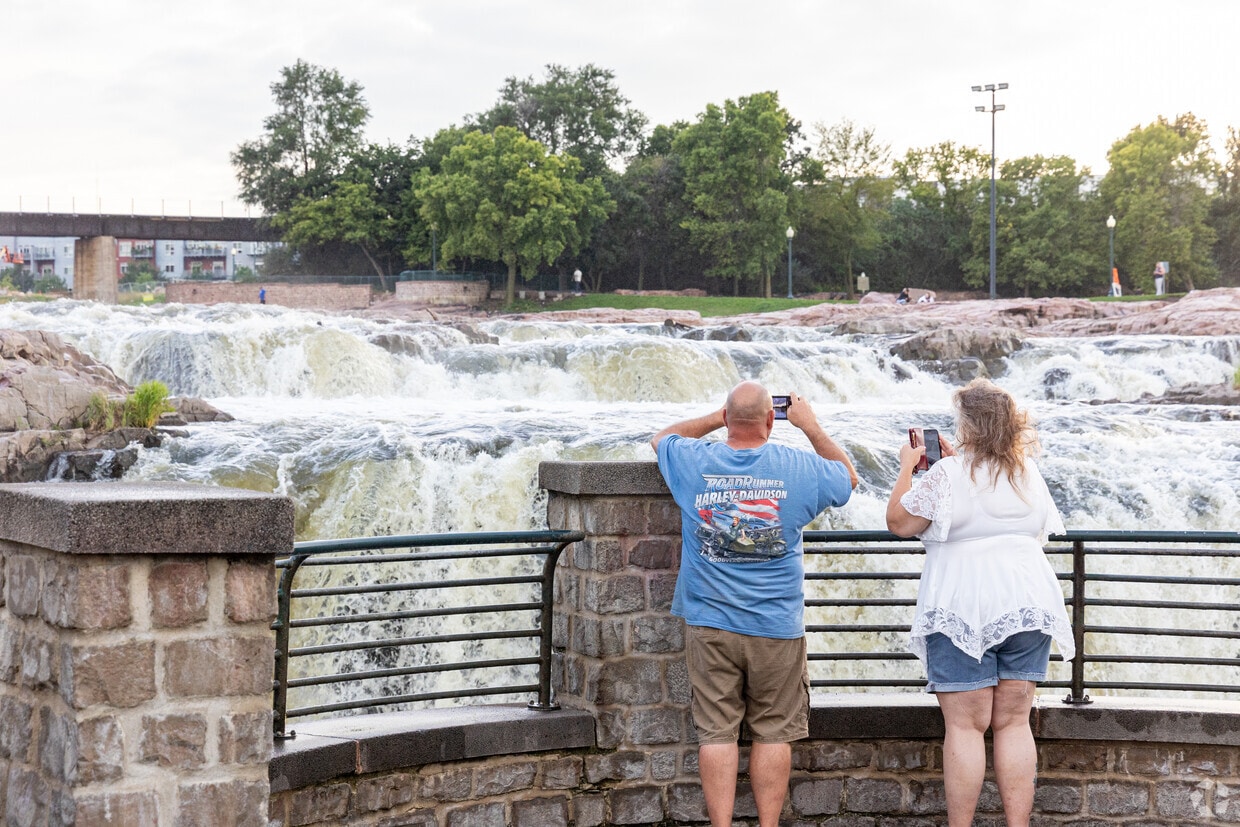
Sioux Falls earns its nickname, the Queen City of the West, with a riverfront park anchored by cascading waterfalls, more than 80 public green spaces, and a downtown corridor alive with galleries, restaurants, and live music. Daily life here blends outdoor recreation with a Midwestern warmth that residents often describe as one of the city's defining qualities. Walkability is best around the Phillips Avenue corridor and the falls themselves, while the broader city rewards those comfortable getting around by car, with most destinations reachable in 10 to 20 minutes. Popular neighborhoods include the McKennan Park Historic District, the Cathedral Historic District, and the loft-heavy blocks of Downtown Sioux Falls. Renters will find a wide range of housing options across the city: historic walk-up apartments and converted lofts near downtown, mid-rise apartment communities on the southeast side near The Empire Mall, and newer townhomes and ranch-style rentals spreading toward the outer suburbs. The architectural mix spans pre-World War II bungalows in neighborhoods like Whittier and Pettigrew Heights to contemporary builds along the Arrowhead Parkway corridor on the east side. Sanford Health and Avera Health anchor the local economy alongside financial services firm Citibank, making the city a regional healthcare and business hub. Augustana University and the University of Sioux Falls give the metro a steady academic presence. The city has more than doubled its population since 1980, and its metro area now accounts for more than one-third of all South Dakotans.
Rapid City
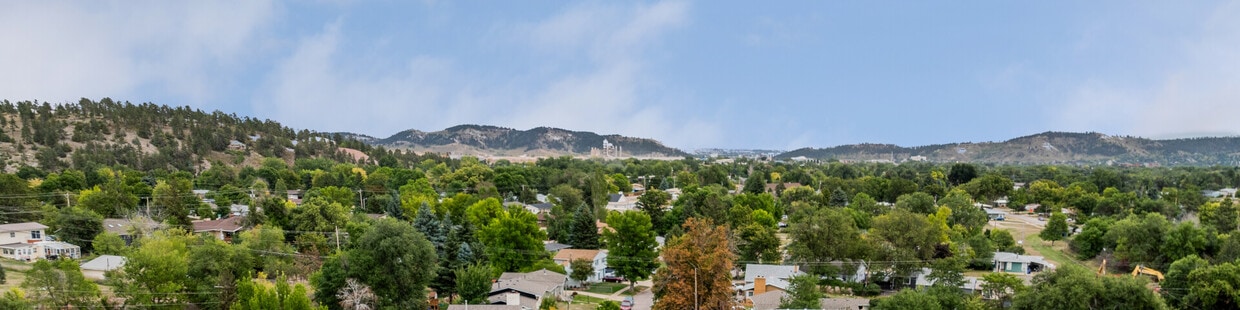
Located at the entrance to the Black Hills, Rapid City combines outdoor recreation with urban living. The average rent for a one-bedroom apartment is $1,181, and housing options span from downtown communities to suburban neighborhoods. The western part of the city, built along the Red Valley between the Black Hills foothills and Dakota Hogback, features hillside residences, while the eastern section extends through Rapid Creek's valley. Notable residential areas include the northern corridor near Interstate 90 and the southern neighborhoods overlooking the Black Hills. Downtown Rapid City showcases public art through Art Alley and the City of Presidents tour, which displays bronze statues of U.S. presidents throughout the streets. The city offers easy access to Dinosaur Park, Story Book Island, and the Journey Museum and Gardens. Mount Rushmore, Crazy Horse Memorial, and Badlands National Park are all within driving distance. The presence of South Dakota School of Mines and Technology and Ellsworth Air Force Base contributes to the community's diversity. Rent prices have remained stable, with minimal changes of 0.1% to 0.6% across different unit sizes, making the area an affordable option for renters.
Sioux City
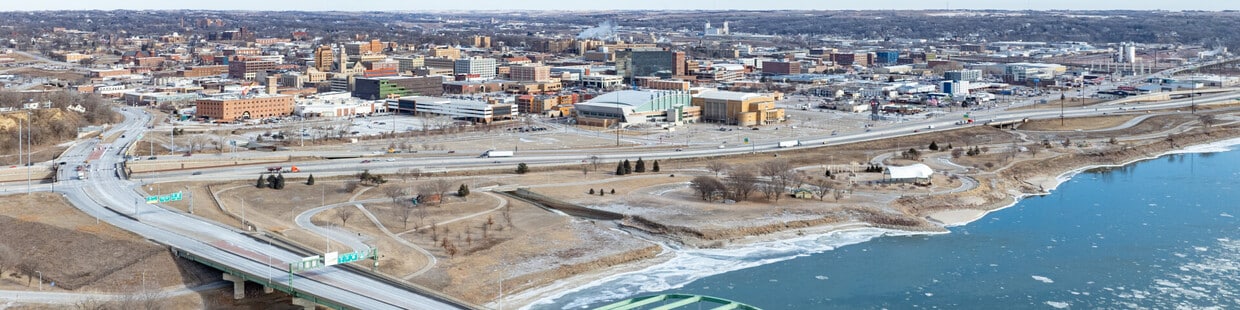
Nestled along the Missouri River where Iowa, Nebraska, and South Dakota converge, Sioux City combines historical heritage with modern amenities. The downtown area features the Sioux City Art Center, which showcases works by regional and national artists, and the restored Orpheum Theatre. Stone State Park offers hiking trails through the distinctive Loess Hills, while the Missouri Riverfront area provides recreational spaces, including the Anderson Dance Pavilion and Lewis and Clark Interpretive Center. Housing options in Sioux City remain relatively affordable, with current average rents ranging from $811 for studios to $1,375 for three-bedroom units, showing modest year-over-year increases between 1-8%. The rental market includes various housing styles across different neighborhoods, from downtown apartments to suburban communities. The Morningside neighborhood features tree-lined streets near Morningside University, while the Historic Fourth Street District offers loft apartments in restored buildings. Several higher education institutions call Sioux City home, including Briar Cliff University and Western Iowa Tech Community College. The city's history as a river port earned it the nickname "Little Chicago" during the Prohibition era, and today it maintains its distinctive character while continuing to develop.