Saint Paul
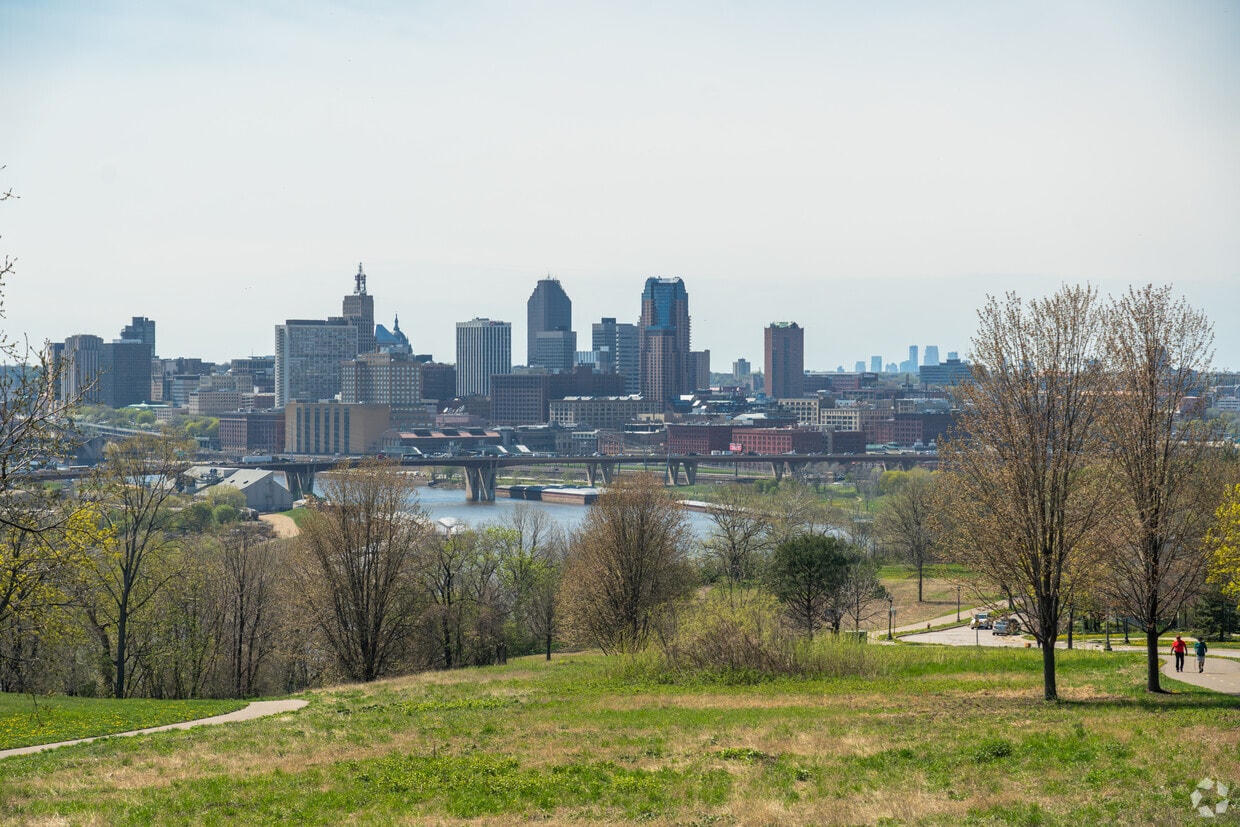
Living in Saint Paul combines metropolitan energy with neighborhood charm in Minnesota's capital city. Situated along the Mississippi River's bluffs, the city offers an extensive parks system, including Como Park Zoo and Conservatory, which features botanical gardens and year-round exhibits. Housing options span from historic properties along Summit Avenue to contemporary apartments in Lowertown. Current rental data shows one-bedroom apartments average $1,261 per month, reflecting a 2.2% annual increase, while two-bedroom units typically rent for $1,611, up 2.2% from the previous year. Each Saint Paul neighborhood has its own distinct character, from Cathedral Hill's Victorian mansions to Lowertown's converted warehouses. The city hosts several higher education institutions, including Macalester College and the University of St. Thomas. Saint Paul's legacy as a major river port and railroad hub remains evident in its preserved architecture and cultural attractions. The Saint Paul Winter Carnival, established in 1886, continues to draw visitors each January with ice sculptures and winter activities. For transportation, residents have access to the Metro Green Line light rail, connecting to Minneapolis and the greater Twin Cities area, while Union Depot serves as a central hub for local and regional transit.
Minneapolis
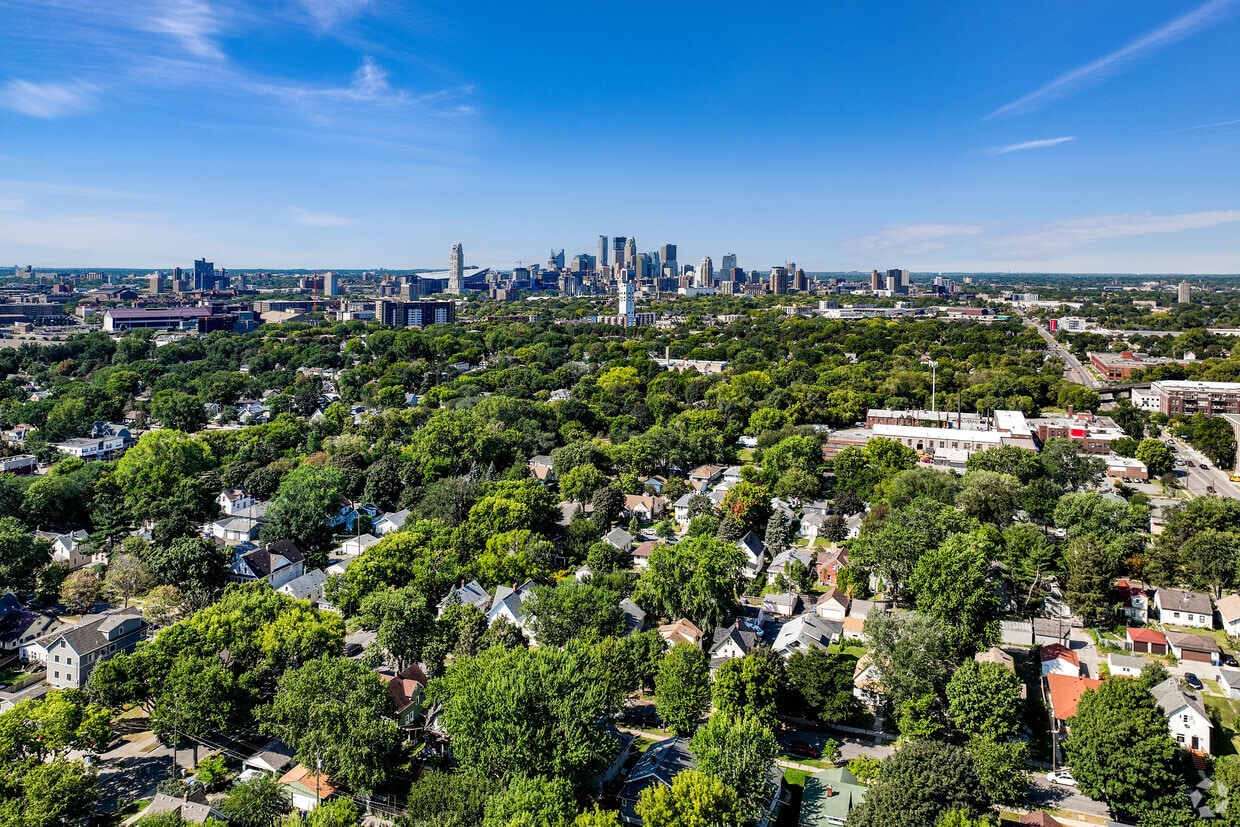
Minneapolis lives up to its “City of Lakes” nickname, with thirteen lakes woven into the city, all connected by the Grand Rounds National Scenic Byway. Miles of trails make it easy to bike, run, or relax outdoors, while neighborhoods bring their own distinct personality. Uptown sits near Bde Maka Ska and Lake of the Isles, the North Loop features trendy shops and warehouse-style apartments near Target Field, and the Northeast Arts District blends galleries with lively taprooms. Near the Mississippi River, Dinkytown borders the University of Minnesota campus, while Downtown’s enclosed skyway system helps residents stay connected during the city’s freezing winters. The Minneapolis rental market offers a range of options, from modern high-rise apartments and loft-style communities in the Mill District to classic townhomes in Longfellow. Getting around without a car is easy thanks to the METRO Blue and Green Lines, which connect renters to Saint Paul, Minneapolis Saint-Paul Airport, and the Mall of America. Known for its strong arts scene and welcoming Midwestern feel, Minneapolis balances culture and lifestyle. The city boasts more theater seats per capita than anywhere outside New York, with destinations like the Guthrie Theater, Walker Art Center, and First Avenue leading a vibrant creative community. A diverse population, extensive bike trails, and a long-standing economic base add to its appeal, offering renters an energetic place to call home.
Saint Louis Park
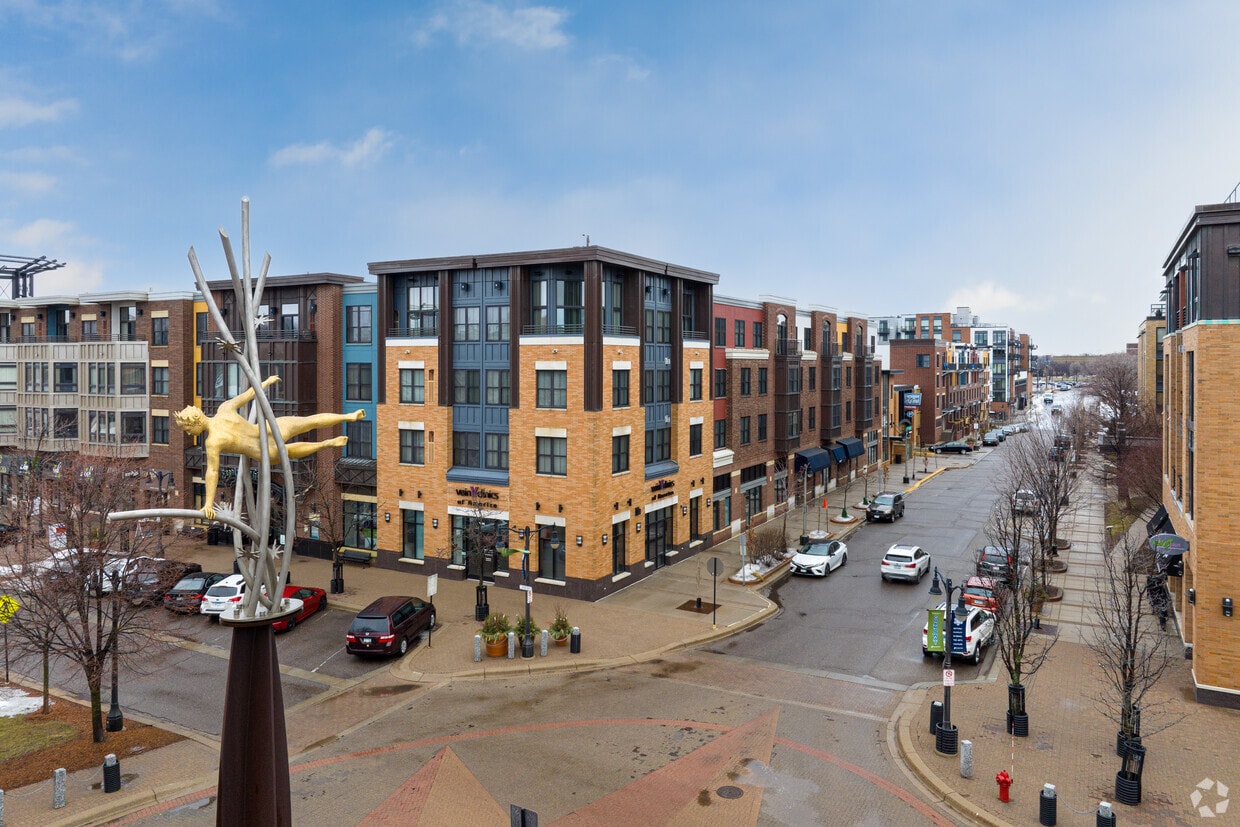
Saint Louis Park combines suburban comfort with city convenience, located just minutes from downtown Minneapolis. This community of approximately 50,000 residents offers diverse housing options, from single-family homes to apartment communities. The city maintains numerous parks and trails, while the Excelsior & Grand district serves as a central hub featuring shops and restaurants. The Sabes Jewish Community Center provides recreational and cultural programs open to all community members. The city features established retail destinations like the Miracle Mile shopping center and Knollwood Mall. Park Nicollet Methodist Hospital, part of HealthPartners, serves as a major medical facility and employer. Housing choices include both established neighborhoods and newer rental communities throughout the city. The St. Louis Park School District has earned distinction as the only district in Minnesota where every public school has received the National Blue Ribbon School of Excellence recognition. A notable landmark, the Peavey-Haglin Experimental Concrete Grain Elevator, built in 1899, stands as the world's first concrete tubular grain elevator and is listed on the National Register of Historic Places.