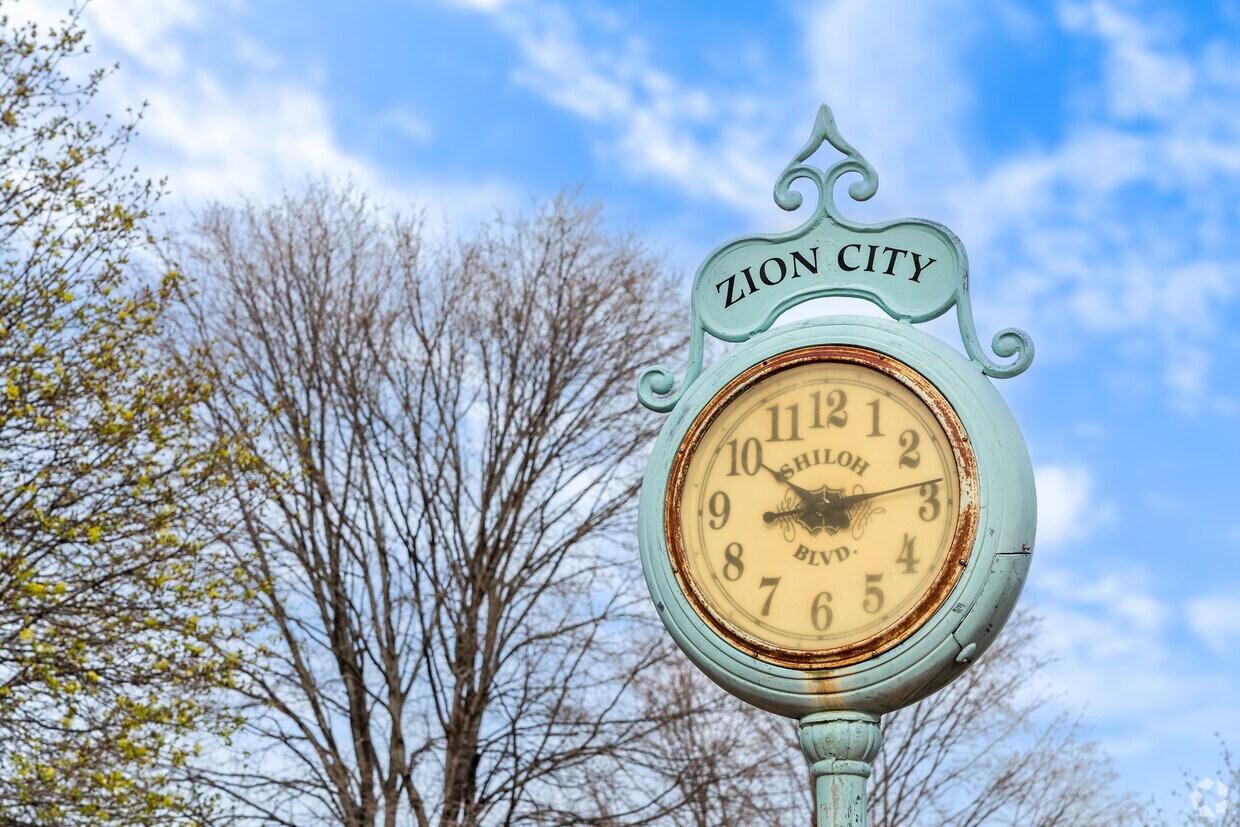
Zion shows its century old history in this clock at Veterans Memorial Park in Central Zion.
Rent a boat and enjoy the cool waters of Lake Michigan, not far from Zion.
Take a stroll along Isherwood Beach in North Dunes Nature Preserve near Kendron Park.
Grab a friend and tee off at the Shiloh Park Golf Course, near Hermon.
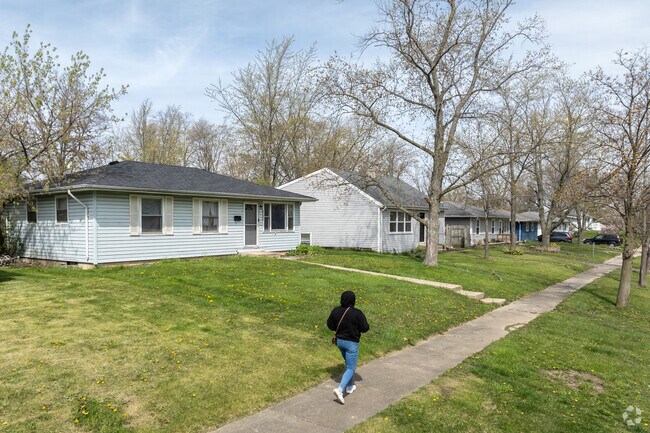
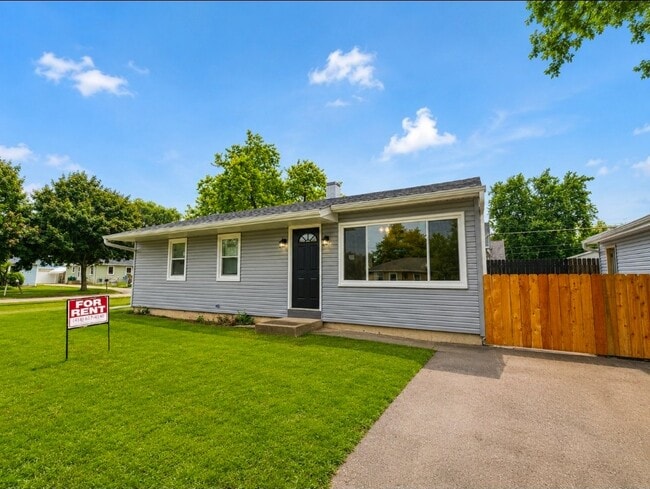
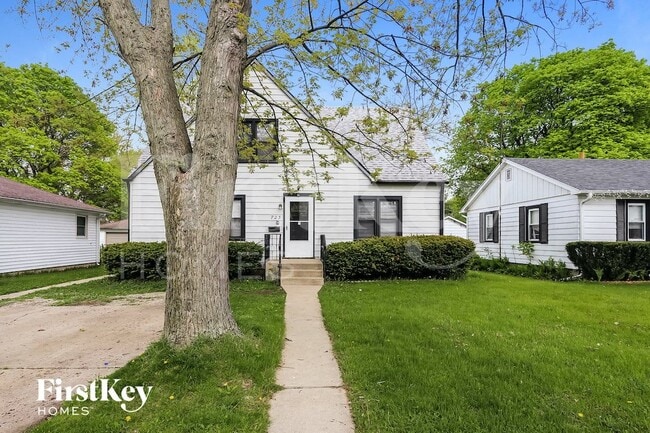
Beulah Park has many single-story ranch-style homes, each with its own character.

Zion, IL

Area Guide

Avg Rent

$1,088

Population

24,843

Renter Mix

43% Rent

Delight in natural amenities near suburban and urban luxuries

Diverse Historic Affordable

Founded in 1900 by Scottish-Australian minister John Alexander Dowie, Zion, Illinois has a one-of-a-kind origin story in Lake County. Located in northeastern Illinois near the Wisconsin border, this city of around 24,000 residents sits midway between Chicago and Milwaukee, making it a practical base for commuters headed to either metro area. Whether you are relocating from out of state or looking to settle into a quieter pace on the shores of the Great Lakes region, apartments for rent in Zion offer an affordable entry point compared to larger nearby cities.

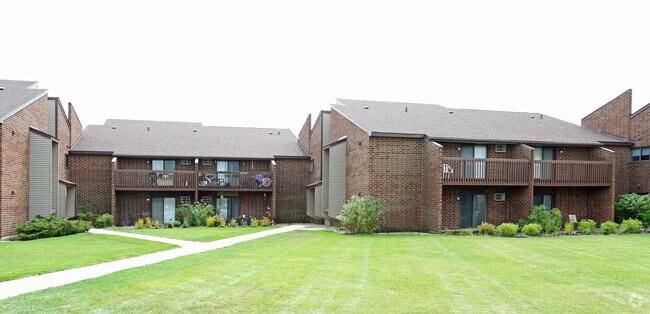
Renters in Zion will find a range of housing options, including garden-style apartment communities, townhomes, and single-family rental homes spread across residential neighborhoods. The city has a walkable residential character, and local parks are a big draw; Illinois Beach State Park along Lake Michigan is just minutes away, offering miles of shoreline and nature trails. Golfers can enjoy Shepherd's Crook Golf Course and ThunderHawk Golf Club, both located within Zion. For shopping, Gurnee Mills and Pleasant Prairie Premium Outlets are a short drive away. Six Flags Great America and the Bristol Renaissance Faire are nearby for weekend recreation, and local shopping centers like J.R. Plaza are close to home for everyday errands.

Getting around from Zion is straightforward. The city has direct access to I-94, and Metra's Union Pacific/North Line stops at Zion Station, connecting riders to Chicago's downtown loop. Waukegan National Airport and Chicago O'Hare International Airport are both within reach for longer travel. The nearby Great Lakes Naval Training Center is one of the area's major employers, and College of Lake County's Lakeshore campus is within a short drive for those pursuing higher education. With affordable rents, access to nature, and strong transit connections, Zion is a practical and pleasant place to call home.

Explore the City

Take a stroll along Isherwood Beach in North Dunes Nature Preserve near Kendron Park.

Grab a friend and tee off at the Shiloh Park Golf Course, near Hermon.

Beulah Park has many single-story ranch-style homes, each with its own character.

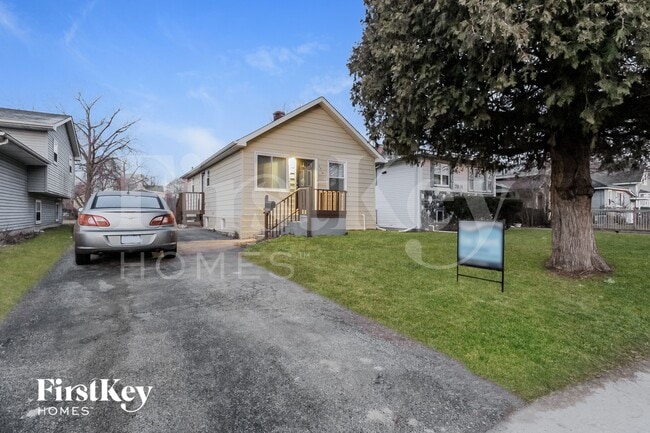
There are a variety of home styles in Central Zion including Cape Cod and traditional.

It’s All Good Coffee is a popular spot along Sheridan Road in Zion to chat with friends.

Healthyums is a popular, family-run, health-conscious cafe on Sheridan Road in West Zion.

Demographics

Median Household Income

$65,468

Average: $78,559

Education

3,918

Residents Have a Degree

Job Market

12,101

Workers Employed

Age Distribution
Get a sense of this area's population profile.

Median Age

36 Years

Largest Age Group

15-24 Years

Approximately 15% of Residents

Under 20

28%

Over 65

15%
Housing Distribution

Zion has more homeowners than renters.

Renters
43%
Non-Renters
57%

Education Distribution

Review this city's overall education levels.

Bachelor's or Higher
12%
Other Education
88%

Rent Trends

As of July 2026, the average apartment rent in Zion, IL is $664 for a studio, $1,089 for one bedroom, $1,248 for two bedrooms, and $1,319 for three bedrooms. Apartment rent in Zion has increased by 1.5% in the past year.

Property Type
Average Rent
Average Sq Ft
Apartment
$1,089/month
683 Sq Ft
See Rental Market Trends in Zion, IL

Learn More About Zion

Getting Around

Fairly Walkable

Walkability

40 / 100

Limited Public Transit

Transit

20 / 100

Moderately Drivable

Drivability

70 / 100

Moderately Bikeable

Bikeability

70 / 100

Schools

West Elementary School

Public

Grades K-5

440 Students

Elmwood Elementary School

Public

Grades K-5

219 Students

Shiloh Park Elementary School

Public

Grades K-5

405 Students

East Elementary School

Public

Grades PK-5

275 Students

Beulah Park Elementary School

Public

Grades PK-5

271 Students

Zion Central Middle School

Public

Grades 6-8

347 Students

Shiloh Park Middle School

Public

Grades 6-8

315 Students

New Tech High - Zion-Benton East

Public

Grades 9-12

419 Students

Zion-Benton Twnshp Hi School

Public

Grades 9-12

2,062 Students

Points of Interest

Parks and Recreation

  • Illinois Beach State Park
  • Van Patten Woods Forest Preserve
  • Lyons Woods
  • Chiwaukee Prairie
  • Dinosaur Discovery Museum

Airports

  • General Mitchell International
  • Chicago O'Hare International

Top Apartments in Zion

Houses for Rent in Zion

Living in Zion

History

-

Zion's origins are anything but typical. The city was established in 1900 by John Alexander Dowie, a Scottish-Australian evangelical minister and faith healer who envisioned a planned religious community north of Chicago. Dowie named his creation after Mount Zion in Jerusalem and personally controlled all the land and most businesses in town. The Zion Tabernacle of the Christian Catholic Apostolic Church, which served as the community's spiritual center, stood as the only church in the early days until it burned down in 1937. This distinctive founding story gives the city an interesting backstory that sets it apart from other Lake County suburbs.

Today, Zion has evolved far beyond its religious utopian roots into a diverse residential community. While the original theocratic structure has long since disappeared, the city's planned layout and some of its early 20th-century architecture remain as reminders of that ambitious social experiment. Residents can explore this heritage through the city's historic areas and learn about how a religious community transformed into a welcoming suburban city. Located midway between Chicago and Milwaukee along Lake Michigan's shore, Zion has reinvented itself while maintaining connections to its compelling past.

Restaurants

-

Zion's dining scene reflects the character of a close-knit community with a mix of family-owned establishments and local favorites. Residents often gather at hometown spots serving classic American comfort food, including diners and cafes that have become neighborhood staples over the years. The city's location near Lake Michigan and its diverse population contribute to a variety of dining options, from casual pizzerias and burger joints to Mexican restaurants and family-style eateries that cater to different tastes and occasions.

For those looking to explore beyond Zion's borders, the city's proximity to neighboring communities opens up additional culinary possibilities. Local bakeries, breakfast spots, and sandwich shops provide quick bites and daily favorites, while several restaurants offer delivery and carryout options for residents seeking convenient meal solutions. The dining landscape continues to evolve with the community, maintaining a welcoming atmosphere where locals can enjoy good food without traveling far from home.

Transportation

-

Zion offers convenient access to the greater Chicago metropolitan area while maintaining its Lake County location near the Wisconsin border. Interstate 94 runs directly through the city, providing a major north-south corridor that connects residents to Milwaukee, approximately 40 miles north, and downtown Chicago, roughly 45 miles south. State Route 173 (Rosecrans Avenue) is a key east-west thoroughfare through the community, linking Zion to neighboring beach towns along Lake Michigan and inland communities.

Public transportation options include Pace bus service, which operates several routes connecting Zion to surrounding Lake County communities and to Metra stations in nearby Waukegan and Kenosha, Wisconsin. The Metra Union Pacific North Line, accessible from Waukegan about 6 miles south, offers direct commuter rail service to downtown Chicago with travel times of approximately 70-80 minutes. For air travel, Chicago O'Hare International Airport is located about 50 miles south, while Milwaukee Mitchell International Airport sits approximately 45 miles to the north, giving residents access to two major aviation hubs. The city's grid layout and residential neighborhoods support local driving and cycling, though most daily errands require a vehicle.

Parks

-

Zion offers residents a welcoming collection of outdoor spaces that take advantage of the city's proximity to Lake Michigan. Illinois Beach State Park, located just minutes away, features over six miles of Lake Michigan shoreline, providing opportunities for swimming, fishing, hiking, and bird watching throughout the year. The park's dunes and wetlands create a unique natural environment where residents can explore trails and observe diverse wildlife. Closer to the city center, Shiloh Park is a popular community gathering spot with amenities including sports fields, tennis courts, playgrounds, and picnic areas.

The city's Parks and Recreation Department maintains several smaller neighborhood parks that offer basketball courts, baseball diamonds, and open green spaces for casual recreation. Residents also enjoy access to the Robert McClory Bike Path, a multi-use trail that connects Zion to surrounding communities and provides a scenic route for walking, jogging, and cycling. Seasonal programs and youth sports leagues help foster connections, while the lakefront location adds a distinctive natural backdrop to everyday outdoor activities.

Cost

-

Zion offers a more affordable cost of living compared to many parts of the Chicago metropolitan area, making it an attractive option for residents seeking value in Lake County. The city's proximity to both urban amenities and the Wisconsin border provides access to diverse employment and entertainment opportunities while maintaining reasonable living costs. Average rent for a one-bedroom apartment in Zion typically ranges from $900 to $1,100 per month, while two-bedroom units generally fall between $1,100 and $1,400. These prices tend to be lower than the Illinois state average and significantly more budget-friendly than comparable rentals in nearby Chicago suburbs. The overall cost of living, including groceries, utilities, and transportation, remains moderate, allowing residents to enjoy lakefront living and convenient access to regional attractions without the premium price tag associated with larger metropolitan areas. For renters looking to balance affordability with access to Lake Michigan beaches and regional transportation networks, Zion presents a practical choice.

Shopping

-

Zion offers residents convenient access to a variety of shopping options that blend everyday convenience with the appeal of nearby regional destinations. The city features several shopping centers and retail strips along Sheridan Road and Lewis Avenue, where residents find grocery stores, pharmacies, and local businesses that serve daily needs. Family-owned shops and service-oriented retailers contribute to the community's neighborhood feel, making routine errands accessible and straightforward.

For more extensive shopping experiences, residents often venture to nearby Gurnee, home to the Gurnee Mills outlet mall, one of the largest shopping destinations in the region with hundreds of stores offering everything from fashion and electronics to home goods. The Pleasant Prairie Premium Outlets just across the Wisconsin border provides another popular option for brand-name shopping. Locally, seasonal farmers markets bring fresh produce and artisan goods to the community during warmer months, connecting residents with regional growers and crafters. This combination of local convenience and proximity to major retail centers gives Zion residents flexibility in how and where they shop.

Search Nearby Rentals

Methodology

† Our analysis of utilities, groceries, transportation, healthcare, home prices, and other goods and services is sourced from the Cost of Living Index, a respected benchmark published by the Council for Community and Economic Research (C2ER) that provides a thorough overview of living expenses across different regions.

Rent data is provided by CoStar Group’s Market Trend reports. As the industry leader in commercial real estate information, analytics, and news, CoStar conducts extensive research to produce and maintain a comprehensive database of commercial real estate information. We combine this data with public record to provide the most up-to-date rental information available.

Consumer goods, services, and home prices are sourced from the Cost of Living Index published by the Council for Community and Economic Research (C2ER). The data on this page is updated quarterly. It was last published in June 2026.

Demographic information comes from Neustar and combines detailed address data with U.S. Census and American Community Survey statistics to produce reliable local estimates.