Median Age
42 Years
Largest Age Group
50-59 Years
Approximately 14% of Residents
Under 20
22%
Over 65
19%

Avg Rent
$2,122
Population
75,625
Renter Mix
39% Rent
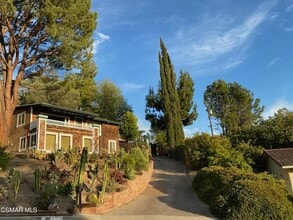
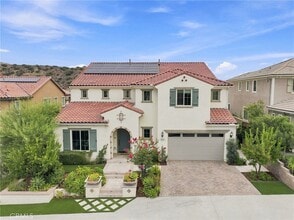
West Hills occupies the far western edge of the San Fernando Valley, where the Santa Susana Mountains back up against quiet, tree-lined streets roughly 30 miles northwest of Downtown Los Angeles. Daily life here leans toward the outdoors, with open-space preserves and nature parks just minutes from the neighborhood's borders. The Sherman Way corridor brings groceries, dining, and shops within easy reach, and neighboring communities like Chatsworth to the north and Woodland Hills to the south add even more options.
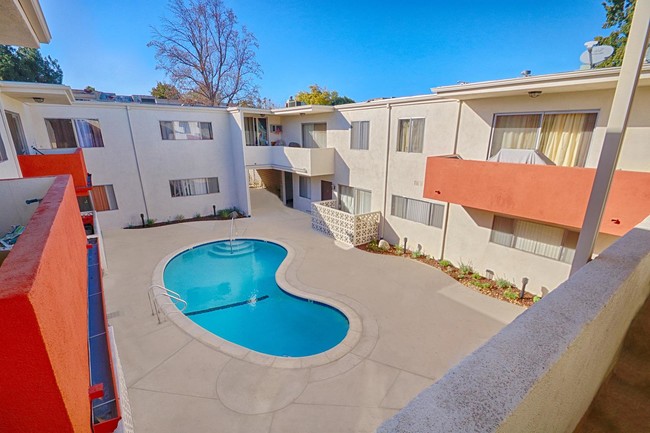
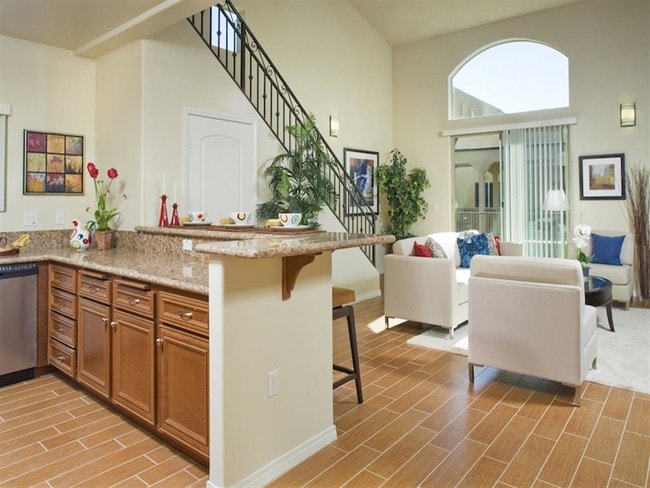
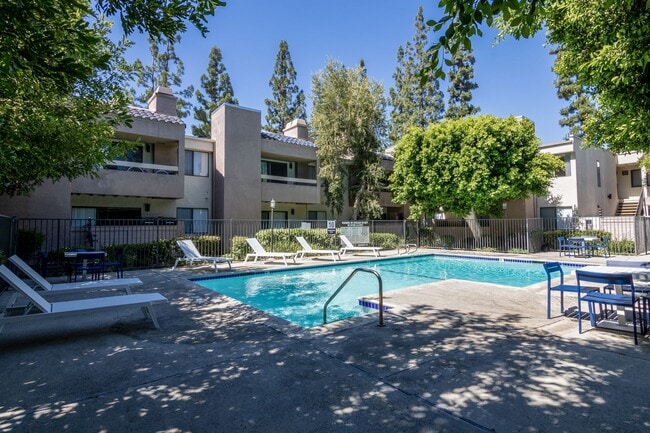
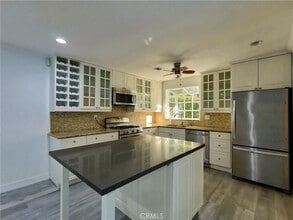
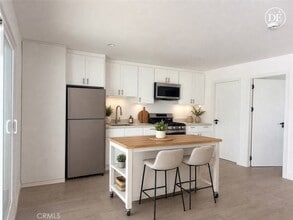
Renters in West Hills will find low-rise apartment communities that reflect the area's 1960s and 1970s development boom, when the hills and flatlands were laid out with winding residential streets, with most complexes staying garden-style and two to three stories. Just over the borders in neighboring Woodland Hills and Canoga Park, newer, more modern apartment communities with upgraded amenities and contemporary architecture have gone up. West Hills became one of Los Angeles's most recently named communities in 1987, when residents voted to establish their own identity separate from Canoga Park, giving the neighborhood a distinct character it continues to build on today.
Median Household Income
$96,506
Average: $125,564
Education
25,418
Residents Have a Degree
Job Market
39,409
Workers Employed
Median Age
42 Years
Largest Age Group
50-59 Years
Approximately 14% of Residents
Under 20
22%
Over 65
19%
Housing Distribution
West Hills has more homeowners than renters.

Education Distribution
Review this city's overall education levels.

As of September 2026, the average apartment rent in West Hills, CA is $1,701 for a studio, $2,122 for one bedroom, $2,970 for two bedrooms, and $3,964 for three bedrooms. Apartment rent in West Hills has increased by 6.9% in the past year.
Explore how walkable, bikeable, drivable, and transit-friendly West Hills, CA is for everyday living.
Somewhat Walkable
Walkability
Exceptionally Drivable
Drivability
Moderately Bikeable
Bikeability

† Our analysis of utilities, groceries, transportation, healthcare, home prices, and other goods and services is sourced from the Cost of Living Index, a respected benchmark published by the Council for Community and Economic Research (C2ER) that provides a thorough overview of living expenses across different regions.
Rent data is provided by CoStar Group’s Market Trend reports. As the industry leader in commercial real estate information, analytics, and news, CoStar conducts extensive research to produce and maintain a comprehensive database of commercial real estate information. We combine this data with public record to provide the most up-to-date rental information available.
Consumer goods, services, and home prices are sourced from the Cost of Living Index published by the Council for Community and Economic Research (C2ER). The data on this page is updated quarterly. It was last published in September 2026.
Demographic information comes from Neustar and combines detailed address data with U.S. Census and American Community Survey statistics to produce reliable local estimates.