Tarzana

Background Image

Tarzana, CA Area Guide

Avg Rent

$1,746

Population

104,481

Renter Mix

50% Rent

LA suburb teeming with suburban conveniences and natural beauty

Suburban Peaceful Scenic Active Diverse Convenient

Tarzana sits in the western stretch of the San Fernando Valley as a neighborhood of Los Angeles, quietly carrying one of the most distinctive origin stories in the city. Author Edgar Rice Burroughs purchased roughly 550 acres here in the early 20th century and named the land after his most famous creation, Tarzan. That literary history anchors a neighborhood that has since grown into a well-established community along the southern slope of the Valley, with Ventura Boulevard serving as its main commercial spine.

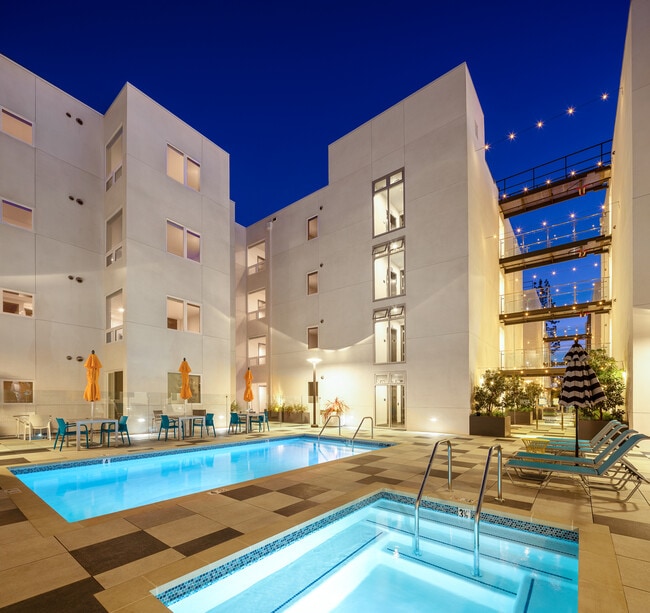
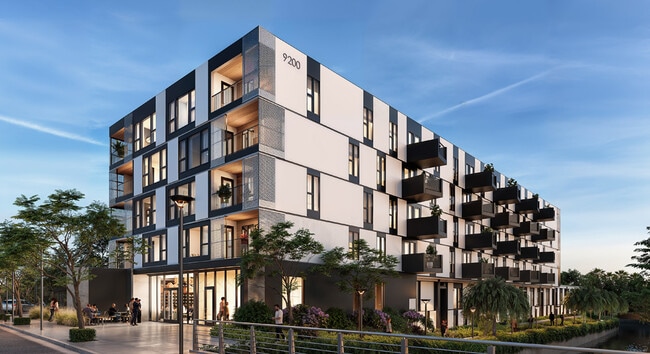
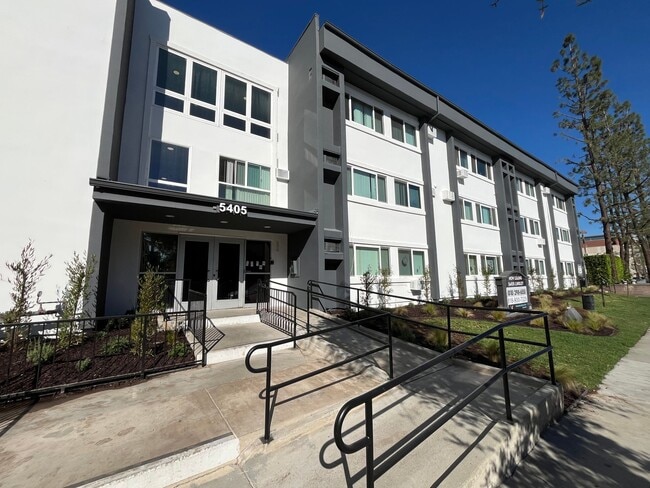
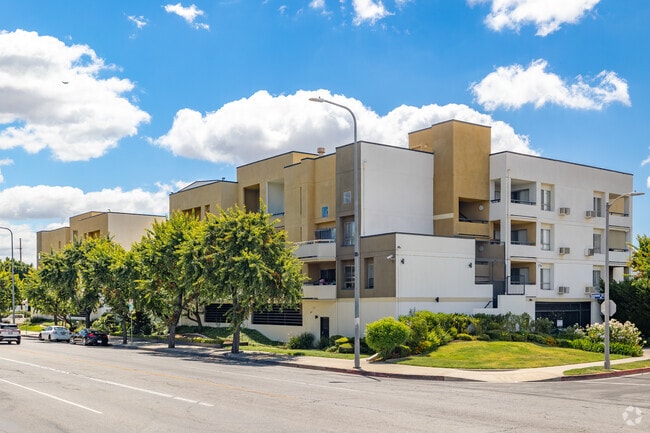
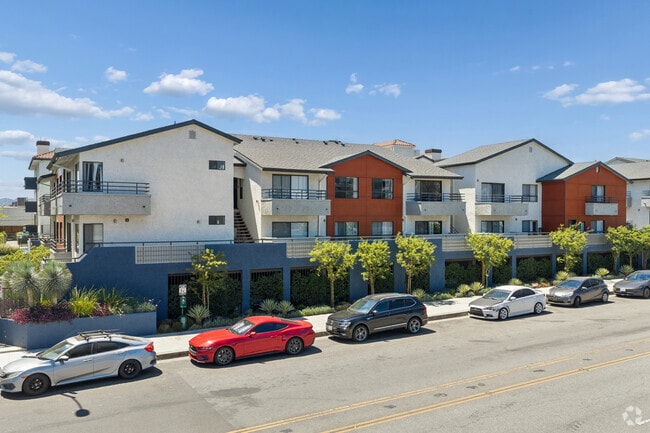
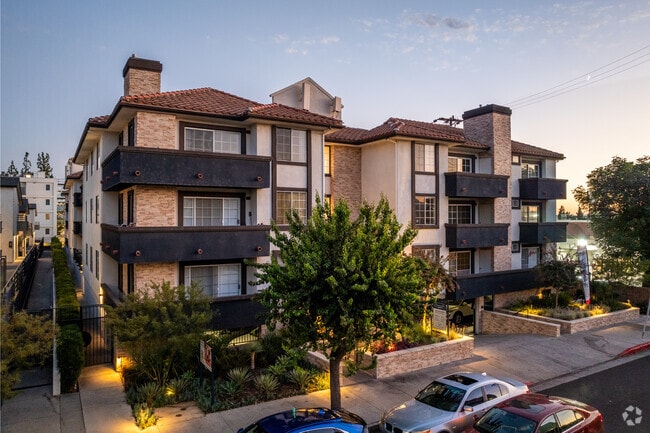
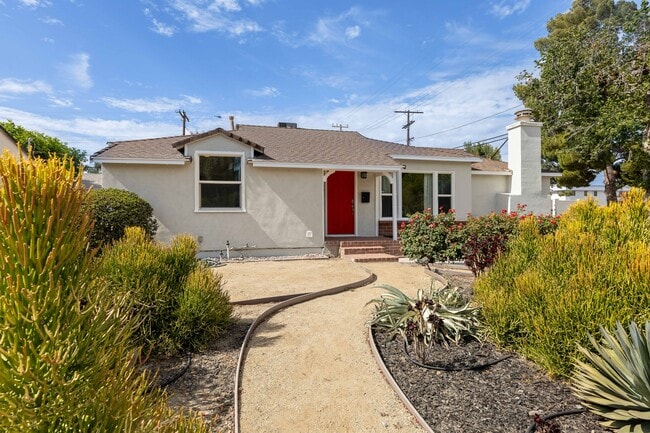
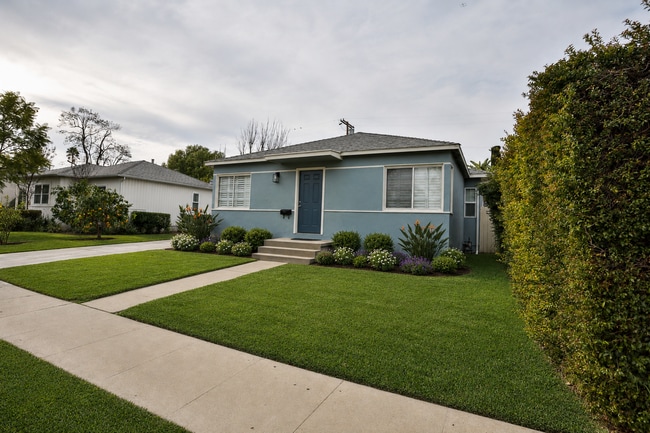
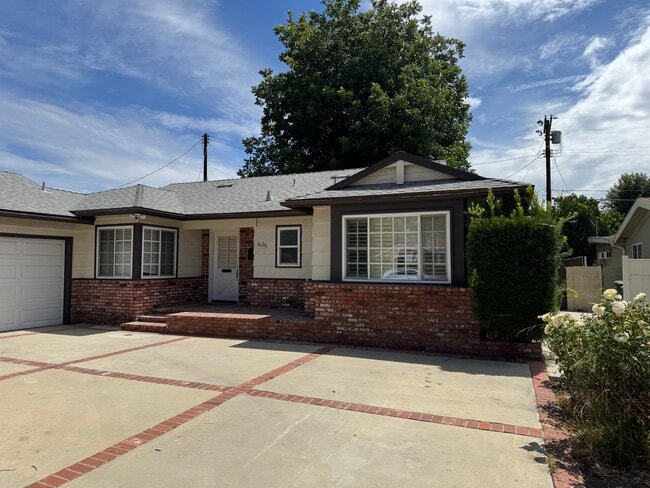
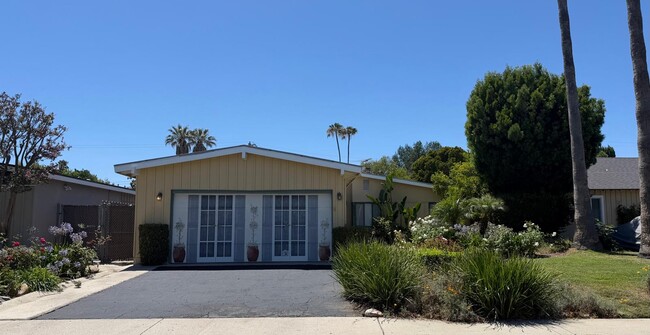
Residents here have access to a range of rental options, from garden-style apartment communities and townhomes to smaller bungalow-style units tucked into tree-lined side streets. The housing stock reflects both the neighborhood's suburban scale and its Los Angeles setting. Nearby communities like Encino, Woodland Hills, and Reseda expand the sense of place without pulling you far from home. The Ventura Freeway and the 101 keep the broader city accessible, and the Metro Orange Line connects Tarzana to the larger transit network. For those who prefer outdoor activity, Marvin Braude Mulholland Gateway Park and Topanga State Park are both within close reach, rounding out a lifestyle grounded in Southern California ease.

Demographics

Median Household Income

$78,667

Average: $108,535

Education

32,317

Residents Have a Degree

Job Market

54,135

Workers Employed

Age Distribution
Get a sense of this area's population profile.

Median Age

41 Years

Largest Age Group

30-39 Years

Approximately 14% of Residents

Under 20

22%

Over 65

19%
Housing Distribution

In Tarzana, there are roughly the same number of renters and homeowners.

Renters
50%
Non-Renters
50%

Education Distribution

Review this city's overall education levels.

Bachelor's or Higher
26%
Other Education
74%

Rent Trends

As of April 2026, the average apartment rent in Tarzana, CA is $1,466 for a studio, $1,744 for one bedroom, $2,445 for two bedrooms, and $2,924 for three bedrooms. Apartment rent in Tarzana has decreased by -1.1% in the past year.

Property Type
Average Rent
Average Sq Ft
Apartment
$1,744/month
684 Sq Ft
House
$6,270/month
1,700 Sq Ft
Condo
$2,663/month
1,084 Sq Ft
Townhome
$3,635/month
1,425 Sq Ft
See Rental Market Trends in Tarzana, CA

Getting Around

Moderately Walkable

Walkability

60 / 100

Some Public Transit

Transit

40 / 100

Exceptionally Drivable

Drivability

100 / 100

Fairly Bikeable

Bikeability

40 / 100

Points of Interest

Parks and Recreation

  • Reseda Park Lake
  • NatureBridge at Channel Islands
  • NatureBridge at Santa Monica Mountains
  • Los Encinos State Historic Park
  • Lake Balboa

Transit / Subway

Airports

  • Bob Hope
  • Los Angeles International

Top Apartments in Tarzana

Houses for Rent in Tarzana

Living in Tarzana

History

-

Tarzana carries one of the more literary origin stories in Los Angeles. Author Edgar Rice Burroughs purchased around 550 acres here in 1919 and named his ranch after Tarzan, the fictional character that made him famous. After subdividing the property for residential development in the 1920s, the neighborhood retained both the name and a connection to its creator. The Tarzana Community & Cultural Center preserves this history through its collection of memorabilia related to Burroughs and the Tarzan stories, along with an oral history program that documents the neighborhood's evolution through the voices of longtime residents.

The area's deeper roots stretch back to 1797, when Spanish settlers established the San Fernando Mission. Following Mexican rule and the Treaty of Guadalupe Hidalgo in 1848, the land transitioned through various uses, from cattle ranches to wheat farms during the 1870s. The Los Angeles Suburban Homes Company purchased the property in 1909 before Burroughs acquired his portion a decade later. Today, the Jingle in the Jungle holiday festival at Tarzana Village Walk nods to the neighborhood's colorful past with an annual tree lighting and live music.

Restaurants

-

Ventura Boulevard serves as Tarzana's dining corridor, lined with a mix of casual cafes, wine bistros, and neighborhood staples that reflect the San Fernando Valley's broad culinary range. Lebanese, Greek, and Italian options sit alongside American comfort food and farm-to-table menus that rotate with the local market. Whether you are stopping in for a midday shawarma wrap or settling into a candlelit dinner, the boulevard offers a relaxed but varied dining culture that suits both quick weeknight meals and leisurely weekend outings. The neighborhood's proximity to Encino and Woodland Hills extends that range further, putting even more dining choices within a short drive.

Transportation

-

Tarzana is a car-dependent neighborhood, and most residents rely on personal vehicles to get around. The 101 Freeway (Ventura Freeway) runs directly through the area, connecting commuters to Hollywood, Downtown Los Angeles, and points west toward Thousand Oaks. The 405 Freeway is also easily accessible, offering a direct route south toward Santa Monica or north into the northern San Fernando Valley. Ventura Boulevard serves as the main surface street, though expect peak-hour slowdowns. For those who prefer transit, the Metro Orange Line is accessible at the Reseda Station, offering bus rapid transit service across the Valley with connections to the broader Metro system. The northern, flatter portions of Tarzana have sidewalks and bike lanes suited for walking and cycling, while the hillier southern section is better navigated by car. Bob Hope Airport in Burbank and LAX are both reachable within a reasonable drive.

Parks

-

Tarzana sits at the edge of the Santa Monica Mountains, giving residents easy access to some of the San Fernando Valley's most rewarding outdoor spaces. Marvin Braude Mulholland Gateway Park serves as a local trailhead, connecting hikers and mountain bikers to an extensive network of paths with sweeping views of the Valley. The Vanalden Cave trail, a short but scenic hike accessible from Vanalden Avenue, is a neighborhood favorite that welcomes dogs as well. Topanga State Park, one of the largest wildland parks within a major U.S. city, lies within a short drive and offers miles of backcountry trails and open chaparral. Lake Balboa and Anthony C. Beilenson Park are also nearby, providing a lakeside setting with pedal boats, walking paths, and open lawn areas well suited for picnics and weekend recreation.

Cost

-

Tarzana sits within Los Angeles, where the overall cost of living runs about 52 percent above the national average, driven largely by housing costs that exceed the national benchmark by more than 135 percent. Groceries, utilities, and transportation also run higher than average, though healthcare costs come in slightly below. Citywide, one-bedroom apartments average around $2,177 per month, while studios average $1,708 and two-bedrooms reach $3,017. As a single-family-oriented neighborhood in the western San Fernando Valley, Tarzana tends to attract renters seeking more space, and rental pricing generally reflects the area's quieter residential character compared to denser urban neighborhoods closer to the city core.

Shopping

-

Ventura Boulevard is the heart of shopping in Tarzana, running through the neighborhood with a mix of grocery anchors, boutiques, and everyday retail that residents rely on regularly. The corridor includes well-established grocery options such as Whole Foods, Vons, and Gelson's Market, making it easy to handle daily errands without leaving the neighborhood. The Tarzana Village Walk is a walkable mixed-use destination along the boulevard that draws shoppers year-round and hosts the annual Jingle in the Jungle holiday festival, complete with live music and a tree lighting. For residents who prefer farm-fresh produce, Good Life Organics, a Tarzana-based delivery service, sources directly from local farms and offers convenient pickup options in the area.

Search Nearby Rentals

Methodology

† Our analysis of utilities, groceries, transportation, healthcare, home prices, and other goods and services is sourced from the Cost of Living Index, a respected benchmark published by the Council for Community and Economic Research (C2ER) that provides a thorough overview of living expenses across different regions.

Rent data is provided by CoStar Group’s Market Trend reports. As the industry leader in commercial real estate information, analytics, and news, CoStar conducts extensive research to produce and maintain a comprehensive database of commercial real estate information. We combine this data with public record to provide the most up-to-date rental information available.

Consumer goods, services, and home prices are sourced from the Cost of Living Index published by the Council for Community and Economic Research (C2ER). The data on this page is updated quarterly. It was last published in February 2026.

Demographic information comes from Neustar and combines detailed address data with U.S. Census and American Community Survey statistics to produce reliable local estimates.