Sherman Oaks

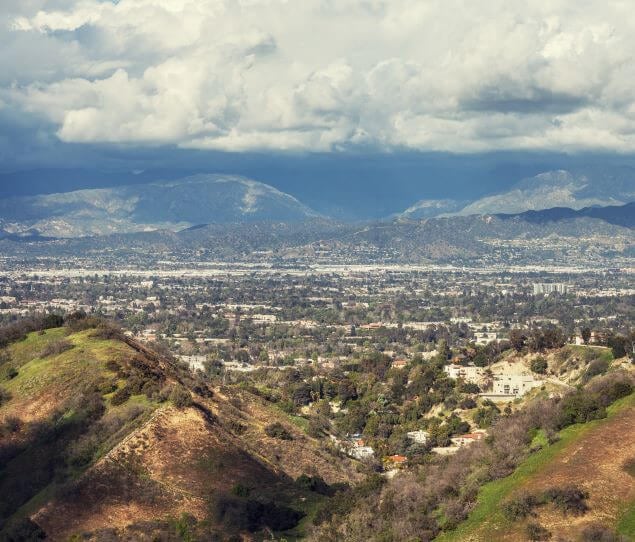
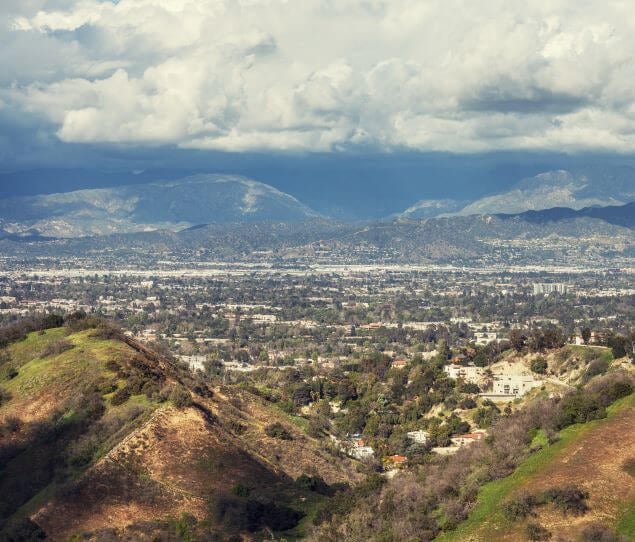
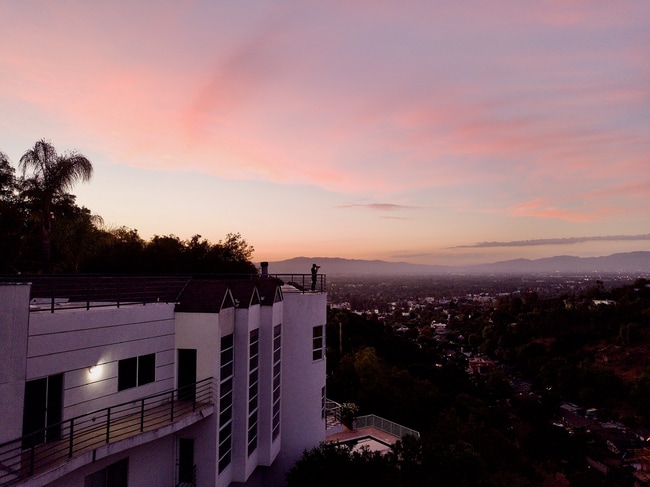
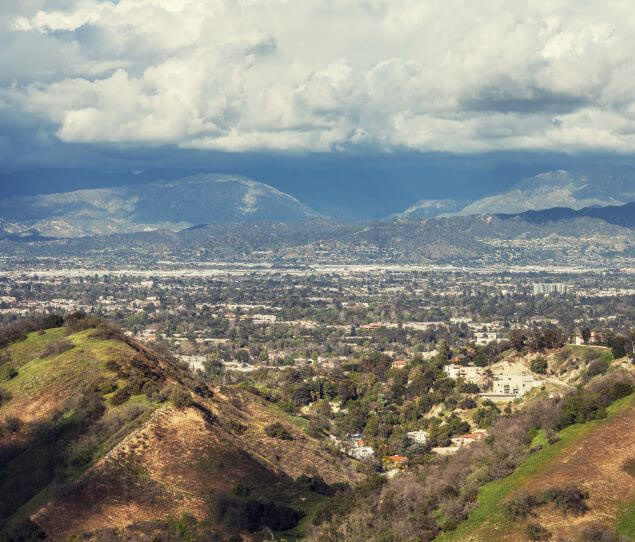
Beautiful view of the San Fernando Valley
Speeding traffic on US Route 101
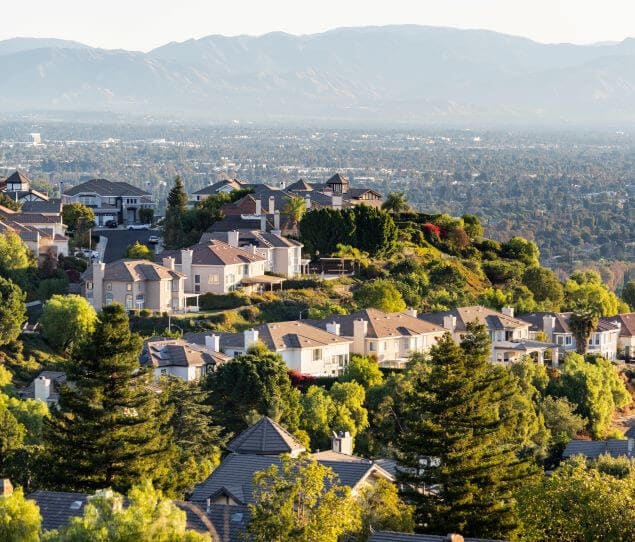
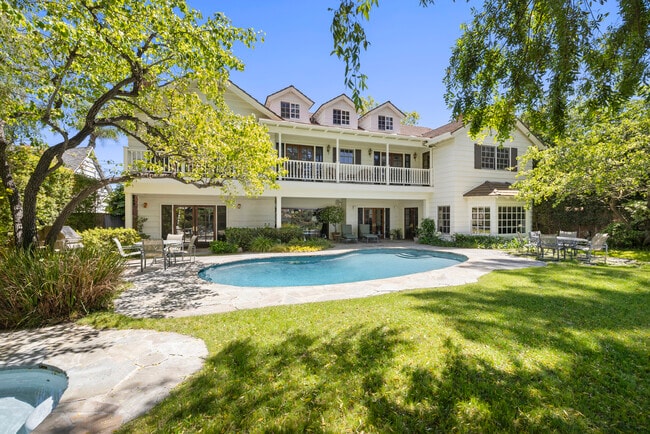
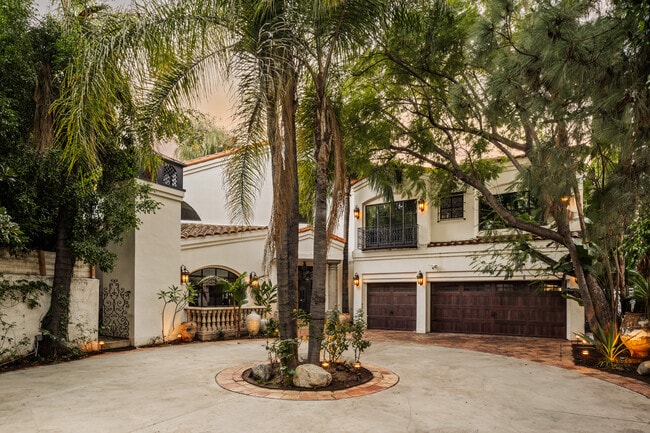
Houses nestled into the hills of Southern California

Sherman Oaks, CA Area Guide

Avg Rent

$2,098

Population

120,275

Renter Mix

64% Rent

Affluent neighborhood with unbeatable access to LA's attractions

Sherman Oaks sits in the heart of the San Fernando Valley, offering a grounded, residential feel while staying well-connected to the rest of Los Angeles. The neighborhood traces its roots to the early 20th century, when Gen. Moses Hazeltine Sherman developed the area as part of the Los Angeles Suburban Homes Company. Today, Sherman Oaks balances its historic character with the practicalities of modern city living. Ventura Boulevard runs through its core, lined with established restaurants, coffee shops, and local businesses that have served the community for decades. The nearby 101 and 405 freeways make commuting to major employment centers across the metro relatively straightforward.

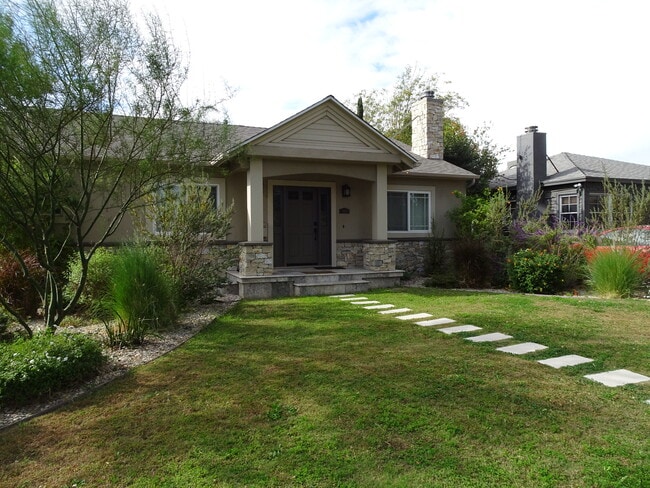
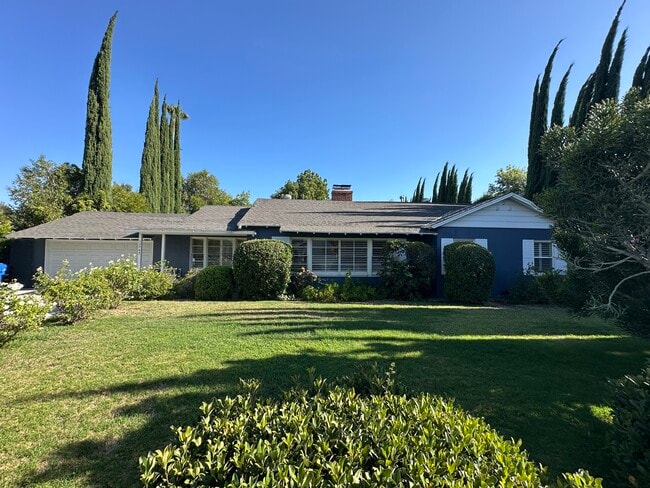
The housing mix here leans toward mid-century apartment communities, garden-style buildings, and two-story walkups tucked along tree-lined streets. Single-family homes share blocks with smaller apartment communities, giving the area a neighborhood atmosphere that feels less dense than many other parts of Los Angeles. Renters looking for something quieter than Downtown or Hollywood often find Sherman Oaks a practical and comfortable base. The Santa Monica Mountains border the southern edge of the neighborhood, providing access to hiking and open space just minutes from residential streets.

Explore the City

Beautiful view of the San Fernando Valley

Speeding traffic on US Route 101

Houses nestled into the hills of Southern California

Demographics

Median Household Income

$87,157

Average: $117,624

Education

54,454

Residents Have a Degree

Job Market

68,451

Workers Employed

Age Distribution
Get a sense of this area's population profile.

Median Age

40 Years

Largest Age Group

30-39 Years

Approximately 17% of Residents

Under 20

21%

Over 65

16%
Housing Distribution

Sherman Oaks has more renters than homeowners.

Renters
64%
Non-Renters
36%

Education Distribution

Review this city's overall education levels.

Bachelor's or Higher
38%
Other Education
62%

Rent Trends

As of April 2026, the average apartment rent in Sherman Oaks, CA is $1,807 for a studio, $2,102 for one bedroom, $2,777 for two bedrooms, and $3,481 for three bedrooms. Apartment rent in Sherman Oaks has decreased by -1.8% in the past year.

Property Type
Average Rent
Average Sq Ft
Apartment
$2,102/month
667 Sq Ft
House
$13,603/month
2,869 Sq Ft
Condo
$3,281/month
1,211 Sq Ft
Townhome
$3,847/month
1,364 Sq Ft
See Rental Market Trends in Sherman Oaks, CA

Getting Around

Moderately Walkable

Walkability

70 / 100

Some Public Transit

Transit

50 / 100

Very Drivable

Drivability

80 / 100

Moderately Bikeable

Bikeability

60 / 100

Points of Interest

Parks and Recreation

  • Sepulveda Basin Wildlife Reserve
  • The Japanese Garden
  • Los Encinos State Historic Park
  • Skirball Cultural Center
  • Lake Balboa

Airports

  • Bob Hope
  • Los Angeles International

Top Apartments in Sherman Oaks

Houses for Rent in Sherman Oaks

Property Management Companies in Sherman Oaks, CA

Living in Sherman Oaks

History

-

Sherman Oaks was born in the 1920s when Gen. Moses Hazeltine Sherman, co-founder of the Los Angeles Suburban Homes Company, subdivided thousands of acres across the San Fernando Valley. The company sold off land at $780 per acre starting in 1927, transforming open valley terrain into residential lots and establishing the neighborhood's grid of tree-lined streets. Spanish Colonial Revival estates from that era still stand along some of the older blocks, though most residential areas reflect mid-century development. The 1994 Northridge earthquake left its mark, prompting a wave of rebuilding and retrofitting that reshaped much of the housing stock. Today, remnants of Sherman Oaks' early decades appear in scattered period architecture and the boulevard-centered layout that defines the neighborhood. Each October, the Sherman Oaks Street Fair brings more than 100,000 visitors to Ventura Boulevard, celebrating local heritage with food vendors, rides, and community art exhibits across nine blocks.

Restaurants

-

Ventura Boulevard is the spine of Sherman Oaks dining, stretching through the neighborhood with a dense mix of Japanese, Korean, Italian, Middle Eastern, and California-influenced restaurants. Sushi bars are a longtime neighborhood staple, and the corridor also draws fans of Persian cuisine, wood-fired pizza, and farm-to-table California cooking. The area around Sherman Oaks Village offers walkable options for casual weeknight meals as well as more polished sit-down spots. The Westfield Fashion Square food court rounds out quick, varied dining closer to the retail core. Every October, the Sherman Oaks Street Fair transforms nine blocks of Ventura Boulevard into an outdoor celebration featuring more than 100 food vendors representing a wide range of local flavors.

Transportation

-

Sherman Oaks sits at the intersection of the 101 (Ventura Freeway) and 405 (San Diego Freeway), giving drivers direct access to the Westside, Hollywood, the San Fernando Valley, and beyond. Most residents rely on a car for daily errands and commuting, as the neighborhood's layout favors driving. For those who want alternatives, Metro bus lines run along Ventura Boulevard and Sepulveda Boulevard, and the G Line Bus Rapid Transit in nearby Van Nuys connects to the B Line subway at North Hollywood, opening routes into Hollywood and Downtown Los Angeles. The Valleyheart Riverwalk along the L.A. River provides a paved path for walking and cycling, and Burbank Bob Hope Airport is a short drive north for regional travel, with LAX reachable via the 405.

Parks

-

Sherman Oaks residents have convenient access to outdoor spaces that range from neighborhood parks to natural canyon terrain. Van Nuys-Sherman Oaks Park is the area's primary recreational hub, offering a running track, basketball courts, baseball diamonds, a swimming pool, and playgrounds. Valleyheart Riverwalk follows the Los Angeles River and provides a dedicated path for walking and running through the neighborhood. At the northern edge of Sherman Oaks, Coldwater Canyon Park sits within the Santa Monica Mountains, offering trails and natural open space. Sherman Oaks Castle Park adds a more recreational outdoor option, with three miniature golf courses alongside an arcade.

Cost

-

Sherman Oaks sits within one of the more expensive rental markets in the country, with Los Angeles overall carrying a cost of living roughly 52 percent above the national average, driven largely by housing costs. Within Sherman Oaks itself, rents range from around $1,800 for a studio to approximately $4,300 for a four-bedroom unit, with one-bedroom apartments averaging near $2,100 and two-bedroom units averaging around $2,800. The neighborhood draws renters who want San Fernando Valley access at prices that can run somewhat below Westside Los Angeles communities, while still reflecting the premium of a well-established, amenity-rich area. Nearby Van Nuys offers a noticeably lower price point for renters seeking more affordable options close by.

Shopping

-

Shopping in Sherman Oaks centers on Ventura Boulevard, a long commercial corridor lined with a mix of retail shops, boutiques, and specialty stores that give the neighborhood its distinct local character. Westfield Fashion Square anchors the area's mall shopping, offering department stores and national retailers in an indoor setting. For a more browsing-focused experience, the Sherman Oaks Antique Mall has been a neighborhood fixture for years, drawing collectors and curious shoppers alike. The Sherman Oaks Tuesday Farmers' Market runs year-round, offering fresh produce and locally sourced goods. Each October, the Sherman Oaks Street Fair transforms Ventura Boulevard into a nine-block community gathering with vendors, art, and local flavor.

Search Nearby Rentals

Methodology

† Our analysis of utilities, groceries, transportation, healthcare, home prices, and other goods and services is sourced from the Cost of Living Index, a respected benchmark published by the Council for Community and Economic Research (C2ER) that provides a thorough overview of living expenses across different regions.

Rent data is provided by CoStar Group’s Market Trend reports. As the industry leader in commercial real estate information, analytics, and news, CoStar conducts extensive research to produce and maintain a comprehensive database of commercial real estate information. We combine this data with public record to provide the most up-to-date rental information available.

Consumer goods, services, and home prices are sourced from the Cost of Living Index published by the Council for Community and Economic Research (C2ER). The data on this page is updated quarterly. It was last published in February 2026.

Demographic information comes from Neustar and combines detailed address data with U.S. Census and American Community Survey statistics to produce reliable local estimates.