Median Age
29 Years
Largest Age Group
25-34 Years
Approximately 24% of Residents
Under 20
31%
Over 65
9%

Avg Rent
$1,271
Population
11,919
Renter Mix
79% Rent
Tucked just outside the gates of Fort Liberty — one of the largest military installations in the country — Spring Lake has a sense of purpose that few small towns in North Carolina can match. Situated about ten miles northwest of Fayetteville and roughly 50 miles from Raleigh, this Cumberland County town sits where Route 24 and Route 210 converge, making it surprisingly well-connected for its size. Carvers Creek State Park offers wooded trails and quiet natural spaces, while Anderson Creek Golf Club gives golfers a solid local course to call their own. Each October, the Sandhills Sankofa Festival draws the community together in a celebration of heritage and culture. Fayetteville Regional Airport is only a 30-minute drive away, keeping longer travel well within reach.
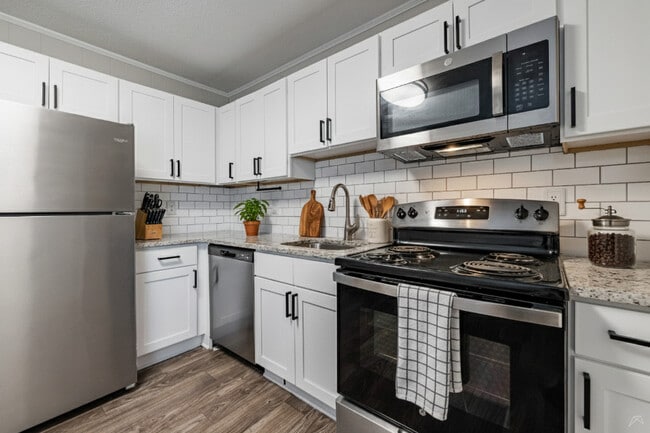
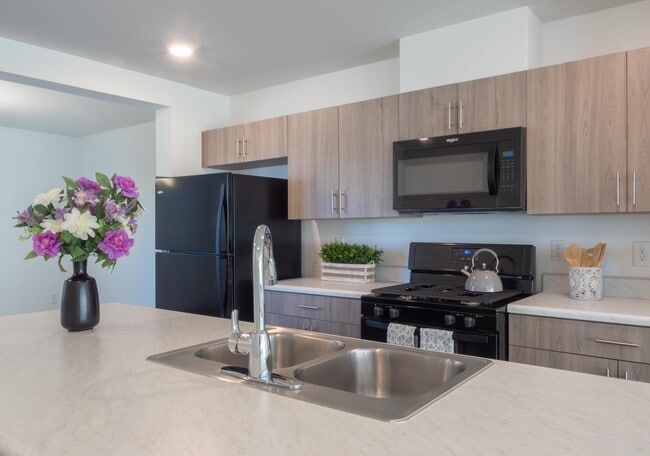
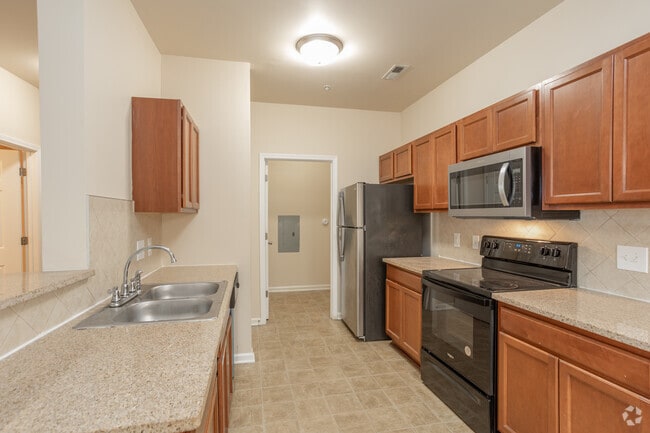
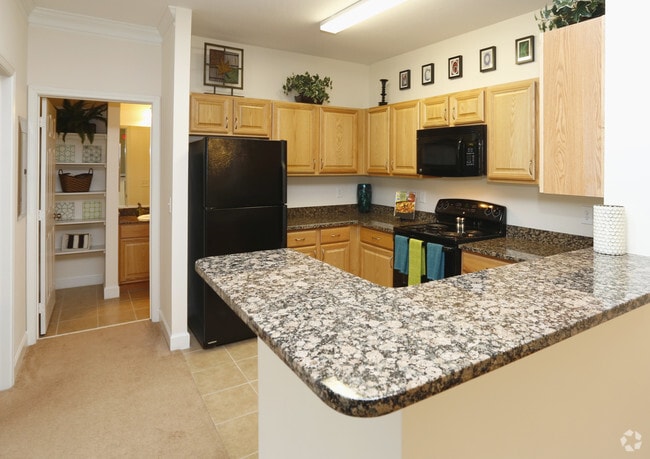
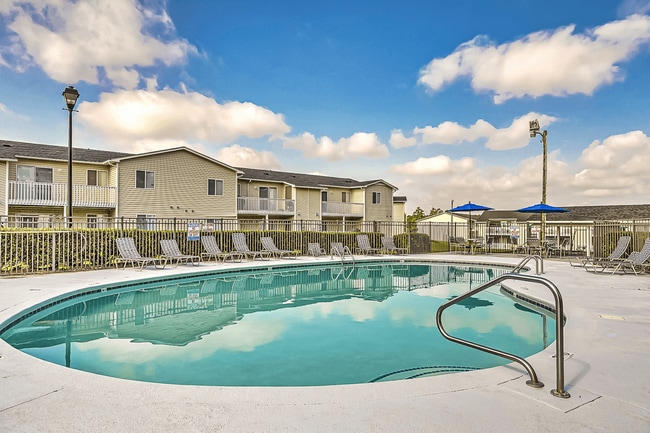
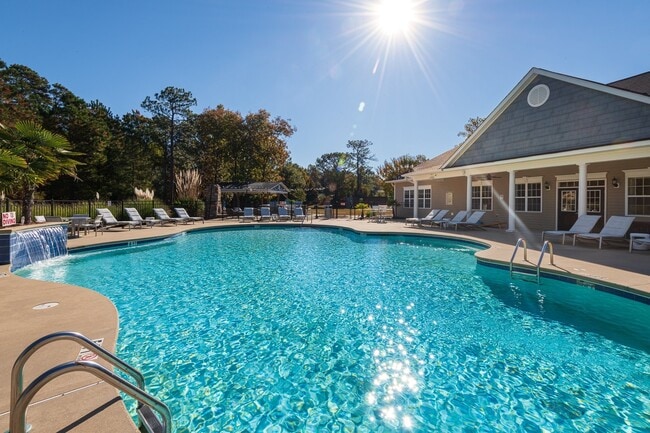
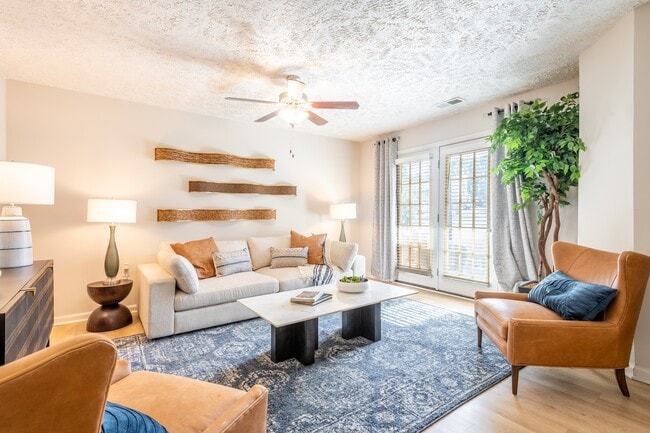
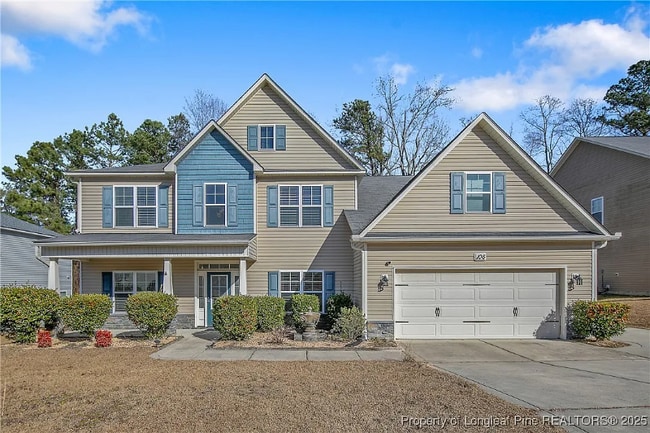
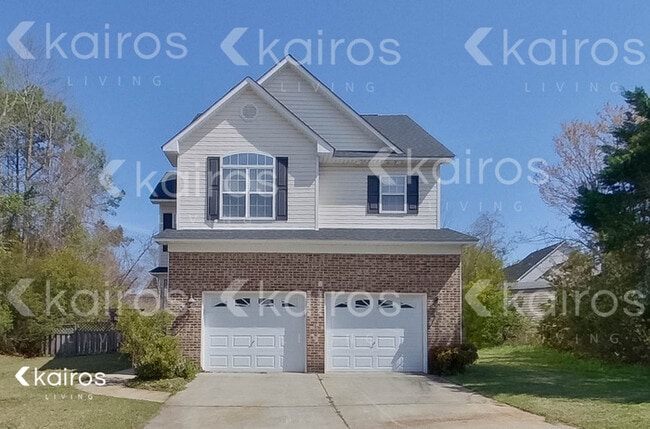
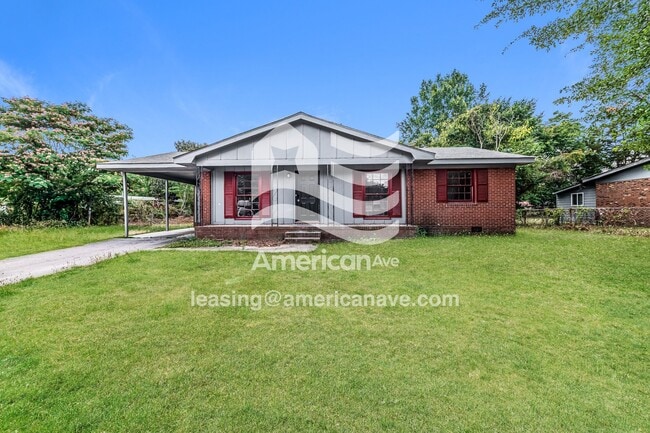
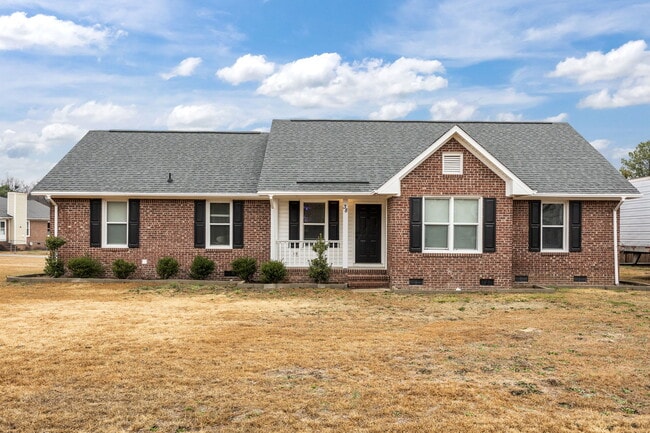
The rental landscape in Spring Lake leans practical and accessible, with a mix of townhomes, garden-style apartment communities, and single-family rentals scattered throughout the area. Options range from cozy studios to spacious three-bedroom floor plans, giving renters genuine flexibility. The town's name traces back to a spring-fed lake that likely formed when railroad construction cut through the area around 1860 — a quiet reminder that Spring Lake's story started long before it became the close-knit community it is today.
Median Household Income
$39,459
Average: $50,409
Education
2,268
Residents Have a Degree
Job Market
3,331
Workers Employed
Median Age
29 Years
Largest Age Group
25-34 Years
Approximately 24% of Residents
Under 20
31%
Over 65
9%
Housing Distribution
Spring Lake has more renters than homeowners.

Education Distribution
Review this city's overall education levels.

As of July 2026, the average apartment rent in Spring Lake, NC is $1,115 for a studio, $1,271 for one bedroom, $1,260 for two bedrooms, and $1,472 for three bedrooms. Apartment rent in Spring Lake has increased by 1.8% in the past year.
Explore how walkable, bikeable, drivable, and transit-friendly Spring Lake, NC is for everyday living.
Somewhat Walkable
Walkability
Exceptionally Drivable
Drivability
Somewhat Bikeable
Bikeability

Public
Grades K-5
288 Students

Public
Grades PK-5
930 Students

Public
Grades PK-5
525 Students
Public
Grades K-5
268 Students
Public
Grades K-5
194 Students
Public
Grades 6-8
507 Students
Public
Grades 6-8
799 Students

Public
Grades 9-12
1,971 Students
Public
Grades 9-12
1,899 Students
 The GreatSchools Rating helps parents compare schools within a state based on a variety of school quality indicators and provides a helpful picture of how effectively each school serves all of its students. Ratings are on a scale of 1 (below average) to 10 (above average) and can include test scores, college readiness, academic progress, advanced courses, equity, discipline and attendance data. We also advise parents to visit schools, consider other information on school performance and programs, and consider family needs as part of the school selection process.
View GreatSchools Rating Methodology
Data provided by
GreatSchools.org
© 2026. All rights reserved.
The GreatSchools Rating helps parents compare schools within a state based on a variety of school quality indicators and provides a helpful picture of how effectively each school serves all of its students. Ratings are on a scale of 1 (below average) to 10 (above average) and can include test scores, college readiness, academic progress, advanced courses, equity, discipline and attendance data. We also advise parents to visit schools, consider other information on school performance and programs, and consider family needs as part of the school selection process.
View GreatSchools Rating Methodology
Data provided by
GreatSchools.org
© 2026. All rights reserved.
† Our analysis of utilities, groceries, transportation, healthcare, home prices, and other goods and services is sourced from the Cost of Living Index, a respected benchmark published by the Council for Community and Economic Research (C2ER) that provides a thorough overview of living expenses across different regions.
Rent data is provided by CoStar Group’s Market Trend reports. As the industry leader in commercial real estate information, analytics, and news, CoStar conducts extensive research to produce and maintain a comprehensive database of commercial real estate information. We combine this data with public record to provide the most up-to-date rental information available.
Consumer goods, services, and home prices are sourced from the Cost of Living Index published by the Council for Community and Economic Research (C2ER). The data on this page is updated quarterly. It was last published in June 2026.
Demographic information comes from Neustar and combines detailed address data with U.S. Census and American Community Survey statistics to produce reliable local estimates.