Median Age
41 Years
Largest Age Group
35-44 Years
Approximately 13% of Residents
Under 20
24%
Over 65
20%



Avg Rent
$800
Population
31,029
Renter Mix
30% Rent
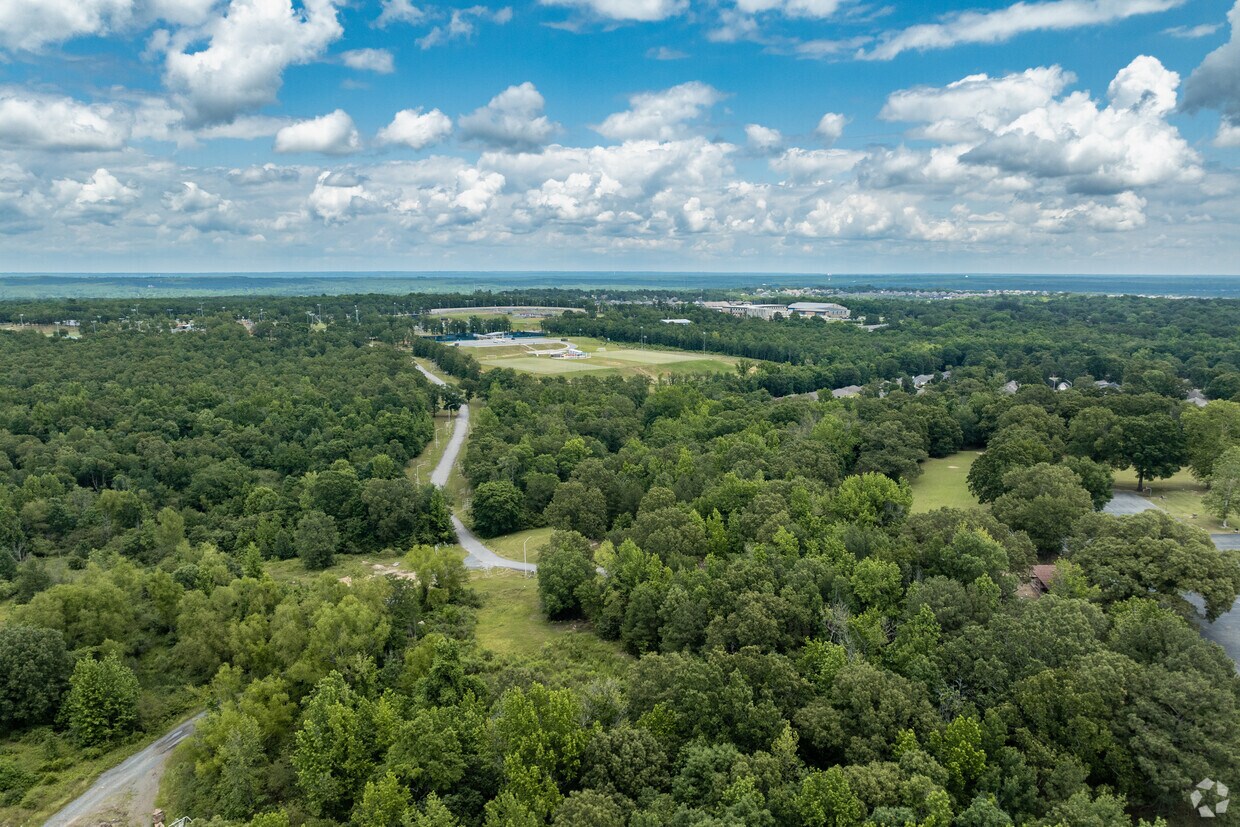
Nestled about nine miles northeast of Little Rock, Sherwood is a peaceful suburb brimming with suburban conveniences and a small-town sense of community. Numerous shops and restaurants—both local and national—are strewn throughout the town, affording residents a broad range of choices for shopping and dining. McCain Mall also offers plenty of shopping opportunities just south of Sherwood’s borders.
Sherwood manages to maintain a close-knit community amidst a growing population, with year-round family-friendly events such as the Easter Egg Hunt, Fourth of July Celebration, Sherwood Fall Fest, Halloween Carnival, and the Enchanted Forest and Holiday Trail of Lights. Residents also come together for an array of outdoor activities at Sherwood’s many parks and recreational facilities, including Sherwood Forest, Indianhead Lake, Henson Park Tennis Center, and the Greens at North Hills.
Scenic parks, short commute times, excellent schools, and an overall tranquil atmosphere within minutes of Arkansas’ capital city continue to draw new residents to Sherwood. Getting around from Sherwood is easy with convenience to multiple major roadways like U.S. 167, I-40, I-30, and I-440.
Union Pacific railroad cars can be spotted in the Sherwood neighborhood.
Kiehl Avenue is a popular thorofare in the Sherwood neighborhood.
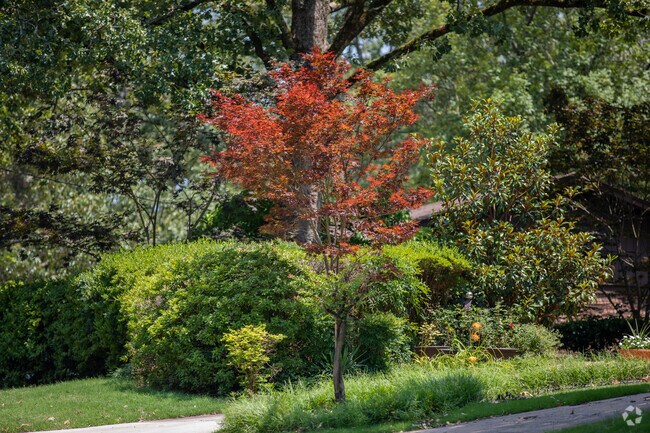
The Sherwood neighborhood has pops of Crepe Myrtles in every direction.
Golf aficionados love the golfing options in Sherwood.
Sherwood living is enhanced by the Henson Park beauty and amenities.
Sherwood residents gather for a bite at Gadwall's Grill during lunch.
Median Household Income
$68,731
Average: $86,243
Education
8,409
Residents Have a Degree
Job Market
15,178
Workers Employed
Median Age
41 Years
Largest Age Group
35-44 Years
Approximately 13% of Residents
Under 20
24%
Over 65
20%
Housing Distribution
Sherwood has more homeowners than renters.

Education Distribution
Review this city's overall education levels.

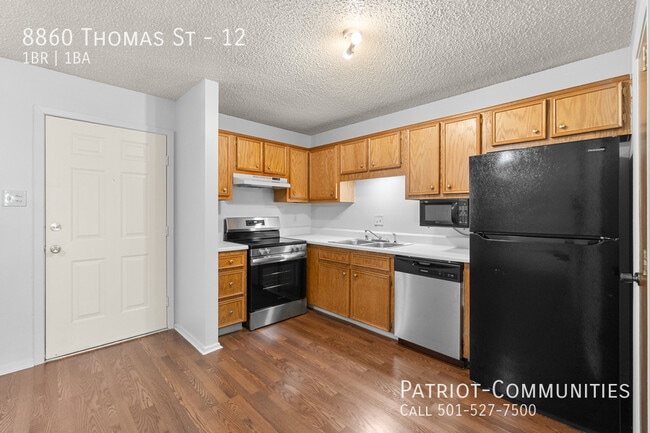
As of September 2026, the average apartment rent in Sherwood, AR is $766 for a studio, $798 for one bedroom, $1,000 for two bedrooms, and $1,213 for three bedrooms. Apartment rent in Sherwood has increased by 1.9% in the past year.
Explore how walkable, bikeable, drivable, and transit-friendly Sherwood, AR is for everyday living.
Somewhat Walkable
Walkability
Exceptionally Drivable
Drivability
Not Bikeable
Bikeability

Sylvan Hills Elementary School
Public
Grades PK-5
469 Students

Public
Grades PK-5
373 Students
Public
Grades PK-5
266 Students

Public
Grades PK-5
476 Students

Public
Grades PK-5
355 Students
Public
Grades 6-8
333 Students

Sylvan Hills Junior High School
Public
Grades 6-8
731 Students

Public
Grades 6-8
764 Students
Public
Grades 9-12
1,061 Students
 The GreatSchools Rating helps parents compare schools within a state based on a variety of school quality indicators and provides a helpful picture of how effectively each school serves all of its students. Ratings are on a scale of 1 (below average) to 10 (above average) and can include test scores, college readiness, academic progress, advanced courses, equity, discipline and attendance data. We also advise parents to visit schools, consider other information on school performance and programs, and consider family needs as part of the school selection process.
View GreatSchools Rating Methodology
Data provided by
GreatSchools.org
© 2026. All rights reserved.
The GreatSchools Rating helps parents compare schools within a state based on a variety of school quality indicators and provides a helpful picture of how effectively each school serves all of its students. Ratings are on a scale of 1 (below average) to 10 (above average) and can include test scores, college readiness, academic progress, advanced courses, equity, discipline and attendance data. We also advise parents to visit schools, consider other information on school performance and programs, and consider family needs as part of the school selection process.
View GreatSchools Rating Methodology
Data provided by
GreatSchools.org
© 2026. All rights reserved.
† Our analysis of utilities, groceries, transportation, healthcare, home prices, and other goods and services is sourced from the Cost of Living Index, a respected benchmark published by the Council for Community and Economic Research (C2ER) that provides a thorough overview of living expenses across different regions.
Rent data is provided by CoStar Group’s Market Trend reports. As the industry leader in commercial real estate information, analytics, and news, CoStar conducts extensive research to produce and maintain a comprehensive database of commercial real estate information. We combine this data with public record to provide the most up-to-date rental information available.
Consumer goods, services, and home prices are sourced from the Cost of Living Index published by the Council for Community and Economic Research (C2ER). The data on this page is updated quarterly. It was last published in September 2026.
Demographic information comes from Neustar and combines detailed address data with U.S. Census and American Community Survey statistics to produce reliable local estimates.