Median Age
38 Years
Largest Age Group
25-34 Years
Approximately 14% of Residents
Under 20
25%
Over 65
18%




Avg Rent
$950
Population
202,954
Renter Mix
47% Rent
Little Rock is the capital of Arkansas and the state's largest city, sitting along the south bank of the Arkansas River near the geographic center of the state. Government anchors much of the city's economy alongside healthcare, education, and finance, with major employers including the University of Arkansas for Medical Sciences, Arkansas Children's Hospital, and Dillard's. The University of Arkansas at Little Rock adds a steady academic presence, and Little Rock Central High School National Historic Site marks the city's lasting place in civil rights history.
Neighborhoods range widely in character. Downtown and the River Market District draw those who want walkability and energy near the Clinton Presidential Center and the Arkansas Museum of Fine Arts. Hillcrest and the Heights offer established, tree-lined streets with shops and dining along Kavanaugh Boulevard. The Quapaw Quarter preserves Victorian architecture near the Governor's Mansion, while West Little Rock and Chenal Valley offer newer communities with easy access to trails and retail.
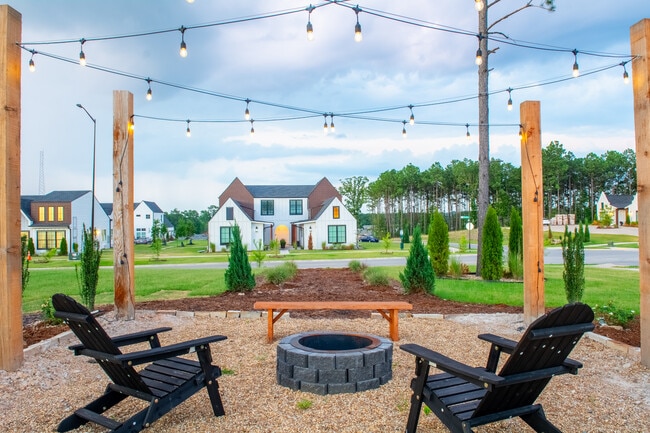
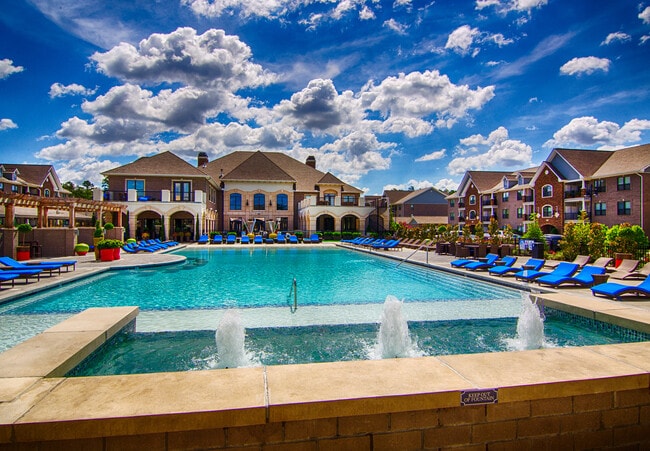
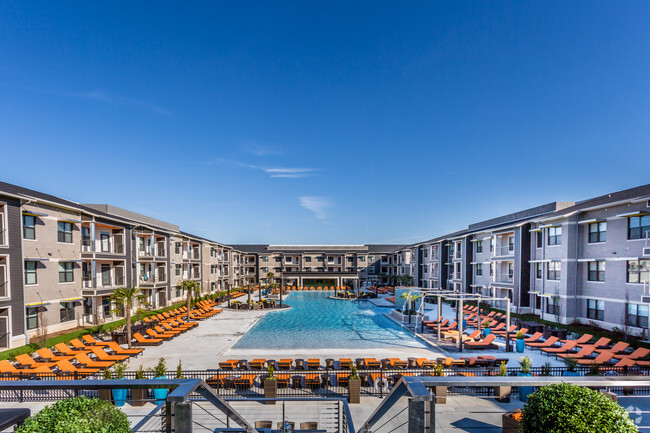
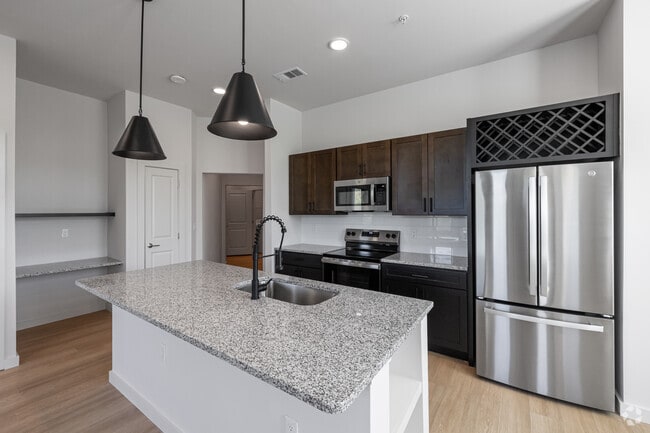
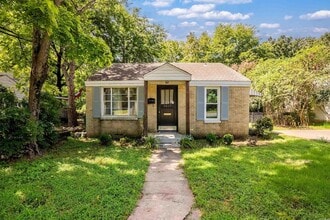
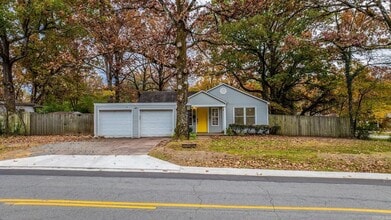
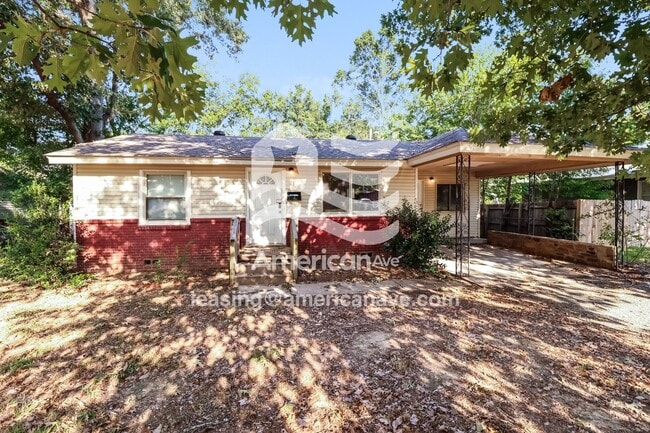
The rental market reflects that range. Downtown lofts, craftsman bungalows, garden-style apartment communities, and newer multi-story buildings give renters options at accessible price points compared to most state capitals. With Pinnacle Mountain State Park nearby and the 17-mile Arkansas River Trail running through the city, outdoor access is genuinely close.
Bridge in Little Rock
State Capitol in Little Rock
Median Household Income
$55,033
Average: $84,570
Education
67,498
Residents Have a Degree
Job Market
101,091
Workers Employed
Median Age
38 Years
Largest Age Group
25-34 Years
Approximately 14% of Residents
Under 20
25%
Over 65
18%
Housing Distribution
Little Rock has more homeowners than renters.

Education Distribution
Review this city's overall education levels.

As of September 2026, the average apartment rent in Little Rock, AR is $863 for a studio, $954 for one bedroom, $1,111 for two bedrooms, and $1,328 for three bedrooms. Apartment rent in Little Rock has increased by 0.3% in the past year.
The cost of living in Little Rock, AR is 5.4% lower than the national average. Generally, housing in Little Rock is 18.1% less expensive than the national average, with rent falling between $862 - $1,325. You can expect to pay 3.5% less for groceries, 7.2% less for utilities, and 9.9% less for transportation.
Compare Cities
Explore how walkable, bikeable, drivable, and transit-friendly Little Rock, AR is for everyday living.
Fairly Walkable
Walkability
Limited Public Transit
Transit
Very Drivable
Drivability
Moderately Bikeable
Bikeability

Public
Grades K-5
997 Students

Public
Grades K-5
365 Students
Baker Interdistrict Elementary School
Public
Grades PK-5
402 Students

Public
Grades K-5
382 Students
Public
Grades K-8
783 Students

Public
Grades 6-8
334 Students
Public
Grades 6-8
833 Students
Public
Grades K-8
783 Students
Public
Grades 6-8
631 Students
eStem East Village Junior High Public Charter School
Public
Grades 6-8
280 Students
eStem Public Charter High School
Public
Grades 9-12
613 Students

Public
Grades 9-12
1,023 Students

Public
Grades 9-12
408 Students
Public
Grades 9-12
2,468 Students

Arkansas Virtual Academy High School
Public
Grades 9-12
2,973 Students

 The GreatSchools Rating helps parents compare schools within a state based on a variety of school quality indicators and provides a helpful picture of how effectively each school serves all of its students. Ratings are on a scale of 1 (below average) to 10 (above average) and can include test scores, college readiness, academic progress, advanced courses, equity, discipline and attendance data. We also advise parents to visit schools, consider other information on school performance and programs, and consider family needs as part of the school selection process.
View GreatSchools Rating Methodology
Data provided by
GreatSchools.org
© 2026. All rights reserved.
The GreatSchools Rating helps parents compare schools within a state based on a variety of school quality indicators and provides a helpful picture of how effectively each school serves all of its students. Ratings are on a scale of 1 (below average) to 10 (above average) and can include test scores, college readiness, academic progress, advanced courses, equity, discipline and attendance data. We also advise parents to visit schools, consider other information on school performance and programs, and consider family needs as part of the school selection process.
View GreatSchools Rating Methodology
Data provided by
GreatSchools.org
© 2026. All rights reserved.
† Our analysis of utilities, groceries, transportation, healthcare, home prices, and other goods and services is sourced from the Cost of Living Index, a respected benchmark published by the Council for Community and Economic Research (C2ER) that provides a thorough overview of living expenses across different regions.
Rent data is provided by CoStar Group’s Market Trend reports. As the industry leader in commercial real estate information, analytics, and news, CoStar conducts extensive research to produce and maintain a comprehensive database of commercial real estate information. We combine this data with public record to provide the most up-to-date rental information available.
Consumer goods, services, and home prices are sourced from the Cost of Living Index published by the Council for Community and Economic Research (C2ER). The data on this page is updated quarterly. It was last published in September 2026.
Demographic information comes from Neustar and combines detailed address data with U.S. Census and American Community Survey statistics to produce reliable local estimates.