Median Age
38 Years
Largest Age Group
25-34 Years
Approximately 14% of Residents
Under 20
25%
Over 65
18%





Avg Rent
$1,070
Population
65,944
Renter Mix
55% Rent
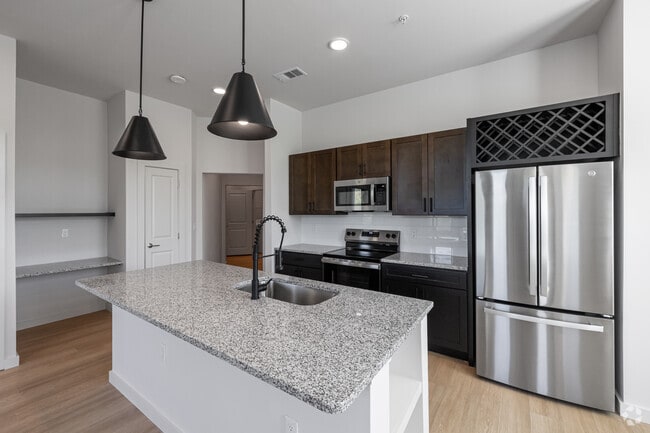
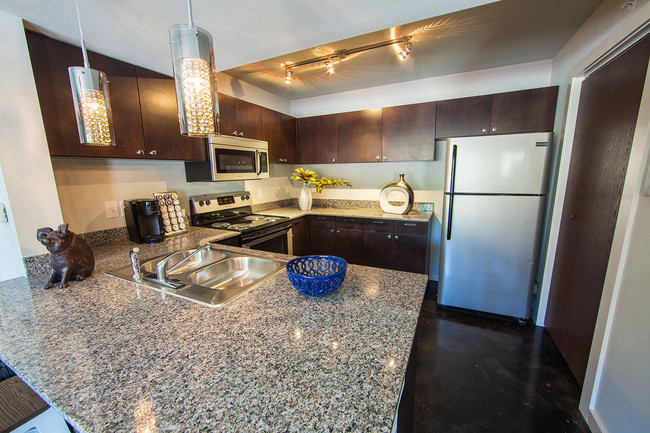
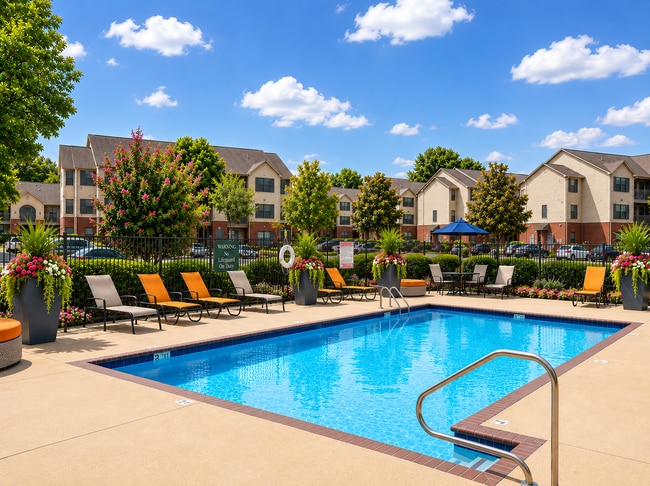
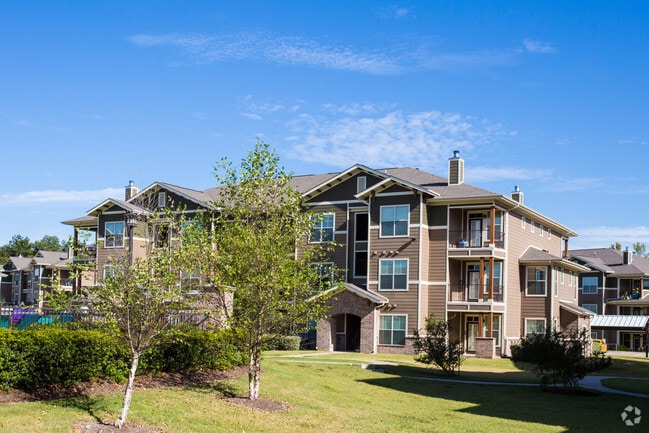
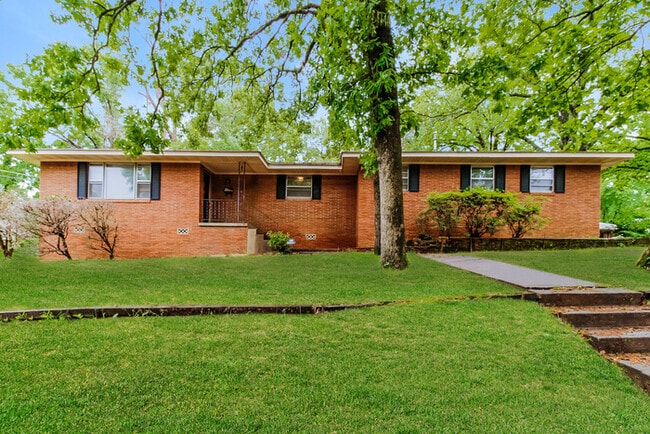
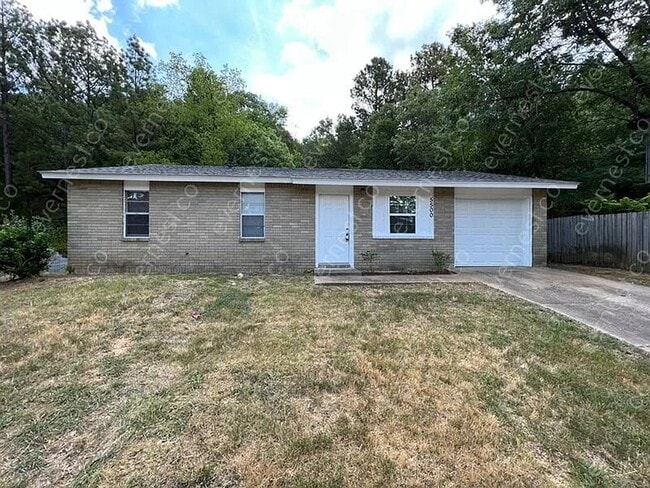
North Little Rock sits on the north bank of the Arkansas River, directly across from the state capital, giving residents a city of their own with immediate access to a major metro area. The two cities share the iconic Big Dam Bridge, one of the longest pedestrian and bicycle bridges in the country built specifically for non-motorized travel, and the River Rail Streetcar, which connects both downtowns with a short, scenic ride. Originally called Argenta before incorporating as North Little Rock in 1917, the city carries that history proudly through its revitalized Argenta Historic District, where restored storefronts now house galleries, live theater, boutiques, and locally rooted restaurants. Burns Park, stretching over 1,700 acres, anchors the outdoor scene with golf courses, trails, tennis courts, and athletic fields. Neighborhoods like Park Hill and Lakewood offer distinct residential pockets within the city. The rental market includes garden-style apartment communities, townhome-style options, and traditional single-story layouts, giving renters meaningful choices at price points well below the national average. With a cost of living nearly 20 percent lower than the national average and steady access to employment across the metro, North Little Rock draws renters who want an established, affordable base without trading away city-level amenities.
Burns Park is a lovely place to relax and is located right off of the Arkansas River.
William E. Clark Presidential Wetlands is located adjacent to the William J. Clinton Library.
Fishing is a favorite activity at Burns Park along the Arkansas River in North Little Rock.
The Arkansas River Trail runs through North Little Rock.
North Little Rock residents take pride in Dogtown.
The Burns Park tennis complex allows residents to swing a racquet when they want to.
Median Household Income
$44,437
Average: $64,516
Education
15,638
Residents Have a Degree
Job Market
31,415
Workers Employed
Median Age
38 Years
Largest Age Group
25-34 Years
Approximately 14% of Residents
Under 20
25%
Over 65
18%
Housing Distribution
North Little Rock has more renters than homeowners.

Education Distribution
Review this city's overall education levels.

As of September 2026, the average apartment rent in North Little Rock, AR is $870 for a studio, $1,068 for one bedroom, $1,128 for two bedrooms, and $1,377 for three bedrooms. Apartment rent in North Little Rock has decreased by -0.7% in the past year.
The cost of living in North Little Rock, AR is 5.4% lower than the national average. Generally, housing in North Little Rock is 18.1% less expensive than the national average, with rent falling between $872 - $1,384. You can expect to pay 3.5% less for groceries, 7.2% less for utilities, and 9.9% less for transportation.
Compare Cities
Explore how walkable, bikeable, drivable, and transit-friendly North Little Rock, AR is for everyday living.
Somewhat Walkable
Walkability
Limited Public Transit
Transit
Exceptionally Drivable
Drivability
Somewhat Bikeable
Bikeability

Public
Grades K-5
473 Students

Public
Grades K-5
430 Students
Public
Grades K-5
640 Students

Crystal Hill Elementary School
Public
Grades PK-5
411 Students
Public
Grades PK-5
411 Students
Academics Plus High Charter School
Public
Grades 6-12
527 Students

Westwind School for Performing Arts School
Public
Grades 6-8
83 Students

North Little Rock Middle School
Public
Grades 6-8
1,026 Students

North Little Rock Middle School 6th Grade Campus
Public
Grades K-8
505 Students
Public
Grades 6-8
372 Students
Academics Plus High Charter School
Public
Grades 6-12
527 Students
LISA Academy North High School
Public
Grades 9-12
286 Students
North Little Rock Center of Excellence
Public
Grades 9-12
408 Students
Public
Grades 9-12
1,615 Students

Premier High School of North Little Rock
Public
Grades 9-12
57 Students

 The GreatSchools Rating helps parents compare schools within a state based on a variety of school quality indicators and provides a helpful picture of how effectively each school serves all of its students. Ratings are on a scale of 1 (below average) to 10 (above average) and can include test scores, college readiness, academic progress, advanced courses, equity, discipline and attendance data. We also advise parents to visit schools, consider other information on school performance and programs, and consider family needs as part of the school selection process.
View GreatSchools Rating Methodology
Data provided by
GreatSchools.org
© 2026. All rights reserved.
The GreatSchools Rating helps parents compare schools within a state based on a variety of school quality indicators and provides a helpful picture of how effectively each school serves all of its students. Ratings are on a scale of 1 (below average) to 10 (above average) and can include test scores, college readiness, academic progress, advanced courses, equity, discipline and attendance data. We also advise parents to visit schools, consider other information on school performance and programs, and consider family needs as part of the school selection process.
View GreatSchools Rating Methodology
Data provided by
GreatSchools.org
© 2026. All rights reserved.
† Our analysis of utilities, groceries, transportation, healthcare, home prices, and other goods and services is sourced from the Cost of Living Index, a respected benchmark published by the Council for Community and Economic Research (C2ER) that provides a thorough overview of living expenses across different regions.
Rent data is provided by CoStar Group’s Market Trend reports. As the industry leader in commercial real estate information, analytics, and news, CoStar conducts extensive research to produce and maintain a comprehensive database of commercial real estate information. We combine this data with public record to provide the most up-to-date rental information available.
Consumer goods, services, and home prices are sourced from the Cost of Living Index published by the Council for Community and Economic Research (C2ER). The data on this page is updated quarterly. It was last published in September 2026.
Demographic information comes from Neustar and combines detailed address data with U.S. Census and American Community Survey statistics to produce reliable local estimates.