Median Age
41 Years
Largest Age Group
30-39 Years
Approximately 14% of Residents
Under 20
22%
Over 65
19%



Avg Rent
$1,981
Population
79,357
Renter Mix
59% Rent
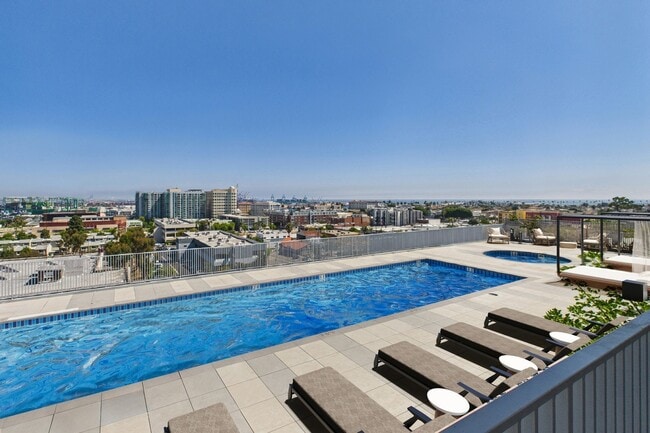
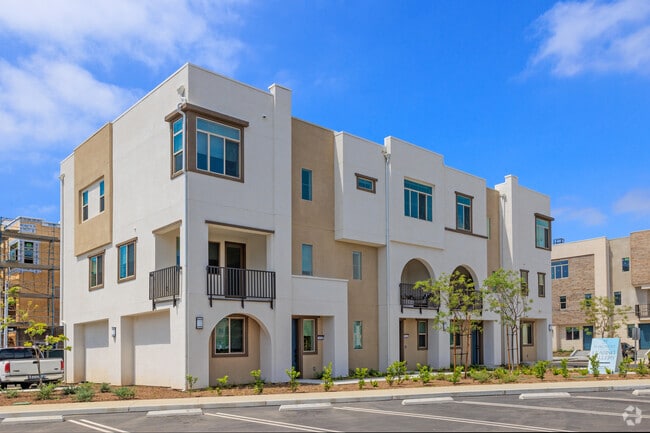
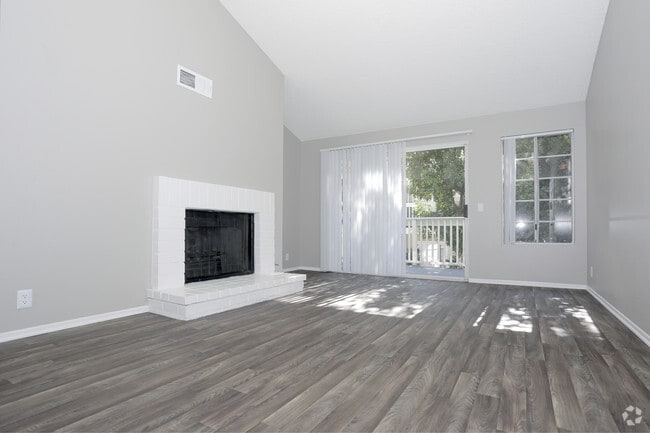
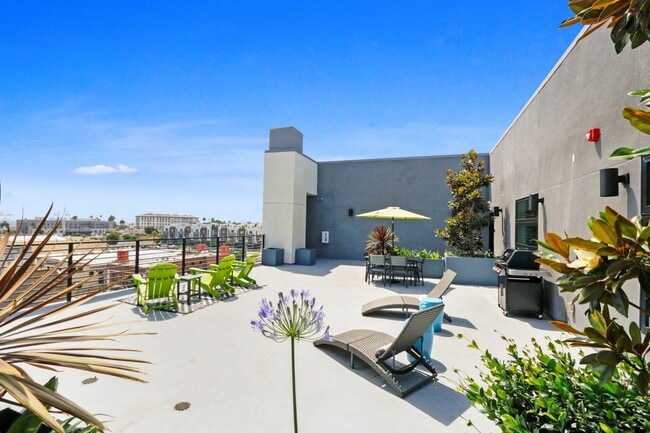
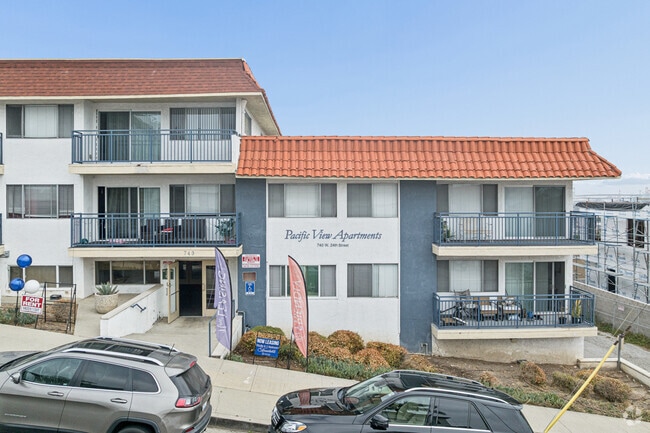
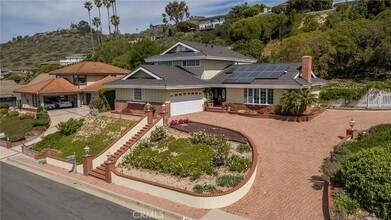
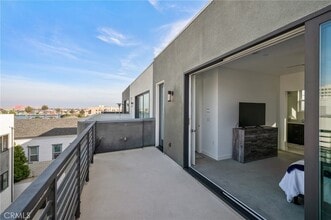
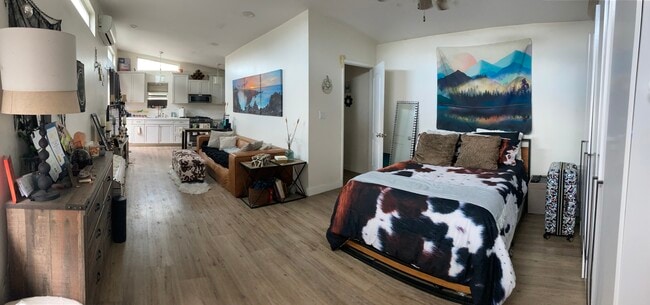
Rent for apartments and condos tends to less expensive in San Pedro than elsewhere in the LA area, and the vibrant local atmosphere provides plenty to keep residents active and entertained. Much of the community’s best dining and nightlife can be found along 5th, 6th, and 7th streets and Ports O’ Call Village, all near the channel. In this area, you can also see the historic Pacific Electric “Red Car” trolleys, which were once visible all over Los Angeles.
A series of connected parks along the community’s coastline provide tons of space to hike, play, or just enjoy the gorgeous views of the Pacific Ocean. Cabrillo Beach offers a great location for swimming, sunbathing, and boating, and is home to the Cabrillo Marine Aquarium. San Pedro also has several excellent schools and a YMCA, making it a compelling option for folks raising families.
Military ships such as the USS Iowa can be found throughout the inlets of San Pedro.
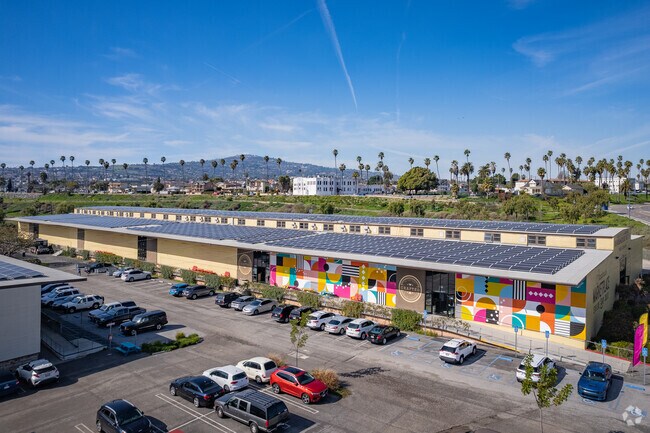
Shopping in San Pedro
Median Household Income
$77,328
Average: $105,421
Education
20,708
Residents Have a Degree
Job Market
39,481
Workers Employed
Median Age
41 Years
Largest Age Group
30-39 Years
Approximately 14% of Residents
Under 20
22%
Over 65
19%
Housing Distribution
San Pedro has more renters than homeowners.

Education Distribution
Review this city's overall education levels.

As of August 2026, the average apartment rent in San Pedro, CA is $1,383 for a studio, $1,982 for one bedroom, $2,742 for two bedrooms, and $3,936 for three bedrooms. Apartment rent in San Pedro has increased by 1.8% in the past year.
Explore how walkable, bikeable, drivable, and transit-friendly San Pedro, CA is for everyday living.
Fairly Walkable
Walkability
Limited Public Transit
Transit
Exceptionally Drivable
Drivability
Moderately Bikeable
Bikeability

† Our analysis of utilities, groceries, transportation, healthcare, home prices, and other goods and services is sourced from the Cost of Living Index, a respected benchmark published by the Council for Community and Economic Research (C2ER) that provides a thorough overview of living expenses across different regions.
Rent data is provided by CoStar Group’s Market Trend reports. As the industry leader in commercial real estate information, analytics, and news, CoStar conducts extensive research to produce and maintain a comprehensive database of commercial real estate information. We combine this data with public record to provide the most up-to-date rental information available.
Consumer goods, services, and home prices are sourced from the Cost of Living Index published by the Council for Community and Economic Research (C2ER). The data on this page is updated quarterly. It was last published in June 2026.
Demographic information comes from Neustar and combines detailed address data with U.S. Census and American Community Survey statistics to produce reliable local estimates.