Facts to Know Before Moving to Reno
How much do you know about the Biggest Little City in the World? Here's the scoop on living in Reno.




Avg Rent
$1,526
Population
274,503
Renter Mix
52% Rent
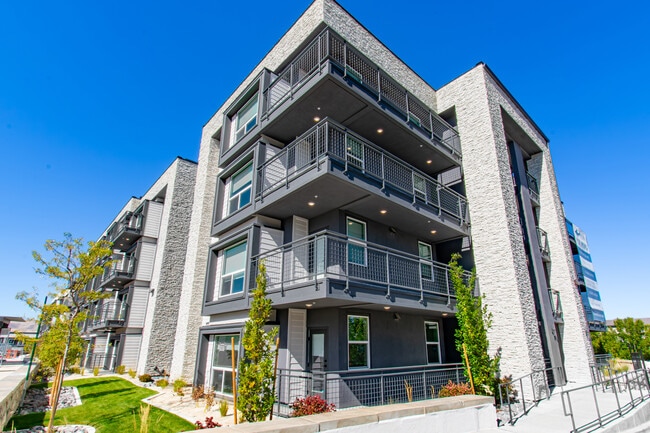
The casinos may be what draw visitors to Reno, but the “Biggest Little City in the World” has become an exciting, alluring locale for renters who can look past the slot machines. For one thing, the famous nickname is a bit of a misnomer these days: with a quarter-million people inside the city limits alone, the community has become one of the busier metro areas in the region. There are incredible apartments on offer, from upscale lofts to communities that offer endless amenities.
Downtown Reno is certainly best known for its gambling, but there’s a multitude of attractions to experience in this neon-lit city. Delight in the shopping at the Summit in southern Reno, or experience some of the museums, performing arts venues, world-class restaurants, and diverse nightlife hotspots that offer something for every taste.
The natural landscape surrounding Reno is perhaps the most appealing aspect for many. The Sierra Nevada mountain range is ideal for hiking, camping, mountain biking, and skiing, plus the scenery alone is unbeatable. With Lake Tahoe just a few miles away, you may find yourself tempted to spend every weekend soaking in the fresh air and sunshine in Nevada’s rugged, unspoiled wilderness.
The Silver Legacy Resort is part of a connected network of Reno casinos
The Reno Arch, built in 1926, is the city's most-recognized landmark
Median Household Income
$72,169
Average: $94,220
Education
91,015
Residents Have a Degree
Job Market
145,204
Workers Employed
Median Age
38 Years
Largest Age Group
25-34 Years
Approximately 16% of Residents
Under 20
23%
Over 65
18%
Housing Distribution
Reno has more renters than homeowners.

Education Distribution
Review this city's overall education levels.

As of September 2026, the average apartment rent in Reno, NV is $1,192 for a studio, $1,517 for one bedroom, $1,874 for two bedrooms, and $2,518 for three bedrooms. Apartment rent in Reno has increased by 3.6% in the past year.
The cost of living in Reno, NV is 3.9% higher than the national average. Generally, housing in Reno is 18.8% more expensive than the national average, with rent falling between $1,195 - $2,511. You can expect to pay 2.9% more for groceries, 22.3% less for utilities, and 16.3% more for transportation.
Compare Cities

Facts to Know Before Moving to Reno
How much do you know about the Biggest Little City in the World? Here's the scoop on living in Reno.

How to Move Across the Country
A cross-country move can cost $15,000+—unless you plan smart. Start with this checklist and budget.

Find an Apartment in Two Months or Less
Use this timeline to stay on track during your apartment search.
Explore how walkable, bikeable, drivable, and transit-friendly Reno, NV is for everyday living.
Not Walkable
Walkability
Exceptionally Drivable
Drivability
Very Bikeable
Bikeability

Public
Grades PK-5
602 Students

Ted Hunsburger Elementary School
Public
Grades K-5
566 Students
Rollan D. Melton Elementary School
Public
Grades PK-5
477 Students
Caughlin Ranch Elementary School
Public
Grades PK-5
466 Students
Public
Grades PK-5
462 Students
Public
Grades K-8
420 Students
Public
Grades 6-8
957 Students

Public
Grades 6-8
921 Students
Public
Grades 6-8
1,027 Students

B D Billinghurst Middle School
Public
Grades 6-8
993 Students
Public
Grades 9-12
245 Students

NV State High School Meadowood
Public
Grades 9-12
12 Students
Public
Grades 9-12
396 Students

Academy Of Career Education Charter School
Public
Grades 9-12
275 Students
Public
Grades 9-12
1,741 Students
 The GreatSchools Rating helps parents compare schools within a state based on a variety of school quality indicators and provides a helpful picture of how effectively each school serves all of its students. Ratings are on a scale of 1 (below average) to 10 (above average) and can include test scores, college readiness, academic progress, advanced courses, equity, discipline and attendance data. We also advise parents to visit schools, consider other information on school performance and programs, and consider family needs as part of the school selection process.
View GreatSchools Rating Methodology
Data provided by
GreatSchools.org
© 2026. All rights reserved.
The GreatSchools Rating helps parents compare schools within a state based on a variety of school quality indicators and provides a helpful picture of how effectively each school serves all of its students. Ratings are on a scale of 1 (below average) to 10 (above average) and can include test scores, college readiness, academic progress, advanced courses, equity, discipline and attendance data. We also advise parents to visit schools, consider other information on school performance and programs, and consider family needs as part of the school selection process.
View GreatSchools Rating Methodology
Data provided by
GreatSchools.org
© 2026. All rights reserved.
† Our analysis of utilities, groceries, transportation, healthcare, home prices, and other goods and services is sourced from the Cost of Living Index, a respected benchmark published by the Council for Community and Economic Research (C2ER) that provides a thorough overview of living expenses across different regions.
Rent data is provided by CoStar Group’s Market Trend reports. As the industry leader in commercial real estate information, analytics, and news, CoStar conducts extensive research to produce and maintain a comprehensive database of commercial real estate information. We combine this data with public record to provide the most up-to-date rental information available.
Consumer goods, services, and home prices are sourced from the Cost of Living Index published by the Council for Community and Economic Research (C2ER). The data on this page is updated quarterly. It was last published in September 2026.
Demographic information comes from Neustar and combines detailed address data with U.S. Census and American Community Survey statistics to produce reliable local estimates.