Background Image

Murrieta Hot Springs, CA Area Guide

A family-friendly community in eastern Murrieta

Peaceful Affordable Commuter

Murrieta Hot Springs is a sun-drenched suburban city in southwestern Riverside County roughly halfway between Los Angeles and San Diego. Daily life here revolves around the Murrieta Hot Springs Road corridor, which keeps residents within a short drive of the Cal Oaks Pavilion and California Oaks Center shopping plazas, casual dining spots, and the open green spaces that define this part of the Inland South. The Mediterranean climate makes outdoor recreation a year-round reality, and the surrounding mountain views give even routine drives a sense of scale.

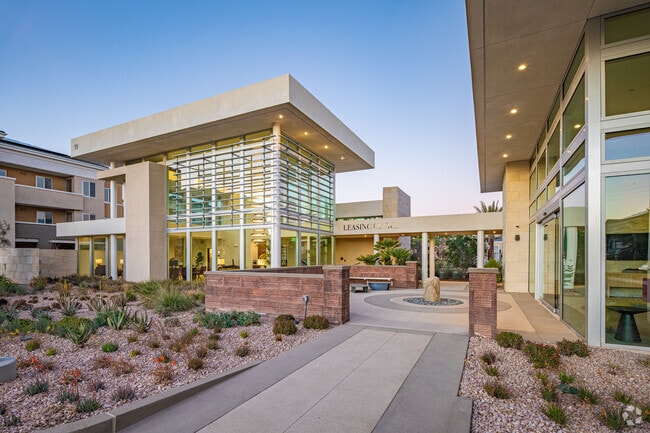
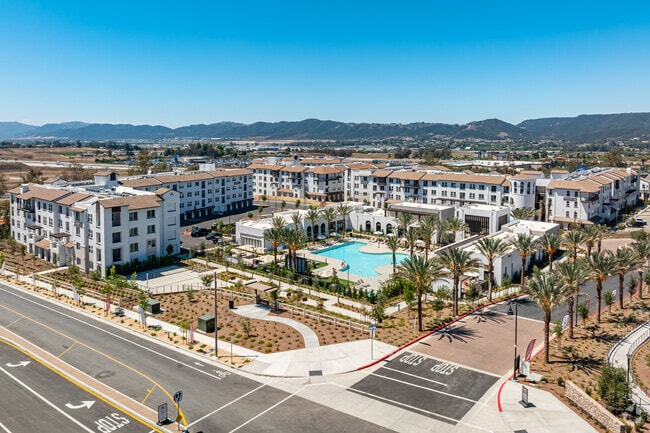
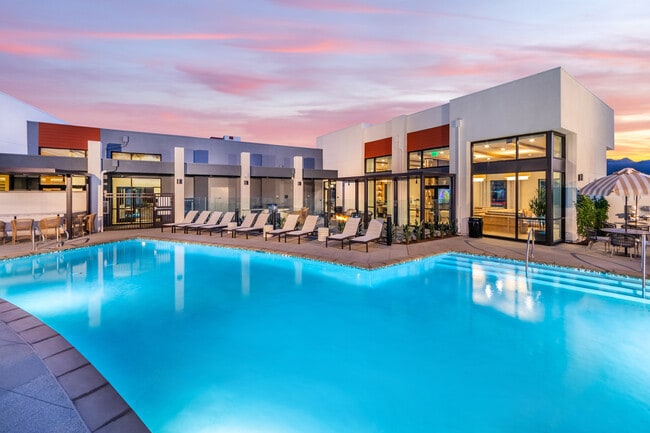
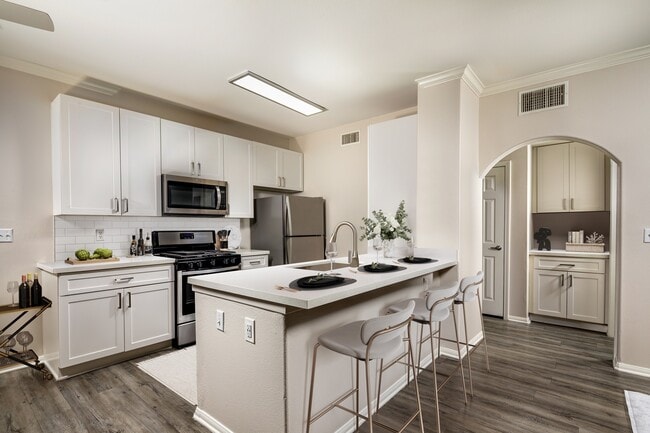
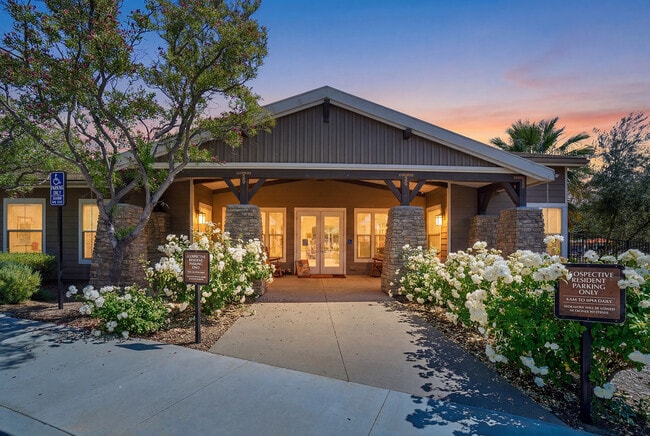
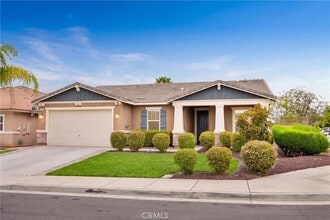
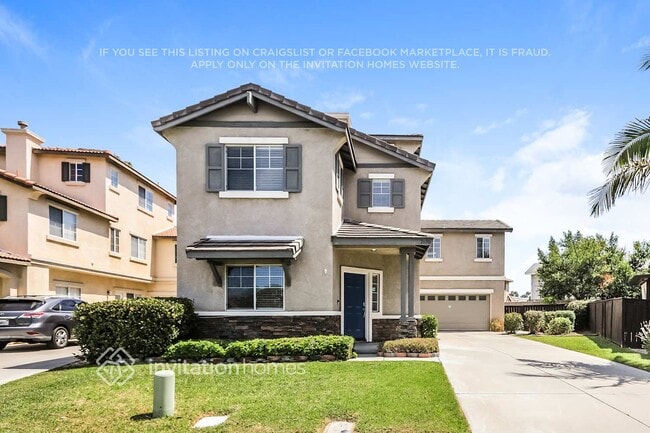
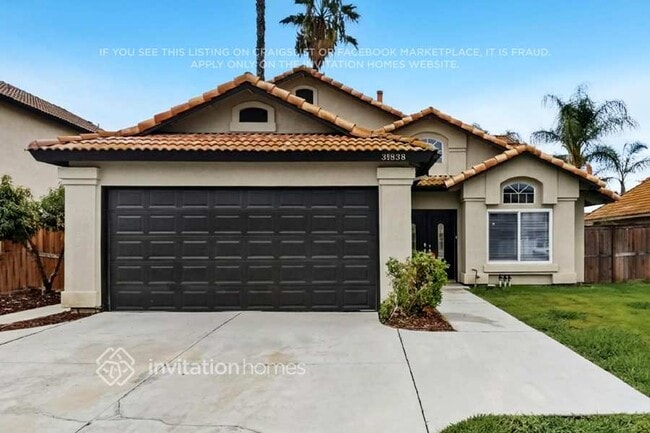
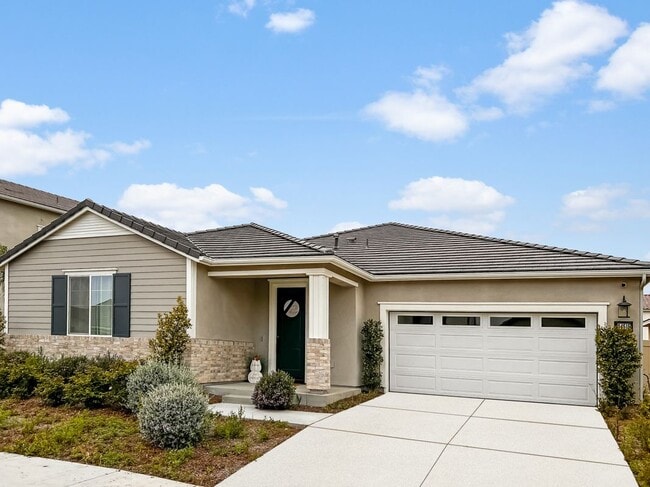
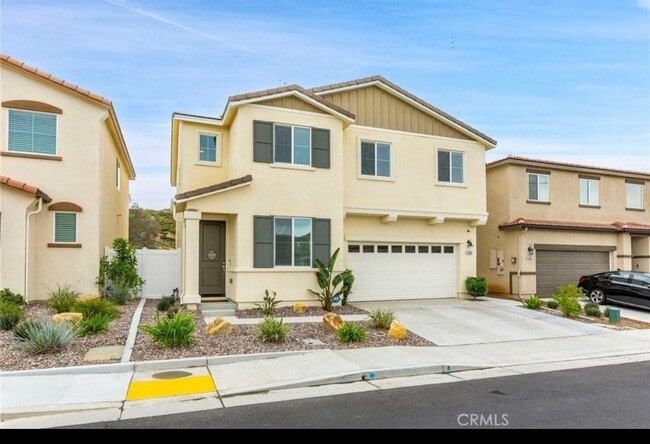
Rental options lean heavily toward well-sized apartment communities, many with resort-style amenities that reflect the corridor's proximity to the namesake hot springs resort. Expect a mix of two- and three-story garden-style buildings alongside larger communities with pools, fitness centers, and open courtyards. Single-family rental homes and townhomes round out the inventory for those wanting more square footage.

Murrieta is anchored economically by Rancho Springs Medical Center and Loma Linda University Medical Center. The city's name traces to Juan Murrieta, who drove 7,000 sheep into the valley in 1873, and the natural geothermal springs that gave this neighborhood its identity have drawn visitors for well over a century.

Demographics

Median Household Income

$105,977

Average: $127,672

Education

32,902

Residents Have a Degree

Job Market

59,014

Workers Employed

Age Distribution
Get a sense of this area's population profile.

Median Age

37 Years

Largest Age Group

15-24 Years

Approximately 15% of Residents

Under 20

27%

Over 65

14%

Housing Distribution

Murrieta Hot Springs has more homeowners than renters.

Renters
29%
Non-Renters
71%

Education Distribution

Review this city's overall education levels.

Bachelor's or Higher
21%
Other Education
79%

Learn More About Murrieta Hot Springs

Getting Around

Exceptionally Drivable

Drivability

90 / 100

Somewhat Bikeable

Bikeability

20 / 100

Points of Interest

Top Apartments in Murrieta Hot Springs

Houses for Rent in Murrieta Hot Springs

Living in Murrieta Hot Springs

History

-

Long before Murrieta became a suburban destination, the Luiseno people established a village called Avaa'ax in the valley where the city now stands. The land changed hands in 1873 when Juan Murrieta and his partners purchased the Rancho Pauba and Rancho Temecula Mexican land grants, and the arrival of the Southern California Railroad soon turned the town into a stopover along regional trade routes.

The natural hot springs that give this neighborhood its name became a defining attraction as the city grew, drawing visitors seeking the geothermal mineral waters long before the area transformed into the sprawling residential community it is today. That layered past still surfaces in local place names and in the preserved landscapes of the Santa Rosa Plateau, which contains the only natural basalt pools in all of Southern California.

Restaurants

-

Dining along the Murrieta Hot Springs Road corridor and nearby Madison Avenue covers a wide range of everyday tastes, from quick-service spots to sit-down meals, all within a short drive of most area apartment communities. The scene leans casual and approachable rather than destination-driven.

For a broader spread of options, Old Town Murrieta offers locally owned restaurants in buildings with Old West-inspired storefronts -- coffee shops, barbecue, and more -- while Old Town Temecula just to the south adds another full dining district to the mix.

Transportation

-

Getting around the Murrieta Hot Springs area means relying primarily on a car, as the neighborhood's suburban layout places most destinations along drivable corridors rather than walkable blocks. Interstate 15 and Interstate 215 converge in Murrieta, making commutes north toward Los Angeles, roughly 80 miles away, or south toward San Diego, about 65 miles out, straightforward if not always quick during peak hours.

Riverside Transit Agency buses connect Murrieta with Temecula and Riverside for those who prefer not to drive. Metrolink commuter rail is accessible at the South Perris station, about 15 miles and a 21-minute drive away.

Parks

-

Fifty-two parks and recreational areas spread across Murrieta, and several sit close to the Hot Springs corridor. California Oaks Sports Park offers open fields for recreation, while Copper Canyon Park provides paved trails well-suited for jogging or walking dogs. Pond Park draws anglers after bluegill and largemouth bass, and the 47-acre Los Alamos Hills Sports Park supports baseball and soccer on its expansive grounds.

The Santa Rosa Plateau Ecological Reserve is the area's standout natural destination, with hiking trails including the 3-mile Vernal Pool Trail and the only natural basalt pools in Southern California. Town Square Park and its Amphitheater hosts summer concerts and seasonal community events, and golfers have two 18-hole courses to choose from: Bear Creek Golf Club and the tree-lined California Oaks Golf Club.

Cost

-

Average rents across Murrieta range from studios to larger multi-bedroom units, with one-bedroom apartments averaging around $2,227 per month and two-bedroom units near $2,523. The median household income in Murrieta sits at $103,414.

Shopping

-

Cal Oaks Pavilion and California Oaks Center sit less than half a mile from the heart of the Murrieta Hot Springs corridor, making everyday retail and grocery runs genuinely convenient. Murrieta Town Center near Interstate 15 adds a larger concentration of stores and services to the mix.

For a more local flavor, the Murrieta Certified Farmers' Market runs on Sunday mornings at Village Walk Plaza in downtown Murrieta, and Murrieta Market Nights brings vendors, artisans, games, and live music to downtown on the first and third Thursday of every month. The Promenade Temecula mall and the shops of Old Town Temecula are also accessible just to the south.

Highlights

-

Two shopping centers, the geothermal Murrieta Hot Springs Resort, and the ecologically rare Santa Rosa Plateau are all close at hand from Murrieta Hot Springs. Add 52 city parks, Old Town dining, a weekly farmers' market, and freeway access to both San Diego and Los Angeles, and you have a suburban address that balances natural surroundings with genuine everyday convenience.

Search Nearby Rentals

Methodology

† Our analysis of utilities, groceries, transportation, healthcare, home prices, and other goods and services is sourced from the Cost of Living Index, a respected benchmark published by the Council for Community and Economic Research (C2ER) that provides a thorough overview of living expenses across different regions.

Rent data is provided by CoStar Group’s Market Trend reports. As the industry leader in commercial real estate information, analytics, and news, CoStar conducts extensive research to produce and maintain a comprehensive database of commercial real estate information. We combine this data with public record to provide the most up-to-date rental information available.

Consumer goods, services, and home prices are sourced from the Cost of Living Index published by the Council for Community and Economic Research (C2ER). The data on this page is updated quarterly. It was last published in September 2026.

Demographic information comes from Neustar and combines detailed address data with U.S. Census and American Community Survey statistics to produce reliable local estimates.