Median Age
41 Years
Largest Age Group
10-19 Years
Approximately 14% of Residents
Under 20
25%
Over 65
21%

Avg Rent
$1,895
Population
26,747
Renter Mix
27% Rent
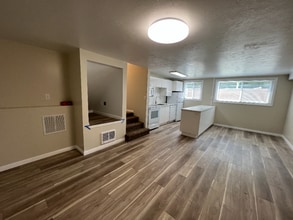
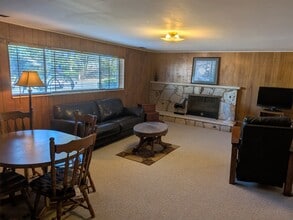
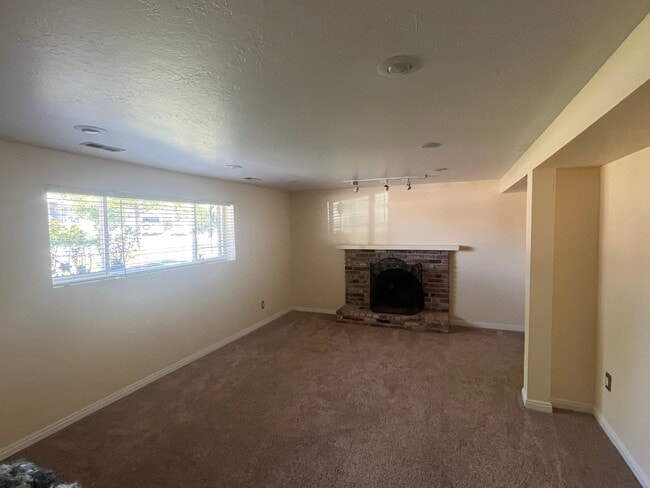
Holladay is a city in central Salt Lake County, Utah, incorporated in 1999 and sitting along the edge of Wasatch National Forest, one of the few places in the metro where mountain access and everyday convenience actually share a zip code. With a population of around 32,000 spread across just 8 square miles, it has a close-knit feel while still connecting you to the broader Salt Lake City area. Renters searching for apartments in Holladay will find a quieter alternative to downtown Salt Lake City, with solid access to major employers, outdoor recreation, and daily essentials. Apartment communities here tend toward garden-style and low-rise buildings that match the area's suburban character, with some townhome-style rentals in the mix as well. The city is walkable to local shopping at Holladay Village and Holladay Plaza, and dining options are spread throughout the area. Residents wake up to views of Mount Olympus and have quick access to Solitude Mountain Resort for skiing, hiking, and trail use. Wheeler Historic Farm and the Jordan River Parkway are also a short drive away for recreation closer to home. Getting around is easy thanks to Interstate 215, which connects Holladay to Salt Lake City and surrounding communities. Several TRAX light rail stations, including Murray Central and Fairmont Station, are about 15 minutes by car, giving you a transit option into downtown. The University of Utah, Salt Lake Community College, and Westminster College are all within roughly 7 to 12 miles, and Salt Lake City International Airport is about 17 miles away with an average drive under 30 minutes. Whether you work in the city or prefer a quieter home base, Holladay puts you in a great spot to enjoy everything Salt Lake County has to offer.
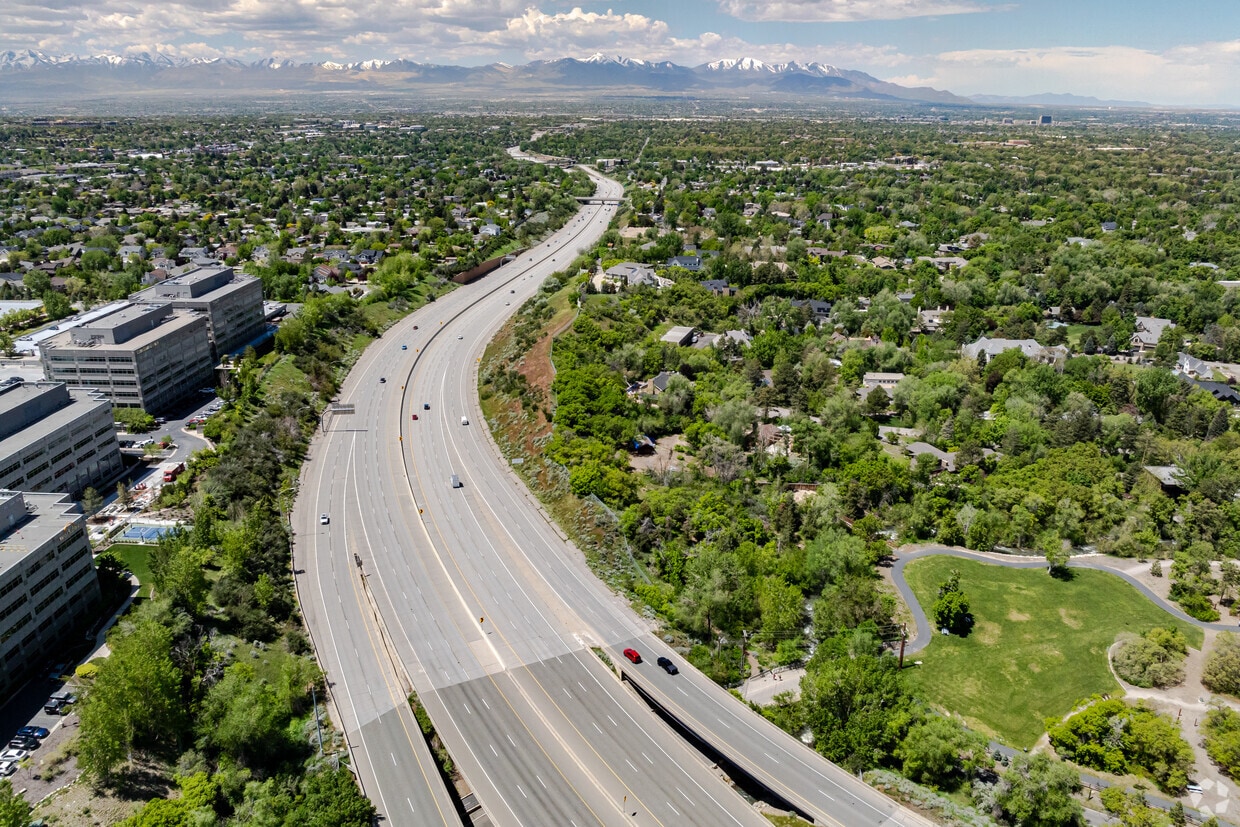
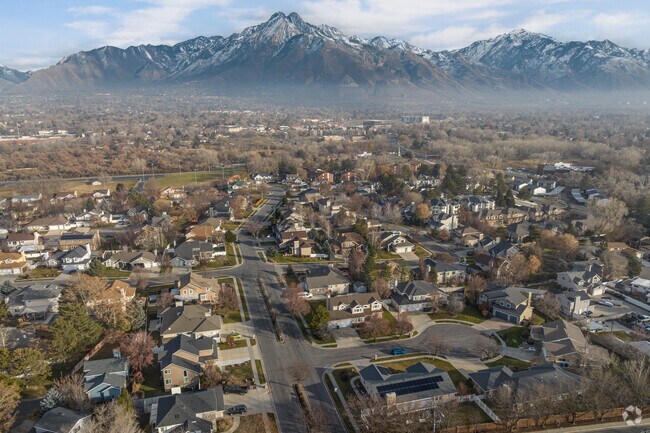
An aerial view of Holladay shows large homes amidst mature trees by the mountains.
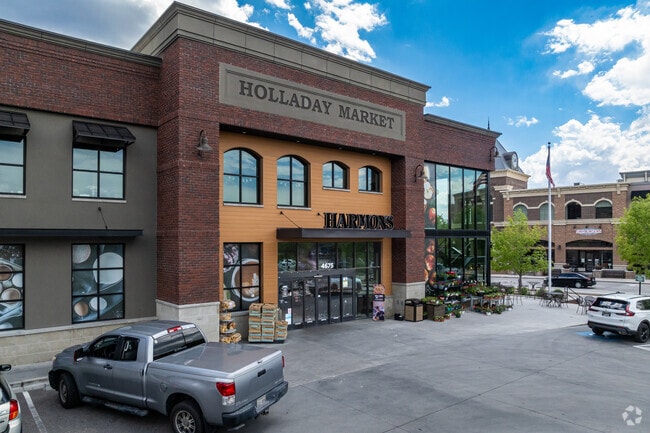
Harmons Holladay Market offers a walkable market option for many Holladay residents.
Café Madrid offers a selection of food in Holladay.
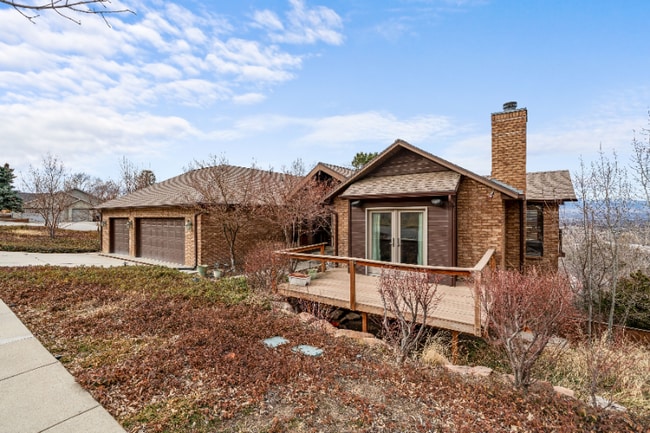
In Holladay, many homes have scenic views.
A variety of home styles can be found in Holladay, from modern to traditional.
Hikers enjoy the challenge of Mount Olympus.
Median Household Income
$99,829
Average: $135,008
Education
11,403
Residents Have a Degree
Job Market
13,621
Workers Employed
Median Age
41 Years
Largest Age Group
10-19 Years
Approximately 14% of Residents
Under 20
25%
Over 65
21%
Housing Distribution
Holladay has more homeowners than renters.

Education Distribution
Review this city's overall education levels.

As of July 2026, the average apartment rent in Holladay, UT is $1,439 for a studio, $1,895 for one bedroom, $1,666 for two bedrooms, and $1,911 for three bedrooms. Apartment rent in Holladay has increased by 4.0% in the past year.
Explore how walkable, bikeable, drivable, and transit-friendly Holladay, UT is for everyday living.
Fairly Walkable
Walkability
Limited Public Transit
Transit
Exceptionally Drivable
Drivability
Fairly Bikeable
Bikeability

Wasatch Waldorf Charter School
Public
Grades K-8
625 Students

Wasatch Waldorf Charter School
Public
Grades K-8
625 Students
 The GreatSchools Rating helps parents compare schools within a state based on a variety of school quality indicators and provides a helpful picture of how effectively each school serves all of its students. Ratings are on a scale of 1 (below average) to 10 (above average) and can include test scores, college readiness, academic progress, advanced courses, equity, discipline and attendance data. We also advise parents to visit schools, consider other information on school performance and programs, and consider family needs as part of the school selection process.
View GreatSchools Rating Methodology
Data provided by
GreatSchools.org
© 2026. All rights reserved.
The GreatSchools Rating helps parents compare schools within a state based on a variety of school quality indicators and provides a helpful picture of how effectively each school serves all of its students. Ratings are on a scale of 1 (below average) to 10 (above average) and can include test scores, college readiness, academic progress, advanced courses, equity, discipline and attendance data. We also advise parents to visit schools, consider other information on school performance and programs, and consider family needs as part of the school selection process.
View GreatSchools Rating Methodology
Data provided by
GreatSchools.org
© 2026. All rights reserved.
† Our analysis of utilities, groceries, transportation, healthcare, home prices, and other goods and services is sourced from the Cost of Living Index, a respected benchmark published by the Council for Community and Economic Research (C2ER) that provides a thorough overview of living expenses across different regions.
Rent data is provided by CoStar Group’s Market Trend reports. As the industry leader in commercial real estate information, analytics, and news, CoStar conducts extensive research to produce and maintain a comprehensive database of commercial real estate information. We combine this data with public record to provide the most up-to-date rental information available.
Consumer goods, services, and home prices are sourced from the Cost of Living Index published by the Council for Community and Economic Research (C2ER). The data on this page is updated quarterly. It was last published in June 2026.
Demographic information comes from Neustar and combines detailed address data with U.S. Census and American Community Survey statistics to produce reliable local estimates.