Median Age
35 Years
Largest Age Group
15-24 Years
Approximately 17% of Residents
Under 20
27%
Over 65
16%

Avg Rent
$2,018
Population
25,183
Renter Mix
57% Rent
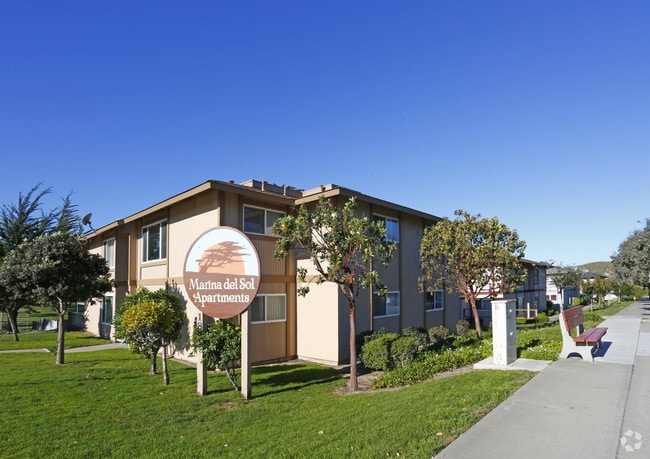
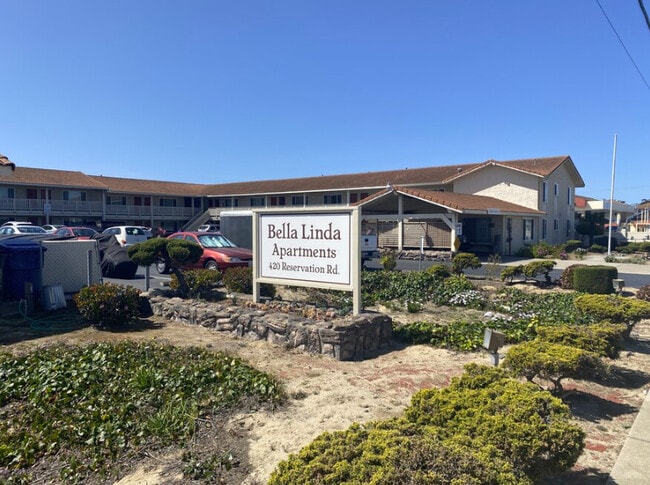
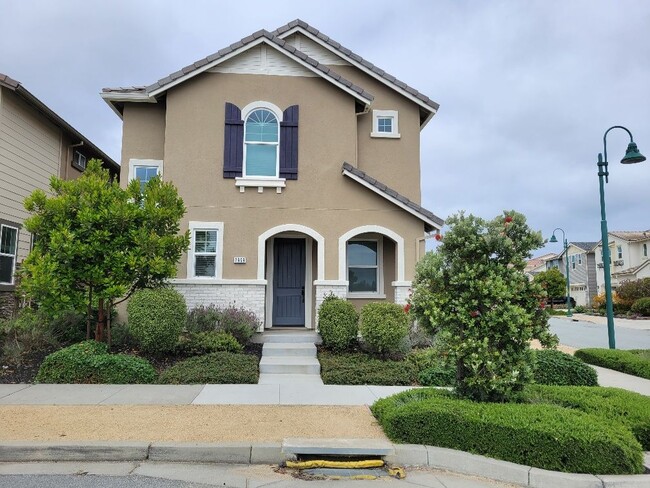
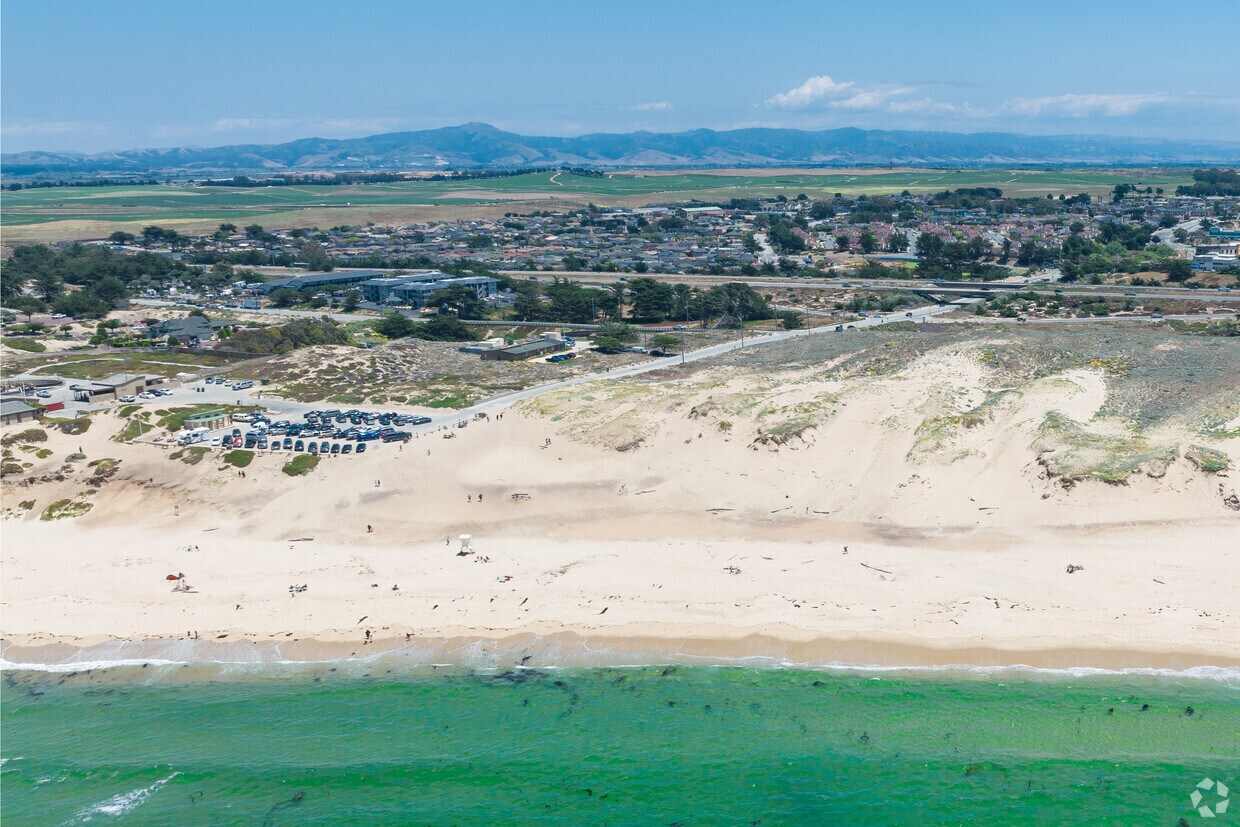
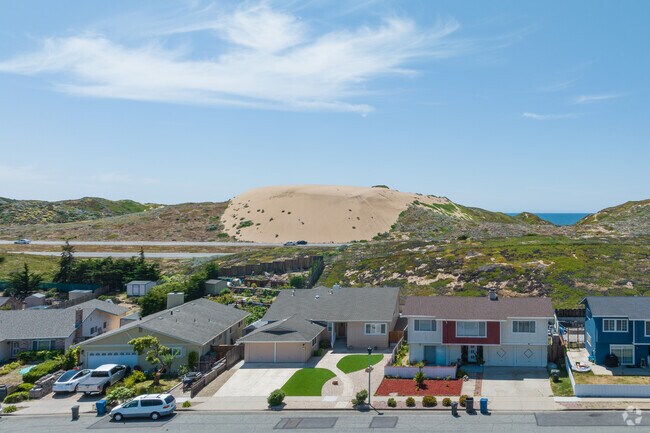
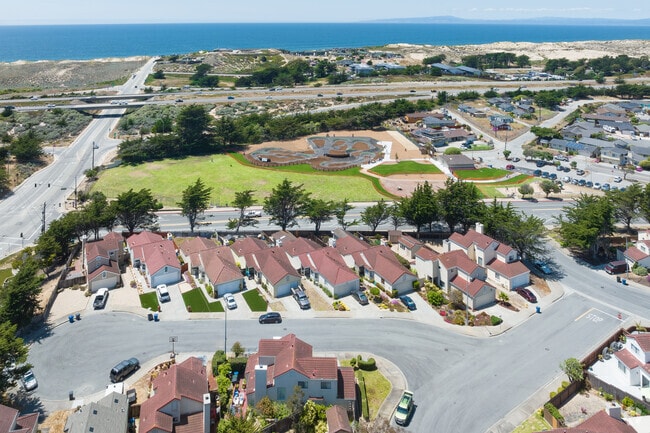
Marina sits along the Monterey Bay coastline in Central California, giving residents easy access to scenic beaches and outdoor recreation that few cities its size can match. Originally developed around Fort Ord, the former U.S. Army base, the city has grown into a welcoming coastal community with a population of about 25,000 people. Looking for apartments for rent in Marina, CA? You'll find a range of options from garden-style apartment communities to townhomes and condos, often at more accessible price points than neighboring Monterey. The presence of California State University, Monterey Bay, built on the grounds of the former Fort Ord base, gives the city a steady mix of students, academics, and working residents.
Renters in Marina enjoy a laid-back coastal lifestyle with plenty to do close to home. Marina State Beach is a popular spot for hang gliding and kite flying, while Fort Ord Dunes State Park offers hiking and horseback riding trails nearby. The Dunes on Monterey Bay Shopping Center puts national retailers within easy reach, and local dining options span Vietnamese, Mexican, Korean, and Hawaiian cuisine. Urban Wine Row gives residents a taste of Monterey County wines without leaving town. Throughout the year, community events like the Marina Air Faire and Classic Car Show, Otter Fest, and the annual Marina Cultural Diversity Dinner bring the community together. Renters can choose from apartment communities closer to the university, quieter residential streets lined with single-family rentals and townhomes, or spots near the shopping and dining corridors.
Getting around Marina and the surrounding Monterey Peninsula is straightforward. California State Route 1 runs through the city, connecting residents to Monterey to the south and Santa Cruz to the north. Route 183 provides a direct link to Salinas, a major regional employment center. Monterey Regional Airport is about 11 miles away, offering convenient travel options. The Salinas Amtrak station, roughly 10 miles from Marina, connects riders to the Coast Starlight rail line. Major employers in the region include Cal State Monterey Bay, the Presidio of Monterey, Community Hospital of the Monterey Peninsula, and businesses throughout the greater Monterey-Salinas area. Marina's coastal location, accessible rental market, and close proximity to both employment hubs and natural attractions make it a practical and appealing place to rent on the Central California coast.
Conveniently close to the ocean Marina, California
Short palm trees line the side walk in Marina, California
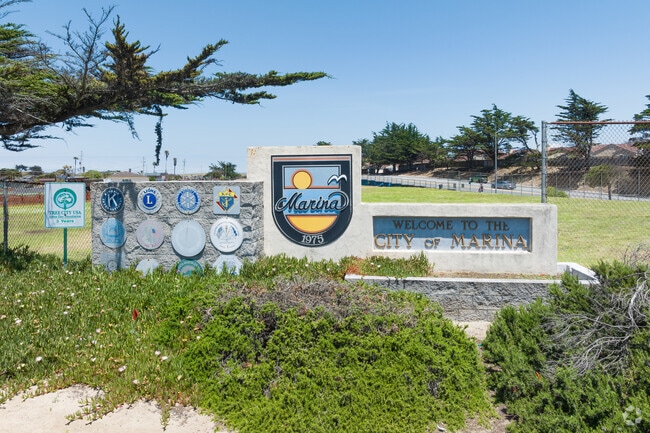
Welcome to Marina, California
Marina State Beach in Marina, California
Playground in quaint neighborhood in Marina, California
California State University Monterey Bay in Marina, California
Median Household Income
$82,443
Average: $104,301
Education
7,185
Residents Have a Degree
Job Market
12,091
Workers Employed
Median Age
35 Years
Largest Age Group
15-24 Years
Approximately 17% of Residents
Under 20
27%
Over 65
16%
Housing Distribution
Marina has more renters than homeowners.

Education Distribution
Review this city's overall education levels.

As of September 2026, the average apartment rent in Marina, CA is $1,353 for a studio, $2,005 for one bedroom, $2,437 for two bedrooms, and $2,884 for three bedrooms. Apartment rent in Marina has increased by 1.4% in the past year.
Explore how walkable, bikeable, drivable, and transit-friendly Marina, CA is for everyday living.
Somewhat Walkable
Walkability
Limited Public Transit
Transit
Very Drivable
Drivability
Fairly Bikeable
Bikeability

Public
Grades K-5
562 Students

J. C. Crumpton Elementary School
Public
Grades K-5
562 Students
Public
Grades K-5
409 Students
Public
Grades K-5
409 Students
Public
Grades K-5
466 Students

Public
Grades 6-8
408 Students

Public
Grades 6-8
408 Students

Learning For Life Charter School
Public
Grades 6-12
160 Students
Public
Grades 9-12
721 Students
Public
Grades 9-12
721 Students
Learning For Life Charter School
Public
Grades 6-12
160 Students
 The GreatSchools Rating helps parents compare schools within a state based on a variety of school quality indicators and provides a helpful picture of how effectively each school serves all of its students. Ratings are on a scale of 1 (below average) to 10 (above average) and can include test scores, college readiness, academic progress, advanced courses, equity, discipline and attendance data. We also advise parents to visit schools, consider other information on school performance and programs, and consider family needs as part of the school selection process.
View GreatSchools Rating Methodology
Data provided by
GreatSchools.org
© 2026. All rights reserved.
The GreatSchools Rating helps parents compare schools within a state based on a variety of school quality indicators and provides a helpful picture of how effectively each school serves all of its students. Ratings are on a scale of 1 (below average) to 10 (above average) and can include test scores, college readiness, academic progress, advanced courses, equity, discipline and attendance data. We also advise parents to visit schools, consider other information on school performance and programs, and consider family needs as part of the school selection process.
View GreatSchools Rating Methodology
Data provided by
GreatSchools.org
© 2026. All rights reserved.
† Our analysis of utilities, groceries, transportation, healthcare, home prices, and other goods and services is sourced from the Cost of Living Index, a respected benchmark published by the Council for Community and Economic Research (C2ER) that provides a thorough overview of living expenses across different regions.
Rent data is provided by CoStar Group’s Market Trend reports. As the industry leader in commercial real estate information, analytics, and news, CoStar conducts extensive research to produce and maintain a comprehensive database of commercial real estate information. We combine this data with public record to provide the most up-to-date rental information available.
Consumer goods, services, and home prices are sourced from the Cost of Living Index published by the Council for Community and Economic Research (C2ER). The data on this page is updated quarterly. It was last published in September 2026.
Demographic information comes from Neustar and combines detailed address data with U.S. Census and American Community Survey statistics to produce reliable local estimates.