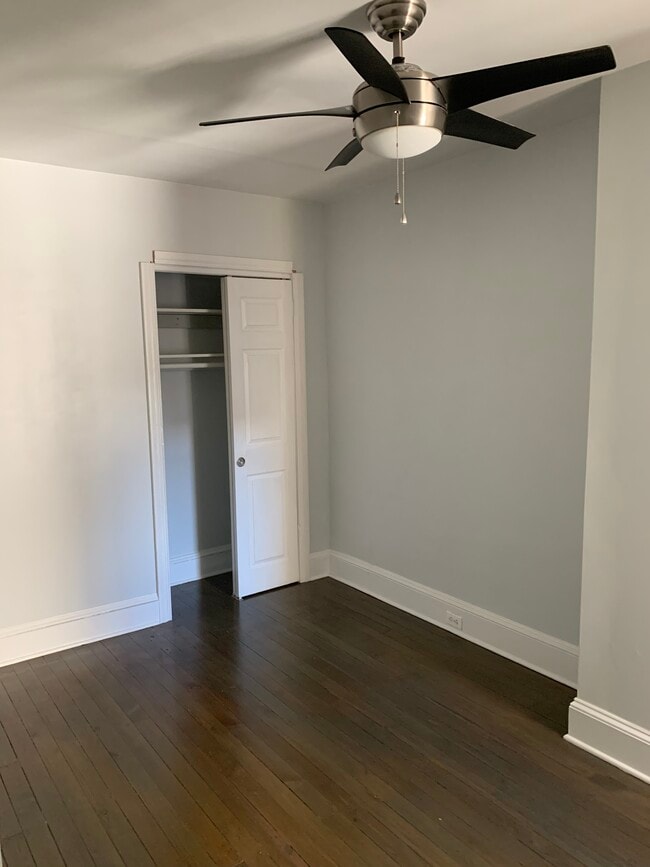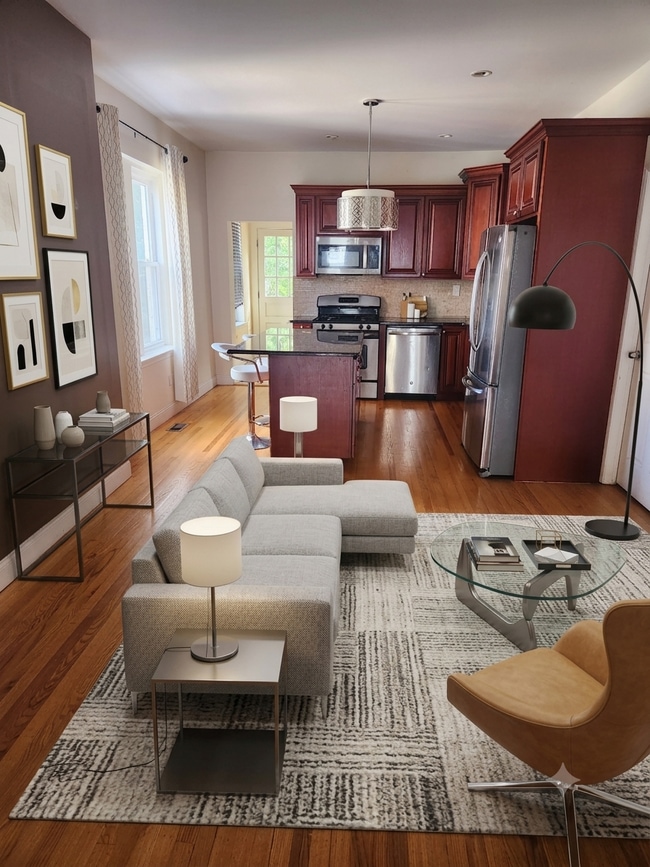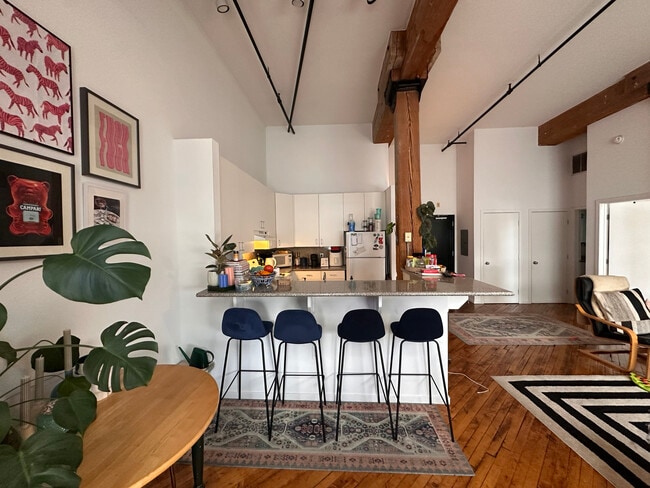
The Lofts At Chimney Hill
161 Leverington Ave,
Philadelphia, PA 19127
$1,650 - $2,025
1-2 Beds
Area Guide
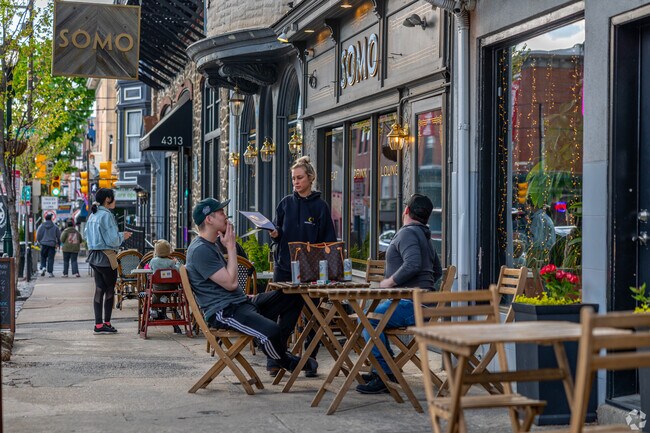
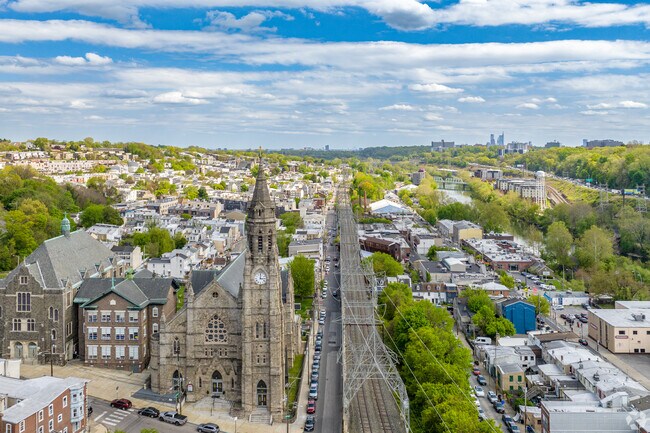
Situated in northwest Philadelphia on the banks of the Schuylkill River, Manayunk brings small-town charm to the urban experience. Listed on the National Register of Historic Places, the Manayunk Main Street Historic District is teeming with shops, galleries, and restaurants of all kinds.
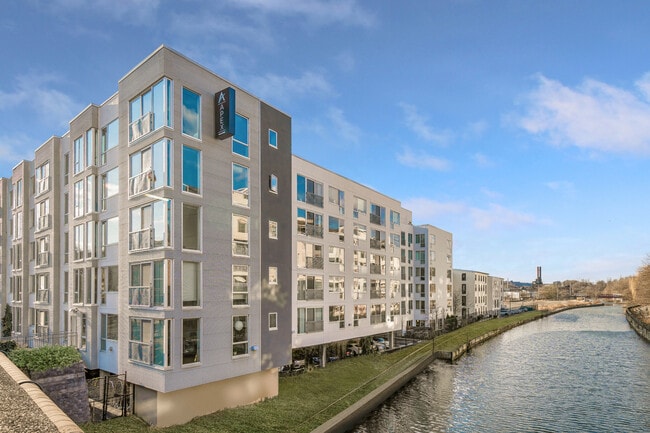
Manayunk fosters community involvement with a number of events and festivals, including the Pretzel Park Farmers Market, Manayunk Arts Festival, and Manayunk StrEAT Food Festival. Residents also enjoy hiking and biking the Manayunk Bridge as well as the path along one of the first canals in the United States.
Just minutes away from Center City with access to I-76 and SEPTA, Manayunk allows residents simple travels and commutes.
Manayunk is centrally located just 15 minutes from Center City Philadelphia and King of Prussia.
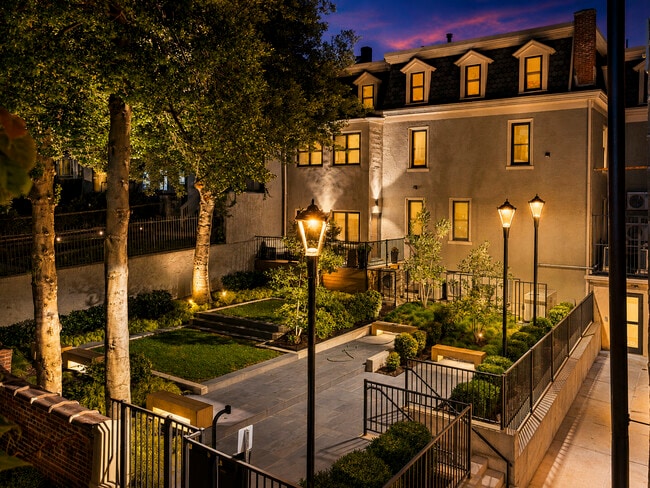
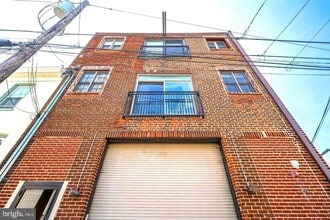
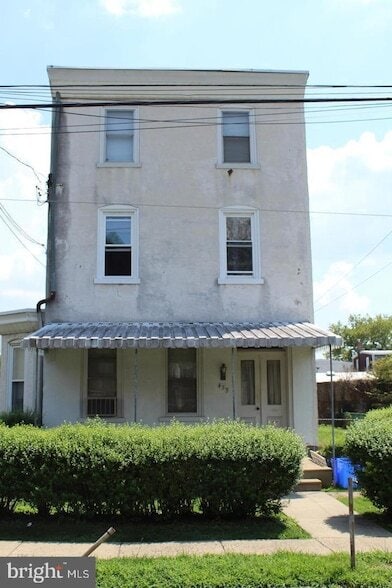
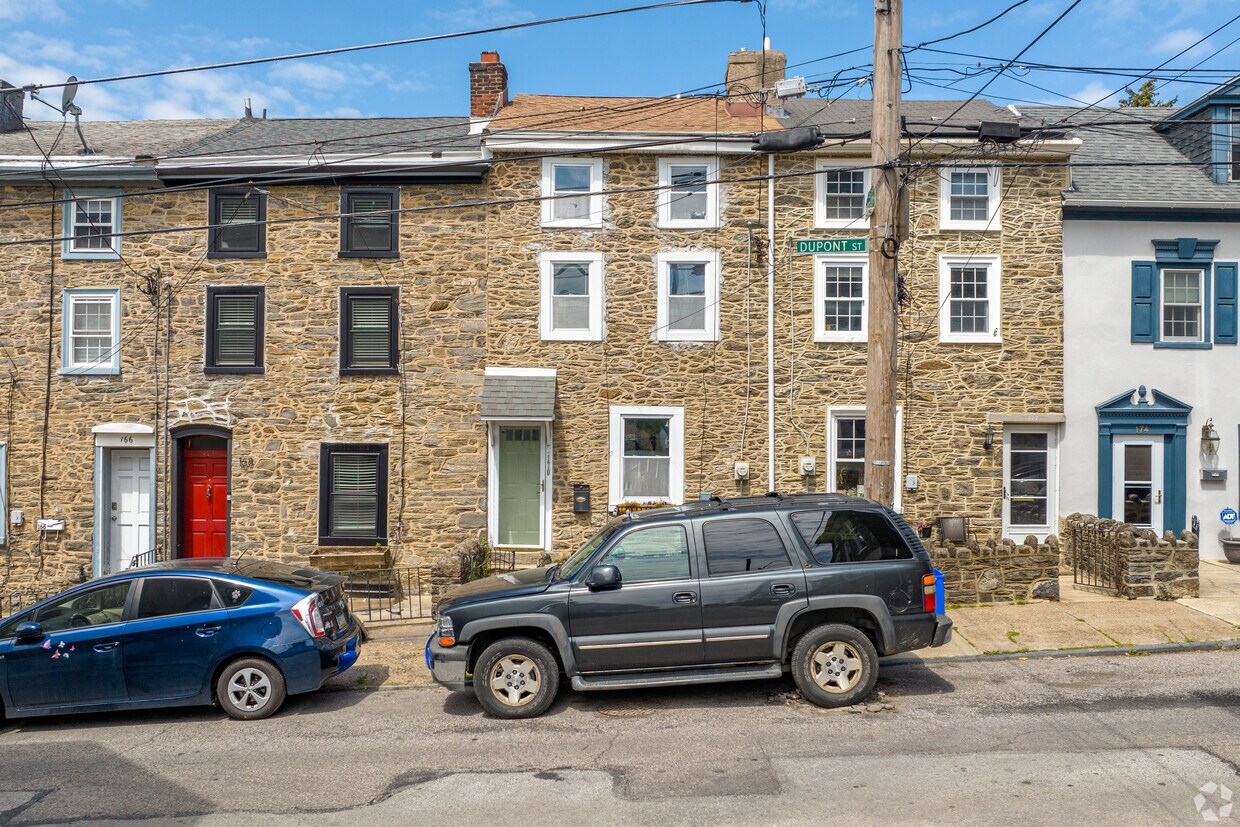
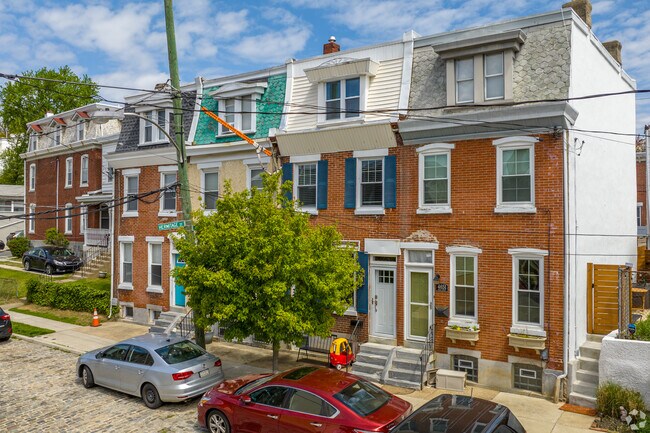
Manayunk row homes borrow Victorian architecture with Intricate ornamentation.
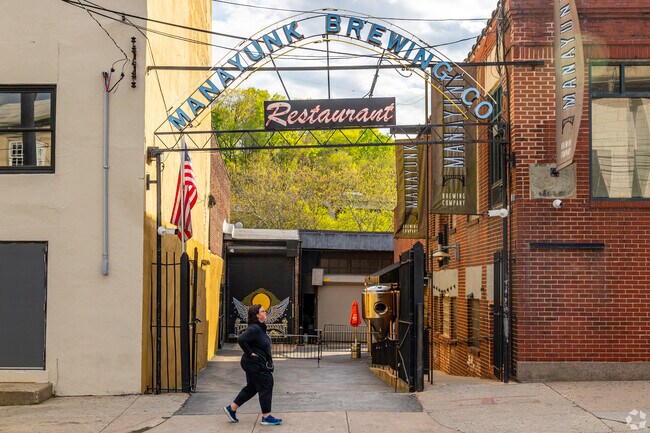
Walk to Main Street Manayunk and quench your thirst with a cold beer from Manayunk Brew Co.
As of September 2026, the average apartment rent in Manayunk is $1,387 for a studio, $1,762 for one bedroom, $2,204 for two bedrooms, and $2,633 for three bedrooms. Apartment rent in Manayunk has increased by 0.9% in the past year.
Studio
523 sq ft
Average Sq Ft
$1,387/month
Average Rent
1 BR
710 sq ft
Average Sq Ft
$1,762/month
Average Rent
2 BR
1,056 sq ft
Average Sq Ft
$2,204/month
Average Rent
3 BR
1,358 sq ft
Average Sq Ft
$2,633/month
Average Rent
Explore how walkable, bikeable, drivable, and transit-friendly Manayunk - Philadelphia, PA is for everyday living.
Very Walkable
Walkability
Some Public Transit
Transit
Moderately Drivable
Drivability
Moderately Bikeable
Bikeability
In Manayunk - Philadelphia, PA, daily errands are quick and hassle-free.
Supermarket Within a 10 Minute Walk
Groceries
Great Restaurant Variety Nearby
Restaurants
Great Café Variety Nearby
Cafes
Good Variety of Shops Nearby
Shopping
Manayunk - Philadelphia, PA provides ample green space and fitness centers within easy reach.
Very Large Amount of Park Space Nearby
Parks
Good Wellness Amenity Variety Nearby
Wellness
Get a sense of what it’s like to live in Manayunk - Philadelphia, PA from everyday activity to noise and nightlife.
Vibrant Atmosphere at Times
Vibrancy
Great Nightlife Variety Nearby
Nightlife
Not Noisy
Quiet Score

† Our analysis of utilities, groceries, transportation, healthcare, home prices, and other goods and services is sourced from the Cost of Living Index, a respected benchmark published by the Council for Community and Economic Research (C2ER) that provides a thorough overview of living expenses across different regions.
Rent data is provided by CoStar Group’s Market Trend reports. As the industry leader in commercial real estate information, analytics, and news, CoStar conducts extensive research to produce and maintain a comprehensive database of commercial real estate information. We combine this data with public record to provide the most up-to-date rental information available.
Consumer goods, services, and home prices are sourced from the Cost of Living Index published by the Council for Community and Economic Research (C2ER). The data on this page is updated quarterly. It was last published in September 2026.
Demographic information comes from Neustar and combines detailed address data with U.S. Census and American Community Survey statistics to produce reliable local estimates.