Median Age
42 Years
Largest Age Group
15-24 Years
Approximately 14% of Residents
Under 20
23%
Over 65
21%
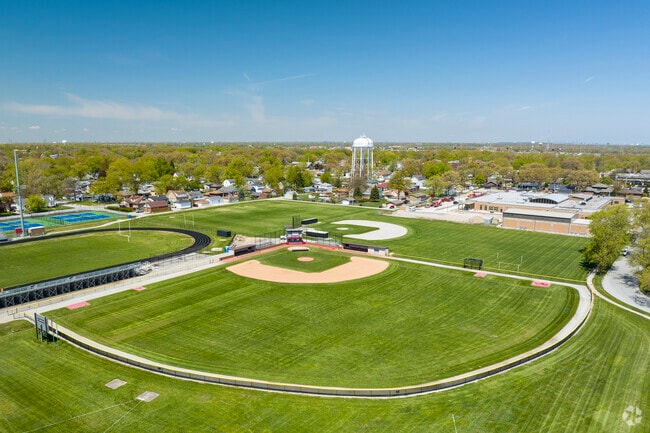
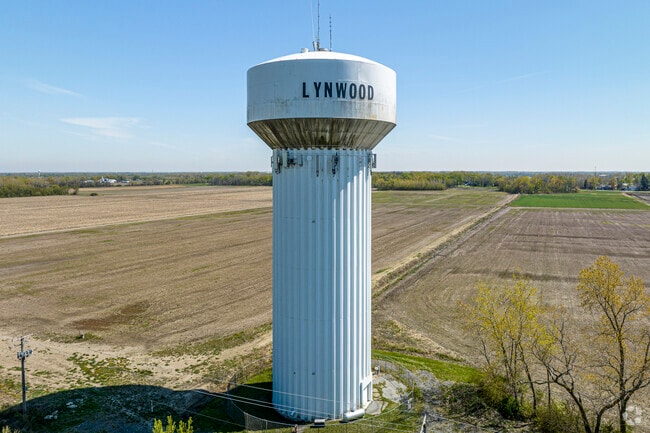


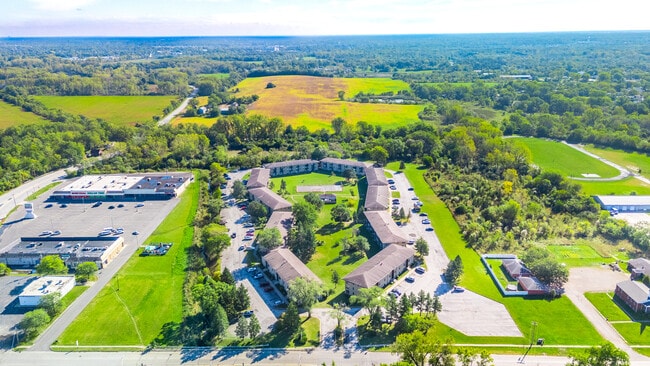
Quiet streets, wide sidewalks, and open sky greet renters who land in Lynwood, a Cook County village on the Illinois-Indiana state line roughly 27 miles south of downtown Chicago. The atmosphere here leans peaceful and unhurried, with Brownell Woods offering wooded trails just to the north and everyday errands within a short drive. Towne Square Mall sits practically at the village's center, and Lynwood Center is just minutes away, so daily needs rarely require a long trip.
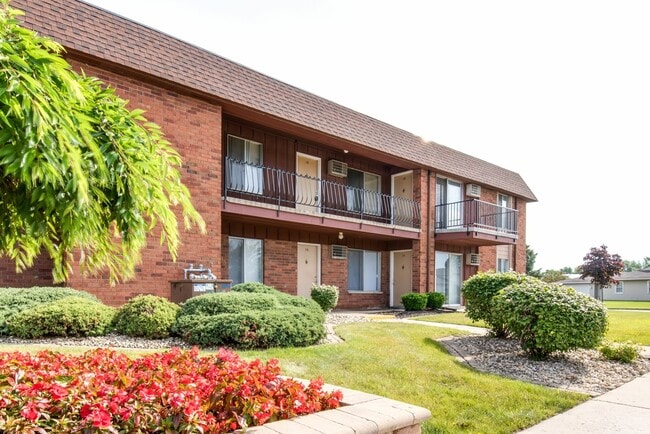
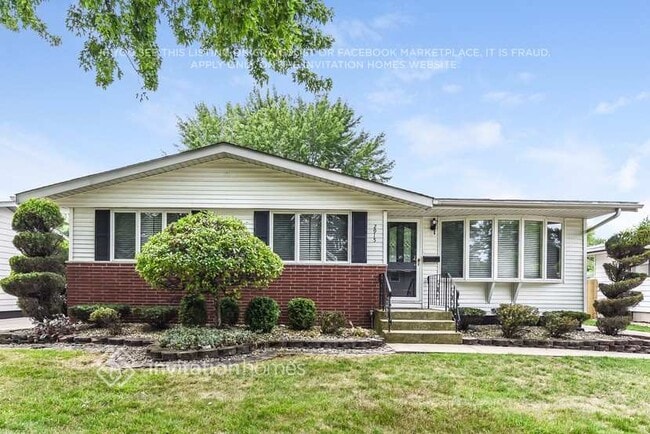
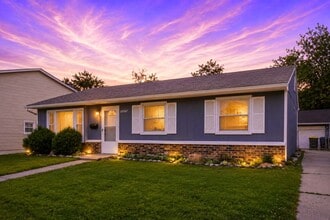
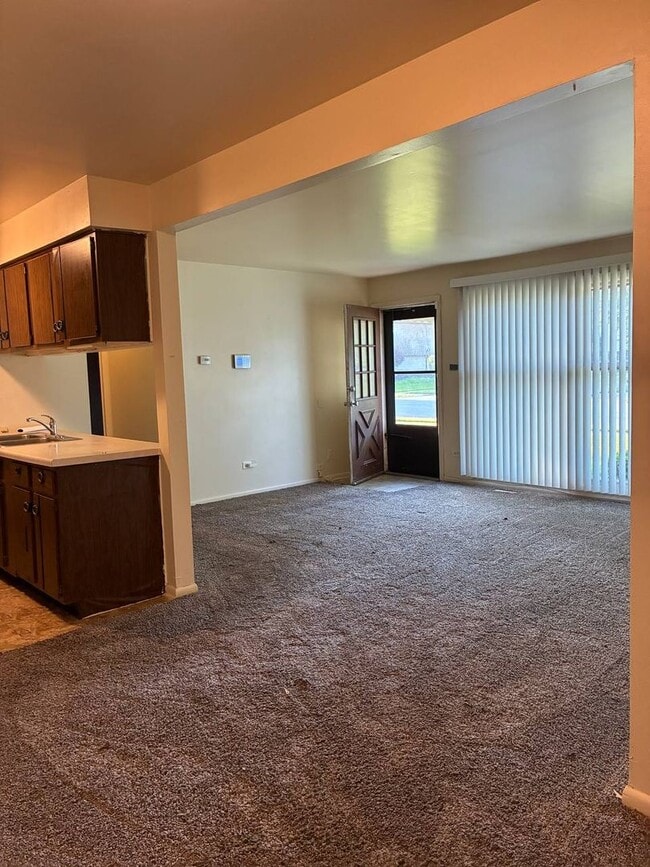
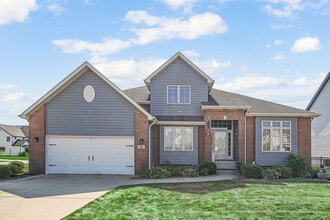
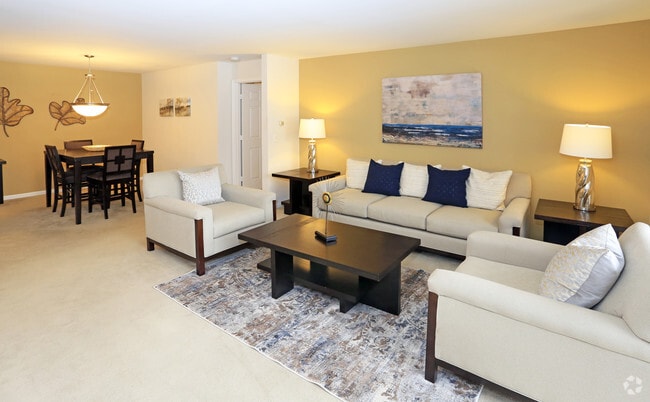
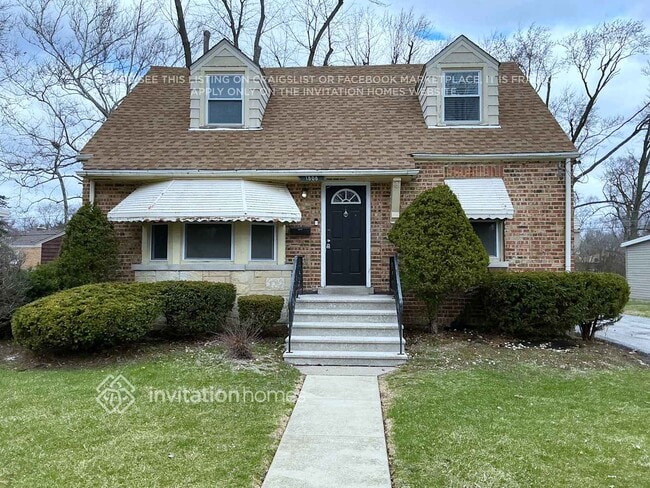
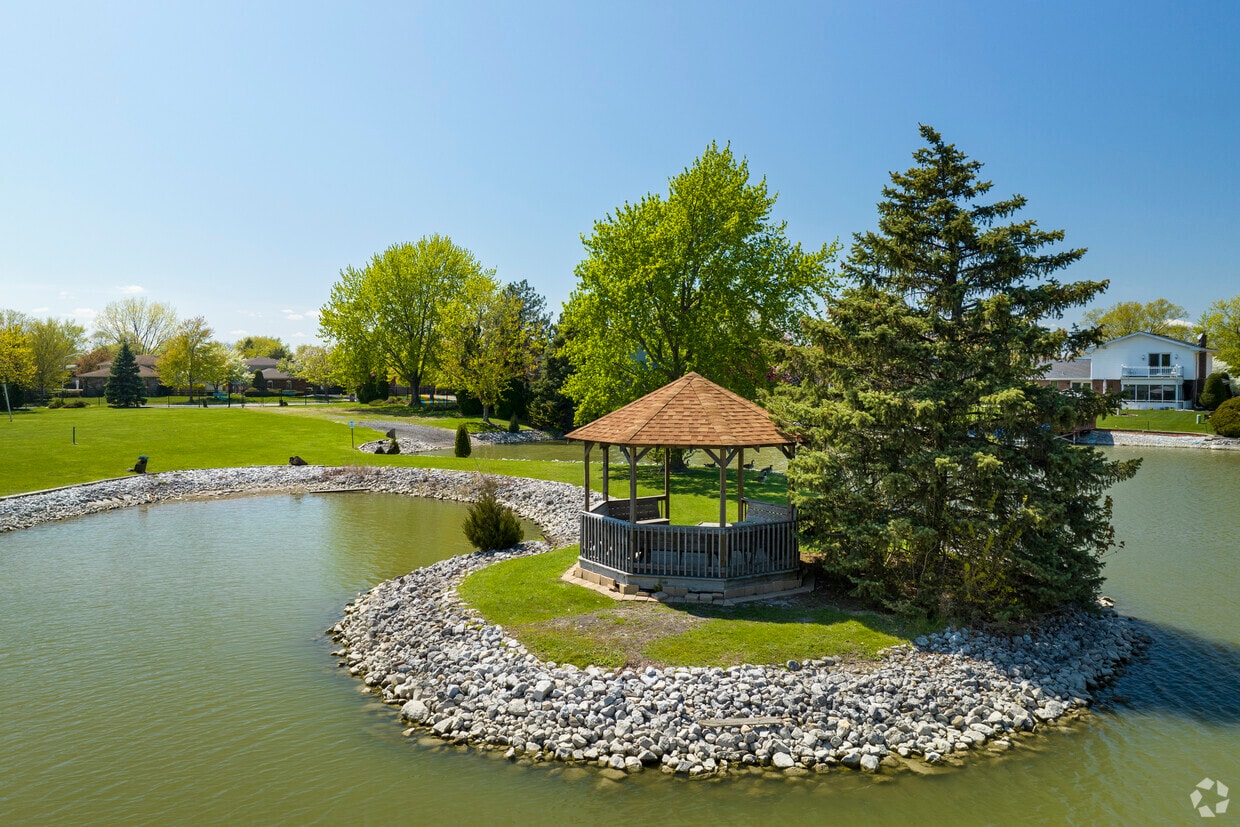
The rental landscape in Lynwood tends toward single-family homes, split levels, brick ranches, and Cape Cod-style houses, reflecting the suburban residential character that has grown steadily since the 1970s. Some residents enjoy lake views along Lake Shore Drive and Lake Lynwood Drive, adding a relaxed waterfront dimension to the housing stock. Incorporated in 1959, the village has grown alongside a mix of farmland and modern suburban development that still defines its look today.
Prairie State College is about 12 minutes away, and South Suburban College is reachable in roughly 16 minutes, making continuing education accessible. Chicago is within easy reach via Interstate 94, whether for work, culture, or a night out.
Incorporated in 1959, Lynwood blends farm fields and modern suburbia.
Lynwood is the hidden gem of Illinois where rural charm blends with small town living.
Shady oak trees in Brownell Woods give Lynwood residents a cool place to picnic.
The Thorn Creek trail runs through the northern border of Lynwood and into the Brownell woods.
Liberty Memorial Park is a one of the local Lynwood gathering spots with its newer playground, and near by fishing pond.
With tree lined streets, ample green space, and plenty of housing variety to choose from, Lynwood is a great place to call home.
Median Household Income
$71,469
Average: $88,253
Education
2,386
Residents Have a Degree
Job Market
4,791
Workers Employed
Median Age
42 Years
Largest Age Group
15-24 Years
Approximately 14% of Residents
Under 20
23%
Over 65
21%
Housing Distribution
Lynwood has more homeowners than renters.

Education Distribution
Review this city's overall education levels.

Explore how walkable, bikeable, drivable, and transit-friendly Lynwood, IL is for everyday living.
Somewhat Walkable
Walkability
Limited Public Transit
Transit
Exceptionally Drivable
Drivability
Fairly Bikeable
Bikeability

Public
Grades PK-8
412 Students

Public
Grades PK-8
412 Students
 The GreatSchools Rating helps parents compare schools within a state based on a variety of school quality indicators and provides a helpful picture of how effectively each school serves all of its students. Ratings are on a scale of 1 (below average) to 10 (above average) and can include test scores, college readiness, academic progress, advanced courses, equity, discipline and attendance data. We also advise parents to visit schools, consider other information on school performance and programs, and consider family needs as part of the school selection process.
View GreatSchools Rating Methodology
Data provided by
GreatSchools.org
© 2026. All rights reserved.
The GreatSchools Rating helps parents compare schools within a state based on a variety of school quality indicators and provides a helpful picture of how effectively each school serves all of its students. Ratings are on a scale of 1 (below average) to 10 (above average) and can include test scores, college readiness, academic progress, advanced courses, equity, discipline and attendance data. We also advise parents to visit schools, consider other information on school performance and programs, and consider family needs as part of the school selection process.
View GreatSchools Rating Methodology
Data provided by
GreatSchools.org
© 2026. All rights reserved.
† Our analysis of utilities, groceries, transportation, healthcare, home prices, and other goods and services is sourced from the Cost of Living Index, a respected benchmark published by the Council for Community and Economic Research (C2ER) that provides a thorough overview of living expenses across different regions.
Rent data is provided by CoStar Group’s Market Trend reports. As the industry leader in commercial real estate information, analytics, and news, CoStar conducts extensive research to produce and maintain a comprehensive database of commercial real estate information. We combine this data with public record to provide the most up-to-date rental information available.
Consumer goods, services, and home prices are sourced from the Cost of Living Index published by the Council for Community and Economic Research (C2ER). The data on this page is updated quarterly. It was last published in June 2026.
Demographic information comes from Neustar and combines detailed address data with U.S. Census and American Community Survey statistics to produce reliable local estimates.