Median Age
44 Years
Largest Age Group
10-19 Years
Approximately 17% of Residents
Under 20
27%
Over 65
19%


Avg Rent
$2,731
Population
17,462
Renter Mix
34% Rent
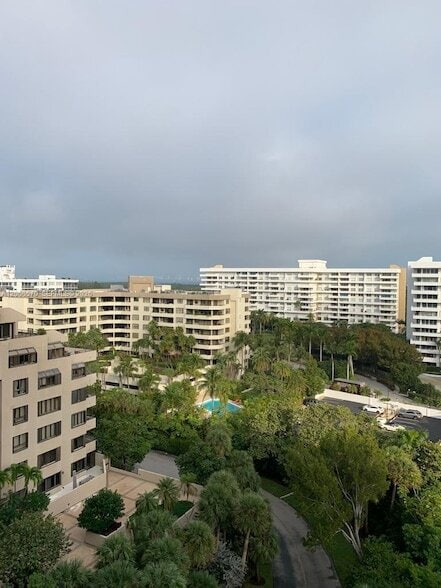
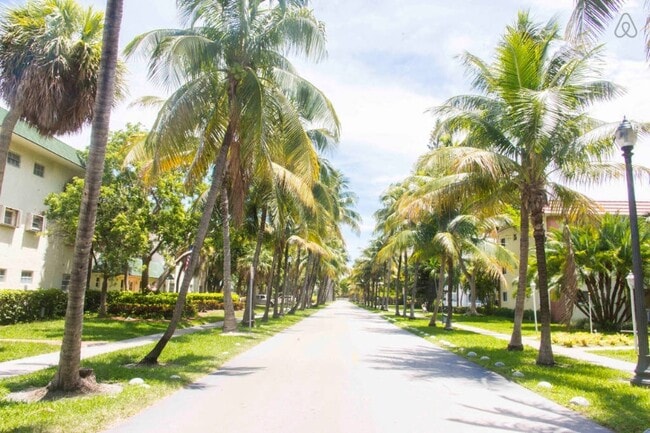
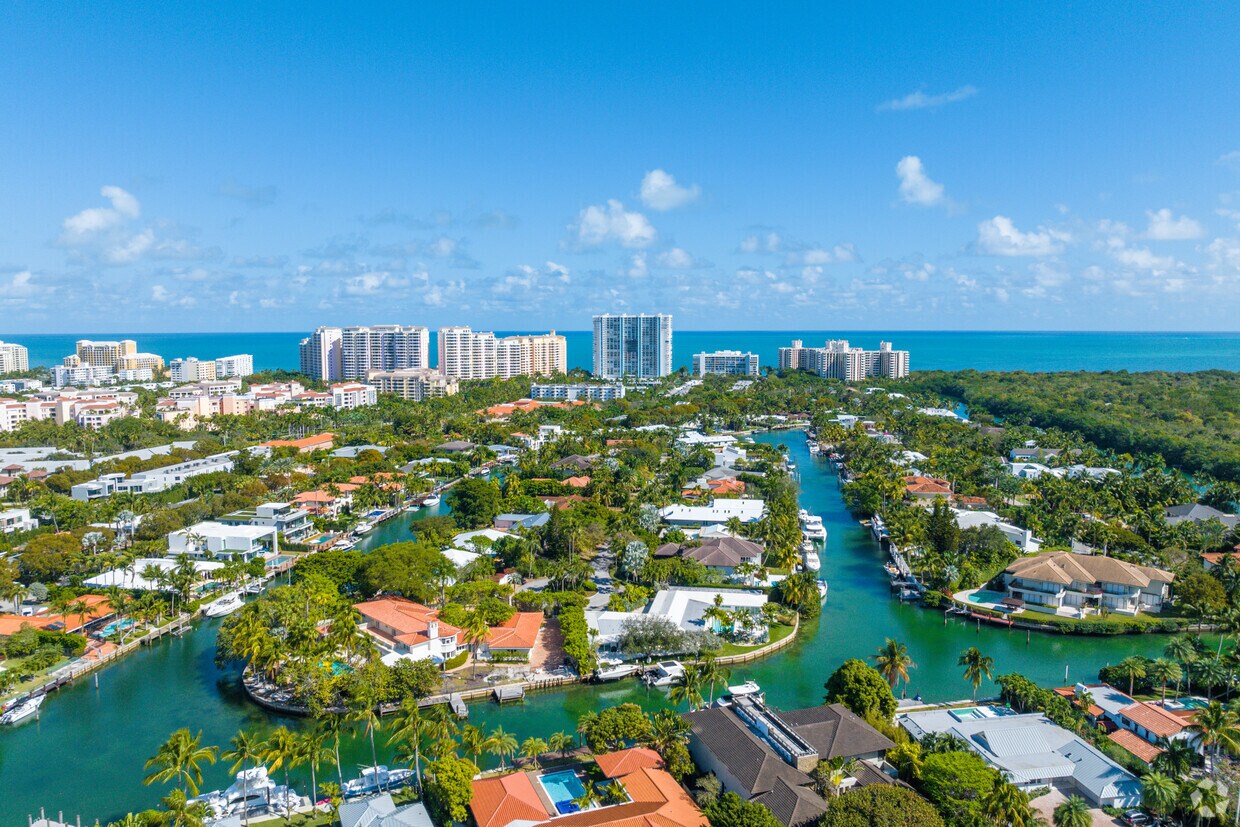
Key Biscayne is the barrier island where a U.S. president once kept his Winter White House, and where residents today enjoy a resort-town pace just four miles from downtown Miami. Connected to the mainland solely by the Rickenbacker Causeway, the island offers wide bike paths, salt air, and a low-rise skyline unlike anything else in South Florida. Virginia Key sits between the island and the city, softening the transition and adding a layer of natural calm. Crandon Boulevard anchors the main strip of dining and shopping, while state parkland caps both ends of the island.
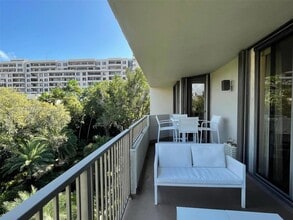
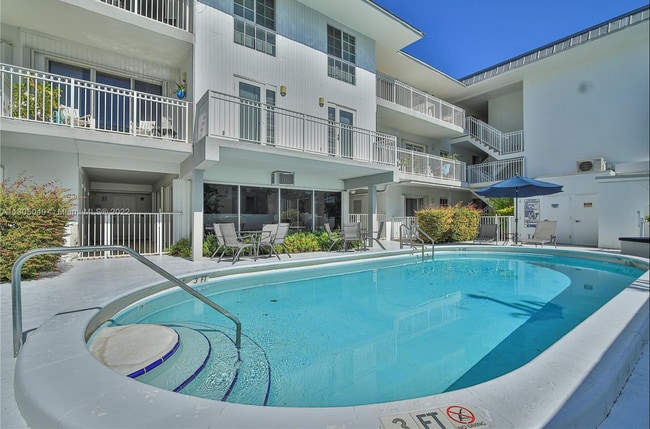
Rental options lean toward upscale waterfront condominiums, mid-rise apartment communities with bay or ocean views, and single-family rental homes on quiet residential streets. Spanish Revival, ranch-style, and contemporary architectural styles are all represented across the rental stock, regardless of the type.
The local economy draws on tourism, marine industries, and real estate, while Miami's full job market sits a short causeway crossing away. The northern two-thirds of the island operated for decades as the largest coconut plantation in the continental United States before giving way to the parks and neighborhoods that define the island today.
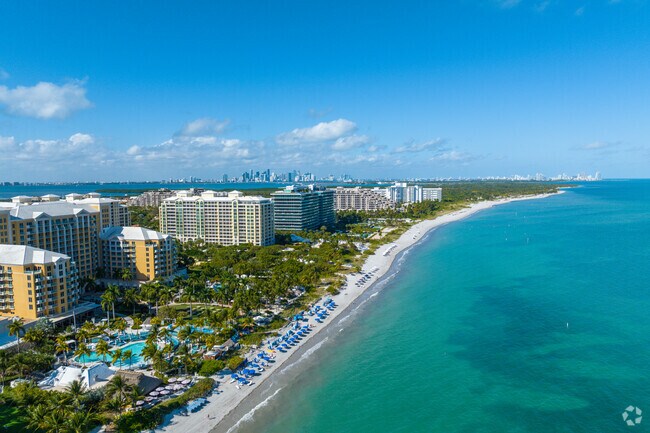
Beaches near Key Biscayne provide year-round coastal recreation.
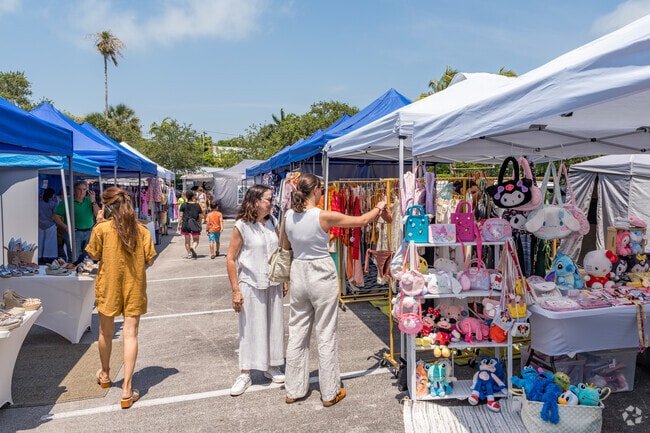
Key Biscayne Farmers Market draws crowds for fresh produce every Saturday.
Boating is a common pastime in Key Biscayne.
Key Biscayne residents can access the beach through the Beach Park.
Cycling is a popular way to explore Key Biscayne’s scenic streets and coastal paths.
Crandon Park has a tennis complex, golf course, beaches, and more.
Median Household Income
$168,106
Average: $184,876
Education
8,851
Residents Have a Degree
Job Market
8,106
Workers Employed
Median Age
44 Years
Largest Age Group
10-19 Years
Approximately 17% of Residents
Under 20
27%
Over 65
19%
Housing Distribution
Key Biscayne has more homeowners than renters.

Education Distribution
Review this city's overall education levels.

As of September 2026, the average apartment rent in Key Biscayne, FL is $2,731 for one bedroom, and $3,676 for two bedrooms. Apartment rent in Key Biscayne has increased by 1.3% in the past year.
Explore how walkable, bikeable, drivable, and transit-friendly Key Biscayne, FL is for everyday living.
Fairly Walkable
Walkability
Limited Public Transit
Transit
Moderately Drivable
Drivability
Moderately Bikeable
Bikeability

Public
Grades PK-8
803 Students

Public
Grades 6-12
1,582 Students

Public
Grades PK-8
803 Students
Public
Grades 6-12
1,582 Students
 The GreatSchools Rating helps parents compare schools within a state based on a variety of school quality indicators and provides a helpful picture of how effectively each school serves all of its students. Ratings are on a scale of 1 (below average) to 10 (above average) and can include test scores, college readiness, academic progress, advanced courses, equity, discipline and attendance data. We also advise parents to visit schools, consider other information on school performance and programs, and consider family needs as part of the school selection process.
View GreatSchools Rating Methodology
Data provided by
GreatSchools.org
© 2026. All rights reserved.
The GreatSchools Rating helps parents compare schools within a state based on a variety of school quality indicators and provides a helpful picture of how effectively each school serves all of its students. Ratings are on a scale of 1 (below average) to 10 (above average) and can include test scores, college readiness, academic progress, advanced courses, equity, discipline and attendance data. We also advise parents to visit schools, consider other information on school performance and programs, and consider family needs as part of the school selection process.
View GreatSchools Rating Methodology
Data provided by
GreatSchools.org
© 2026. All rights reserved.
† Our analysis of utilities, groceries, transportation, healthcare, home prices, and other goods and services is sourced from the Cost of Living Index, a respected benchmark published by the Council for Community and Economic Research (C2ER) that provides a thorough overview of living expenses across different regions.
Rent data is provided by CoStar Group’s Market Trend reports. As the industry leader in commercial real estate information, analytics, and news, CoStar conducts extensive research to produce and maintain a comprehensive database of commercial real estate information. We combine this data with public record to provide the most up-to-date rental information available.
Consumer goods, services, and home prices are sourced from the Cost of Living Index published by the Council for Community and Economic Research (C2ER). The data on this page is updated quarterly. It was last published in September 2026.
Demographic information comes from Neustar and combines detailed address data with U.S. Census and American Community Survey statistics to produce reliable local estimates.