Median Age
44 Years
Largest Age Group
35-44 Years
Approximately 15% of Residents
Under 20
22%
Over 65
22%

Avg Rent
$2,312
Population
21,865
Renter Mix
41% Rent
Coconut Grove, Miami's oldest continuously inhabited neighborhood, combines historic charm with modern living. Tree-lined streets and lush vegetation create a natural canopy throughout this established community. Current rental trends show studio apartments averaging $2,354, one-bedrooms at $2,290, and two-bedrooms commanding $3,437. The neighborhood centers around Main, McFarland, and Grand Avenues, where CocoWalk's open-air shopping and dining destination anchors a walkable district filled with sidewalk cafes and independent shops.
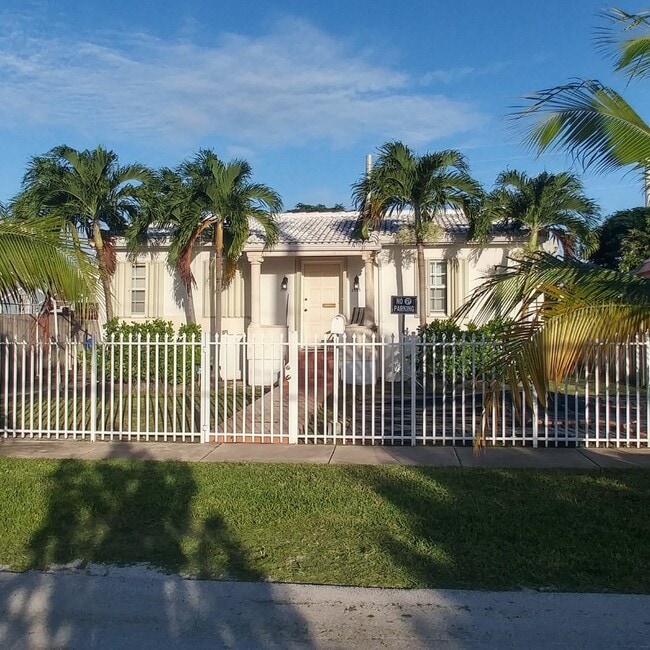
The Grove's history spans from its early Bahamian settlers to its evolution as a waterfront community. Maritime attractions include Dinner Key Marina and several sailing clubs along Biscayne Bay. The neighborhood preserves its past through landmarks like Vizcaya Museum and Gardens and The Barnacle Historic State Park. The annual Coconut Grove Arts Festival draws visitors from across the region, while the Goombay Festival honors the area's Bahamian heritage. Housing options range from historic Mediterranean Revival homes to contemporary waterfront residences, all benefiting from refreshing bay breezes and tree-shaded streets.
Median Household Income
$119,076
Average: $152,124
Education
11,888
Residents Have a Degree
Job Market
11,764
Workers Employed
Median Age
44 Years
Largest Age Group
35-44 Years
Approximately 15% of Residents
Under 20
22%
Over 65
22%
Housing Distribution
Coconut Grove has more homeowners than renters.

Education Distribution
Review this city's overall education levels.

As of September 2026, the average apartment rent in Coconut Grove, FL is $2,395 for a studio, $2,312 for one bedroom, and $3,515 for two bedrooms. Apartment rent in Coconut Grove has decreased by -1.1% in the past year.
Explore how walkable, bikeable, drivable, and transit-friendly Coconut Grove, FL is for everyday living.
Moderately Walkable
Walkability
Some Public Transit
Transit
Very Drivable
Drivability
Moderately Bikeable
Bikeability

† Our analysis of utilities, groceries, transportation, healthcare, home prices, and other goods and services is sourced from the Cost of Living Index, a respected benchmark published by the Council for Community and Economic Research (C2ER) that provides a thorough overview of living expenses across different regions.
Rent data is provided by CoStar Group’s Market Trend reports. As the industry leader in commercial real estate information, analytics, and news, CoStar conducts extensive research to produce and maintain a comprehensive database of commercial real estate information. We combine this data with public record to provide the most up-to-date rental information available.
Consumer goods, services, and home prices are sourced from the Cost of Living Index published by the Council for Community and Economic Research (C2ER). The data on this page is updated quarterly. It was last published in September 2026.
Demographic information comes from Neustar and combines detailed address data with U.S. Census and American Community Survey statistics to produce reliable local estimates.