Background Image

West Miami, FL Area Guide

Avg Rent

$2,269

Population

7,425

Renter Mix

54% Rent

A tiny suburb in a convenient locale

Suburban Tropical Peaceful

West Miami is a compact, self-governing city covering just one square mile within Miami-Dade County. Mature oak, palm, and banyan trees line the streets, giving the city a lush, canopied feel that sets it apart from communities farther north, and a noticeably quieter residential pace than the busy metro just beyond its borders. Daily errands are manageable on foot within the city's tight footprint, and the cultural energy of Calle Ocho and Little Havana lies just to the north, while Coral Gables' restaurants and boutiques are minutes to the east.

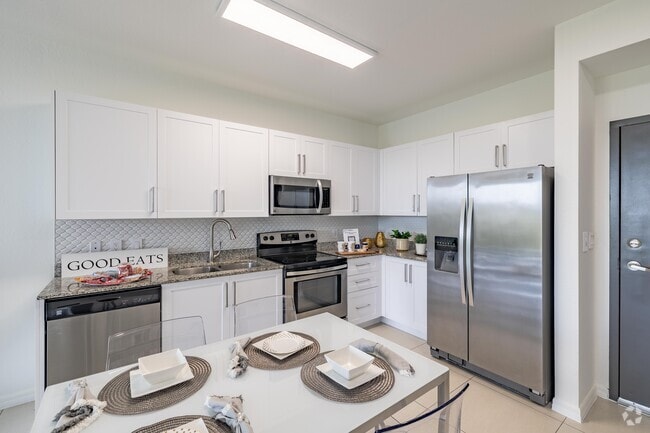
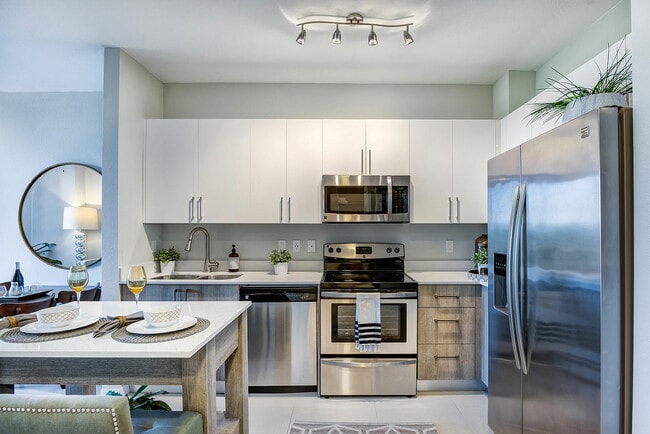
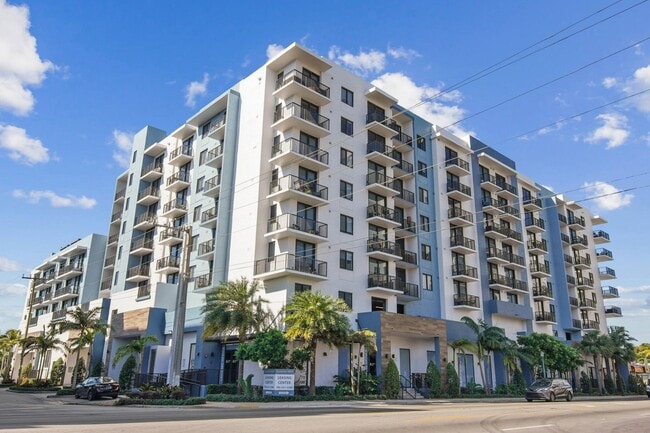
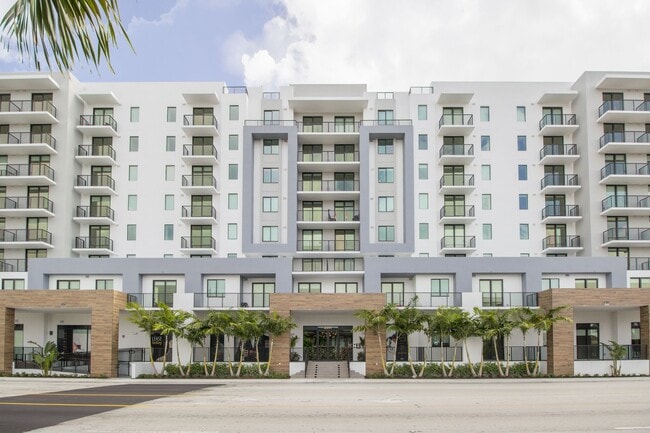
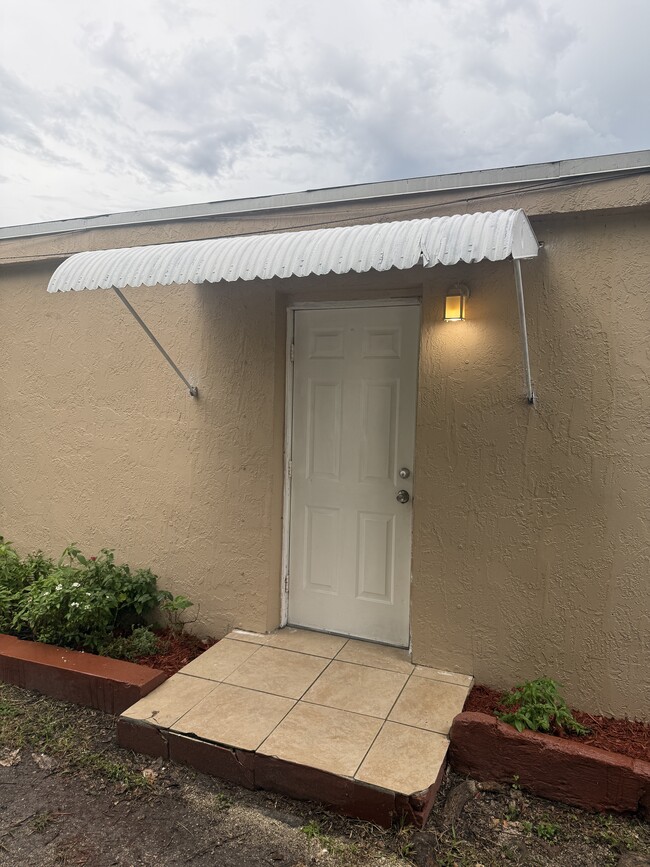
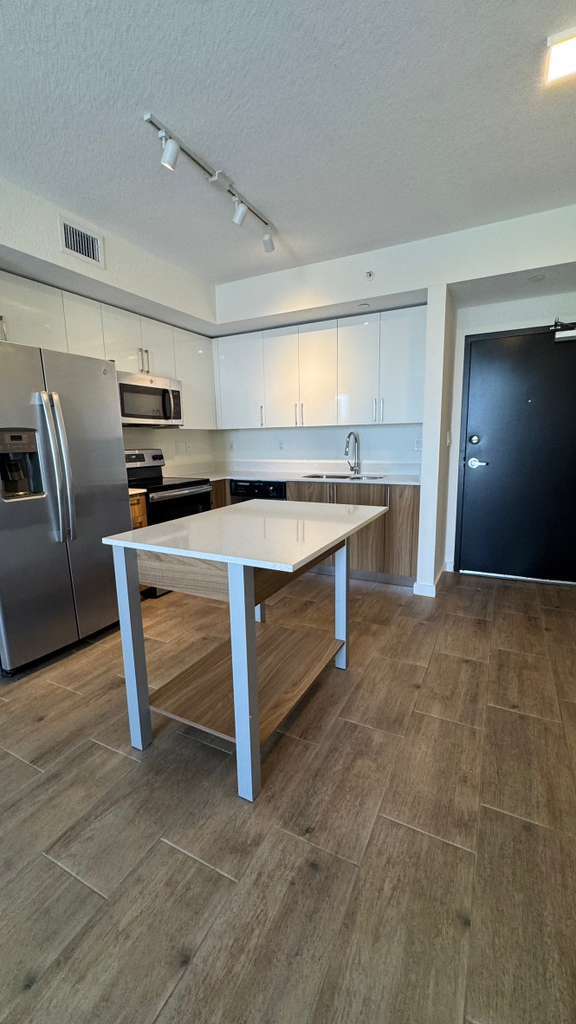
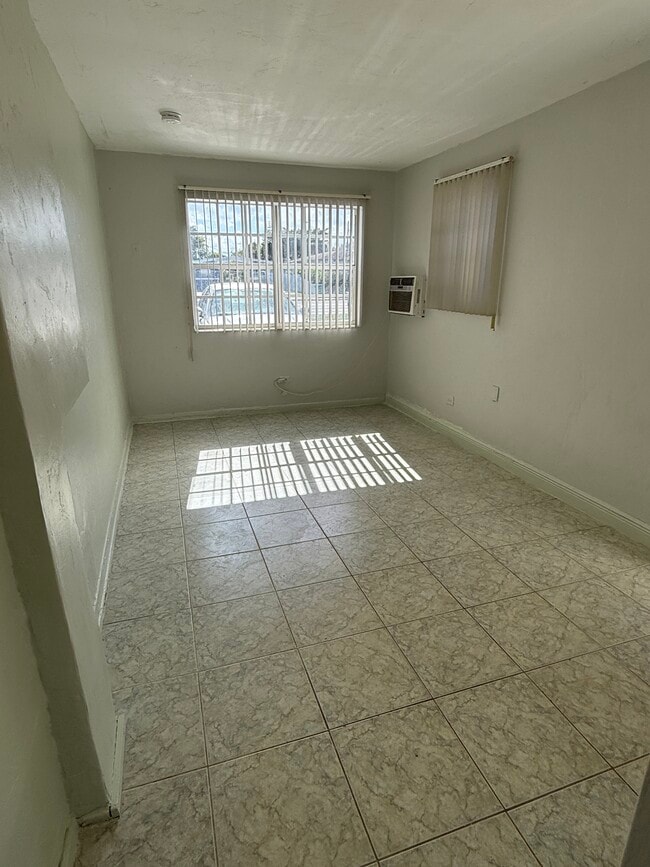
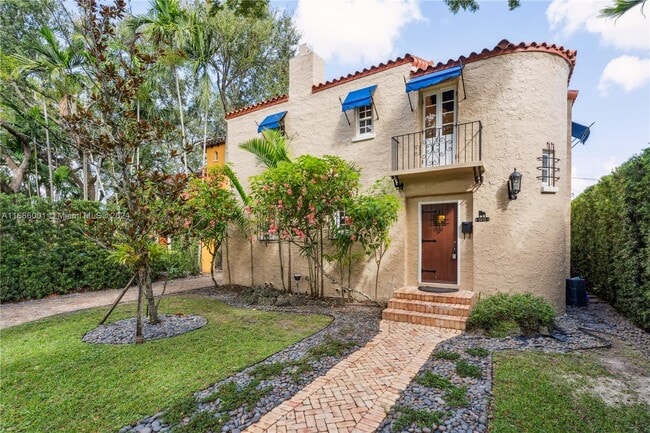
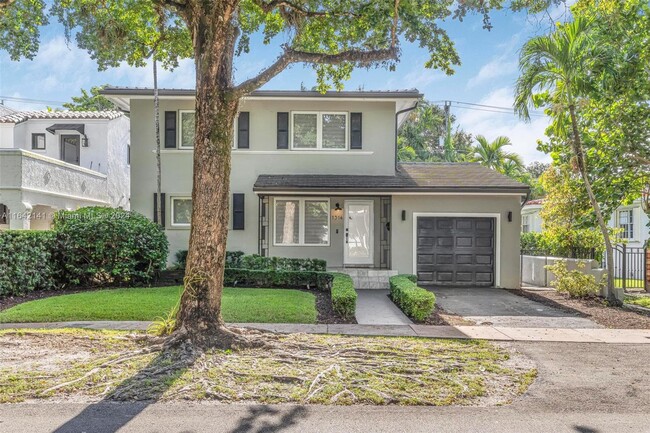
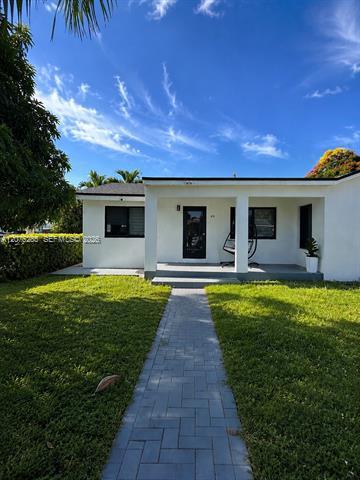
The rental landscape leans heavily toward low-rise options: single-family ranch-style renatal homes and low-rise apartment communities. Spanish eclectic details like stucco siding, arched entryways, and terracotta roof tiles give many properties their distinct South Florida character, while newer construction in contemporary styles adds variety.

The University of Miami is about 11 minutes away, and the Coral Gables business district is similarly close, connecting residents to education, healthcare, and professional employment. Downtown Miami is roughly 15 minutes by car, and Miami International Airport is just over 5 miles away -- a practical detail for frequent travelers.

Demographics

Median Household Income

$67,343

Average: $91,917

Education

2,352

Residents Have a Degree

Job Market

3,892

Workers Employed

Age Distribution
Get a sense of this area's population profile.

Median Age

42 Years

Largest Age Group

30-39 Years

Approximately 16% of Residents

Under 20

20%

Over 65

20%

Housing Distribution

West Miami has more renters than homeowners.

Renters
54%
Non-Renters
46%

Education Distribution

Review this city's overall education levels.

Bachelor's or Higher
29%
Other Education
71%

Rent Trends

As of September 2026, the average apartment rent in West Miami, FL is $1,957 for a studio, $2,269 for one bedroom, and $2,780 for two bedrooms. Apartment rent in West Miami has increased by 1.3% in the past year.

Property Type
Average Rent
Average Sq Ft
Apartment
$2,269/month
696 Sq Ft
House
$5,009/month
1,576 Sq Ft
See Rental Market Trends in West Miami, FL

Learn More About West Miami

Getting Around

Very Walkable

Walkability

80 / 100

Limited Public Transit

Transit

30 / 100

Fairly Drivable

Drivability

50 / 100

Fairly Bikeable

Bikeability

50 / 100

Points of Interest

Parks and Recreation

  • Sense of Wonder Nature Center and A.D. Barnes Park
  • Gifford Arboretum
  • The Barnacle Historic State Park
  • The Kampong
  • Miami Science Museum - Closed

Transit / Subway

Airports

  • Miami International
  • Fort Lauderdale/Hollywood International

Top Apartments in West Miami

Houses for Rent in West Miami

Living in West Miami

History

-

Much of West Miami's built environment reflects post-World War II suburban development, with a majority of homes constructed during the 1940s, 1950s, and 1960s. Ranch-style houses with Spanish eclectic elements define the architectural character throughout the city's streets.

Despite being almost entirely surrounded by the City of Miami, West Miami has maintained its own independent municipal governance throughout its history. New construction in modern and contemporary styles has been layered into the existing fabric in recent years, broadening the architectural range while the city's residential core remains intact.

Restaurants

-

Dining in the area centers on SW 8th Street, the Tamiami Trail corridor running along the city's north edge, where Cuban and Latin American cuisine defines the local food culture. El Mago De Las Fritas has been a neighborhood staple since 1984, drawing regulars with its Cuban fritas: a chorizo and beef burger finished with a tangle of shoestring potatoes. Next door, Happy Wine Calle Ocho pairs discounted wine and tapas with live music and a lively atmosphere.

For a broader range of dining, Coral Gables is just minutes east and offers a fuller roster of international and upscale options.

Transportation

-

Regardless if you are commuting to neighboring areas or just traveling around town, a car is the most common mode of transportation in West Miami. U.S. Route 41, the Tamiami Trail, runs directly along the city's north side, and both the Palmetto Expressway and the Dolphin Expressway, which connects to I-95, are within 3 miles, making regional commutes straightforward. Downtown Miami is about 15 minutes away by car, and Miami International Airport is roughly 14 minutes by drive.

No Metrorail stations sit within West Miami itself, but several, including South Miami, Douglas Road, and University, are reachable within 9 to 10 minutes by car. Miami-Dade Transit bus service runs along the SW 8th Street corridor. The city's small footprint makes walking and biking practical for internal trips, even without extensive dedicated bike infrastructure.

Parks

-

Cooper Park provides a quiet local green space with a fitness area and playground, and the West Miami Recreation Center a few blocks away adds basketball and tennis courts for more active use. Both spaces serve as practical gathering points within this compact city.

A short drive opens up considerably more outdoor options. A.D. Barnes Park and its Sense of Wonder Nature Center is about 5 minutes away, with nature trails and additional playgrounds. The Gifford Arboretum on the University of Miami campus is 7 minutes out, and both The Barnacle Historic State Park in Coconut Grove and The Kampong, a National Tropical Botanical Garden, are reachable within 12 minutes.

Cost

-

Rents in West Miami run above the Florida state average, reflecting the city's position within the Miami metro. Studio apartments average around $1,877 per month, one-bedroom units average around $2,335, and two-bedroom apartments average around $2,856. The broader Miami metro area carries an overall cost of living above the national average, with housing costs notably higher than the national benchmark. Healthcare costs in the metro run below the national average, and transportation costs are roughly in line with it.

Shopping

-

Most of West Miami's retail activity runs along the SW 8th Street corridor, where everyday shopping needs are met close to home. A Publix and a CVS operate within the community, handling grocery and pharmacy runs without requiring a trip outside city limits. El Centro Commercial Cubano is less than a mile away and anchors the nearest small retail cluster.

For a wider selection, Coral Gables and South Miami are both minutes away and offer more expansive retail, from neighborhood shops to larger commercial centers.

Highlights

-

Quiet, tree-lined streets and a compact residential scale make West Miami a distinctive base within the Miami metro. The city sits minutes from Coral Gables, the University of Miami, Calle Ocho's Cuban dining and cultural scene, A.D. Barnes Park, and Miami International Airport, with a rental housing stock rich in midcentury Spanish eclectic architecture and a strong community character backed by independent local governance.

Search Nearby Rentals

Methodology

† Our analysis of utilities, groceries, transportation, healthcare, home prices, and other goods and services is sourced from the Cost of Living Index, a respected benchmark published by the Council for Community and Economic Research (C2ER) that provides a thorough overview of living expenses across different regions.

Rent data is provided by CoStar Group’s Market Trend reports. As the industry leader in commercial real estate information, analytics, and news, CoStar conducts extensive research to produce and maintain a comprehensive database of commercial real estate information. We combine this data with public record to provide the most up-to-date rental information available.

Consumer goods, services, and home prices are sourced from the Cost of Living Index published by the Council for Community and Economic Research (C2ER). The data on this page is updated quarterly. It was last published in September 2026.

Demographic information comes from Neustar and combines detailed address data with U.S. Census and American Community Survey statistics to produce reliable local estimates.