Median Age
43 Years
Largest Age Group
55-64 Years
Approximately 14% of Residents
Under 20
22%
Over 65
20%


Avg Rent
$2,046
Population
50,547
Renter Mix
31% Rent
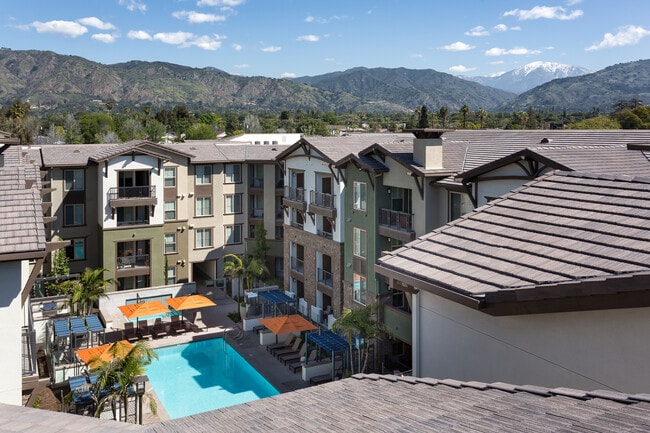
Tucked into the foothills of the San Gabriel Mountains, Glendora has carried the nickname "Pride of the Foothills" for good reason — the city blends Southern California sunshine with a genuine small-town character that larger Los Angeles County communities rarely manage to hold onto. Sitting about 25 miles northeast of Downtown Los Angeles, it offers easy access to the metro area while maintaining its own identity. Historic Route 66 cuts right through town, a nod to the city's deep roots in the region's history. Glendora Village, the walkable downtown core, anchors community life with local shops, cafes, and year-round events along Glendora Avenue. Azusa Pacific University sits just to the west, adding an academic energy to the broader area.
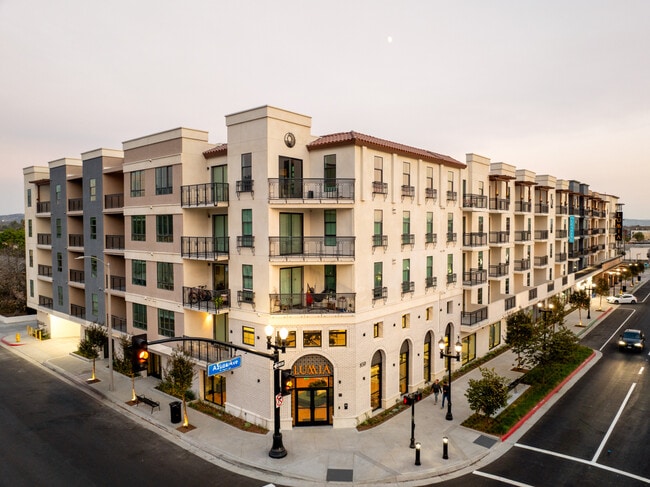
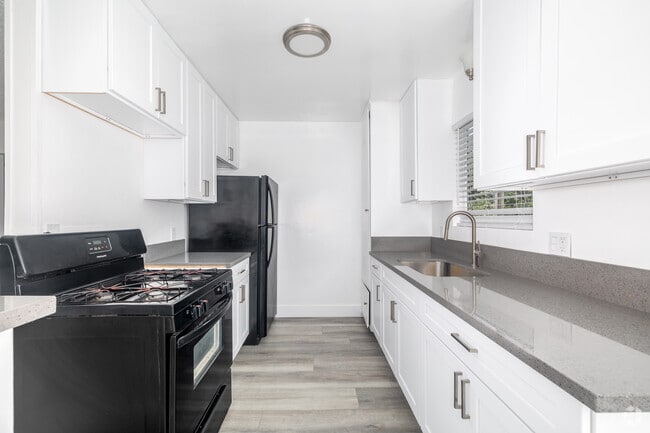
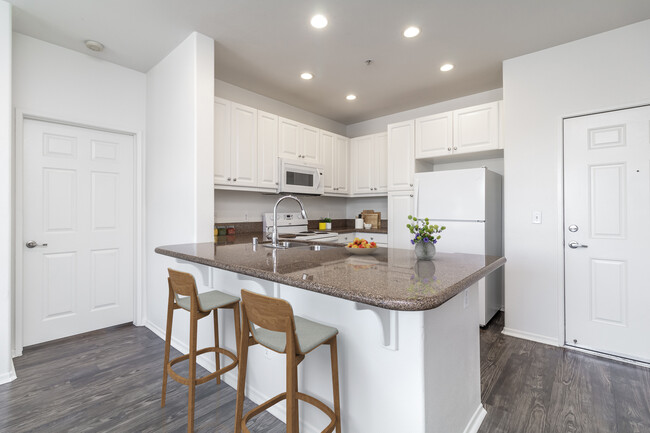
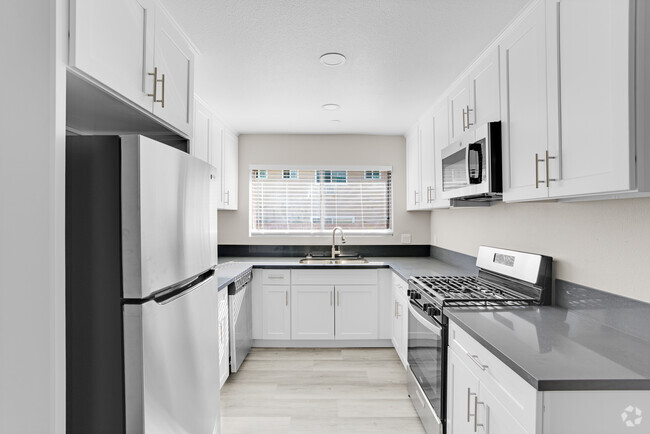
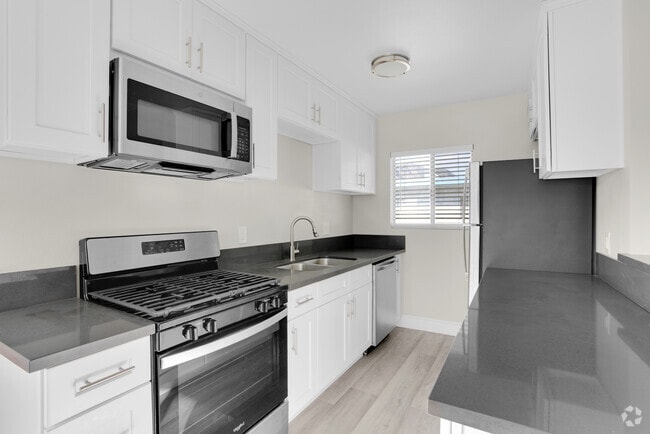
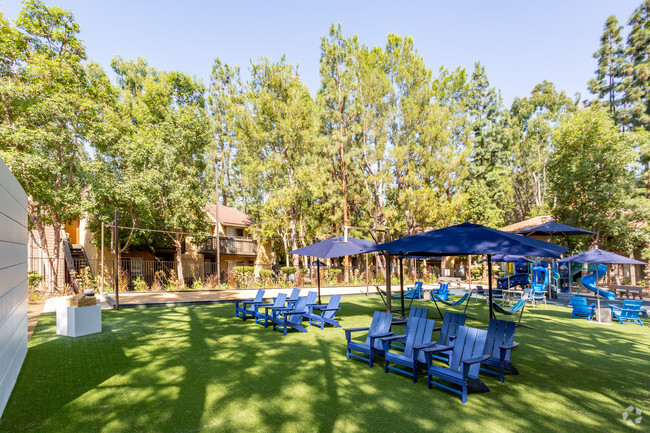
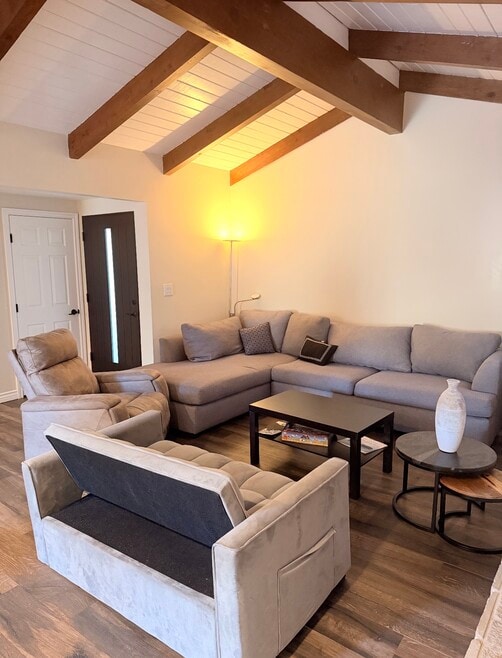
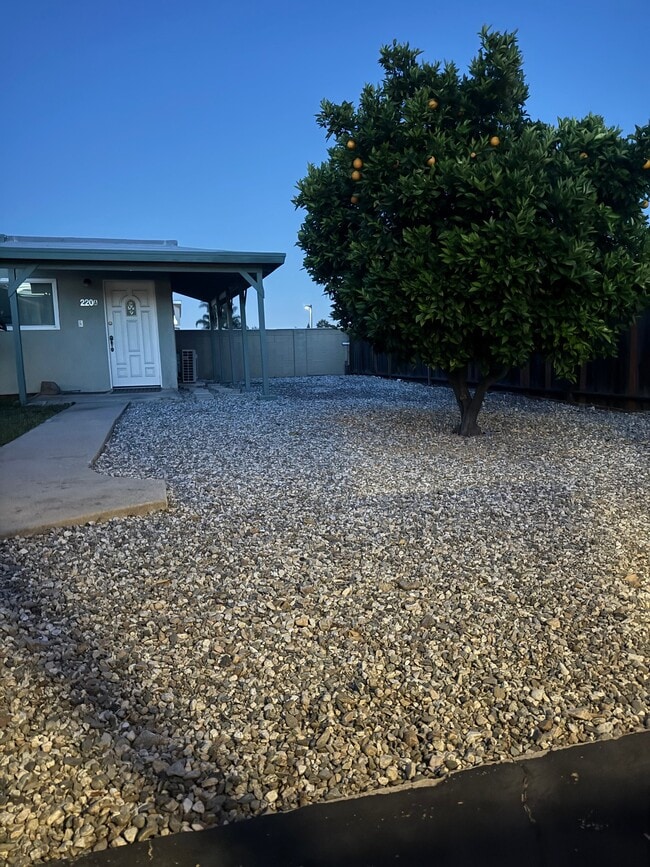
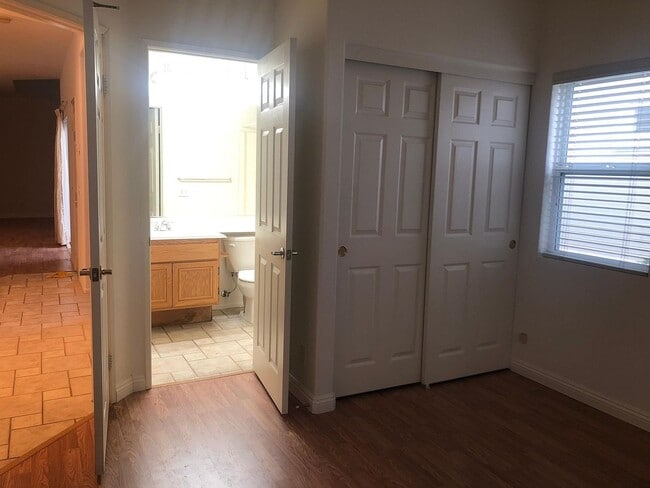
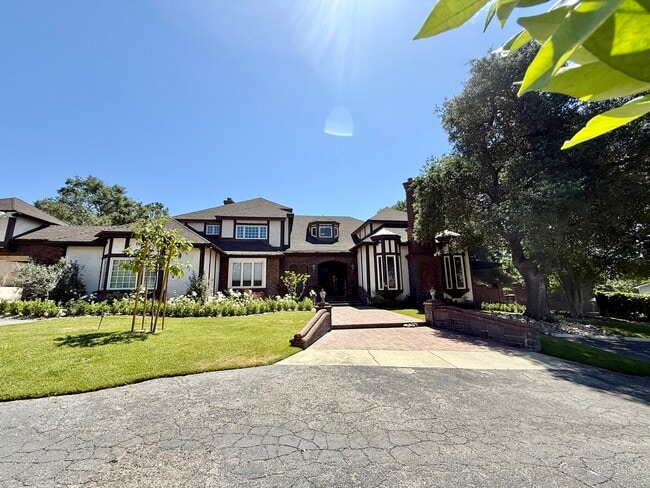
The housing stock here tells a long story — Queen Annes, craftsman bungalows, ranch-style homes, and mid-rise apartment communities all coexist across the city's 20 square miles. Renters can find everything from garden-style apartment communities near the Village to more spacious options closer to the foothills. The Angeles National Forest borders the city to the north, making outdoor access a genuine part of everyday life rather than a weekend road trip.
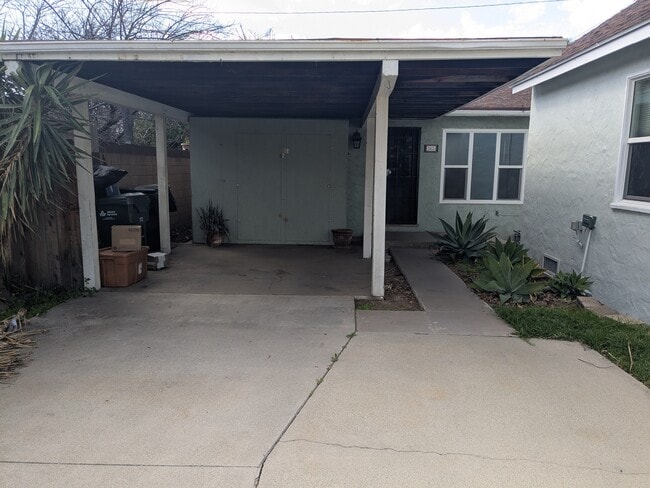
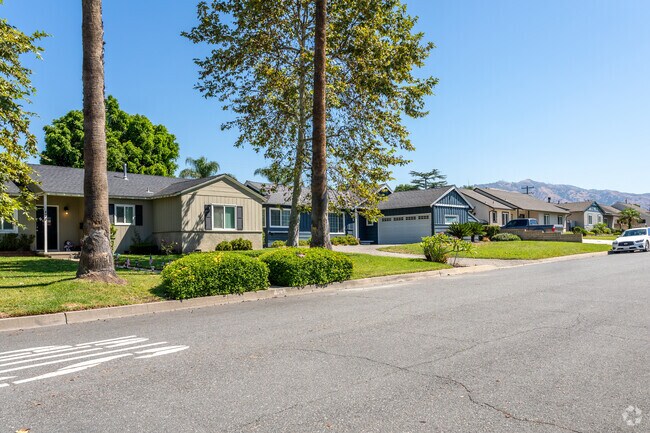
There is a mix of single-family homes, condos and townhouses in Glendora.
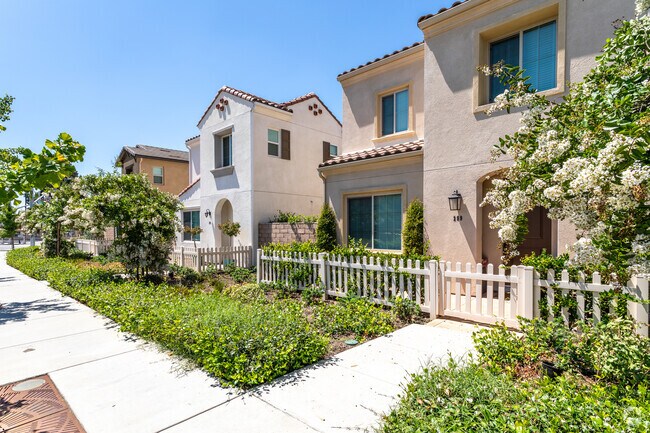
Newly Spanish-style townhomes can be found though out Glendora
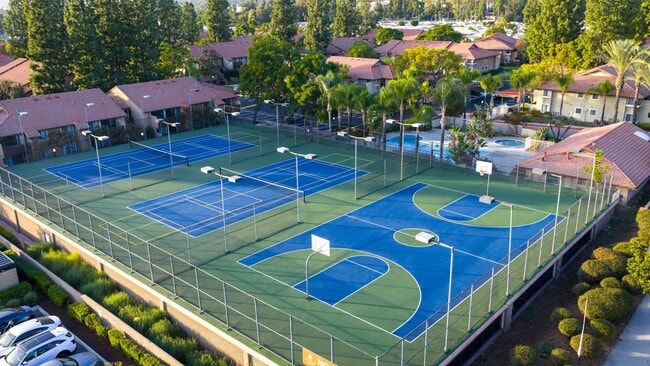
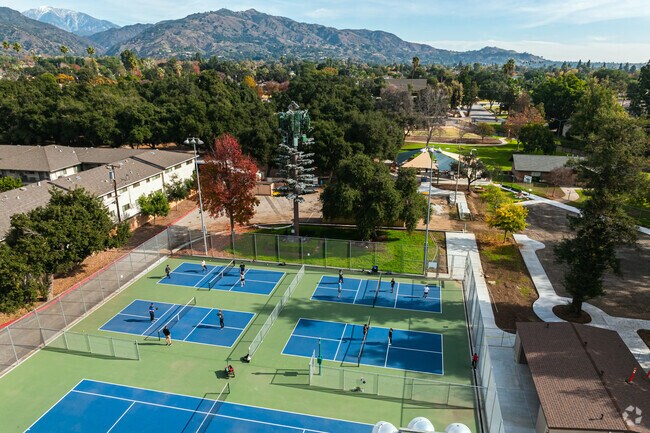
Finkbiner Park hosts baseball games, football games and is a popular park in the area.
Median Household Income
$107,201
Average: $131,911
Education
16,154
Residents Have a Degree
Job Market
25,284
Workers Employed
Median Age
43 Years
Largest Age Group
55-64 Years
Approximately 14% of Residents
Under 20
22%
Over 65
20%
Housing Distribution
Glendora has more homeowners than renters.

Education Distribution
Review this city's overall education levels.

As of July 2026, the average apartment rent in Glendora, CA is $1,827 for a studio, $2,046 for one bedroom, $2,343 for two bedrooms, and $2,750 for three bedrooms. Apartment rent in Glendora has increased by 2.8% in the past year.
Explore how walkable, bikeable, drivable, and transit-friendly Glendora, CA is for everyday living.
Somewhat Walkable
Walkability
Minimal Public Transit
Transit
Very Drivable
Drivability
Fairly Bikeable
Bikeability

Public
Grades K-5
613 Students

Public
Grades K-5
613 Students
Public
Grades K-5
569 Students

Public
Grades K-5
421 Students
Public
Grades K-5
421 Students
Public
Grades 6-8
728 Students
Public
Grades 6-8
728 Students
Public
Grades 6-8
695 Students

Public
Grades 6-8
695 Students
Public
Grades 9-12
2,069 Students
Public
Grades 9-12
2,069 Students
Public
Grades 9-12
104 Students

Arrow High (Continuation) School
Public
Grades 9-12
71 Students
Public
Grades 9-12

 The GreatSchools Rating helps parents compare schools within a state based on a variety of school quality indicators and provides a helpful picture of how effectively each school serves all of its students. Ratings are on a scale of 1 (below average) to 10 (above average) and can include test scores, college readiness, academic progress, advanced courses, equity, discipline and attendance data. We also advise parents to visit schools, consider other information on school performance and programs, and consider family needs as part of the school selection process.
View GreatSchools Rating Methodology
Data provided by
GreatSchools.org
© 2026. All rights reserved.
The GreatSchools Rating helps parents compare schools within a state based on a variety of school quality indicators and provides a helpful picture of how effectively each school serves all of its students. Ratings are on a scale of 1 (below average) to 10 (above average) and can include test scores, college readiness, academic progress, advanced courses, equity, discipline and attendance data. We also advise parents to visit schools, consider other information on school performance and programs, and consider family needs as part of the school selection process.
View GreatSchools Rating Methodology
Data provided by
GreatSchools.org
© 2026. All rights reserved.
† Our analysis of utilities, groceries, transportation, healthcare, home prices, and other goods and services is sourced from the Cost of Living Index, a respected benchmark published by the Council for Community and Economic Research (C2ER) that provides a thorough overview of living expenses across different regions.
Rent data is provided by CoStar Group’s Market Trend reports. As the industry leader in commercial real estate information, analytics, and news, CoStar conducts extensive research to produce and maintain a comprehensive database of commercial real estate information. We combine this data with public record to provide the most up-to-date rental information available.
Consumer goods, services, and home prices are sourced from the Cost of Living Index published by the Council for Community and Economic Research (C2ER). The data on this page is updated quarterly. It was last published in June 2026.
Demographic information comes from Neustar and combines detailed address data with U.S. Census and American Community Survey statistics to produce reliable local estimates.