7 Best Places to Live in Connecticut
Open to exploring your options? Discover other great cities in Connecticut with our detailed guide.




Overlooking Long Island Sound, Fairfield is a historic community on the west side of Bridgeport. Most of the city’s landscape is covered by cozy residential neighborhoods and lush public parks, with a thriving commercial district along Black Rock Turnpike near the center of town. The charming Downtown area is full of red brick storefronts and tree-shaded sidewalks, forming a popular walkable hangout for locals.
Just north of Downtown, Fairfield University enrolls about 5,000 students and employs hundreds of locals as faculty and staff members. Boasting a terrific public school system and a low crime rate, Fairfield is a particularly desirable option for folks raising families.
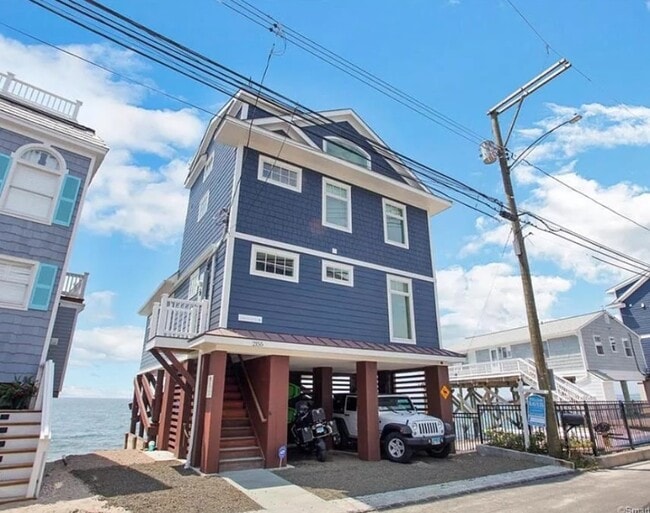
Families enjoy going to the beaches in Fairfield on a sunny day.
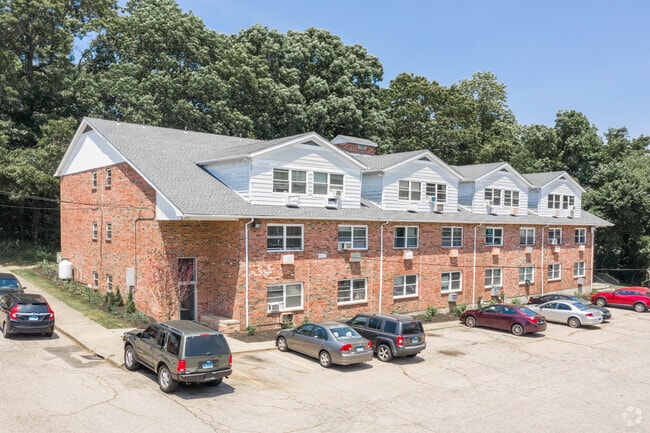
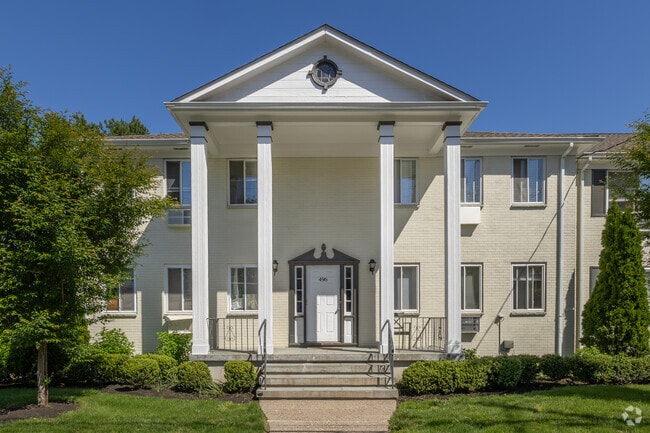
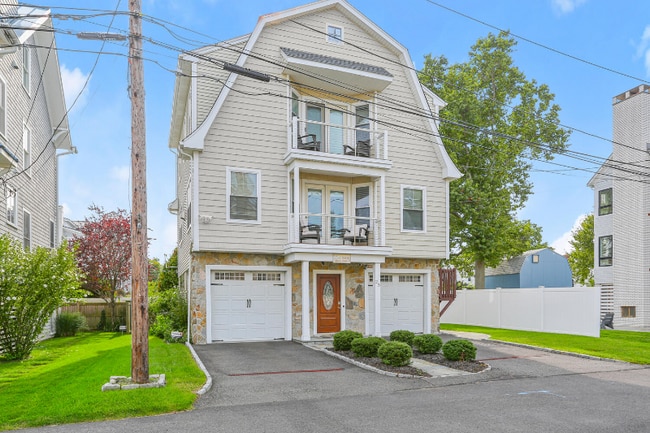
The neighborhood of Fairfield is full of Cape Cod and Traditional style homes.
Fairfield offers quiet side streets with scenic walkways throughout the neighborhood.
Residents of Fairfield can visit neighboring towns and cities via Fairfield Station.
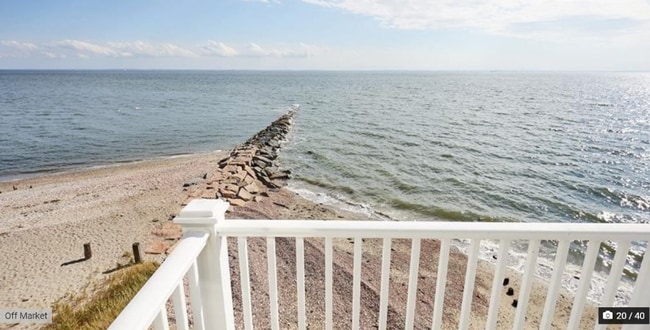
Residents enjoy going for a swim at one of the many beaches in Fairfield.
16 Hands Frozen Yogurt is a community staple of downtown Fairfield.
As of March 2026, the average apartment rent in Fairfield, CT is $1,977 for a studio, $3,021 for one bedroom, $3,638 for two bedrooms, and $5,509 for three bedrooms. Apartment rent in Fairfield has increased by 1.8% in the past year.
Open to exploring your options? Discover other great cities in Connecticut with our detailed guide.
Explore how walkable, bikeable, drivable, and transit-friendly Fairfield, CT is for everyday living.
Very Walkable
If you enjoy walking, you’ll enjoy renting in this area! It’s a very walkable neighborhood.
Minimal Transit
You'll likely want a car when living in this area since it has few transit options.
Somewhat Bikeable
You might be able to find places to ride your bike in this area, but you’ll most likely want your car for most errands.
Public
Grades K-5

Public
Grades K-5
Public
Grades K-5
Public
Grades K-5
Public
Grades K-5

Public
Grades 6-8
Public
Grades 6-8

Public
Grades 6-8
Public
Grades 9-12
Public
Grades 9-12
 The GreatSchools Rating helps parents compare schools within a state based on a variety of school quality indicators and provides a helpful picture of how effectively each school serves all of its students. Ratings are on a scale of 1 (below average) to 10 (above average) and can include test scores, college readiness, academic progress, advanced courses, equity, discipline and attendance data. We also advise parents to visit schools, consider other information on school performance and programs, and consider family needs as part of the school selection process.
View GreatSchools Rating Methodology
Data provided by
GreatSchools.org
© 2026. All rights reserved.
The GreatSchools Rating helps parents compare schools within a state based on a variety of school quality indicators and provides a helpful picture of how effectively each school serves all of its students. Ratings are on a scale of 1 (below average) to 10 (above average) and can include test scores, college readiness, academic progress, advanced courses, equity, discipline and attendance data. We also advise parents to visit schools, consider other information on school performance and programs, and consider family needs as part of the school selection process.
View GreatSchools Rating Methodology
Data provided by
GreatSchools.org
© 2026. All rights reserved.

39
Communities
5,475
Units
26
Cities

29
Communities
6,981
Units
25
Cities

25
Communities
2,131
Units
18
Cities

457
Communities
108,184
Units
229
Cities

390
Communities
119,597
Units
158
Cities

35
Communities
5,410
Units
27
Cities
† Our analysis of utilities, groceries, transportation, healthcare, home prices, and other goods and services is sourced from the Cost of Living Index, a respected benchmark published by the Council for Community and Economic Research (C2ER) that provides a thorough overview of living expenses across different regions.
Rent data is provided by CoStar Group’s Market Trend reports. As the industry leader in commercial real estate information, analytics, and news, CoStar conducts extensive research to produce and maintain a comprehensive database of commercial real estate information. We combine this data with public record to provide the most up-to-date rental information available.
Consumer goods, services, and home prices are sourced from the Cost of Living Index published by the Council for Community and Economic Research (C2ER). The data on this page is updated quarterly. It was last published in February 2026.