Median Age
36 Years
Largest Age Group
25-34 Years
Approximately 16% of Residents
Under 20
26%
Over 65
16%





Avg Rent
$1,003
Population
154,208
Renter Mix
56% Rent
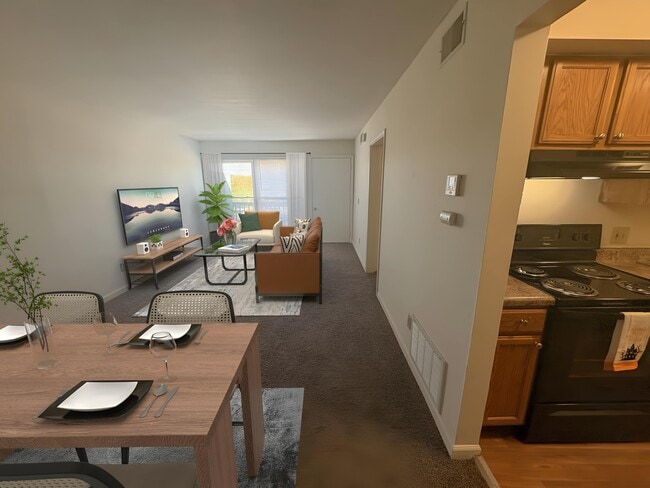
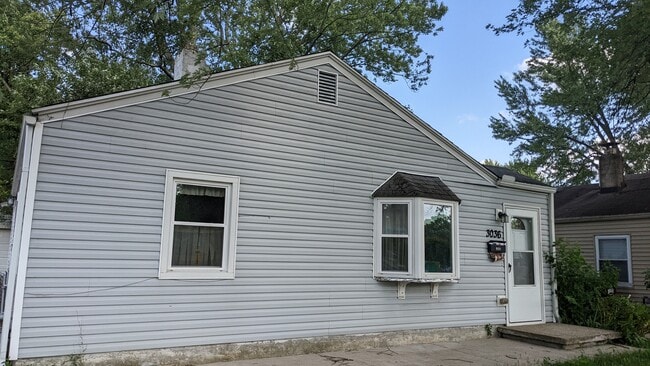
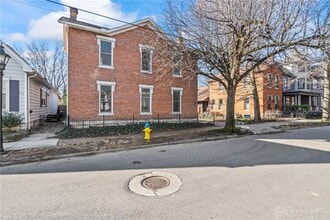
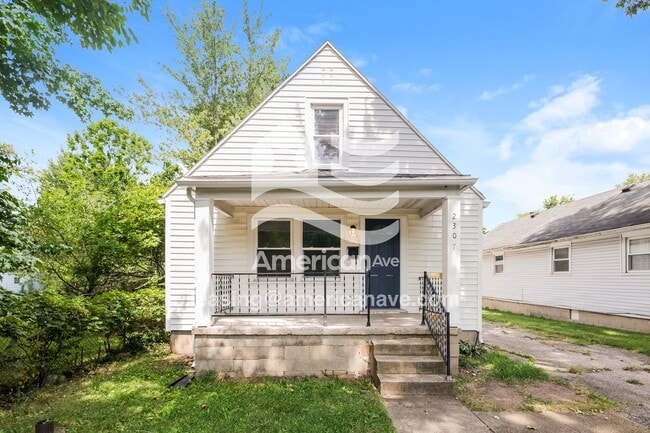
Dayton sits in Ohio's Miami Valley region where the Great Miami River runs through a city built on genuine invention — Orville and Wilbur Wright called it home, and that spirit of ingenuity still shapes the place today. Wright-Patterson Air Force Base anchors a strong aerospace and defense economy, while the University of Dayton and Wright State University give the city a steady pulse of academic energy. Healthcare is another major pillar, with regional health systems providing some of the area's largest employment. Downtown and Webster Station draw renters to lofts and mid-rise apartment communities steps from Day Air Ballpark and RiverScape MetroPark, while the Oregon District offers historic streets full of character. St. Anne's Hill and South Park are known for restored Victorian architecture and a quieter residential feel. Across these neighborhoods, renters will find a broad range of options — from sleek high-rise apartments to brick cottages and renovated flats inside century-old buildings. Dayton consistently ranks among Ohio's most accessible rental markets, making it a smart choice for those who want city amenities without the outsized price tag found in larger metros.
A water tower stands over Downtown Dayton.
The University of Dayton is a major institution in Dayton.
An aerial view of the residential Edgewood neighborhood.
Median Household Income
$38,443
Average: $53,573
Education
28,156
Residents Have a Degree
Job Market
65,308
Workers Employed
Median Age
36 Years
Largest Age Group
25-34 Years
Approximately 16% of Residents
Under 20
26%
Over 65
16%
Housing Distribution
Dayton has more renters than homeowners.

Education Distribution
Review this city's overall education levels.

As of September 2026, the average apartment rent in Dayton, OH is $854 for a studio, $1,001 for one bedroom, $1,326 for two bedrooms, and $1,559 for three bedrooms. Apartment rent in Dayton has increased by 0.8% in the past year.
The cost of living in Dayton, OH is 3.2% lower than the national average. Generally, housing in Dayton is 15.0% less expensive than the national average, with rent falling between $854 - $1,559. You can expect to pay 0.2% less for groceries, 6.0% more for utilities, and 1.9% less for transportation.
Compare Cities
Explore how walkable, bikeable, drivable, and transit-friendly Dayton, OH is for everyday living.
Fairly Walkable
Walkability
Limited Public Transit
Transit
Exceptionally Drivable
Drivability
Fairly Bikeable
Bikeability

Public
Grades K-5
497 Students

Public
Grades PK-5
494 Students
Public
Grades K-5
401 Students
Dr John Hole Elementary School
Public
Grades K-5
379 Students
Public
Grades K-5
269 Students
Public
Grades 6-8
318 Students

Public
Grades 6-8
780 Students
Public
Grades 6-12
820 Students

Public
Grades K-8
365 Students
Public
Grades K-8
819 Students

Public
Grades 9-12
623 Students

Dayton Early College Academy Inc
Public
Grades 9-12
319 Students
Public
Grades 6-12
820 Students
Public
Grades 6-12
111 Students
Dayton Athletic Vocational Academy
Public
Grades 9-12
87 Students
 The GreatSchools Rating helps parents compare schools within a state based on a variety of school quality indicators and provides a helpful picture of how effectively each school serves all of its students. Ratings are on a scale of 1 (below average) to 10 (above average) and can include test scores, college readiness, academic progress, advanced courses, equity, discipline and attendance data. We also advise parents to visit schools, consider other information on school performance and programs, and consider family needs as part of the school selection process.
View GreatSchools Rating Methodology
Data provided by
GreatSchools.org
© 2026. All rights reserved.
The GreatSchools Rating helps parents compare schools within a state based on a variety of school quality indicators and provides a helpful picture of how effectively each school serves all of its students. Ratings are on a scale of 1 (below average) to 10 (above average) and can include test scores, college readiness, academic progress, advanced courses, equity, discipline and attendance data. We also advise parents to visit schools, consider other information on school performance and programs, and consider family needs as part of the school selection process.
View GreatSchools Rating Methodology
Data provided by
GreatSchools.org
© 2026. All rights reserved.
† Our analysis of utilities, groceries, transportation, healthcare, home prices, and other goods and services is sourced from the Cost of Living Index, a respected benchmark published by the Council for Community and Economic Research (C2ER) that provides a thorough overview of living expenses across different regions.
Rent data is provided by CoStar Group’s Market Trend reports. As the industry leader in commercial real estate information, analytics, and news, CoStar conducts extensive research to produce and maintain a comprehensive database of commercial real estate information. We combine this data with public record to provide the most up-to-date rental information available.
Consumer goods, services, and home prices are sourced from the Cost of Living Index published by the Council for Community and Economic Research (C2ER). The data on this page is updated quarterly. It was last published in September 2026.
Demographic information comes from Neustar and combines detailed address data with U.S. Census and American Community Survey statistics to produce reliable local estimates.