BEAM
1029 S Jackson St,
Seattle, WA 98104
$1,398 - $2,702 Total Monthly Price
Studio - 2 Beds
Area Guide
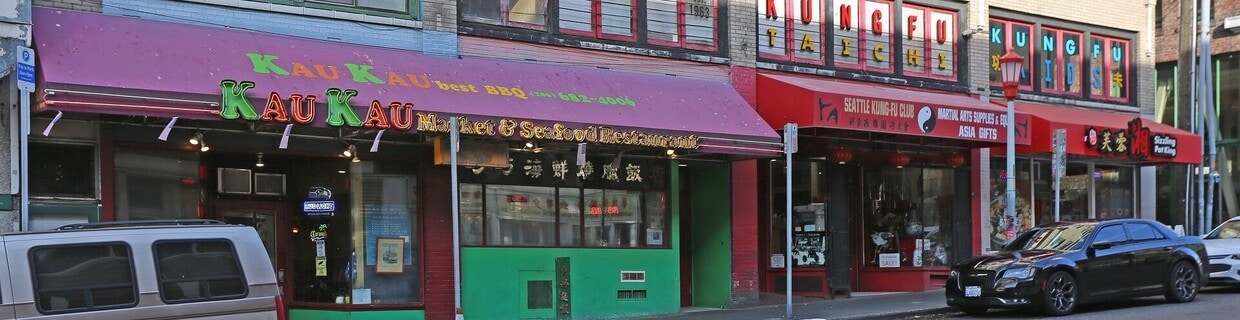
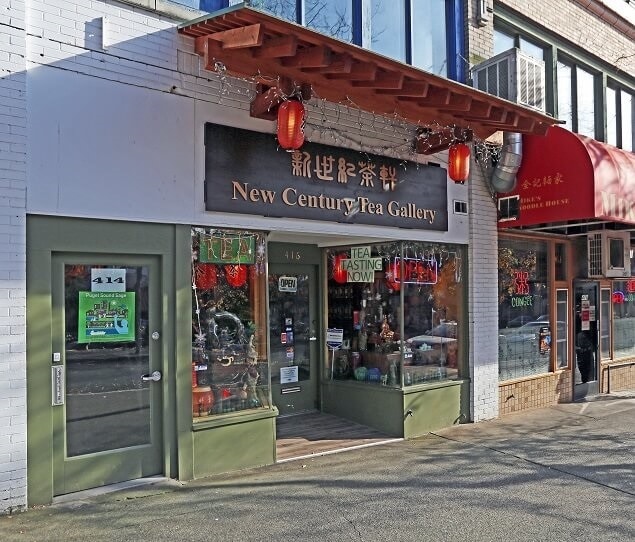
Chinatown, which is located on the southeast side of downtown, is part of the International District, along with Japantown and Little Saigon. It is one of Seattle’s eight historic neighborhoods, dating back to the mid-1800s. This popular community is home to some beloved locations, including Seattle’s first Chinese restaurant, Tai Tung, which opened in 1935. Other great locations include the New Century Tea Gallery, the historic Panama Hotel, and the Wing Luke Museum.
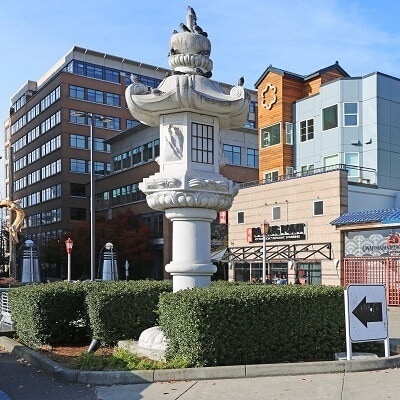
The photo-worthy Chinatown Gate, listed on the National Register of Historic Places, welcomes visitors to Chinatown. Rich with culture and community, Chinatown hosts a variety of events, including the Dragon Fest and the Lunar New Year Festival. Residents gather at the popular Hing Hay Park, which features an elegant pavilion and gate. The park hosts the popular night market, an open-air bazaar, every fall.
With its walkability, extensive transit system, and overall ambiance, living in Chinatown provides an active, fun-filled lifestyle just a short walk from downtown.
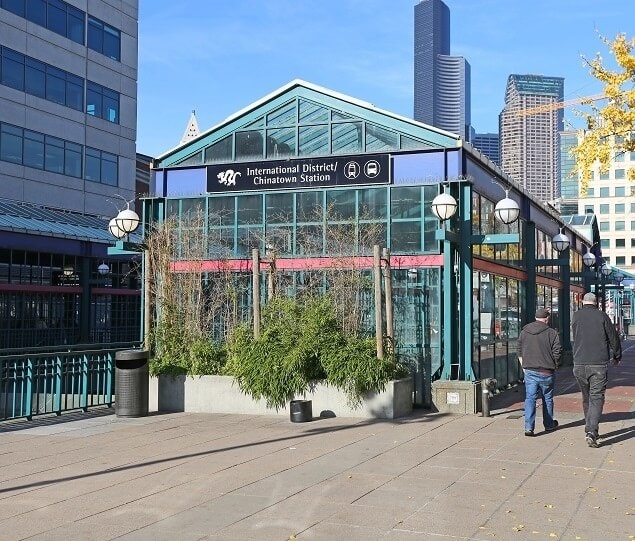
The International District/Chinatown Station is part of the Downtown Seattle Transit Tunnel
The New Century Tea Gallery is a local favorite, a family-owned business that opened in 1999
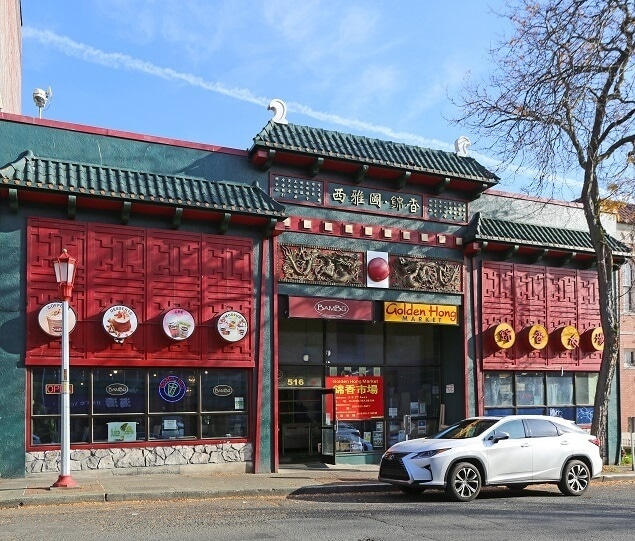
The Golden Hong Market is just one of the many great destinations in Chinatown
An unmistakable landmark, the Historic Chinatown Gate straddles South King Street
Play a game of chess at Hing Hay Park
The red gateway is made of perforated metal and was added to the park in 2018
As of September 2026, the average apartment rent in Chinatown is $1,165 for a studio, $1,723 for one bedroom, $2,727 for two bedrooms, and $2,297 for three bedrooms. Apartment rent in Chinatown has decreased by -1.8% in the past year.
Studio
356 sq ft
Average Sq Ft
$1,165/month
Average Rent
1 BR
566 sq ft
Average Sq Ft
$1,723/month
Average Rent
2 BR
913 sq ft
Average Sq Ft
$2,727/month
Average Rent
3 BR
1,146 sq ft
Average Sq Ft
$2,297/month
Average Rent
Explore how walkable, bikeable, drivable, and transit-friendly Chinatown - Seattle, WA is for everyday living.
Moderately Walkable
Walkability
Exceptional Public Transit
Transit
Exceptionally Drivable
Drivability
In Chinatown - Seattle, WA, daily errands are quick and hassle-free.
Supermarket Within a 5 Minute Walk
Groceries
Exceptional Restaurant Variety Nearby
Restaurants
Exceptional Café Variety Nearby
Cafes
Exceptional Variety of Shops Nearby
Shopping
Chinatown - Seattle, WA provides ample green space and fitness centers within easy reach.
Very Large Amount of Park Space Nearby
Parks
Good Wellness Amenity Variety Nearby
Wellness
Get a sense of what it’s like to live in Chinatown - Seattle, WA from everyday activity to noise and nightlife.
Highly Vibrant Atmosphere
Vibrancy
Exceptional Nightlife Variety Nearby
Nightlife

† Our analysis of utilities, groceries, transportation, healthcare, home prices, and other goods and services is sourced from the Cost of Living Index, a respected benchmark published by the Council for Community and Economic Research (C2ER) that provides a thorough overview of living expenses across different regions.
Rent data is provided by CoStar Group’s Market Trend reports. As the industry leader in commercial real estate information, analytics, and news, CoStar conducts extensive research to produce and maintain a comprehensive database of commercial real estate information. We combine this data with public record to provide the most up-to-date rental information available.
Consumer goods, services, and home prices are sourced from the Cost of Living Index published by the Council for Community and Economic Research (C2ER). The data on this page is updated quarterly. It was last published in September 2026.
Demographic information comes from Neustar and combines detailed address data with U.S. Census and American Community Survey statistics to produce reliable local estimates.