Canoga Park

Canoga Park, CA Area Guide

Avg Rent

$1,874

Population

151,682

Renter Mix

50% Rent

Families favor the schools and shopping options in Canoga Park

Shopping Good Schools Parks Diverse

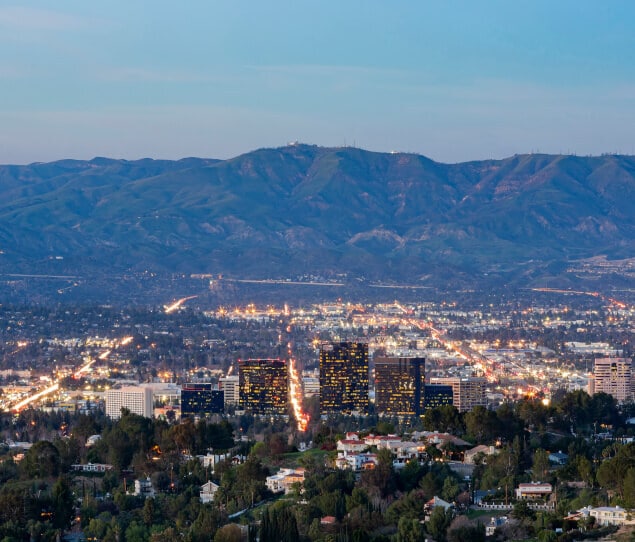
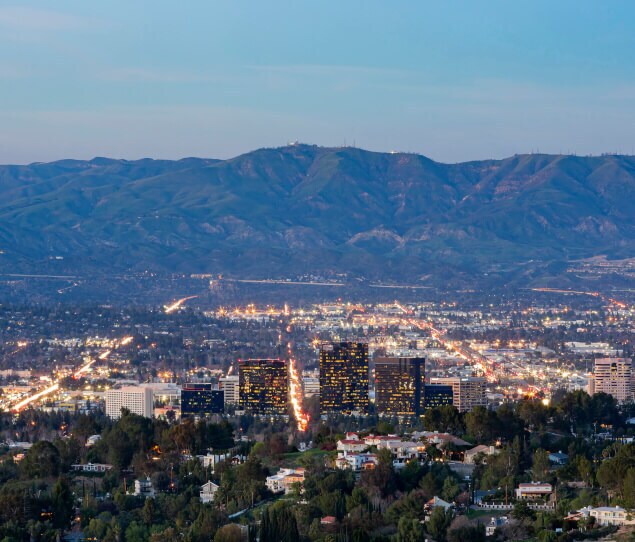
Canoga Park sits at the western edge of the San Fernando Valley, where the Santa Monica Mountains frame the skyline and the pace of life feels distinctly less rushed than in central Los Angeles. Originally founded in 1912 as a planned town called Owensmouth, the neighborhood was annexed by the city of Los Angeles in 1917 and took its current name in 1931. That history gives the area a grounded, established character that newer developments rarely replicate.

The neighborhood draws renters looking for more square footage and a quieter setting without fully stepping away from the city. Warner Center, just to the west, anchors the local economy with offices, retail, and one of the Valley's busiest commercial corridors. Nearby West Hills and Woodland Hills offer additional dining and shopping options within a short drive. Pierce College, a well-regarded two-year institution, sits just north of the neighborhood and contributes an educational presence to the area.

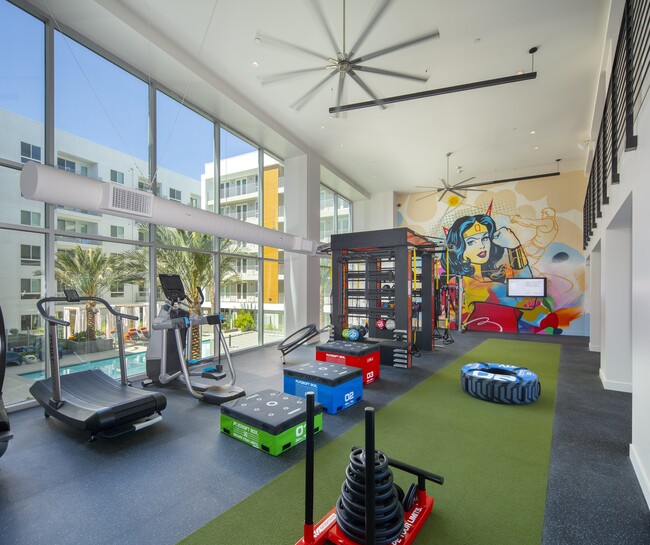
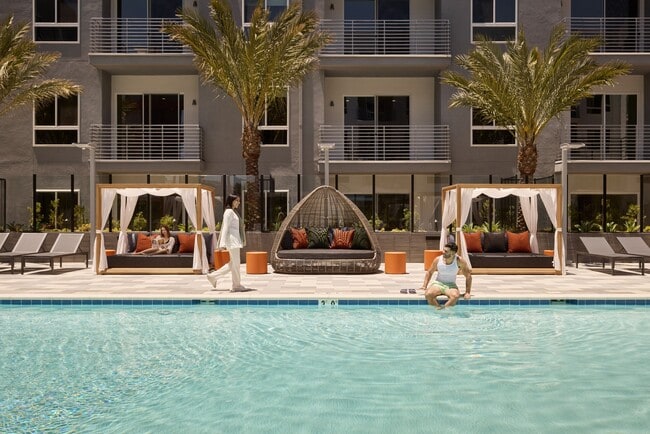
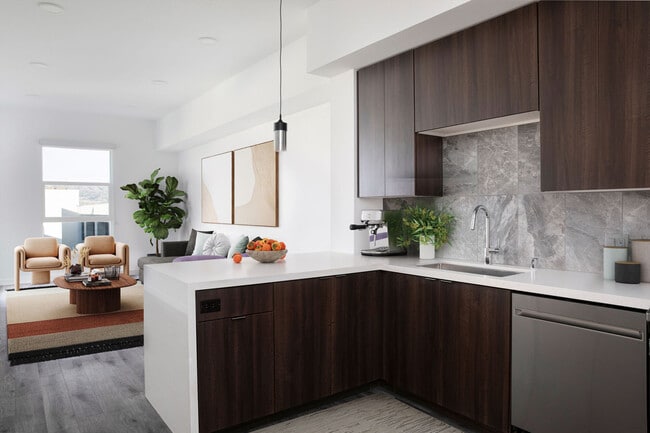
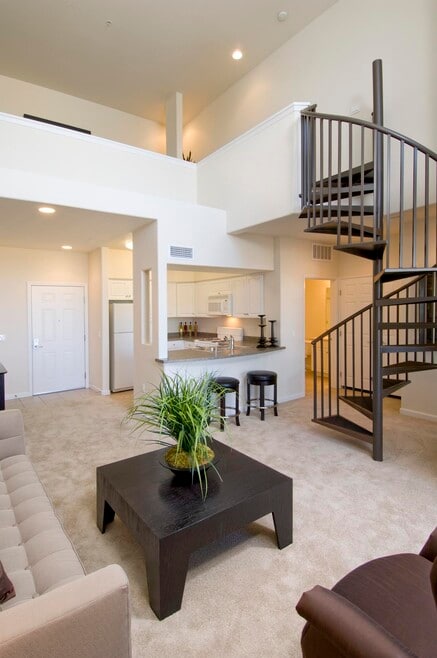
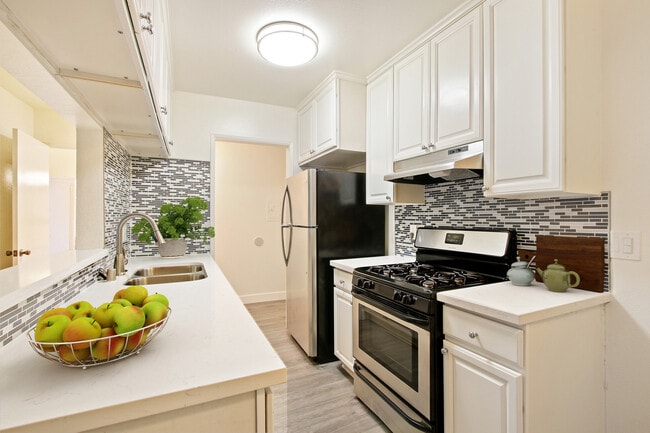
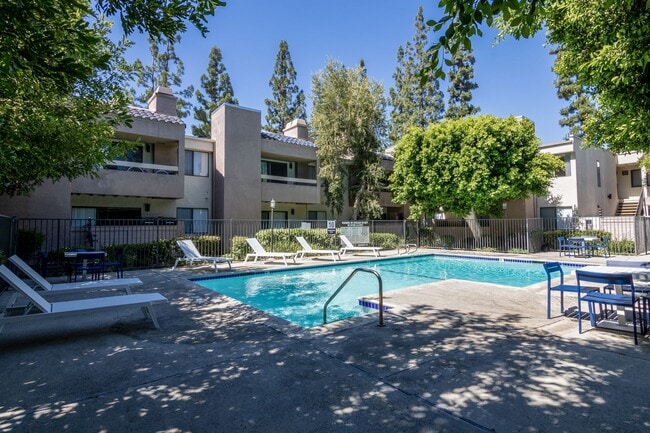
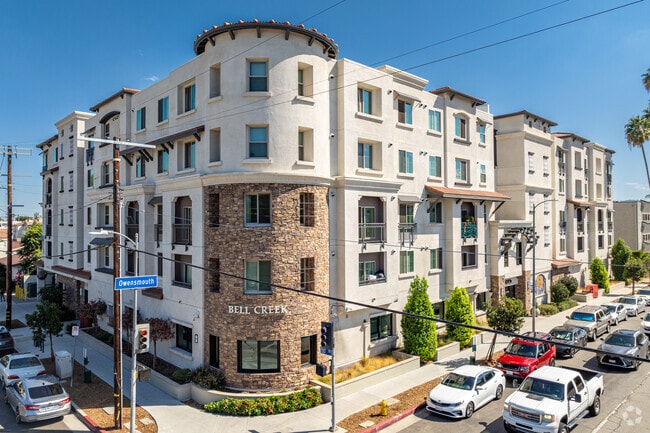
The rental landscape in Canoga Park ranges from garden-style apartment communities and duplexes to newer mid-rise buildings near Warner Center. The mix gives renters meaningful choices across different building types and settings, from tree-lined residential streets to more walkable blocks close to Topanga Canyon Boulevard.

Explore the City

Demographics

Median Household Income

$84,842

Average: $111,856

Education

45,260

Residents Have a Degree

Job Market

80,618

Workers Employed

Age Distribution
Get a sense of this area's population profile.

Median Age

40 Years

Largest Age Group

30-39 Years

Approximately 14% of Residents

Under 20

23%

Over 65

17%

Housing Distribution

In Canoga Park, there are roughly the same number of renters and homeowners.

Renters
50%
Non-Renters
50%

Education Distribution

Review this city's overall education levels.

Bachelor's or Higher
24%
Other Education
76%

Rent Trends

As of April 2026, the average apartment rent in Canoga Park, CA is $1,541 for a studio, $1,883 for one bedroom, $2,394 for two bedrooms, and $3,132 for three bedrooms. Apartment rent in Canoga Park has decreased by -1.1% in the past year.

Property Type
Average Rent
Average Sq Ft
Apartment
$1,883/month
639 Sq Ft
House
$5,848/month
1,726 Sq Ft
Condo
$2,525/month
880 Sq Ft
Townhome
$4,135/month
1,684 Sq Ft
See Rental Market Trends in Canoga Park, CA

Getting Around

Somewhat Walkable

Walkability

30 / 100

Minimal Public Transit

Transit

10 / 100

Exceptionally Drivable

Drivability

90 / 100

Moderately Bikeable

Bikeability

70 / 100

Points of Interest

Parks and Recreation

  • Orcutt Ranch Horticultural Center
  • Sage Ranch
  • Upper Las Virgenes Canyon Open Space Preserve
  • NatureBridge at Channel Islands
  • NatureBridge at Santa Monica Mountains

Airports

  • Bob Hope
  • Los Angeles International

Top Apartments in Canoga Park

Houses for Rent in Canoga Park

Property Management Companies in Canoga Park, CA

Living in Canoga Park

History

-

Canoga Park began as Owensmouth in 1912, a planned agricultural town that grew wheat, sugar beets, and other crops before joining Los Angeles in 1917. The neighborhood was renamed Canoga Park in 1931, borrowing its identity from a town in upstate New York. That early 20th-century foundation still shows in the grid of residential streets and the grounded character that distinguishes this corner of the San Fernando Valley from newer developments farther west.

The Canoga-Owensmouth Museum works to identify and preserve objects and landmarks tied to the area's original incarnation, offering a window into the agricultural past that preceded the suburban build-out of the 1950s and 1960s. Pierce College, established in the late 1940s, marks the shift from farmland to education and aerospace industry. The annual Canoga Park Artwalk, held on the third Thursday of June, July, and August, celebrates local creativity and connects present-day residents to the neighborhood's artistic legacy.

Restaurants

-

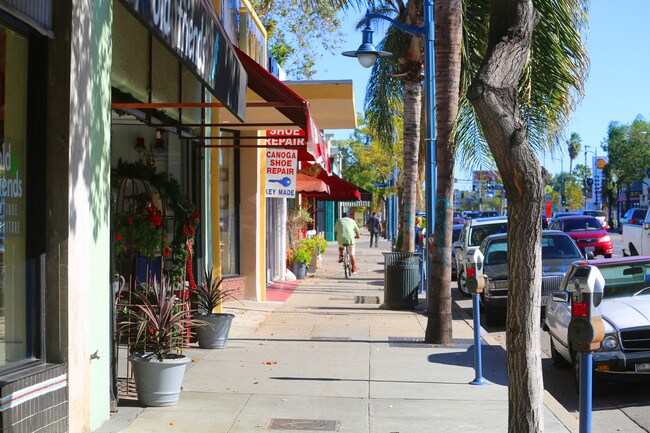
Canoga Park's dining scene reflects the broader diversity of the San Fernando Valley, with a strong presence of Mexican and Latin American cooking woven through the neighborhood. Sherman Way serves as the central corridor for restaurants, where taquerias, bakeries, and casual eateries sit alongside cafes and delis. Japanese cuisine also has a foothold here, with the neighborhood home to Go's Mart, a long-standing sushi destination known for its meticulous preparation and premium ingredients. On Saturdays, the Canoga Park Farmers Market draws locals with fresh produce, prepared foods, artisan cheeses, and juices from regional vendors. Westfield Topanga, at the neighborhood's southern edge, adds a broader range of sit-down dining options for residents wanting variety close to home.

Transportation

-

Canoga Park sits in the western San Fernando Valley, where most residents rely on a car to get around. The US-101 (Ventura Freeway) runs along the southern edge of the neighborhood, connecting commuters to Hollywood, Downtown Los Angeles, and points beyond, while State Route 27 (Topanga Canyon Boulevard) serves as a north-south spine through the area. For those who prefer public transit, the Metro Orange Line rapid bus connects Canoga Park to the broader Valley corridor and links to the Red Line subway at North Hollywood for access to central Los Angeles. More than ten local bus routes also serve the neighborhood. Biking is a realistic option for shorter trips, with designated bike lanes available on select streets, and ride-share services fill the gaps for those without a vehicle. Bob Hope Burbank Airport and Los Angeles International Airport are both within reasonable driving distance for regional and national travel.

Parks

-

Canoga Park residents have several accessible green spaces nearby for outdoor recreation. Lanark Recreation Center, formerly known as Orcutt Park, serves as the neighborhood's flagship park and offers a lit baseball diamond, outdoor basketball and tennis courts, a seasonal pool, a children's playground, picnic tables, and an auditorium for community events. The park also runs programs for residents of all ages, from youth activities to senior services. For those seeking wilder terrain, the Santa Monica Mountains and the trails of Topanga State Park lie within a short drive to the south, providing hiking and open space within one of the largest urban natural parks in the country.

Cost

-

Canoga Park sits within the broader Los Angeles market, where the overall cost of living runs more than 52 percent above the national average, driven largely by housing costs that exceed the national benchmark by more than 135 percent. Within that context, Canoga Park offers relatively more accessible price points compared to many other Los Angeles neighborhoods. Average rent for a one-bedroom apartment is around $1,883 per month, while studios average $1,539. Two-bedroom units average $2,397, and three-bedrooms reach approximately $3,131. The median household income in the area is around $84,842, and the neighborhood's housing mix includes both apartment buildings and single-family rentals across its roughly 20 square miles.

Shopping

-

Canoga Park's most prominent retail destination is Westfield Topanga, one of the largest shopping malls on the West Coast. With two floors and nearly 280 tenants, the mall covers a broad range of categories, from clothing and accessories to home goods, and anchors much of the neighborhood's retail activity. Surrounding the mall, residents will also find major retailers and grocery options including Target and Costco within easy reach. On Saturdays, the Canoga Park Farmer's Market draws locals with fresh produce from regional growers alongside prepared foods, cheeses, juices, handmade crafts, and live music, giving the area a community-centered counterpart to its large-scale mall shopping.

Search Nearby Rentals

Methodology

† Our analysis of utilities, groceries, transportation, healthcare, home prices, and other goods and services is sourced from the Cost of Living Index, a respected benchmark published by the Council for Community and Economic Research (C2ER) that provides a thorough overview of living expenses across different regions.

Rent data is provided by CoStar Group’s Market Trend reports. As the industry leader in commercial real estate information, analytics, and news, CoStar conducts extensive research to produce and maintain a comprehensive database of commercial real estate information. We combine this data with public record to provide the most up-to-date rental information available.

Consumer goods, services, and home prices are sourced from the Cost of Living Index published by the Council for Community and Economic Research (C2ER). The data on this page is updated quarterly. It was last published in February 2026.

Demographic information comes from Neustar and combines detailed address data with U.S. Census and American Community Survey statistics to produce reliable local estimates.