Median Age
52 Years
Largest Age Group
70-79 Years
Approximately 16% of Residents
Under 20
18%
Over 65
34%



Avg Rent
$1,275
Population
44,555
Renter Mix
23% Rent
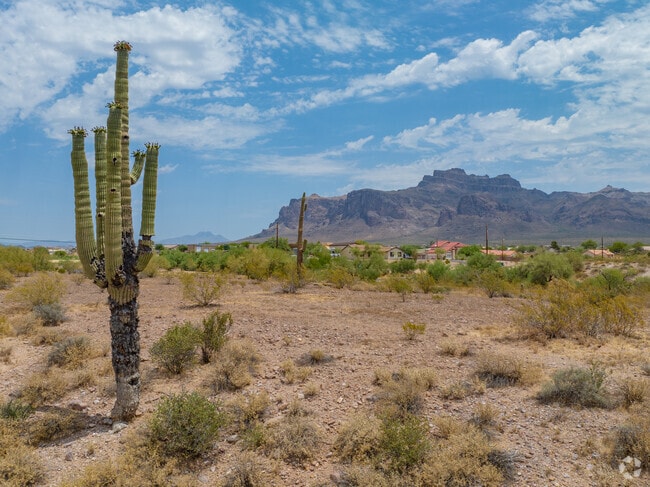
Sitting at the base of the Superstition Mountains about 35 miles east of Downtown Phoenix, Apache Junction carries a distinctly Western identity that sets it apart from the sprawling suburbs closer to the city core. The area's roots trace back to the legend of Jacob Waltz, a prospector who claimed to have discovered a hidden gold mine in the Superstition Mountains in the late 1800s — a story that still draws curiosity seekers and shapes the city's character today. Apache Junction spans roughly 46 square miles and maintains a small-town pace that feels a world away from the metro bustle, even while remaining connected via the Superstition Freeway.
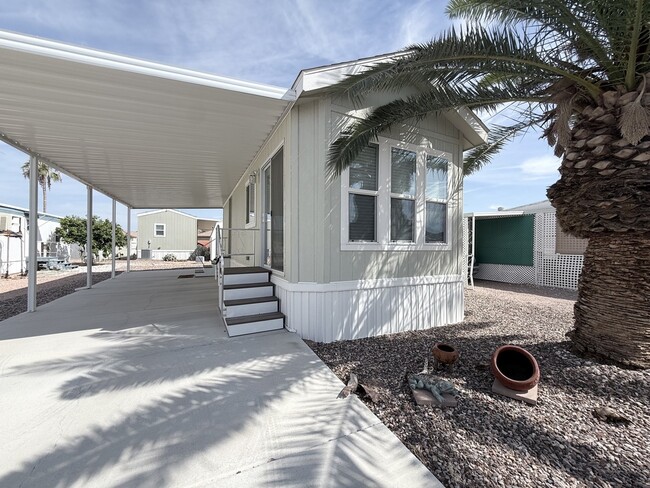
The rental landscape here leans toward single-story apartment communities, manufactured home parks, and townhome-style units, giving renters more space and a quieter setting than denser urban areas. Outdoor access is a major draw, with Lost Dutchman State Park practically in the backyard and the old Apache Trail winding through canyon country to the northeast. The city does not have an extensive transit network, so having a vehicle is practical for daily life. For renters who want desert surroundings, a lower cost of living compared to central Phoenix, and a genuine sense of place, Apache Junction delivers on all three.
Goldfield Ghost Town attracts visitors from around the world.
Many travelers enjoy visiting the Lost Dutchman Museum by Superstition Mountain.
Learn about legendary prospectors and lost treasures at the Lost Dutchman Museum.
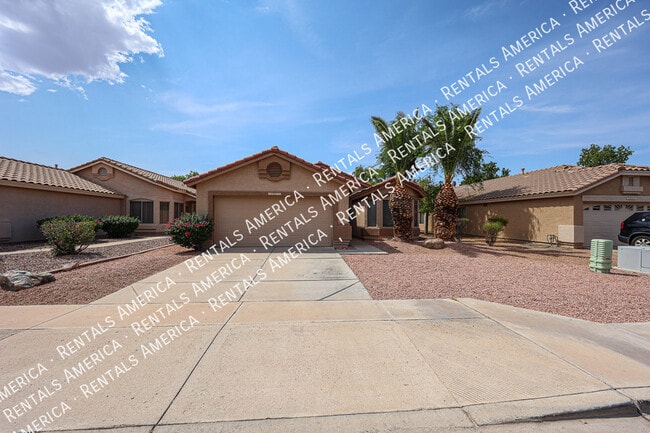
Southwestern style home in Apache Junction.
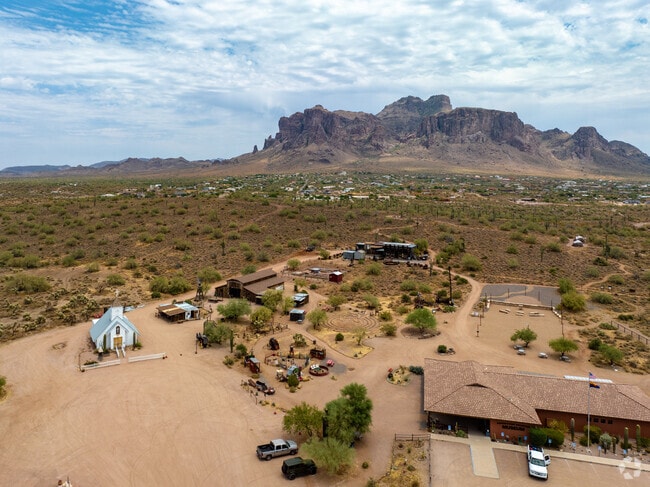
Feel the nostalgia and reverence at the historic Elvis Chapel in Apache Junction.
Apache Junction has tons of locations for campers to enjoy the views of Superstition Mountain.
Median Household Income
$52,798
Average: $66,579
Education
7,519
Residents Have a Degree
Job Market
16,853
Workers Employed
Median Age
52 Years
Largest Age Group
70-79 Years
Approximately 16% of Residents
Under 20
18%
Over 65
34%
Housing Distribution
Apache Junction has more homeowners than renters.

Education Distribution
Review this city's overall education levels.

As of September 2026, the average apartment rent in Apache Junction, AZ is $857 for a studio, $1,276 for one bedroom, $1,702 for two bedrooms, and $1,854 for three bedrooms. Apartment rent in Apache Junction has increased by 2.1% in the past year.
Explore how walkable, bikeable, drivable, and transit-friendly Apache Junction, AZ is for everyday living.
Not Walkable
Walkability
Exceptionally Drivable
Drivability
Fairly Bikeable
Bikeability

Peralta Trail Elementary School
Public
Grades K-5
282 Students

Public
Grades K-8
310 Students

Desert Vista Elementary School
Public
Grades PK-5
435 Students

Public
Grades PK-5
398 Students

Superstition Mountain Elementary School
Public
Grades PK-6

Public
Grades K-8
310 Students
Public
Grades 6-8
158 Students
Public
Grades 6-8
526 Students

Cactus Canyon Junior High School
Public
Grades 6-8
526 Students
Apache Junction Distance Learning Program
Public
Grades 6-12
13 Students
Public
Grades 9-12
293 Students
Public
Grades 9-12
796 Students
Public
Grades 9-12
182 Students
Apache Junction Distance Learning Program
Public
Grades 6-12
13 Students
Public
Grades 9-12
 The GreatSchools Rating helps parents compare schools within a state based on a variety of school quality indicators and provides a helpful picture of how effectively each school serves all of its students. Ratings are on a scale of 1 (below average) to 10 (above average) and can include test scores, college readiness, academic progress, advanced courses, equity, discipline and attendance data. We also advise parents to visit schools, consider other information on school performance and programs, and consider family needs as part of the school selection process.
View GreatSchools Rating Methodology
Data provided by
GreatSchools.org
© 2026. All rights reserved.
The GreatSchools Rating helps parents compare schools within a state based on a variety of school quality indicators and provides a helpful picture of how effectively each school serves all of its students. Ratings are on a scale of 1 (below average) to 10 (above average) and can include test scores, college readiness, academic progress, advanced courses, equity, discipline and attendance data. We also advise parents to visit schools, consider other information on school performance and programs, and consider family needs as part of the school selection process.
View GreatSchools Rating Methodology
Data provided by
GreatSchools.org
© 2026. All rights reserved.
† Our analysis of utilities, groceries, transportation, healthcare, home prices, and other goods and services is sourced from the Cost of Living Index, a respected benchmark published by the Council for Community and Economic Research (C2ER) that provides a thorough overview of living expenses across different regions.
Rent data is provided by CoStar Group’s Market Trend reports. As the industry leader in commercial real estate information, analytics, and news, CoStar conducts extensive research to produce and maintain a comprehensive database of commercial real estate information. We combine this data with public record to provide the most up-to-date rental information available.
Consumer goods, services, and home prices are sourced from the Cost of Living Index published by the Council for Community and Economic Research (C2ER). The data on this page is updated quarterly. It was last published in September 2026.
Demographic information comes from Neustar and combines detailed address data with U.S. Census and American Community Survey statistics to produce reliable local estimates.