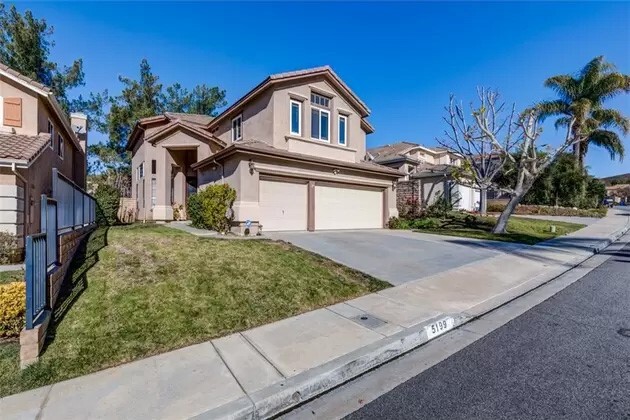
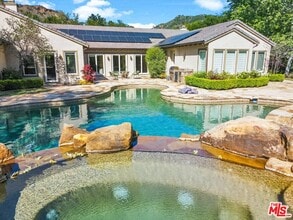
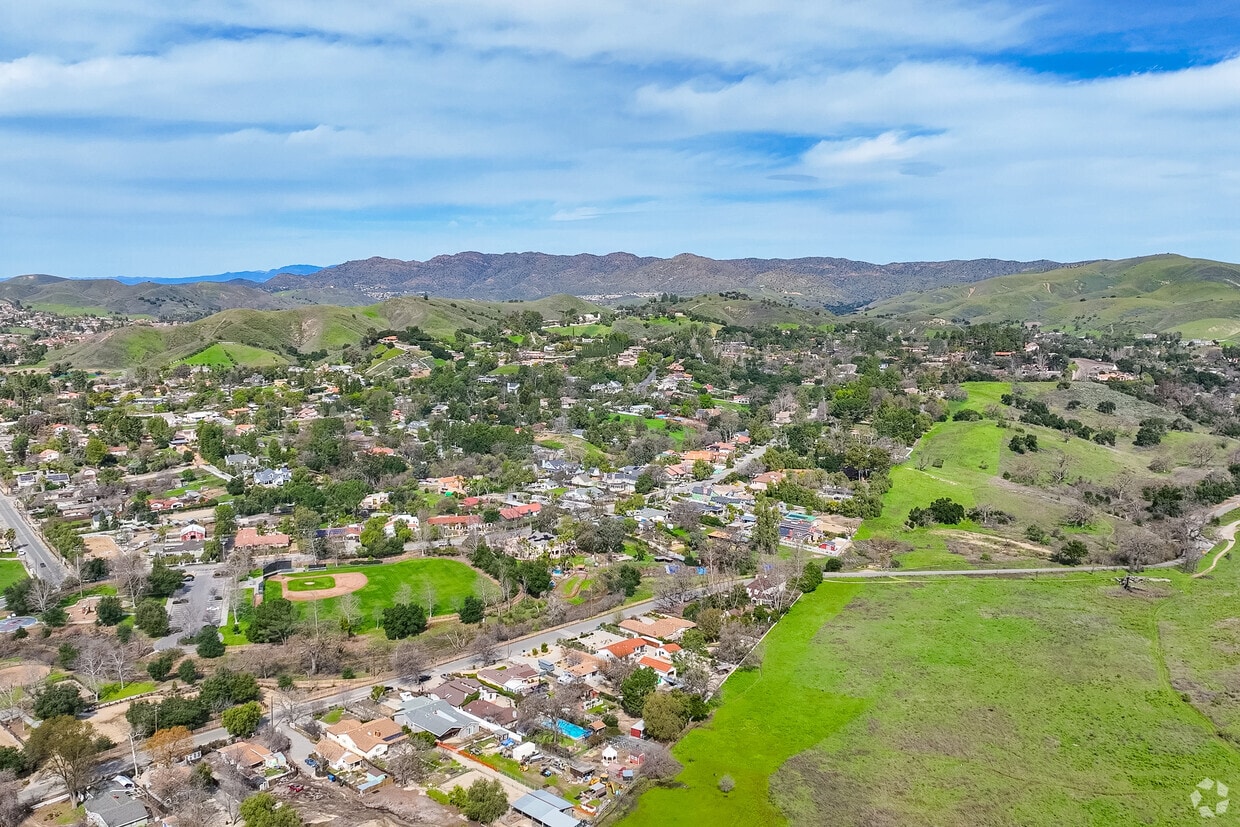
Agoura Hills in nestled into the Santa Monica Mountains.
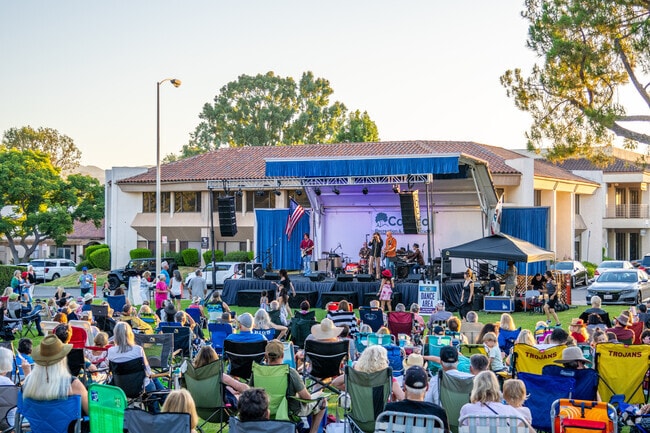
Westlake Village's Concerts in the Park is a very popular event.
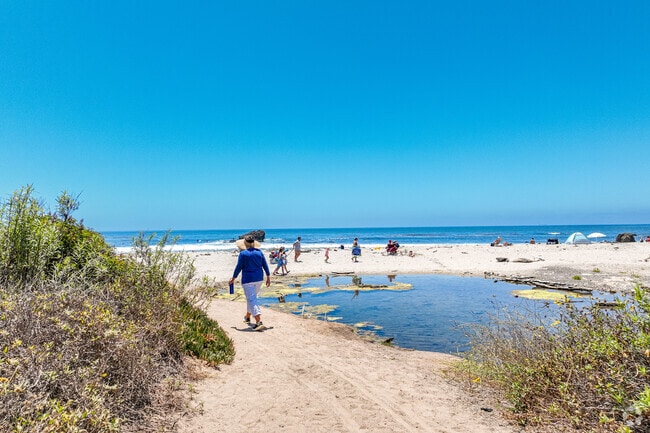
Leo Carrillo State Park is accessible to locals of Agoura Hills.
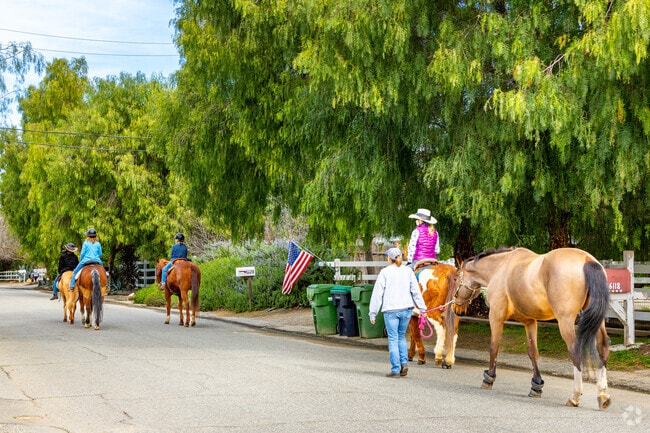
Find a thriving horse community in Agoura Hills
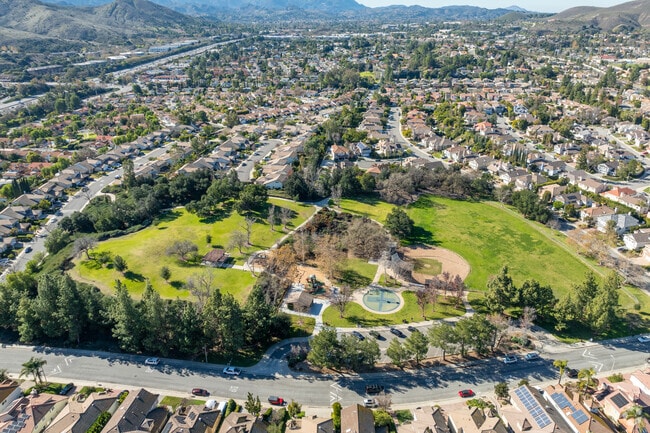
Agoura Hills features large green spaces, playgrounds, ball fields and more.

Agoura Hills, CA Area Guide

Avg Rent

$2,892

Population

19,105

Renter Mix

25% Rent

The gateway to the Santa Monica Mountains

LA Mountains Ocean

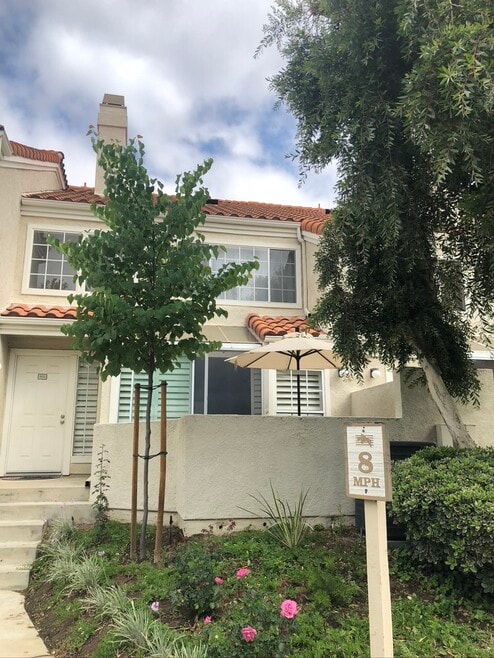
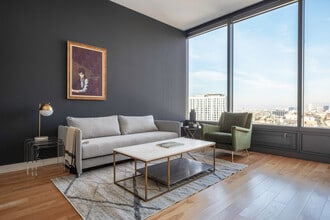
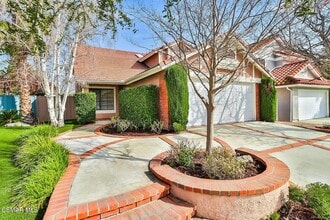
Agoura Hills sits in the eastern Conejo Valley, nestled between the Simi Hills and the Santa Monica Mountains, about 35 miles northwest of Downtown Los Angeles. The city incorporated in 1982 and has grown into a well-established community of just over 19,000 residents in Los Angeles County. Those searching for apartments for rent in Agoura Hills will find a range of options, from garden-style apartment communities to condos and townhomes, all within a setting that puts outdoor recreation right at your doorstep. The area is also known for its ties to Hollywood history; Paramount Ranch, a park where films and TV shows were produced for decades, sits nearby and is part of the Santa Monica Mountains National Recreation Area.

Renting in Agoura Hills means easy access to a mix of neighborhoods and amenities along and near the Ventura Freeway (US-101). Shopping centers like Kanan Plaza, Kanan Village, and the Shops at Oak Creek put everyday errands within a short drive. Renters who enjoy the outdoors have quick access to Malibu Creek State Park, just about four miles away, along with Chesebro and Palo Comado Canyon trails covering more than 4,000 acres in the nearby Simi Hills. The Pacific Coast beaches are roughly 12 miles south, making weekend trips to the water easy and convenient. Dining and retail options line the corridors near the freeway, keeping daily life well-supplied without a long commute.

For commuters, the US-101 Ventura Freeway runs through the southern edge of the city and connects directly to the broader Los Angeles metro area. Bob Hope Airport in Burbank is about 28 miles away, and Los Angeles International Airport is roughly 36 miles southeast. Nearby Metrolink commuter rail stations in Moorpark, Chatsworth, and Simi Valley offer an alternative to driving into the San Fernando Valley or beyond. Several colleges are within 20 miles, including Pepperdine University, California Lutheran University, and Pierce College. Agoura Hills offers a quieter pace compared to central Los Angeles while keeping renters connected to the jobs, culture, and conveniences of the greater LA region.

Popular Neighborhoods

Explore the City

Leo Carrillo State Park is accessible to locals of Agoura Hills.

Find a thriving horse community in Agoura Hills

Agoura Hills features large green spaces, playgrounds, ball fields and more.

Residents enjoy walking their dogs in Chumash Park in Agoura Hills.

Malibu Farm Pier Cafe is a breakfast and lunch spot accessible near Agoura Hills.

Agoura Hills has some great dining options, both indoors and outdoors.

Demographics

Median Household Income

$145,224

Average: $175,301

Education

9,680

Residents Have a Degree

Job Market

9,880

Workers Employed

Age Distribution
Get a sense of this area's population profile.

Median Age

47 Years

Largest Age Group

55-64 Years

Approximately 15% of Residents

Under 20

22%

Over 65

23%
Housing Distribution

Agoura Hills has more homeowners than renters.

Renters
25%
Non-Renters
75%

Education Distribution

Review this city's overall education levels.

Bachelor's or Higher
46%
Other Education
54%

Rent Trends

As of July 2026, the average apartment rent in Agoura Hills, CA is $2,127 for a studio, $2,879 for one bedroom, $3,492 for two bedrooms, and $3,928 for three bedrooms. Apartment rent in Agoura Hills has increased by 2.5% in the past year.

Property Type
Average Rent
Average Sq Ft
Apartment
$2,879/month
841 Sq Ft
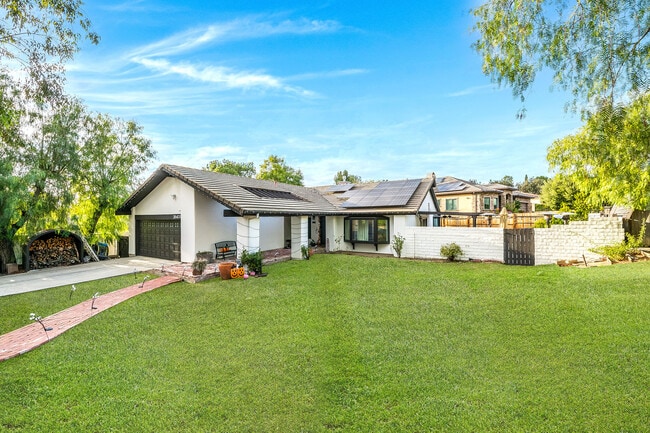
House
$8,375/month
2,549 Sq Ft
Townhome
$4,708/month
1,745 Sq Ft
See Rental Market Trends in Agoura Hills, CA

Learn More About Agoura Hills

Getting Around

Fairly Walkable

Walkability

40 / 100

Limited Public Transit

Transit

30 / 100

Exceptionally Drivable

Drivability

100 / 100

Fairly Bikeable

Bikeability

50 / 100

Schools

Willow Elementary School

Public

Grades K-5

510 Students

Willow Elementary

Public

Grades K-5

510 Students

Yerba Buena Elementary

Public

Grades K-5

372 Students

Yerba Buena Elementary School

Public

Grades K-5

372 Students

Sumac Elementary School

Public

Grades K-5

360 Students

Lindero Canyon Middle School

Public

Grades 6-8

795 Students

Lindero Canyon Middle

Public

Grades 6-8

795 Students

Agoura High

Public

Grades 9-12

1,709 Students

Agoura High School

Public

Grades 9-12

1,709 Students

Points of Interest

Parks and Recreation

  • Malibu Creek State Park
  • King Gillette Ranch
  • Upper Las Virgenes Canyon Open Space Preserve
  • Santa Monica Mountains National Recreation Area
  • Conejo Valley Botanic Garden

Airports

  • Bob Hope
  • Los Angeles International

Top Apartments in Agoura Hills

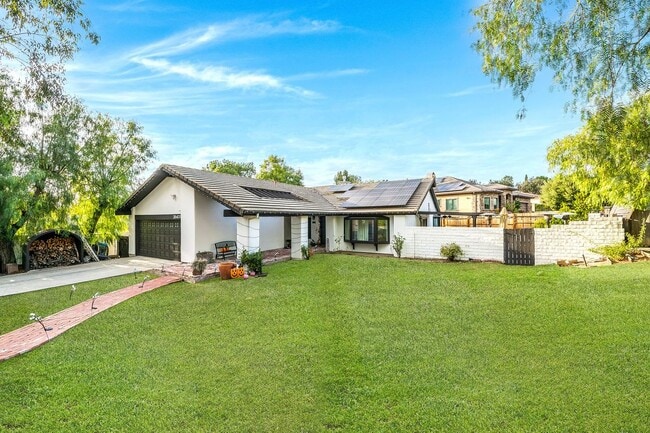
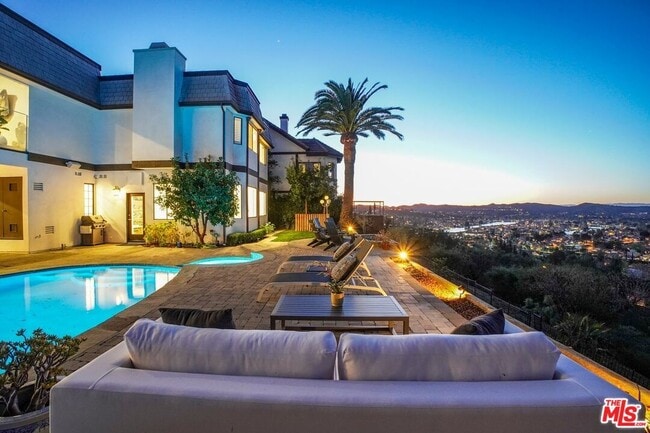
Houses for Rent in Agoura Hills

Living in Agoura Hills

History

-

Agoura Hills takes its name from a slightly misspelled homage to Pierre Agoure, a French Basque immigrant who settled here in 1871 and ran a successful sheep ranch. The Reyes Adobe, built as a ranch headquarters in the 1800s and now part of a museum managed by Los Angeles County Parks, stands in the center of the city as a tangible reminder of its ranching roots. Beyond that, the area's most colorful historical legacy comes from Hollywood: Paramount Ranch, still open to visitors as a park, served as a filming location for countless Westerns since Paramount Pictures first leased it in 1923. You can explore its preserved Western town set and hiking trails today.

Older still is the Chumash heritage of the region, with indigenous settlement dating back around 10,000 years. But it's the mid-20th century story that shaped the Agoura Hills residents experience now; rapid suburban growth after the Ventura Freeway opened through the area in the late 1960s, followed by incorporation as a city in 1982. That civic push was driven largely by residents seeking more local control over development. The city has since cultivated a reputation for live music, hosting acts at The Canyon Club, and for fostering the early nu-metal scene that produced bands like Linkin Park and Incubus.

Restaurants

-

Agoura Hills offers a diverse dining scene that reflects its position in the Santa Monica Mountains, blending casual California cuisine with international flavors. Local favorites include brewpubs, farm-to-table cafes, and steakhouses. The city's dining options extend beyond sit-down restaurants to include cozy cafes and quick-service spots along Kanan Road and in local shopping centers.

Transportation

-

Agoura Hills offers a car-oriented transportation landscape typical of Southern California suburbs, with easy access to several major highways that connect residents to the greater Los Angeles area. U.S. Route 101, the Ventura Freeway, runs directly through the city and serves as the primary transportation corridor, providing convenient access to downtown Los Angeles about 35 miles to the southeast and Thousand Oaks approximately 10 miles to the northwest. State Route 27, also known as Topanga Canyon Boulevard, intersects the city and offers a scenic route south toward Pacific Coast Highway and the beaches of Malibu. For regional travel, Los Angeles International Airport (LAX) is roughly 40 miles away, while the smaller Burbank Airport provides an alternative about 30 miles to the east.

Public transportation options are more limited in Agoura Hills compared to urban centers. The city is served by the Los Angeles County Metropolitan Transportation Authority (Metro) bus system, with limited routes connecting to nearby communities. Most residents rely on personal vehicles for daily commuting and errands. While the city features some residential sidewalks and local paths, the spread-out nature of development means walkability is generally focused within individual neighborhoods rather than citywide. The surrounding Santa Monica Mountains provide numerous trails for recreational walking and biking, though dedicated bike lanes for commuting remain relatively sparse throughout the residential and commercial areas.

Parks

-

Nestled in the Santa Monica Mountains, Agoura Hills offers residents abundant access to natural open spaces and outdoor recreation. The city's crown jewel, Paramount Ranch, features scenic trails through oak woodlands and historic Western Town film sets, providing a unique blend of nature and Hollywood history. Meanwhile, Chesebro Canyon offers miles of hiking and horseback riding trails through rolling grasslands, connecting to the larger Santa Monica Mountains trail network.

Chumash Park is a community hub with sports fields, tennis courts, playgrounds, and picnic areas, hosting youth sports leagues and seasonal events throughout the year. The park's skate park and open green spaces attract residents. Reyes Adobe Park combines recreation with cultural preservation, offering trails, barbecue facilities, and access to historic ranch buildings. Dog owners appreciate the off-leash areas and trail access throughout the community, while fitness enthusiasts take advantage of the extensive trail systems that wind through the surrounding hillsides. These outdoor spaces create gathering points for neighbors and provide daily opportunities to experience the natural beauty of the Santa Monica Mountains foothills.

Cost

-

Agoura Hills presents a higher cost of living compared to both state and national averages, reflecting its desirable location in the western edge of Los Angeles County. Housing represents the most significant expense, with average apartment rents typically ranging from $2,400 to $3,200 per month depending on size and amenities. One-bedroom units generally start around $2,400, while two-bedroom apartments average closer to $3,000 monthly. These figures exceed California's median rent by approximately 15-20% and sit well above the national average. Beyond housing, everyday expenses including groceries, transportation, and utilities also trend higher than typical California costs. The premium pricing reflects the community's proximity to both the San Fernando Valley and coastal areas, highly-rated schools, and the peaceful suburban atmosphere. While the cost of living requires a solid budget, many residents find value in the quality of life, safety, and access to natural spaces that characterize this hillside community.

Shopping

-

The Agoura Hills Town Center is a central hub for everyday errands and dining, featuring familiar retailers alongside local businesses. Residents also frequent nearby Westlake Village, where The Promenade at Westlake provides an outdoor shopping experience with boutiques, specialty stores, and national chains in a walkable setting. For broader retail needs, the Commons at Calabasas sits just minutes away, offering major department stores and popular brands.

The area maintains a community-oriented shopping culture with the weekly Farmers Market at The Old Agoura, where local vendors sell fresh produce, artisan goods, and handcrafted items. Small shopping plazas along Kanan Road and Thousand Oaks Boulevard provide neighborhood conveniences, from specialty grocers to fitness studios and service businesses. While Agoura Hills doesn't have a large enclosed mall within city limits, its location in the Conejo Valley ensures easy access to diverse shopping destinations throughout the region, making it simple for residents to find everything from everyday essentials to unique finds without traveling far.

Search Nearby Rentals

Methodology

† Our analysis of utilities, groceries, transportation, healthcare, home prices, and other goods and services is sourced from the Cost of Living Index, a respected benchmark published by the Council for Community and Economic Research (C2ER) that provides a thorough overview of living expenses across different regions.

Rent data is provided by CoStar Group’s Market Trend reports. As the industry leader in commercial real estate information, analytics, and news, CoStar conducts extensive research to produce and maintain a comprehensive database of commercial real estate information. We combine this data with public record to provide the most up-to-date rental information available.

Consumer goods, services, and home prices are sourced from the Cost of Living Index published by the Council for Community and Economic Research (C2ER). The data on this page is updated quarterly. It was last published in June 2026.

Demographic information comes from Neustar and combines detailed address data with U.S. Census and American Community Survey statistics to produce reliable local estimates.