Adair Park

Atlanta, GA

Background Image

Adair Park - Atlanta, GA Area Guide

Niche Reviews Niche logo

A laidback community south of Downtown Atlanta

Quaint Affordable Public Transit Commuter Artistic

Adair Park sits just southwest of downtown Atlanta, close enough to see the city skyline but settled enough to feel like a real neighborhood. The streets are lined with mature trees and sidewalks, and the Atlanta BeltLine's Westside Trail runs right along the neighborhood's western edge, making it easy to walk, jog, or bike into other parts of the city. West End and Castleberry Hill are both nearby, giving residents quick access to galleries, live music, and local restaurants without much of a commute. Georgia Tech and Georgia State University are both reachable within a short drive or transit ride.

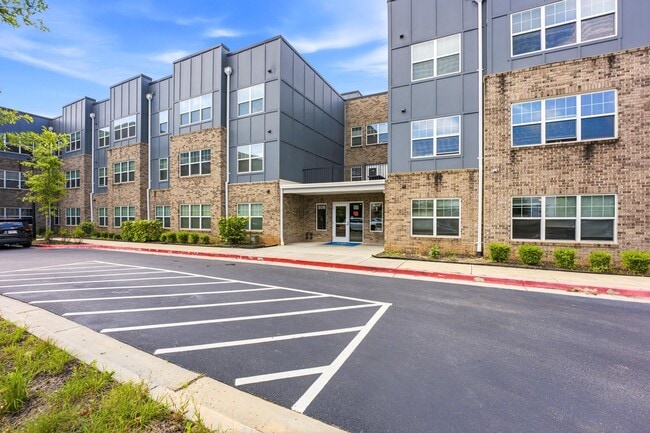
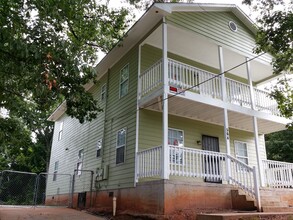
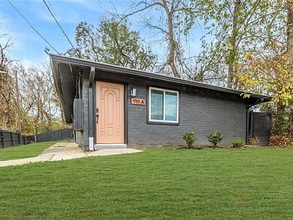
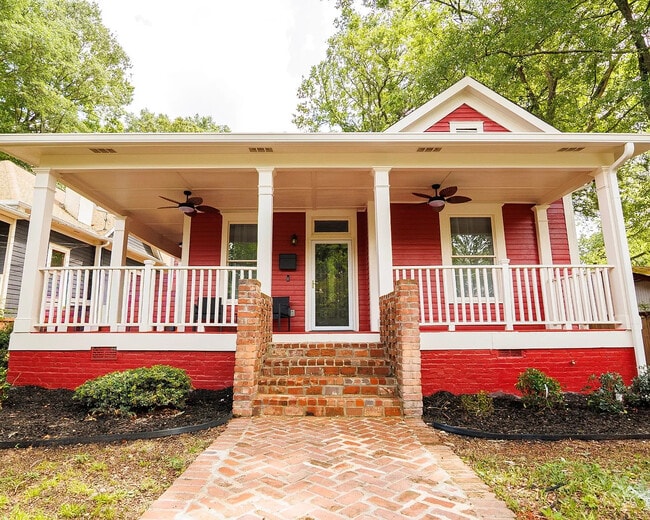
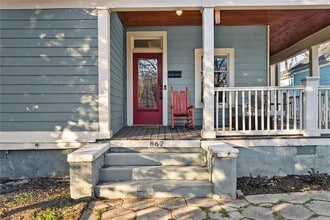
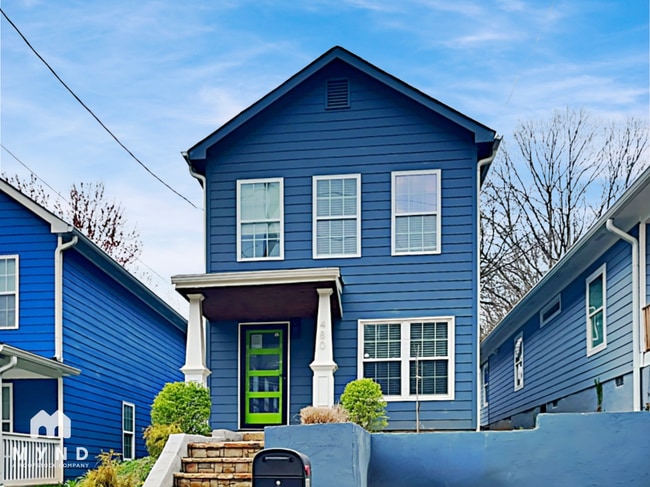
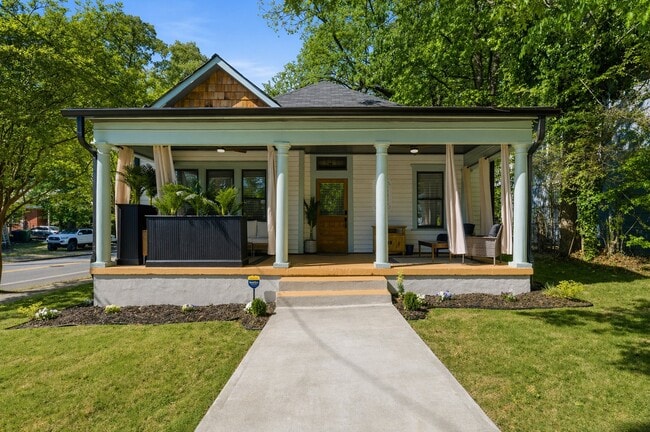
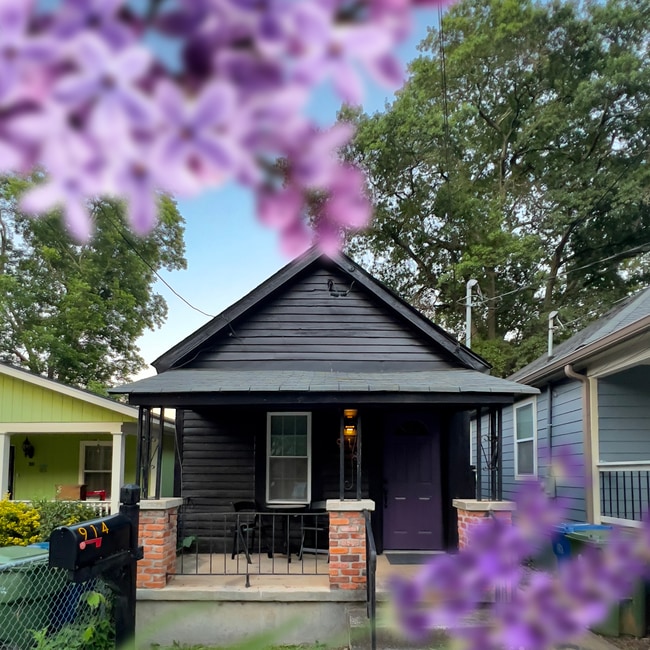
The housing stock leans heavily toward Craftsman-style bungalows on generous lots, which gives the streets a consistent, welcoming feel. Apartment buildings are scattered throughout the neighborhood, along with converted loft spaces in some of the older commercial and industrial buildings. The annual Porches and Pies Festival, organized by the neighborhood association, draws residents together each year for a block party-style celebration that reflects the area's strong sense of community.

Rent Trends

As of May 2026, the average apartment rent in Adair Park is $1,583 for a studio, $1,350 for one bedroom, and $1,360 for two bedrooms. Apartment rent in Adair Park has increased by 0.9% in the past year.

  • Studio

  • 600 sq ft

    Average Sq Ft

  • $1,583/month

    Average Rent

  • 1 BR

  • 697 sq ft

    Average Sq Ft

  • $1,350/month

    Average Rent

  • 2 BR

  • 901 sq ft

    Average Sq Ft

  • $1,360/month

    Average Rent

Getting Around

Moderately Walkable

Walkability

60 / 100

Some Public Transit

Transit

50 / 100

Exceptionally Drivable

Drivability

90 / 100

Fairly Bikeable

Bikeability

50 / 100

Daily Essentials

Supermarket Within a 15 Minute Walk

Groceries

60 / 100

Good Restaurant Variety Nearby

Restaurants

60 / 100

Fair Café Variety Nearby

Cafes

40 / 100

Good Variety of Shops Nearby

Shopping

60 / 100

Recreation

Very Large Amount of Park Space Nearby

Parks

80 / 100

Fair Wellness Amenity Variety Nearby

Wellness

50 / 100

Local Vibe

Mostly Calm Atmosphere

Vibrancy

30 / 100

Limited Nightlife Variety Nearby

Nightlife

30 / 100

Very Noisy

Quiet Score

30 / 100

Reviews of Adair Park - Atlanta, GA

Niche Reviews Niche logo
4 4 Reviews

Niche User

10 years and 2 months agoNiche Review

the crime has stop a little bit it getting little better

See All Reviews on Niche.com

Points of Interest

Parks and Recreation

  • West Atlanta Watershed Alliance (WAWA)
  • Park Pride
  • The Georgia Capitol Museum
  • Zoo Atlanta
  • Georgia Aquarium

Commuter Rail

Airports

  • Hartsfield - Jackson Atlanta International

Top Apartments in Adair Park

Houses for Rent in Adair Park

Property Management Companies

Living in Adair Park

History

-

Adair Park is listed on the National Register of Historic Places, and it shows. The neighborhood's residential streets are filled with well-preserved Craftsman bungalows, Folk Victorian cottages, and Queen Anne-style homes, most of them built between the 1890s and the 1940s. Granite curbing, brick walkways, and retaining walls add to the architectural character that makes a walk through the neighborhood feel genuinely different from newer Atlanta suburbs.

One of the standout landmarks is the former George W. Adair School, a two-story red brick building designed in the Academic Gothic Revival style and constructed in 1912. After sitting vacant for decades, it was renovated and reopened as Academy Lofts, which now includes a mix of affordable and market-rate housing units, small business loft space, a coworking area, and a coffee shop. Another notable site is MET Atlanta, a century-old former warehouse complex that served as a business and arts district before being acquired by Atrium Health in 2024.

Restaurants

-

The dining scene in and around Adair Park is modest but growing. The neighborhood has a handful of casual spots along Murphy Avenue and Metropolitan Parkway, and the proximity to West End and downtown Atlanta opens up a much wider range of options within a short drive or BeltLine walk. Residents have easy access to Southern cooking, Caribbean-influenced dishes, and soul food traditions that are well-established in this part of Atlanta. The broader area also includes spots serving West African cuisine and American comfort food, giving the corridor a range of everyday dining choices.

Transportation

-

Adair Park is bordered on the northwest by the MARTA north-south rail line, making public transit a real option for getting around. The nearby Lakewood/Fort McPherson and West End MARTA stations provide rail service into downtown Atlanta and across the metro area. MARTA bus routes also serve the surrounding streets. Metropolitan Parkway and I-20 are the main driving corridors, connecting residents to downtown Atlanta to the north and to I-285 to the south. The Atlanta BeltLine's Westside Trail runs along the neighborhood's western boundary, offering a car-free route to other southwest Atlanta neighborhoods and beyond.

Parks

-

Adair Park has three green spaces within its boundaries. Adair Park I, established in 1922, is a landscaped open area with mature trees, brick walkways, and a playground. It also includes a 1930 brick bathhouse that still stands on the grounds and serves as a gathering spot for informal games and evening walks. Adair Park II, added in the 1980s on land that once housed a lumberyard, features a baseball field, a covered basketball court, tennis courts, and a playground. The third space, Bonnie Brae Park, is a small garden park that adds a quiet green pocket to the neighborhood. The BeltLine's Westside Trail along the western edge also functions as a linear park, with connections to additional green space as the trail network continues to expand across Atlanta.

Cost

-

Average rent in Adair Park runs roughly $1,290 per month for a studio, around $1,325 for a one-bedroom, and about $1,518 for a two-bedroom. Three-bedroom units average near $1,735 per month. These figures are generally in line with or slightly below Atlanta's broader intown rental market. Atlanta's overall economy is supported by major employers in logistics, technology, film production, and communications, with Hartsfield-Jackson Atlanta International Airport serving as one of the area's largest job centers.

Shopping

-

Shopping options within Adair Park itself are limited to a handful of small neighborhood businesses along Murphy Avenue and Metropolitan Parkway. For broader retail, residents are close to the West End neighborhood, which has a commercial corridor with everyday goods and services. Ponce City Market and Atlantic Station, both accessible via the BeltLine or a short drive, offer more extensive retail and dining in mixed-use settings. A farmers market culture is strong across Atlanta's intown neighborhoods, and several seasonal and recurring markets operate within a short distance of Adair Park throughout the year.

Highlights

-

Adair Park combines National Register-listed Craftsman architecture with BeltLine trail access and a tight-knit community feel, all just minutes from downtown Atlanta.

Search Nearby Rentals

Methodology

† Our analysis of utilities, groceries, transportation, healthcare, home prices, and other goods and services is sourced from the Cost of Living Index, a respected benchmark published by the Council for Community and Economic Research (C2ER) that provides a thorough overview of living expenses across different regions.

Rent data is provided by CoStar Group’s Market Trend reports. As the industry leader in commercial real estate information, analytics, and news, CoStar conducts extensive research to produce and maintain a comprehensive database of commercial real estate information. We combine this data with public record to provide the most up-to-date rental information available.

Consumer goods, services, and home prices are sourced from the Cost of Living Index published by the Council for Community and Economic Research (C2ER). The data on this page is updated quarterly. It was last published in February 2026.

Demographic information comes from Neustar and combines detailed address data with U.S. Census and American Community Survey statistics to produce reliable local estimates.